Insight Blog
Agility’s perspectives on transforming the employee's experience throughout remote transformation using connected enterprise tools.
1 hour reading time
(11911 words)
20 Best Productivity Apps Tested in 2026—These 3 Changed How We Work

20 Best Productivity Apps Tested in 2026—These 3 Changed How We Work
We tested 20 of the best productivity apps in 2026. Compare the three that stood out, plus free, Android, iPhone, student and workplace picks.
20 Best Productivity Apps Tested in 2026—These 3 Changed How We Work

The best productivity apps do not simply give employees another dashboard, notification stream or AI button to click.
They make it easier to find information, understand priorities and complete work without switching between disconnected tools.
That matters because the modern workday is already overloaded.
Microsoft found that 62% of workers struggle with the time spent searching for information, while its research also showed employees spend more of their time communicating than creating work.
62%
of workers
Microsoft found that 62% of workers struggle with the time spent searching for information during the workday. Its research also showed employees spend 57% of their time communicating, compared with 43% creating work.
Source: Microsoft Work Trend Index
The problem is not that teams lack technology.
It is that they often have too much of the wrong technology, with tasks in one app, documents in another, updates buried in chat and decisions lost in meetings.
We reviewed 20 productivity apps for the jobs businesses actually need done: planning work, sharing knowledge, coordinating people, reducing manual admin and staying productive on mobile.
This guide explains which three changed how we work, where the other tools fit, and how to choose a stack your employees will genuinely use.
Key Takeaways
- The best productivity apps help employees manage tasks, communicate clearly, find information and reduce repetitive work without adding another disconnected system.
- AgilityPortal, Todoist and Microsoft Teams are the three strongest options for connected employee work, focused task management and Microsoft 365 collaboration.
- Free productivity apps can work well for individuals and students, but businesses should check plan limits, mobile access, security controls and integrations before a wider rollout.
- AI features such as meeting summaries, smart scheduling, workplace search and workflow automation can save time when they use accurate information and include human review.
- A smaller, connected productivity stack will usually deliver more value than a long list of overlapping apps, notifications and subscriptions.
Why most productivity apps become another thing to manage
Productivity apps can make work faster, clearer and more flexible.
The right tool helps people organise tasks, share updates, find documents and avoid wasting time on manual admin. But adding more software does not automatically make a team more productive.
In many businesses, the opposite happens. One team uses a project board, another relies on chat, policies sit in email attachments, and important updates are shared in separate groups.
Employees then spend more time switching between apps, searching for the latest version of a document and working out where a question should be asked.
This can also lead to duplicate work, notification overload and shadow IT, where employees start using unapproved tools simply because they are easier or faster.
That creates obvious problems around security, data ownership and consistency.
Imagine an operations manager receiving project updates in Microsoft Teams, tasks in a project board, policy changes by email and frontline questions through WhatsApp. Nothing is technically missing, yet finding the latest answer takes far too long. The issue is not a lack of effort or technology; it is fragmented work.
The practical answer is to choose productivity tools based on the specific problem they solve, not because they are popular or packed with features.
A smaller, connected set of tools that employees actually understand and use will usually achieve far more than a long list of apps competing for their attention.
How We Tested the Best Productivity Apps in 2026
A productivity app should make everyday work easier—not create another system employees have to learn, check and maintain.
That is why we did not judge these tools simply by the number of features they offer or whether they have an AI assistant.
Instead, we assessed each app against the practical things that matter when people are trying to get work done: how quickly someone can start using it, whether it solves a repeated problem, how well it works on mobile and whether it fits safely into an organisation's existing technology stack.

How We Tested the Best Productivity Apps in 2026
| Test area | What we assessed | Why it matters |
| Ease of adoption | How quickly a new user can complete core actions | A powerful app fails if employees avoid it |
| Daily usefulness | Whether it solves a repeated work problem | Features do not equal value |
| Mobile access | iPhone and Android experience | Frontline and hybrid staff need equal access |
| Collaboration | Shared tasks, updates, documents and visibility | Productivity is a team outcome |
| Integrations | Ability to work with existing systems | Avoids manual copying and tool sprawl |
| Security and administration | Permissions, SSO, controls and ownership | Essential for business use |
| Value | Free plan, paid limitations and likely ROI | Cheap software is not always low-cost software |
We also looked at whether each tool helps reduce common workplace frustrations: searching for information, chasing updates, managing priorities, coordinating work across teams and switching between too many apps.
There is no single best productivity app for every person or business.
A student may need a simple task list and focus timer, while an HR or operations team may need secure employee communication, shared knowledge, workflows and mobile access.
Our rankings reflect those differences, so you can choose based on the work you actually need to improve.
How this guide was reviewed: Updated September 2026 by the AgilityPortal editorial team. We reviewed product documentation, available plans, core features, mobile apps, integrations and workplace suitability. Where possible, we assessed tools using realistic business scenarios, including task planning, team communication, document discovery and cross-device access. Product features, pricing and free-plan limits can change, so always confirm the latest information directly with the provider before making a purchasing decision.
The 20 Best Productivity Apps at a Glance
Some productivity app depends on where work is getting stuck.
Some teams need clearer task ownership, while others need a better way to share knowledge, reduce repetitive admin or keep deskless employees informed.
The table below gives you a quick view of the 20 tools we reviewed.
We have included individual tools, team collaboration platforms, automation software and security tools because productivity is not only about ticking off a to-do list.
It is also about helping people find what they need, work together without friction and spend less time chasing updates.
| App | Best for | Free option | Mobile | Best fit |
| AgilityPortal | Connected employee communication, knowledge and work | Trial | iOS/Android/Web | Growing organisations |
| Todoist | Personal and team task management | Yes | iOS/Android/Web | Individuals and small teams |
| Microsoft Teams | Microsoft 365 collaboration | Yes/plan dependent | iOS/Android/Web | Microsoft-based organisations |
| Notion | Flexible team workspace | Yes | iOS/Android/Web | Knowledge-heavy teams |
| Asana | Cross-functional project coordination | Yes | iOS/Android/Web | Project teams |
| ClickUp | Configurable work management | Yes | iOS/Android/Web | Process-focused teams |
| Trello | Visual task boards | Yes | iOS/Android/Web | Simple workflows |
| Monday.com | Custom workflows | Trial | iOS/Android/Web | Operations teams |
| Google Workspace | Real-time documents and collaboration | Plan dependent | iOS/Android/Web | Google-based teams |
| Slack | Fast team messaging | Yes | iOS/Android/Web | Desk-based teams |
| Microsoft To Do | Simple Microsoft task lists | Yes | iOS/Android/Web | Microsoft users |
| Google Calendar | Shared scheduling | Yes | iOS/Android/Web | Individuals and teams |
| Motion | AI-assisted daily planning | Trial | iOS/Android/Web | Time-blocking users |
| Reclaim | Flexible scheduling | Yes | iOS/Android/Web | Calendar-heavy teams |
| Toggl Track | Time awareness and reporting | Yes | iOS/Android/Web | Agencies and consultants |
| RescueTime | Focus and time awareness | Limited | iOS/Android/Web | Individuals |
| Forest | Focus sessions | Varies by platform | iOS/Android/Web | Students and individuals |
| Zapier | Workflow automation | Yes | Web | Connected business systems |
| Loom | Async updates and screen recording | Yes | iOS/Android/Web | Distributed teams |
| 1Password | Secure access management | Trial | iOS/Android/Web | Any business handling accounts |
A quick warning before you choose: a free plan can be ideal for testing a tool or supporting individual users, but it may not include the security controls, admin features, storage, integrations or reporting a business needs.
Always check the current plan limits before rolling a tool out across your organisation.
Our top pick: 3 Productivity Apps That Changed How We Work and Other Teams
There is no single tool that will fix every productivity problem.
Some teams need a better way to manage personal tasks, while others need to bring employee communication, documents and day-to-day work into one place.
After reviewing the 20 best productivity apps, three stood out because they solve different but common workplace problems without adding unnecessary complexity:
- AgilityPortal is best for organisations that need to connect employee communication, knowledge, tasks and internal resources in one secure digital workplace.
- Todoist is best for individuals and small teams that want a straightforward way to capture, prioritise and complete tasks.
- Microsoft Teams is best for organisations already using Microsoft 365 that need chat, meetings, file collaboration and shared channels in the same ecosystem.
The right choice depends on what is slowing your people down. If employees are constantly searching for policies, updates and documents, an all-in-one employee platform may have the biggest impact.
If work is being missed because priorities are unclear, a focused task-management app may be enough.
And if your organisation already relies heavily on Outlook, SharePoint and Microsoft 365, Teams may be the most practical place to coordinate everyday collaboration.
Below, we break down where each tool works best, what to watch out for and who should consider using it.
1. AgilityPortal — Best for Bringing Employee Work, Knowledge and Communication Together
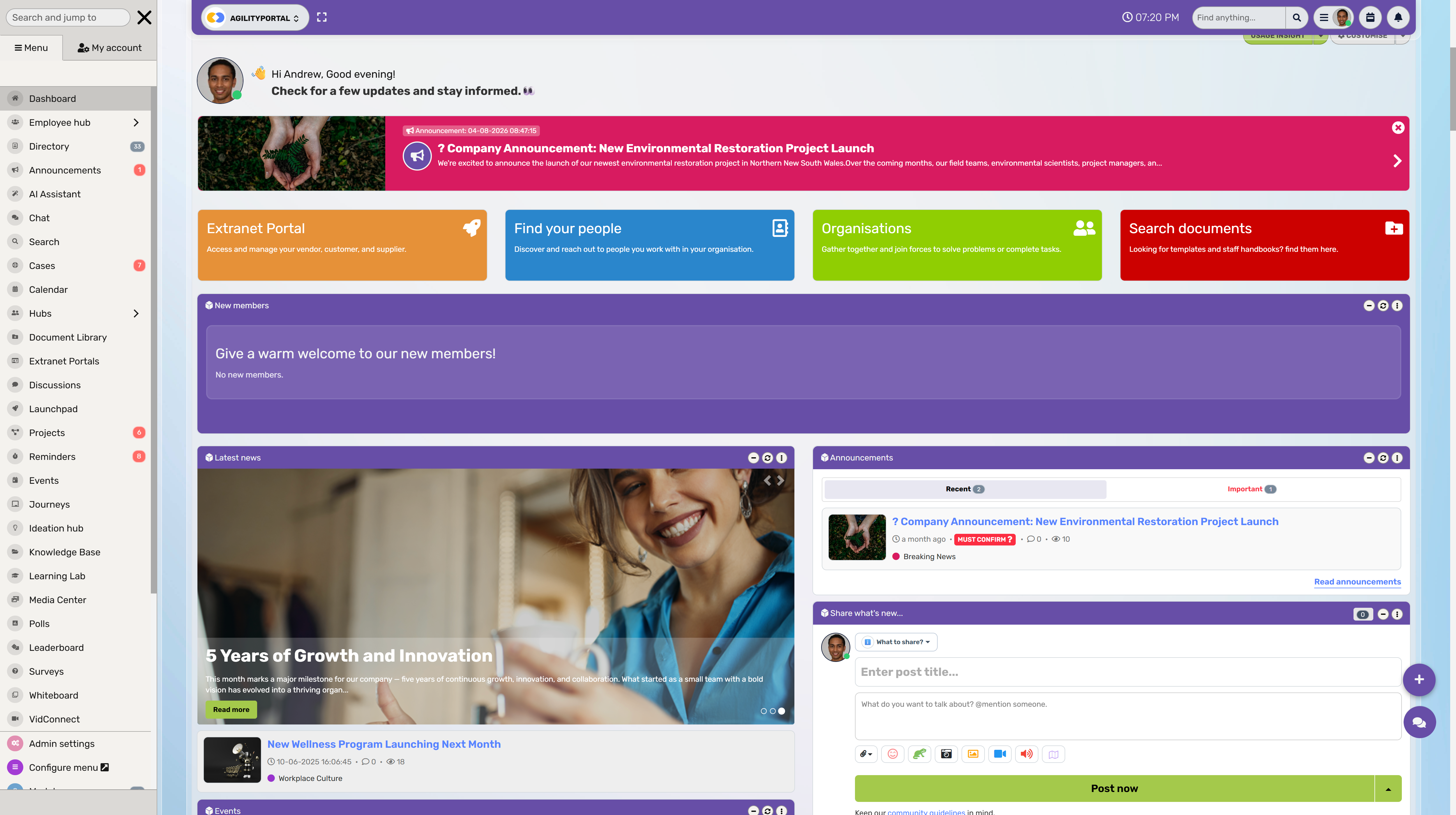
AgilityPortal is an all-in-one digital workplace platform that helps organisations keep employee communication, knowledge and everyday work in one secure, easy-to-access place.
It is a particularly strong option for HR teams, internal communications leaders, operations managers and businesses with employees working across offices, sites, shifts or countries.
AgilityPortal — Best for Bringing Employee Work, Knowledge and Communication Together
Pros of using AgilityPortal:
Many businesses do not have a productivity problem because employees are unproductive. They have a visibility problem. Policies sit in one system, announcements are sent by email, documents are stored in different folders, training is hard to find and questions get lost in group chats.
AgilityPortal brings these essential parts of work together, so employees have fewer places to search before they can take action.
For example, teams can share company announcements, create pages and knowledge hubs, store and organise documents, assign tasks, collect form submissions, manage approvals and keep employee information in a central directory. Rather than asking staff to remember where each type of information lives, the platform gives them one familiar destination.
The mobile app is especially useful for deskless and frontline employees who may not spend their day at a computer. They can view important updates, access policies, complete tasks, find colleagues and stay connected wherever they are working.
The platform also gives administrators the control they need as the business grows. Role-based permissions, search, structured spaces and secure access help ensure employees see the right information without turning every conversation or document into a free-for-all.
For organisations trying to reduce information chasing, this is where AgilityPortal stands out. It is not just another task tool or chat app. It helps connect the communication, knowledge and actions employees need to do their jobs properly.
Cons of using AgilityPortal:
AgilityPortal works best when there is a clear owner for content, communications and workspace structure. Without that, even a well-designed digital workplace can become cluttered over time.
It is also important not to duplicate the same policy, update or document across several spaces. Businesses should decide where the source of truth sits, then make that location easy for employees to find.
What's new in AgilityPortal:
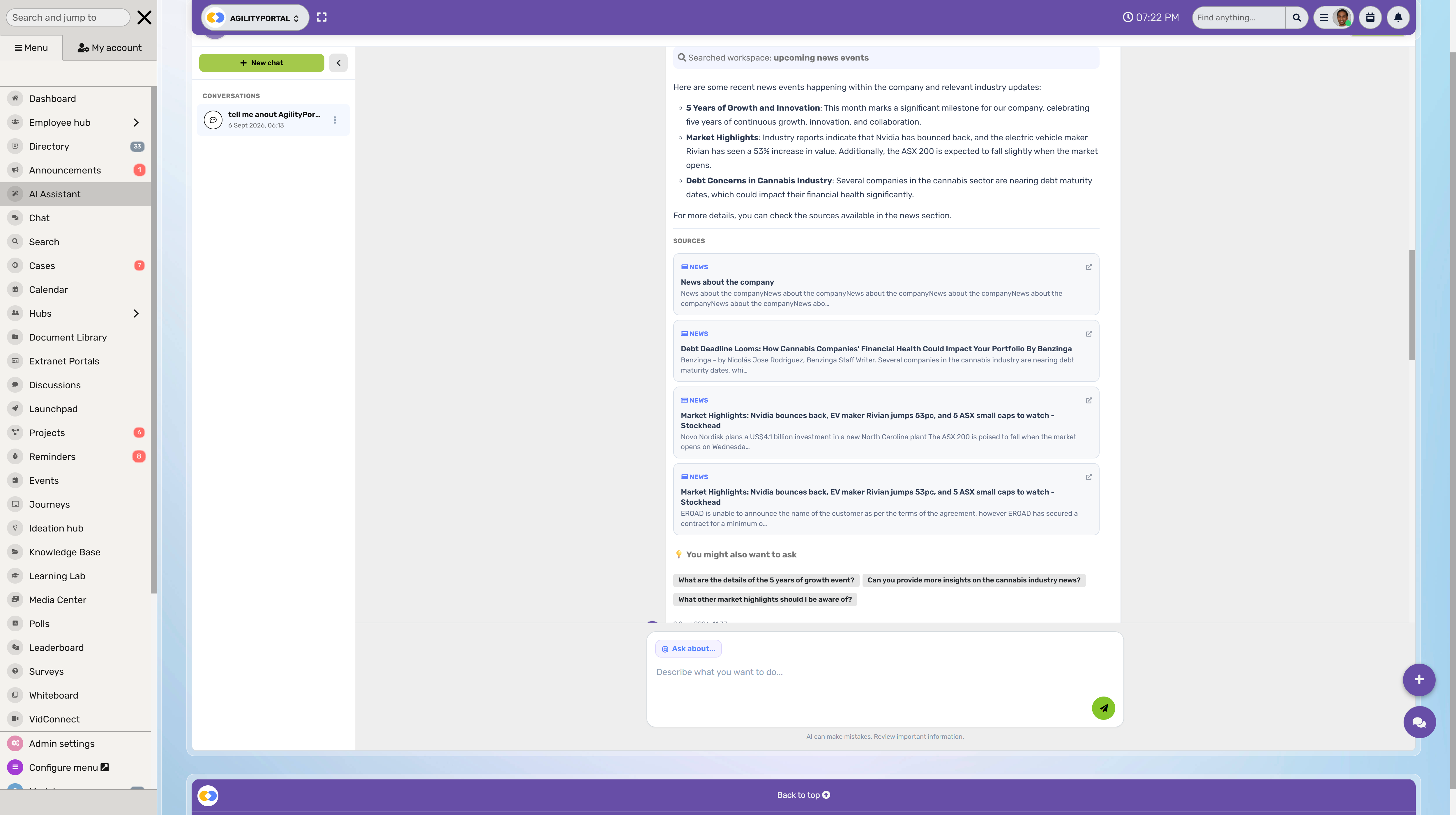
AgilityPortal continues to improve the employee experience across desktop and mobile. Recent updates include more flexible Space dashboards, configurable menu layouts, improved gallery and feed media experiences, mobile-friendly list views and expanded chat features such as reactions, replies and threaded conversations.
These improvements make it easier for organisations to shape the platform around how their employees actually work, rather than forcing every team into the same layout or communication style.
Available for: Web, iOS and Android
Pricing: From $99 per month for 25–99 employees; a 14-day trial is available.
Our Verdict · #1
AgilityPortal
Best productivity app for connecting employee communication, knowledge, tasks and everyday work in one digital workplace
#1
Our pick
Starting price
From $99/month for 25–99 employees, with a 14-day free trial.
Best feature
Company news, employee chat, documents, knowledge, forms, tasks and approvals in one secure platform.
Pricing, product features and plan availability can change. Confirm details with AgilityPortal before purchasing.
2. Todoist — Best for Simple Task Management
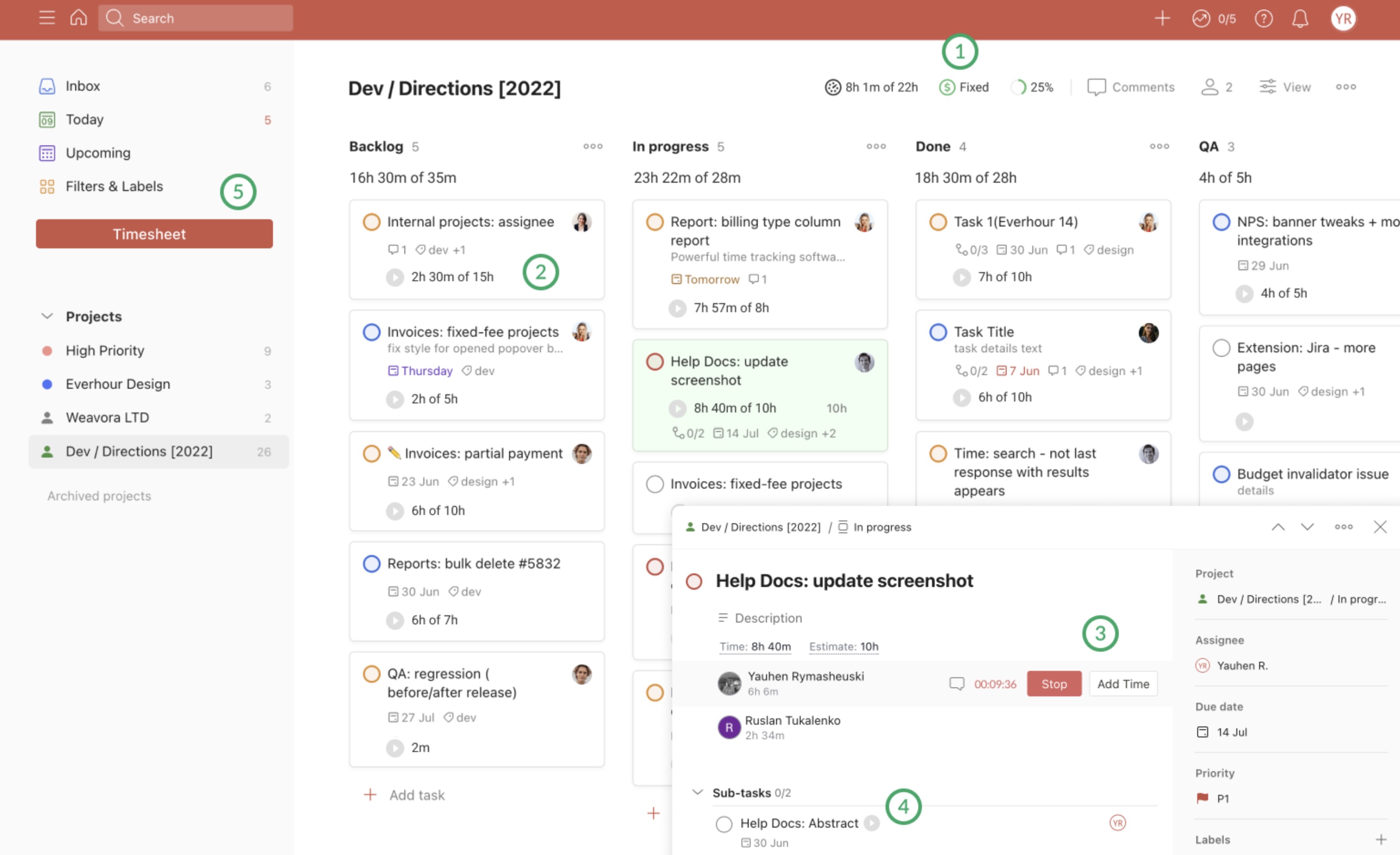
Todoist is one of the best productivity apps for individuals and small teams that want a clear, uncomplicated way to manage daily tasks, priorities and recurring work.
Todoist — Best for Simple Task Management
Pros of using Todoist:
The main reason Todoist remains so popular is that it makes task management feel simple. You can quickly add a task, set a due date, assign a priority and move on with your day without needing to build a complex project board first.
Its natural-language task entry is particularly helpful. For example, typing "Send the monthly report every Friday at 9am" can automatically create a recurring task with the right schedule.
Other useful features include:
- Create tasks, subtasks and recurring reminders.
- Organise work with projects, labels, filters and priority levels.
- Share projects and assign tasks to colleagues.
- View upcoming work in a simple Today or Upcoming view.
- Use it across web, desktop, iPhone and Android devices.
- Connect Todoist with tools such as Google Calendar, Microsoft Outlook and Slack.
Todoist is also a strong option for students and busy professionals because the free plan gives users enough functionality to organise personal tasks and deadlines without paying for a large work-management platform.
For small teams, it provides a shared view of what needs to be done without the setup time and complexity that can come with more advanced project-management software.
Cons of using Todoist:
Todoist is designed for focused task management, so it may feel too lightweight for larger organisations managing complex projects, detailed reporting or multi-stage workflows.
It is also not a replacement for a central employee communication platform, document hub or knowledge base. Teams may still need separate tools for company updates, policies, training and shared information.
What's new in Todoist:
Todoist regularly updates its platform with improvements to task planning, calendar visibility, team collaboration and AI-supported task management. Its ongoing focus remains the same: making it quicker to capture work, understand priorities and stay on top of what needs to happen next.
Available for: Web, Windows, Mac, iOS and Android
Pricing: Free plan available; paid plans are available for users who need additional projects, reminders, team features and advanced productivity tools.
Our Verdict · #2
Todoist
Best productivity app for simple task management, recurring reminders and everyday priorities
#2
Our pick
Starting price
Free plan available, with paid Pro and Business plans for more projects, reminders and team features.
Best feature
Fast task capture with priorities, recurring due dates, shared projects, reminders and cross-device access.
Pricing, product features and plan availability can change. Confirm details with Todoist before purchasing.
3. Microsoft Teams — Best for Microsoft 365 Collaboration
Microsoft Teams is one of the best productivity apps for work if your organisation already uses Microsoft 365.
It brings chat, meetings, shared files, tasks and collaborative workspaces into the same connected ecosystem.

3. Microsoft Teams — Best for Microsoft 365 Collaboration
Pros of using Microsoft Teams:
Microsoft Teams works particularly well for businesses that already rely on Outlook, SharePoint, OneDrive and Microsoft 365.
Rather than asking employees to move between separate apps, it gives them a familiar place to message colleagues, join meetings and work on shared files.
Useful features include:
- Send one-to-one and group chat messages.
- Create channels for departments, projects or specific topics.
- Hold video meetings, webinars and calls.
- Share, edit and collaborate on Microsoft 365 files.
- Store documents in connected SharePoint and OneDrive locations.
- Use @mentions, notifications and threaded conversations to keep updates organised.
- Integrate with Microsoft Planner, To Do and hundreds of third-party apps.
- Access Teams on the web, desktop, iPhone and Android.
Teams can be especially valuable for hybrid organisations, as it gives employees a consistent place to communicate whether they are in the office, at home or travelling between sites.
It also offers strong administration and security capabilities for larger businesses. IT teams can manage user access, permissions, meeting policies and integrations through the wider Microsoft 365 environment.
Cons of using Microsoft Teams:
Teams can become noisy if businesses create too many channels, allow unrestricted notifications or do not set clear rules for where conversations and documents should live.
Finding older files or decisions can also become difficult when teams use chat as a replacement for structured knowledge management. It works best when organisations establish clear channel ownership, document rules and communication guidelines.
What's new in Microsoft Teams:
Microsoft continues to expand Teams with AI-supported meeting summaries, improved collaborative workspaces, enhanced chat features and deeper Microsoft 365 integration. These updates are designed to reduce meeting admin and help employees find important information more quickly.
Available for: Web, Windows, Mac, iOS and Android
Pricing: A free version is available. Paid access is included with selected Microsoft 365 business plans, with features and limits varying by subscription.
Our Verdict · #3
Microsoft Teams
Best productivity app for businesses already using Microsoft 365 for chat, meetings and file collaboration
#3
Our pick
Starting price
A free version is available; paid access is included with selected Microsoft 365 business plans.
Best feature
Chat, video meetings, channels and Microsoft 365 file collaboration in one connected workspace.
Pricing, product features and plan availability can change. Confirm details with Microsoft before purchasing.
The Other 17 Productivity Apps Worth Considering
The three tools above stood out for their ability to support different parts of everyday work.
However, the best productivity apps for your business may depend on whether your main challenge is managing projects, sharing knowledge, arranging meetings, improving focus or reducing manual admin.
Here are 17 other productivity apps worth considering.
For Project and Task Management:
4. Asana — Best for Cross-Functional Project Management
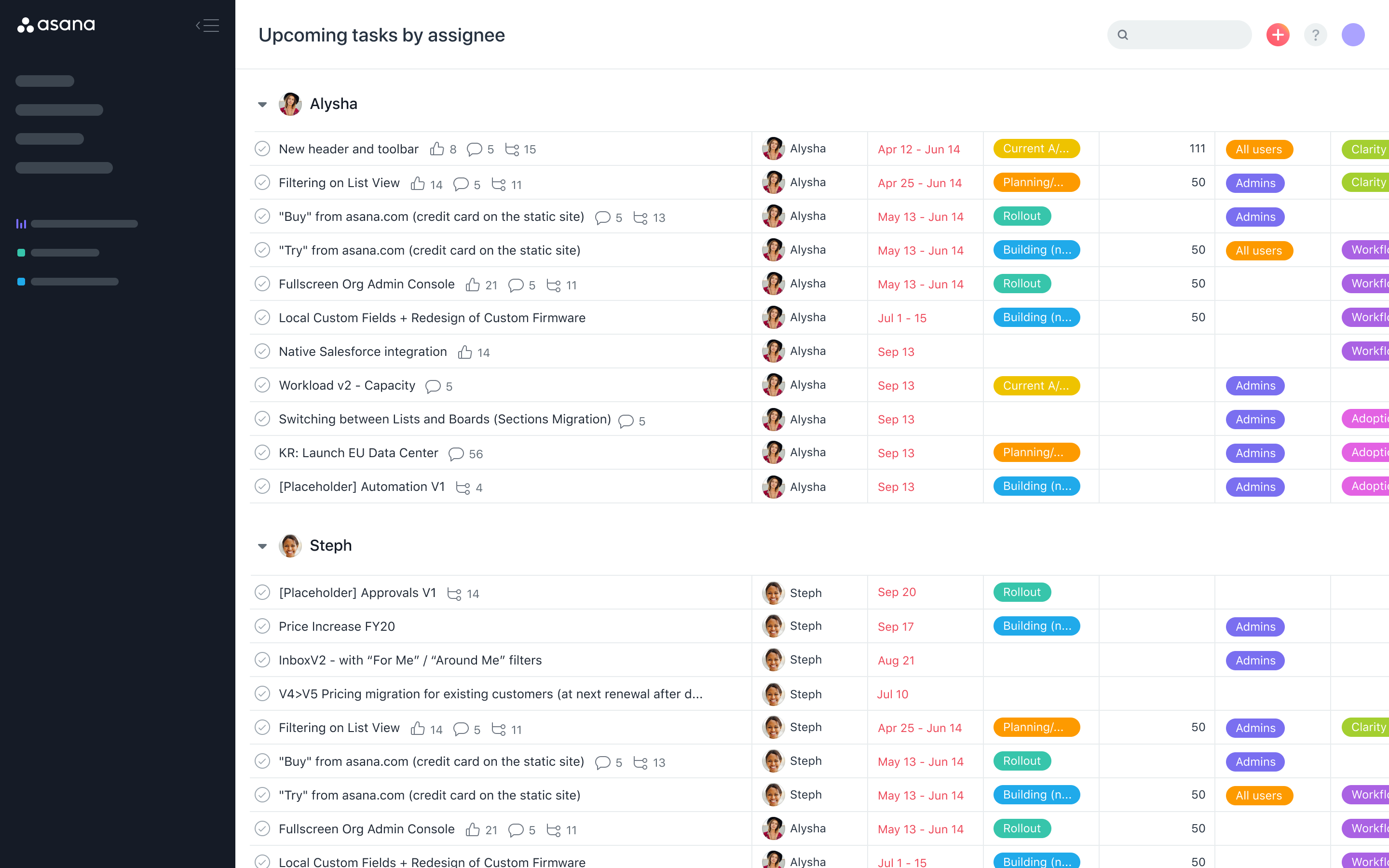
Asana — Best for Cross-Functional Project Management
Asana is a strong choice for teams managing projects across several departments. It gives managers and employees a shared view of tasks, deadlines, owners and project progress.
Best for: Marketing, operations, product and project teams.
Key strength: Flexible project views, including lists, boards, calendars and timelines.
One limitation: Can feel overly detailed for small teams with simple task lists.
Free plan or trial: Free plan available; paid plans unlock more advanced reporting and workflow features.
Mobile: iOS and Android.
Ideal for: Businesses that need clearer ownership and visibility across larger projects.
5. ClickUp — Best for Highly Configurable Workflows
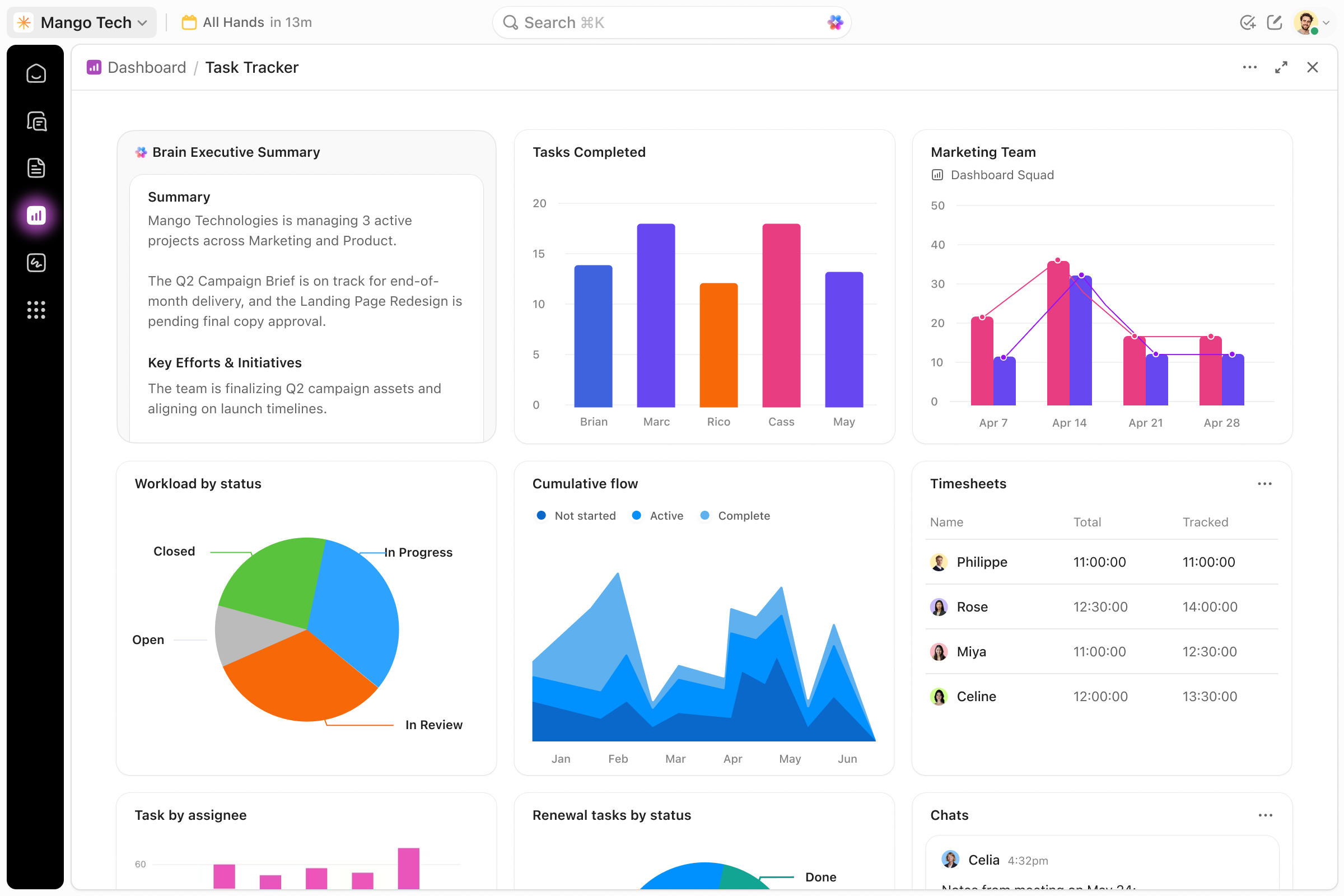
ClickUp — Best for Highly Configurable Workflows
ClickUp is a work-management platform that combines tasks, documents, dashboards, goals and automation. It gives businesses plenty of flexibility to build workflows around their existing processes.
Best for: Process-focused teams with detailed workflows.
Key strength: Highly customisable tasks, views, automations and reporting.
One limitation: The number of options can make setup and employee adoption harder.
Free plan or trial: Free plan available; paid plans provide more storage, automation and admin features.
Mobile: iOS and Android.
Ideal for: Teams that need to tailor their workspace to specific processes.
6. Trello — Best for Visual Task Board
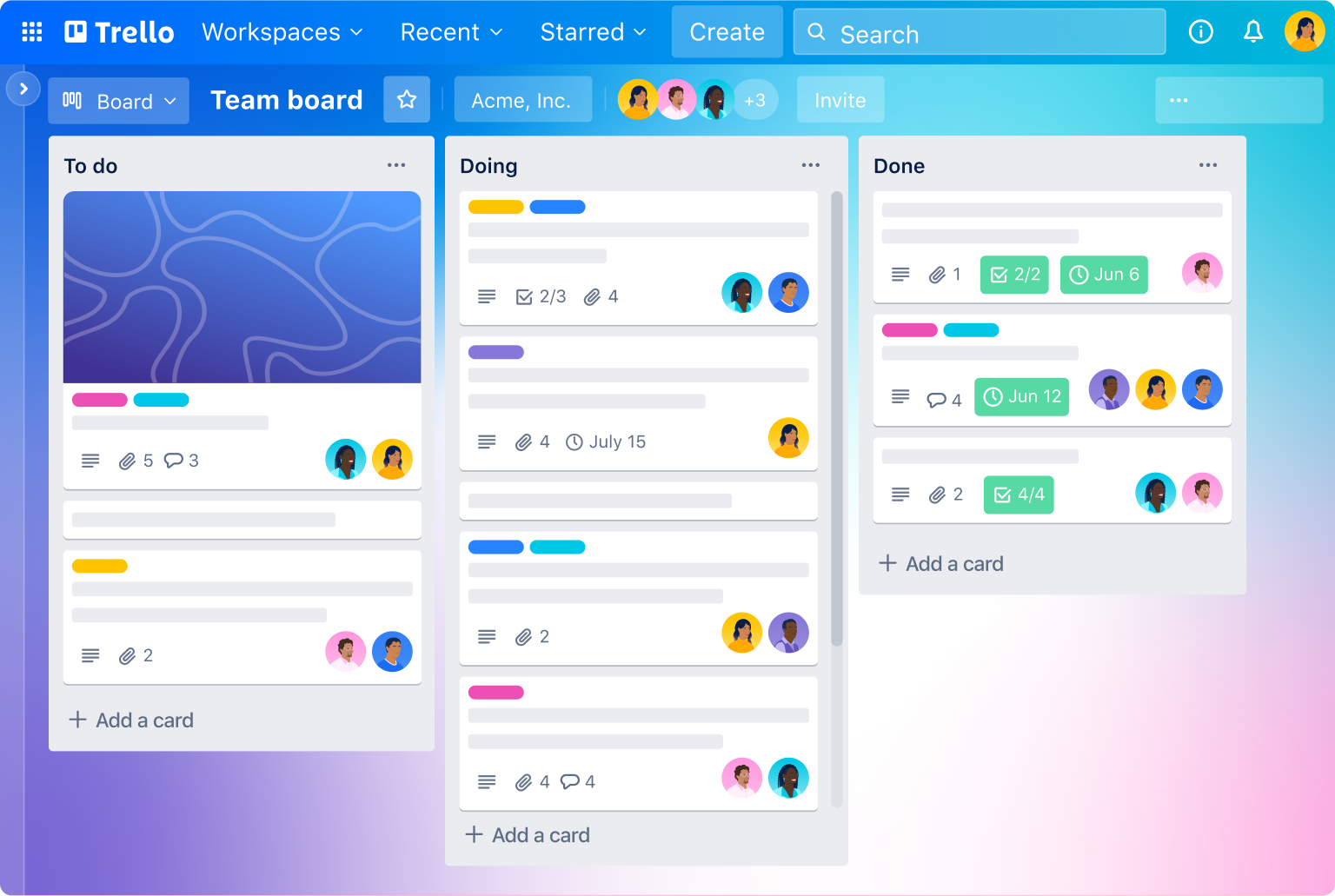
Trello — Best for Visual Task Board
Trello is a simple, visual task-management tool based on boards, lists and cards. It is easy to understand and works well for teams that want to see work moving from one stage to the next.
Best for: Simple projects, content calendars and repeatable workflows.
Key strength: Clean Kanban-style boards that are quick to set up and use.
One limitation: It can become difficult to manage when projects need detailed dependencies or complex reporting.
Free plan or trial: Free plan available; premium plans include more views, automation and controls.
Mobile: iOS and Android.
Ideal for: Small teams that prefer a straightforward visual way to manage work.
7. monday.com — Best for Custom Operations Workflows
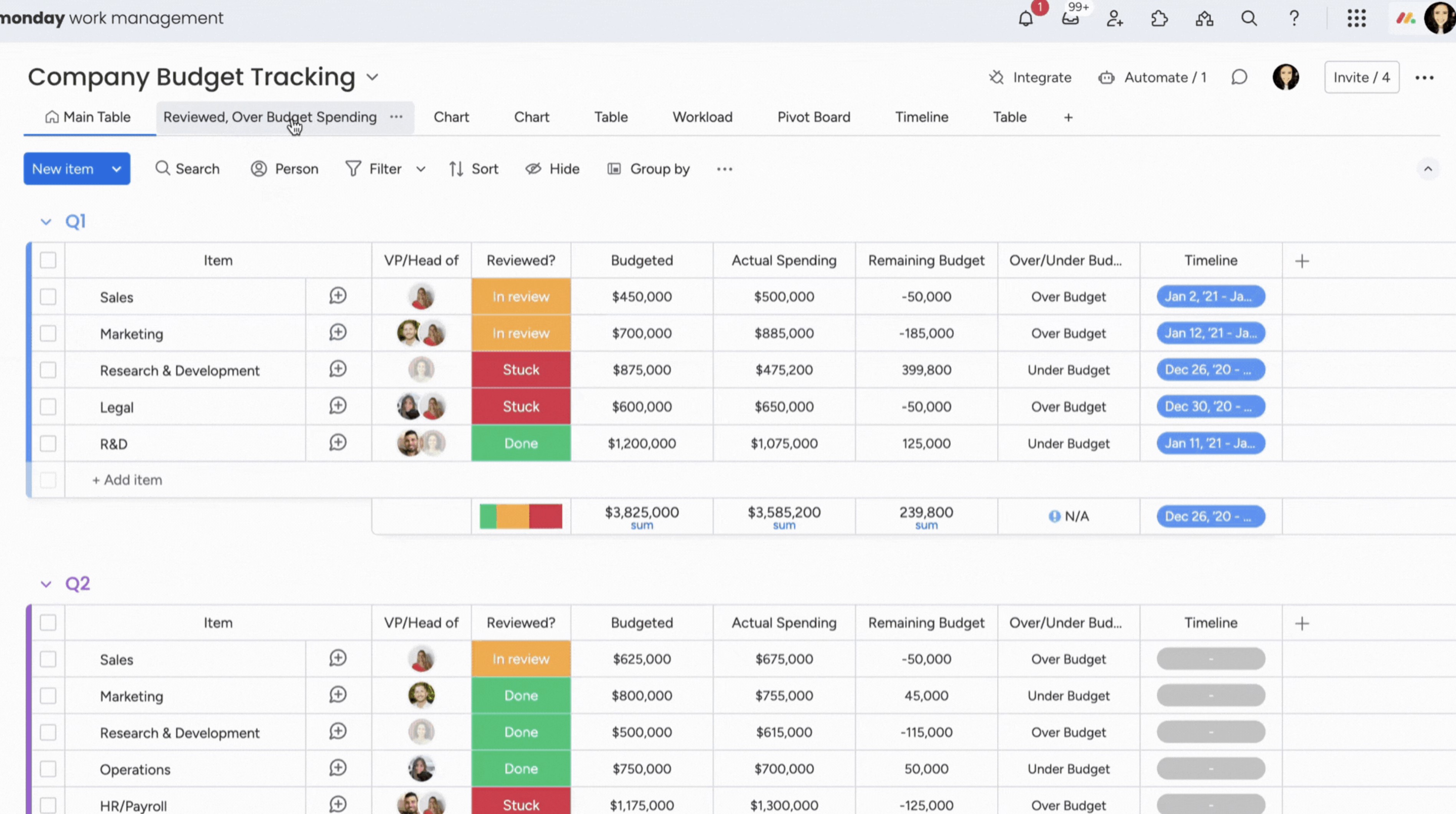
monday.com — Best for Custom Operations Workflows
monday.com is a flexible work-management platform that can support project planning, CRM activity, marketing campaigns, HR processes and operational workflows.
Best for: Operations teams and businesses with varied internal processes.
Key strength: Custom boards, dashboards and automations can be adapted for many different use cases.
One limitation: Costs and setup complexity can increase as teams add more advanced workflows.
Free plan or trial: Free plan for limited use; trial available for paid features.
Mobile: iOS and Android.
Ideal for: Businesses that need more structure than a basic task list but do not want to build a custom system from scratch.
8. Microsoft To Do — Best for Microsoft Users Who Need Simple Lists
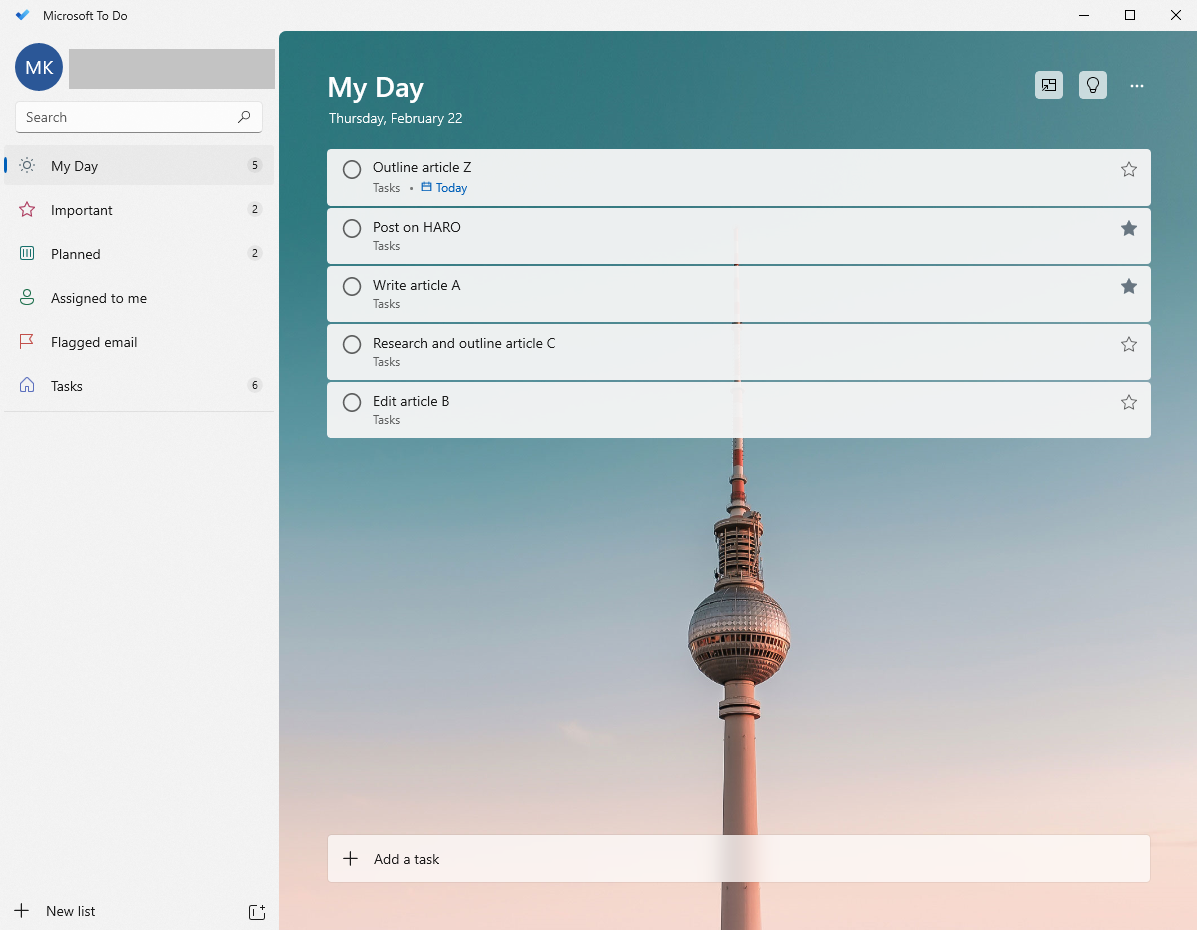
Microsoft To Do — Best for Microsoft Users Who Need Simple Lists
Microsoft To Do is a lightweight task app that works particularly well for people already using Outlook and Microsoft 365.
Best for: Personal work planning and simple shared lists.
Key strength: Easy integration with Microsoft tools, including Outlook tasks and flagged emails.
One limitation: It does not offer the advanced project-planning features found in Asana, ClickUp or monday.com.
Free plan or trial: Free.
Mobile: iOS and Android.
Ideal for: Microsoft 365 users who need a simple way to organise personal priorities.
For Documents, Notes and Shared Knowledge:
9. Notion — Best for Flexible Team Workspaces
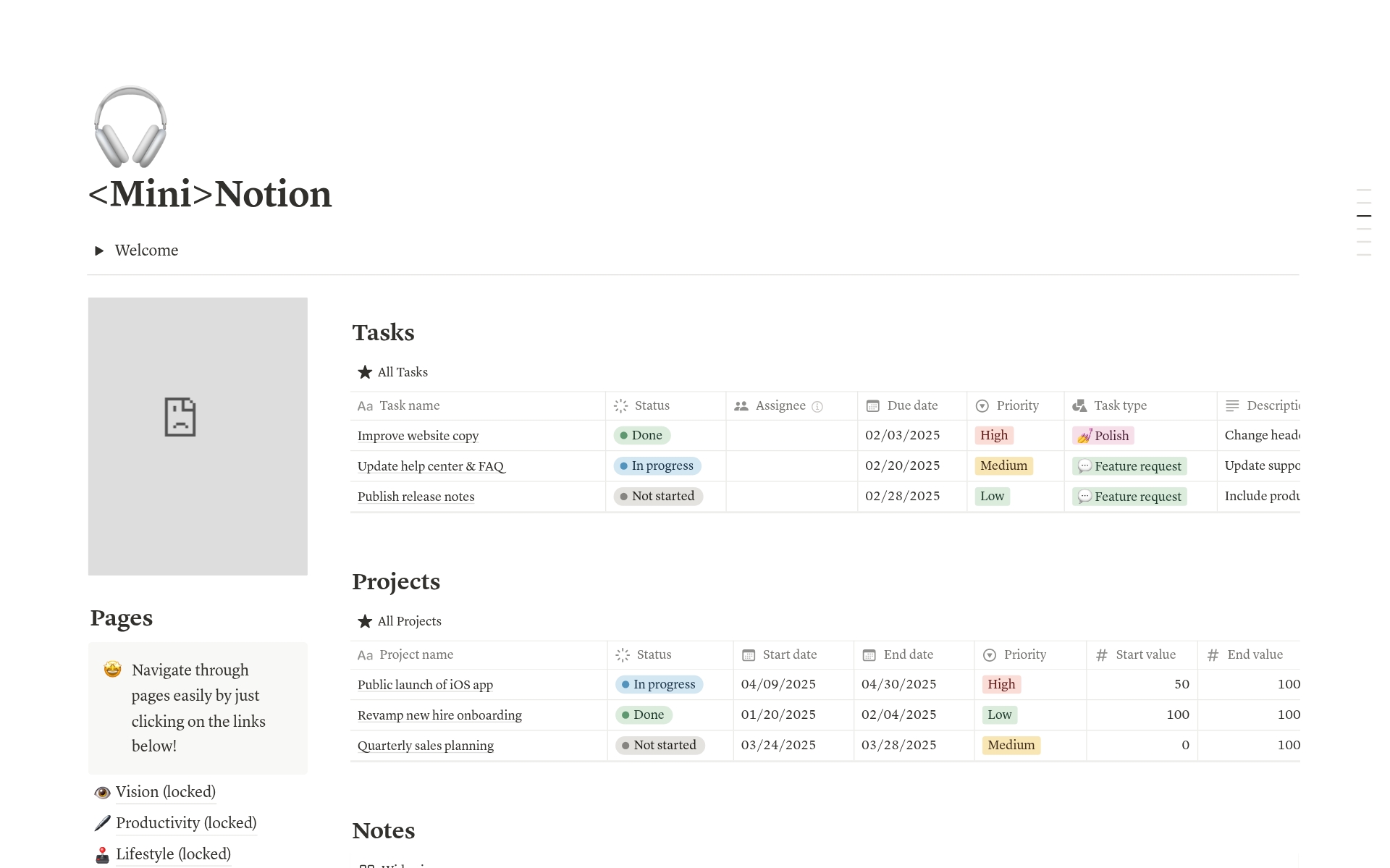
Notion — Best for Flexible Team Workspaces
Notion combines notes, documents, databases, project pages and lightweight task management in one flexible workspace.
Best for: Knowledge-heavy teams that want to build custom pages and internal resources.
Key strength: Extremely flexible structure for creating team wikis, meeting notes, project hubs and databases.
One limitation: Without clear ownership, workspaces can become messy and difficult for employees to navigate.
Free plan or trial: Free plan available; paid plans add more collaboration and administration features.
Mobile: iOS and Android.
Ideal for: Startups, creative teams and businesses that need a flexible internal knowledge space.
10. Google Workspace — Best for Real-Time Document Collaboration
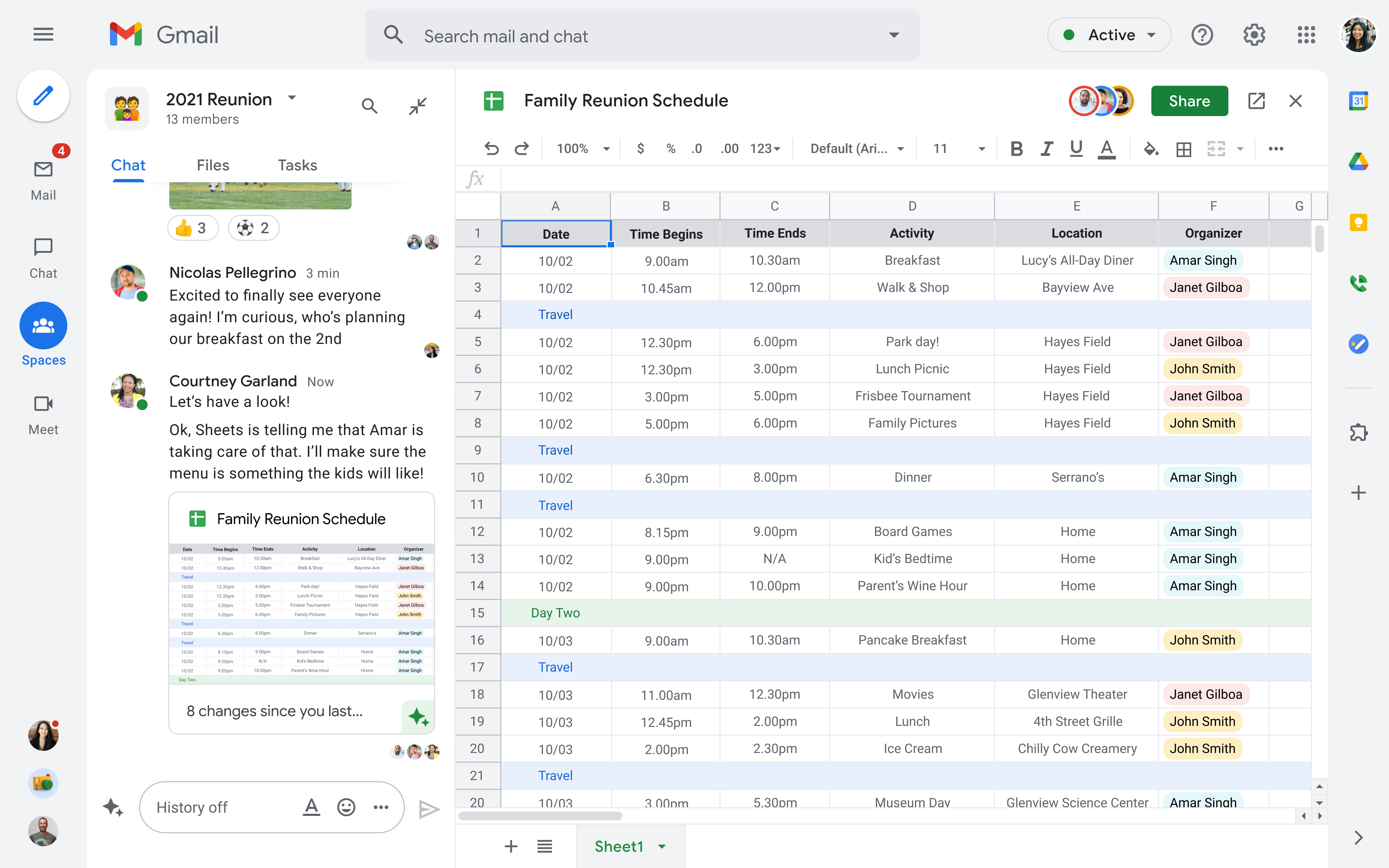
Google Workspace — Best for Real-Time Document Collaboration
Google Workspace brings Gmail, Google Drive, Docs, Sheets, Slides, Meet and Calendar together for real-time collaboration.
Best for: Teams that need to create, edit and share documents quickly.
Key strength: Multiple employees can work in the same document at the same time, with comments, version history and simple sharing controls.
One limitation: Organisations can end up with cluttered shared drives and duplicated files without a clear document-management structure.
Free plan or trial: Consumer Google tools are free; business plans are paid and usually offer a trial.
Mobile: iOS and Android.
Ideal for: Google-based businesses that depend on shared documents and fast collaboration.
For Communication and Async Updates:
11. Slack — Best for Fast Team Messaging

Slack — Best for Fast Team Messaging
Slack is a popular messaging platform that helps teams organise conversations into channels for departments, projects and topics.
Best for: Desk-based teams that need fast, informal communication.
Key strength: Quick messaging, strong integrations and channels that keep conversations grouped by topic.
One limitation: Important decisions and files can get buried in busy channels if teams do not set clear communication rules.
Free plan or trial: Free plan available; paid plans provide fuller message history, security and administration features.
Mobile: iOS and Android.
Ideal for: Technology, marketing and remote teams that rely heavily on quick communication.
12. Loom — Best for Async Video Updates
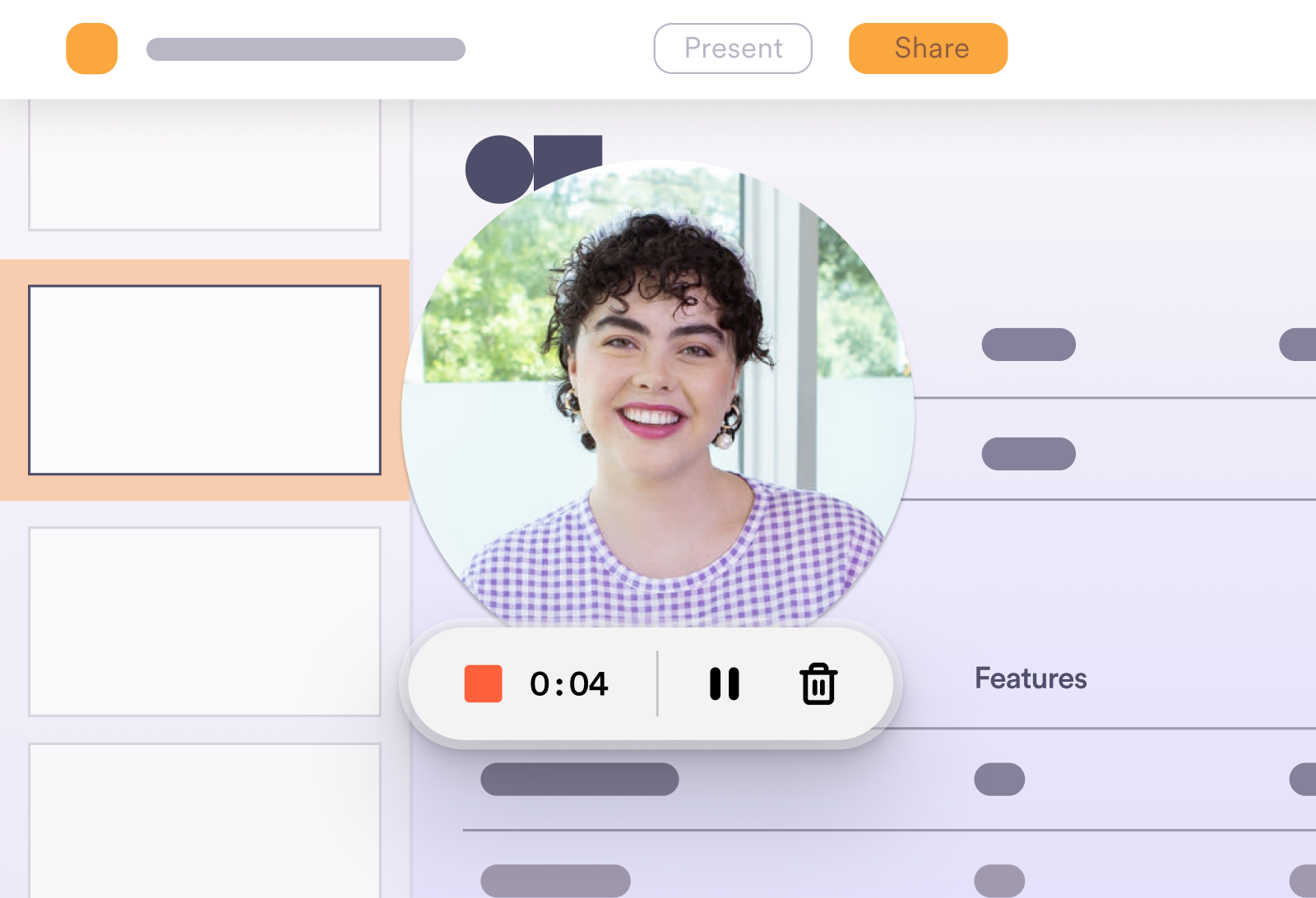
Loom — Best for Async Video Updates
Loom allows employees to record and share quick video messages, screen recordings and walkthroughs without arranging another meeting.
Best for: Distributed teams, training and product demonstrations.
Key strength: Makes it easier to explain a process or provide feedback visually, without long email threads or meetings.
One limitation: Videos still need to be organised and stored properly, or important information can become hard to find later.
Free plan or trial: Free plan available; paid plans include additional recording, storage and business features.
Mobile: iOS and Android.
Ideal for: Teams that want to reduce unnecessary meetings and explain work more clearly.
For Scheduling, Focus and Time Awareness:
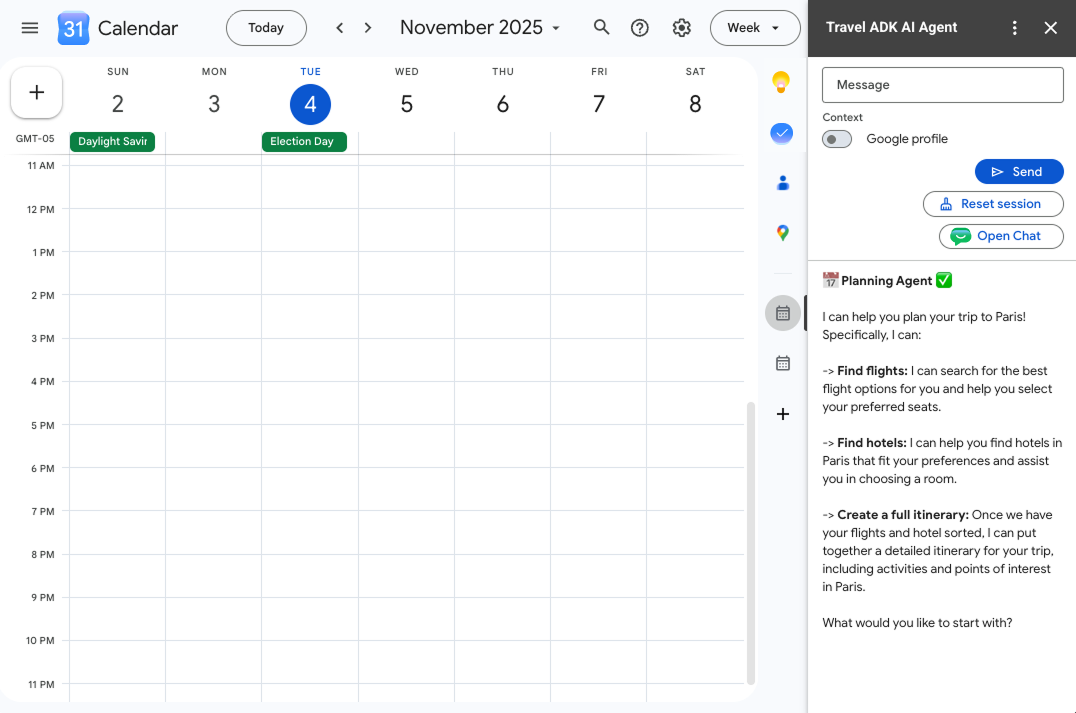
13. Google Calendar — Best for Shared Scheduling
Google Calendar — Best for Shared Scheduling
Google Calendar is a simple and reliable choice for managing appointments, meetings, availability and shared team calendars.
Best for: Individuals and teams that need better visibility of schedules.
Key strength: Easy calendar sharing and broad integration with other workplace tools.
One limitation: It does not manage tasks or projects in enough detail to replace a dedicated planning tool.
Free plan or trial: Free with a Google account; included in Google Workspace plans.
Mobile: iOS and Android.
Ideal for: Teams that need a dependable shared scheduling tool.
14. Motion — Best for AI-Assisted Daily Planning
Motion — Best for AI-Assisted Daily Planning
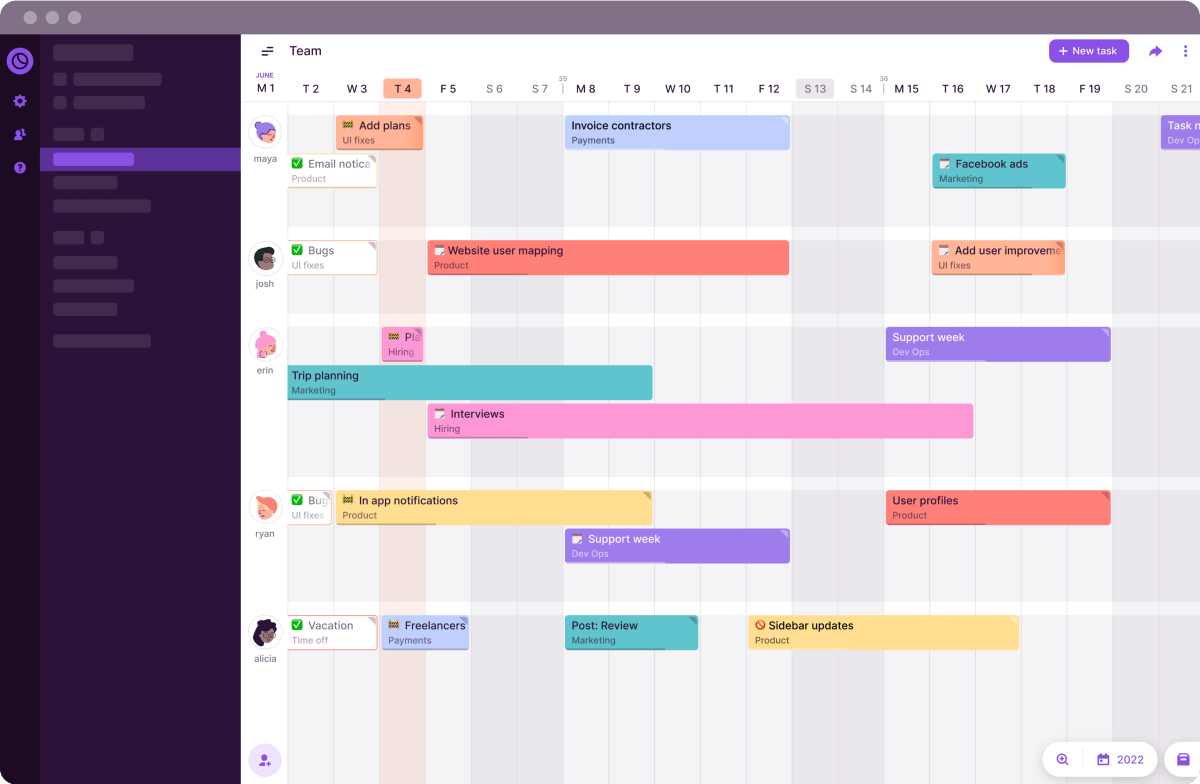
Motion uses AI to arrange tasks, deadlines and meetings into a daily calendar plan. It is designed to help users protect time for focused work.
Best for: Busy professionals who struggle to plan their day realistically.
Key strength: Automatically adjusts task schedules when priorities, meetings or deadlines change.
One limitation: It may feel too structured for people who prefer complete control over their calendar.
Free plan or trial: Trial available.
Mobile: iOS and Android.
Ideal for: Managers, founders and professionals with meeting-heavy schedules.
15. Reclaim — Best for Flexible Calendar Management
Reclaim — Best for Flexible Calendar Management
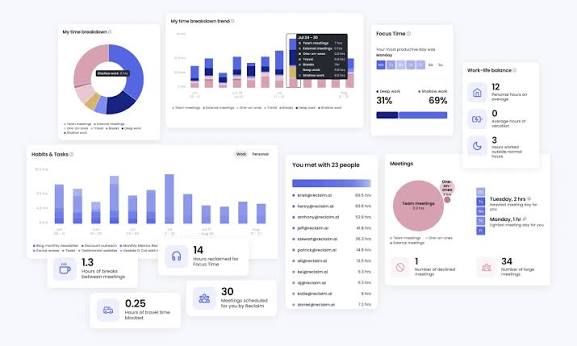
Reclaim is an AI scheduling tool that automatically finds time for tasks, habits, breaks and priorities around existing meetings.
Best for: Employees whose calendars change regularly.
Key strength: Protects time for important work and automatically reschedules it when conflicts arise.
One limitation: Its main value depends on teams being comfortable with AI managing parts of their calendar.
Free plan or trial: Free plan available; paid plans include more advanced scheduling features.
Mobile: Web-based access, with calendar support on mobile devices.
Ideal for: Calendar-heavy teams that want to protect focus time.
16. Toggl Track — Best for Time Tracking Without Micromanagement
Toggl Track — Best for Time Tracking Without Micromanagement
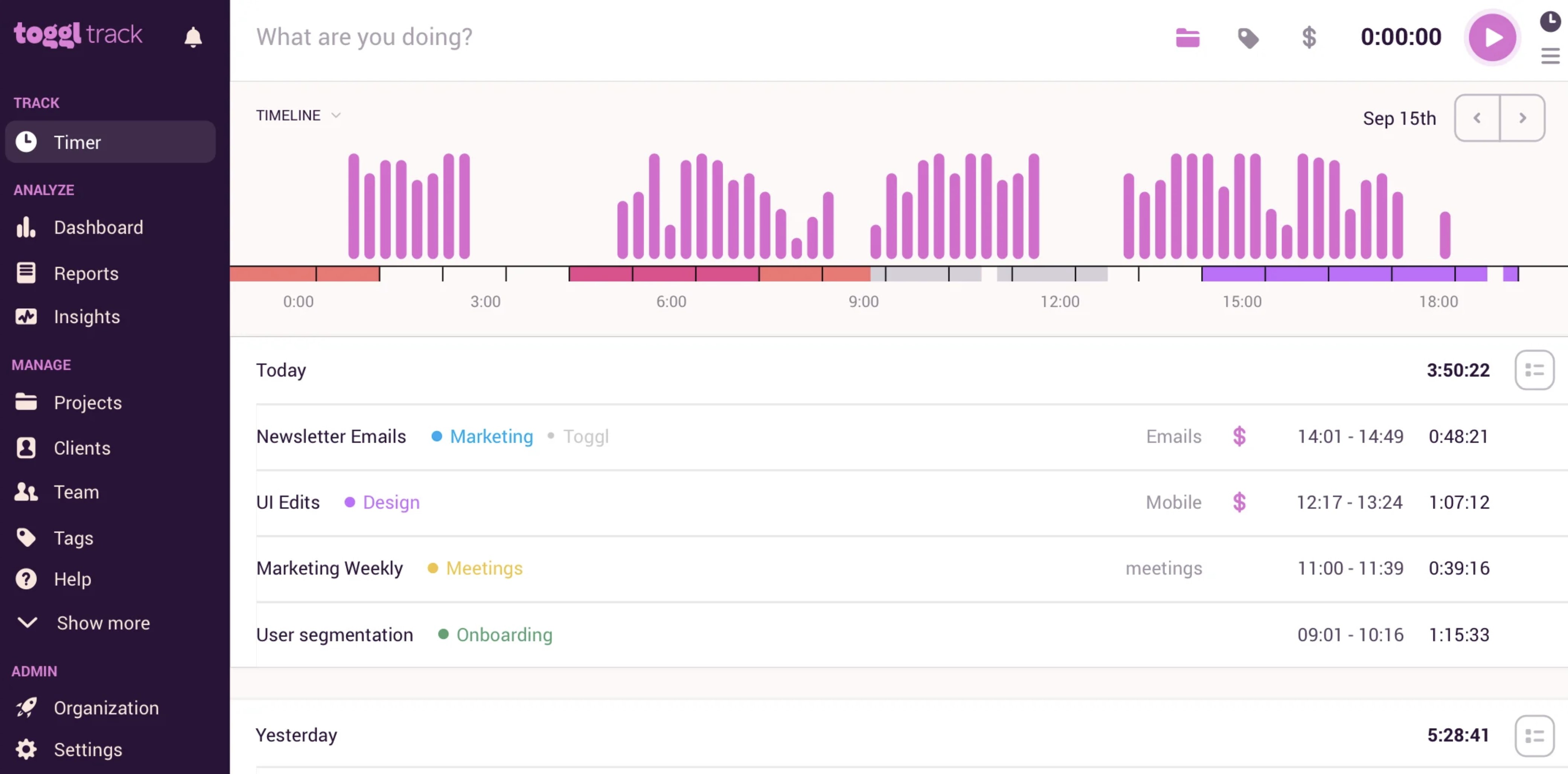
Toggl Track helps employees and teams understand where time is going through simple time tracking, reports and project-based records.
Best for: Agencies, consultants and teams that bill by the hour.
Key strength: Clear reporting on time spent across projects, clients and activities.
One limitation: Time tracking only works when employees build it into their daily routine.
Free plan or trial: Free plan available; paid plans include more detailed reporting and team features.
Mobile: iOS and Android.
Ideal for: Service-based businesses that need accurate time and project data.
17. RescueTime — Best for Building Better Focus Habits
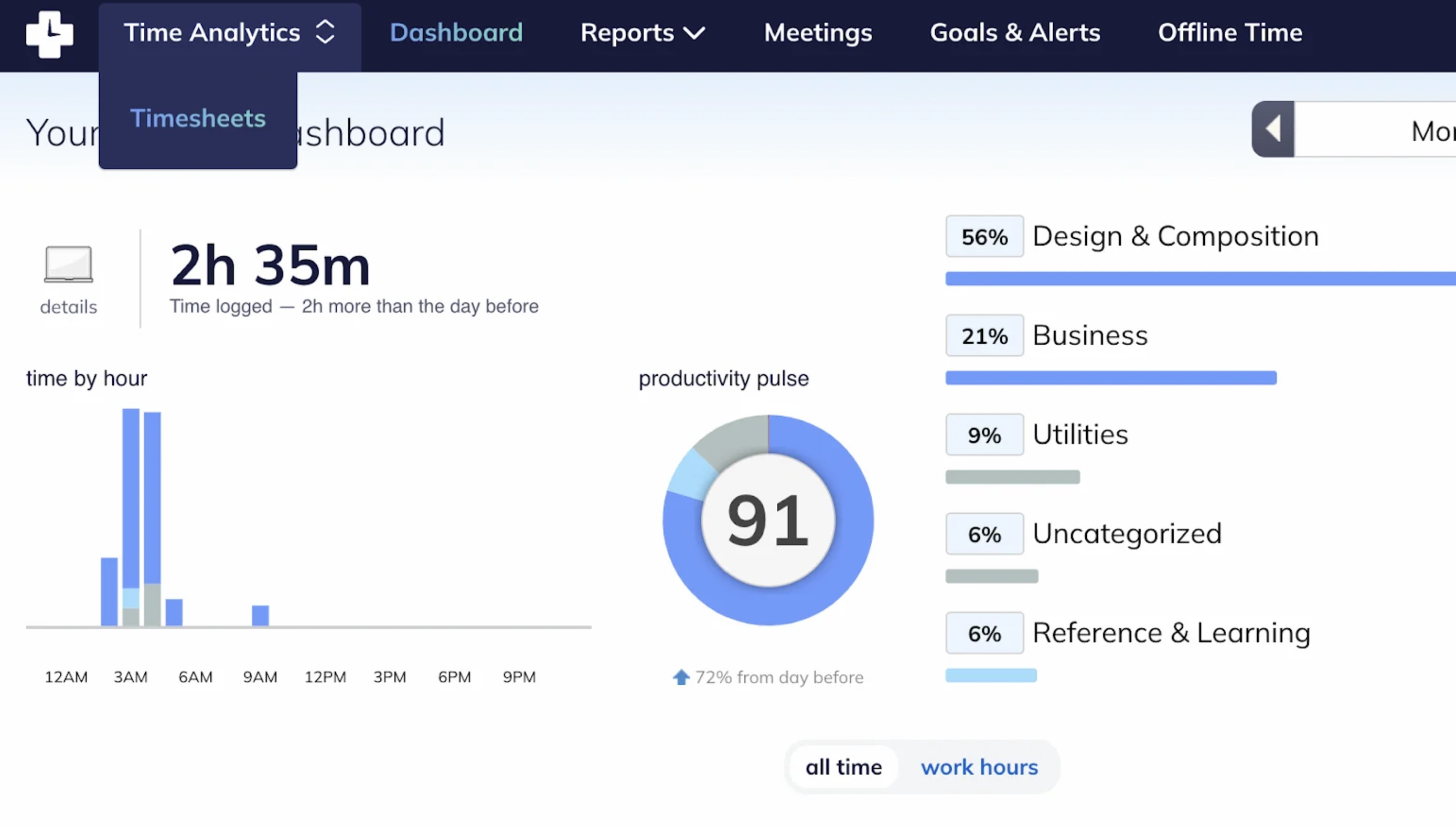
RescueTime — Best for Building Better Focus Habits
RescueTime tracks digital activity to help users understand how they spend time on devices and where distractions may be affecting focus.
Best for: Individuals looking to improve personal time awareness.
Key strength: Gives a clearer picture of time spent on productive and distracting activities.
One limitation: It is more useful for personal reflection than for managing shared team work.
Free plan or trial: Limited free access or trial options may be available, depending on the plan.
Mobile: iOS and Android.
Ideal for: Professionals who want data to improve their own focus habits.
18. Forest — Best for Focus Sessions
Forest is a focus app that uses a simple gamified approach: users plant a virtual tree when they start a focus session, and it grows while they stay away from distractions.
Best for: Students and individuals who want a more engaging way to focus.
Key strength: Makes focused work feel more intentional and rewarding.
One limitation: It is a personal focus tool, not a full productivity platform for teams.
Free plan or trial: Availability varies by platform.
Mobile: iOS and Android.
Ideal for: Students and individuals who want help staying off distracting apps.
For Automating Repetitive Work and Securing Access:
19. Zapier — Best for Workflow Automation
Zapier connects different apps and automates repetitive steps between them. For example, it can create a task when a form is submitted or send a notification when a new lead enters a CRM.
Best for: Businesses using several cloud apps that need to reduce manual admin.
Key strength: Helps teams connect tools and automate routine handoffs without needing to write code.
One limitation: Workflows need careful setup and monitoring, especially when they involve customer or employee data.
Free plan or trial: Free plan available; paid plans support more advanced and multi-step automations.
Mobile: Web-based.
Ideal for: Operations, marketing and sales teams with repetitive cross-platform processes.
20. 1Password — Best for Secure Access Management
1Password is a password-management platform that helps teams store, share and protect login credentials without relying on insecure spreadsheets, shared notes or reused passwords.
Best for: Businesses that need a safer way to manage employee access to tools and accounts.
Key strength: Secure password sharing, password generation and centralised access controls.
One limitation: It is a security tool rather than a task or project-management platform, so it supports productivity indirectly.
Free plan or trial: Trial available; business plans are paid.
Mobile: iOS and Android.
Ideal for: Any business that wants to reduce password-related risk while making approved tools easier for employees to access.
Free, Student and Mobile Picks—What Changes?
Not everyone needs a large, all-in-one workplace platform. Students may need a simple way to track deadlines, while individuals may only want a free task list and calendar.
Businesses, on the other hand, need to think about security, employee access, integrations and whether the tool will still work as the team grows.
Here is how the best productivity apps change depending on your needs.
Best Free Productivity Apps
The best productivity apps free of charge can be more than enough for personal organisation, simple projects and smaller teams.
However, free plans often have limits on users, storage, automation, reporting, message history or administration controls.
Good free options include:
- Google Calendar for managing personal schedules, meetings and shared calendars.
- Microsoft To Do for straightforward daily task lists, reminders and Outlook-connected tasks.
- Todoist for personal tasks, recurring reminders and lightweight project organisation.
- Trello for simple visual boards, checklists and shared workflows.
- Google Docs, Sheets and Drive for creating, storing and collaborating on documents.
These tools work well when the need is clear and limited. Before using a free productivity app for an entire business, check the current plan restrictions carefully.
A free tool may save money at first but create more work later if employees need to move information between apps or work around missing controls.
Best Productivity Apps for Students
The best productivity apps for students should be easy to use, affordable and available on both a laptop and mobile device.
Students usually need help managing assignments, class schedules, notes and focused study time rather than complicated project workflows.
Strong choices include:
- Todoist for assignment deadlines, recurring study tasks and simple priorities.
- Notion for organising lecture notes, research, revision plans and personal databases.
- Google Calendar for class timetables, study blocks and exam reminders.
- Forest for focused study sessions with fewer phone distractions.
- Microsoft OneNote for structured notes, ideas and handwritten content.
The best productivity apps for students free of charge will usually cover the basics. Start with one task app, one calendar and one note-taking tool before adding more.
Best Productivity Apps for Android and iPhone
When choosing the best productivity apps for Android or the best productivity apps for iPhone, do not focus only on your preferred device.
The more important question is whether the app works consistently wherever employees or students need it.
A tool that looks great on an iPhone but is difficult to use on Android, desktop or the web can create unnecessary friction.
Cross-platform access matters most for remote teams, frontline workers and anyone who moves between devices during the day.
| Need | Android and iPhone pick | Why it works |
| Tasks | Todoist | Consistent task capture, reminders and priorities across devices |
| Team communication | AgilityPortal or Microsoft Teams | Gives employees shared access to workplace updates, messages and resources |
| Calendar | Google Calendar | Simple shared scheduling and reliable mobile access |
| Project work | Trello or Asana | Makes tasks, owners and progress easier to see on smaller screens |
| Focus | Forest | Encourages intentional focus sessions and fewer distractions |
The best mobile productivity app is the one people will actually open and use when they are away from their desk.
For organisations, that means testing the mobile experience with employees before committing to a wider rollout.
Before Adding Another App, Ask These Five Questions
It is easy to see a new app, hear that another business is using it and assume it will solve a productivity problem.
But software only helps when it removes friction from a real part of the workday.
Before introducing another tool, ask these five questions:
- What employee problem are we fixing? Be specific. Are deadlines being missed, are people struggling to find policies, or are updates getting lost between teams? If the answer is vague, the app is unlikely to deliver a clear return.
- Will it replace a tool, or become one more destination? A new productivity app should ideally consolidate work or connect with the tools employees already use. If it adds another login, notification stream and place to search, it may make work harder.
- Does it work properly for frontline, mobile and remote employees? Test the mobile experience before rollout. Employees who work shifts, travel, visit customers or do not have regular desk access should not be left behind by desktop-first software.
- Who owns access, content, security and training? Someone needs to manage user permissions, keep information current and show employees how the tool should be used. Without ownership, productivity platforms can become cluttered very quickly.
- How will we know it made work easier? Set measures before launch. This could include fewer support questions, less time spent searching for information, higher task completion, faster approvals or better employee feedback.
The goal is not to build the biggest software stack. It is to create a smaller, clearer set of tools that employees can trust.
Here's Where Workplace Productivity Gets Complicated
A productivity app can look impressive in a demo and still create problems once it reaches hundreds of employees.
The biggest risks usually come from poor adoption, unclear ownership and too many disconnected tools—not the technology itself.
Here are a few issues businesses need to watch for:
- Information becomes duplicated or outdated. Employees may find several versions of the same policy, process or document and have no idea which one to trust.
- Sensitive information is placed in unapproved AI tools. Without clear guidance, employees may paste customer, employee or business data into tools that have not been approved by IT, Legal or Security.
- Visible activity is mistaken for meaningful output. A high number of messages, logged hours or completed tasks does not always mean employees are delivering valuable work.
- Too many notifications damage focus. Constant chat alerts, reminders and updates can make it harder for people to complete focused work.
- Frontline employees are excluded. A platform that only works well on a desktop may leave shift workers, field teams and non-desk employees without timely information.
- Subscription costs rise without a clear return. Small monthly costs can become expensive when several departments buy overlapping apps.
The rise of AI makes this even more important.
Microsoft's 2026 Work Trend Index analysed anonymised productivity signals and surveyed 20,000 workers using AI across 10 countries.
The research shows how quickly workplace technology and employee expectations are changing. Microsoft 2026 Work Trend Index
The practical response is simple: give employees approved tools, clear guidance and a reliable place to find the information they need. Productivity should make work feel more manageable, not more monitored or confusing.
Who Should Own the Productivity Stack?
No single department should choose and manage every workplace tool alone.
IT may understand integrations and security, while HR understands employee experience and Operations sees where work is getting delayed.
The strongest approach is shared ownership, with each role responsible for a different part of the employee productivity experience.
| Role | Responsibility | Why it matters |
| CIO or IT Director | Reviews technology fit, integrations, system access and the long-term app lifecycle | Prevents fragmented systems and duplicate software |
| CISO | Sets security controls, approved-use rules and access requirements | Protects employee, customer and business data |
| HR Director or Chief People Officer | Assesses employee experience, accessibility, adoption and training needs | Tools must support how people actually work |
| Internal Communications Lead | Owns content governance, announcements and information findability | Stops important updates from getting lost or becoming outdated |
| Operations Leader | Maps workflows, identifies bottlenecks and measures practical results | Connects software decisions to real business outcomes |
| Data Protection Officer or Legal Team | Reviews privacy, data processing and compliance implications | Especially important when AI tools handle personal or sensitive data |
| Department Managers | Encourage good habits, gather feedback and coach employees locally | Adoption happens through everyday use, not software rollout emails |
When these teams work together, businesses are far more likely to choose productivity software that is useful, secure and sustainable.
A Practical Rollout Checklist for Productivity Software
Choosing the best productivity apps for work is only the first step.
The real value comes from rolling them out in a way that makes everyday work easier for employees, rather than giving them another app to learn.
Use this checklist when introducing new productivity software for employees, whether you are adding a task-management tool, employee communication app, AI productivity tool or a complete digital workplace platform.
- Map the work problem before evaluating software. Start with the issue employees are experiencing. For example, are teams missing deadlines, struggling to find documents, duplicating work or relying on too many communication channels? The best productivity apps for businesses solve a clear problem.
- Audit the apps employees already use. Identify approved tools, unofficial workarounds and overlapping subscriptions. This helps uncover shadow IT and shows where you can simplify your workplace technology stack.
- Create a short list based on integration, mobile access and governance. Look beyond features. The best productivity apps for remote teams and frontline employees need reliable mobile access, while IT teams need security controls, permissions and integration with existing systems.
- Test with a mixed pilot group. Include desk-based employees, frontline workers, remote staff, managers and new starters. A tool that works well for one department may not work as well for employees with different devices, responsibilities or work locations.
- Define the source of truth for each type of work. Make it clear where tasks, documents, policy updates, project discussions and company announcements should live. This is essential if you want to reduce information searching and duplicate content.
- Configure SSO, user roles, retention and permissions before a wider rollout. Secure setup should happen before employees start using the platform. Give people access to the information they need while protecting sensitive employee, customer and business data.
- Publish clear acceptable-use guidance, especially for generative AI. If employees use AI productivity apps, explain what information can and cannot be entered into them. Include rules for checking AI-generated content and escalating anything that appears inaccurate or sensitive.
- Train employees through real workplace scenarios, not feature tours. Show people how the app helps them complete everyday work: finding a policy, sharing an update, assigning a task, requesting approval or locating a colleague. Practical training drives adoption more effectively than a long list of features.
- Track meaningful measures after launch. Monitor search success, time taken to find information, employee adoption, task completion, support requests and feedback. These are more useful than simply measuring logins or messages sent.
- Remove or consolidate redundant tools where possible. A new platform should reduce unnecessary app switching. If two tools now perform the same job, consider whether one can be retired to lower costs and reduce employee confusion.
- Review usage, security and employee feedback every quarter. Workplace needs change, and so do app features and risks. Regular reviews help you improve adoption, identify outdated content and make sure your productivity stack is still supporting the business.
The best productivity apps for employees are not the ones with the longest feature list. They are the tools that help people plan, communicate, find information and complete work with less friction.
Related Productivity, Digital Workplace and Employee Communication Guides
Choosing the best productivity apps is only one part of helping employees work more effectively. These AgilityPortal guides explore employee communication, digital workplace technology, workflow automation and the practical ways businesses can reduce app switching, improve collaboration and make important information easier to find.
- Best Team Communication App for 2025: Features for Retail Operations
- 10 Best Employee Communication Platforms: Buyer's Guide to Choosing the Best One
- Employee Communication Software: The Complete Buyer's Guide for Modern Workplaces
- 15 Digital Workplace Best Practices to Improve Employee Productivity and Collaboration
- Digital Workplace vs Intranet: What’s the Difference? And the Best Digital Workspace Solutions
- 8 Best AI Workflow Automation Tools for Teams in 2026
- Digital Workplace: What Do You Need to Do for It to Be Beneficial for Your Business?
Together, these guides support a stronger topic cluster around productivity apps, employee productivity tools, digital workplace software, workflow automation, employee communication and connected work.
The Future Is Not More Apps—It Is Better-Connected Work
The next generation of productivity apps will not be defined by how many features they add.
It will be defined by how well they connect work, reduce repetitive admin and give employees the right information at the right time.
For years, workplace software has been growing in every direction.
Teams adopted one app for chat, another for project management, another for documents, another for meetings and another for automation.
That can work for a while, but it also creates more logins, more notifications and more places for important information to get lost.
The future of productivity is about making those tools work together more intelligently.
New productivity features are already moving in this direction, including:
- AI meeting summaries that capture key points, decisions and action items after a call.
- Smart task suggestions that turn messages, notes or form submissions into tasks.
- AI-assisted scheduling that protects focus time and rearranges lower-priority work around meetings.
- Workplace search that helps employees find policies, documents, people and answers across connected systems.
- Workflow automation that routes approvals, sends reminders and updates records without manual copying and pasting.
- AI agents that can support routine work, such as preparing summaries, answering common questions or gathering information from approved sources.
- Personalised employee updates that help people see the announcements, tasks and resources most relevant to their role.
AI will play a bigger role in how employees use the best productivity apps, but it should not become another disconnected tool that creates more risk. Its real value comes from helping people spend less time on low-value administration and more time making decisions, solving problems and supporting customers or colleagues.
For example, an AI assistant could summarise a long project discussion, highlight the actions assigned to each person and suggest the next step. A manager can then review the summary, correct anything that is wrong and make the final decision. That is a more useful use of AI than simply generating more content or more notifications.
Businesses also need to be careful. AI productivity tools can only provide reliable answers when they have access to accurate, current and properly governed information. If policies, documents and updates are outdated or scattered across several systems, AI may repeat the wrong answer more quickly.
Microsoft's research into AI-enabled work reflects this shift. Its 2026 Work Trend Index examined anonymised productivity signals and surveyed 20,000 workers using AI across 10 countries, highlighting how AI and agents are reshaping the way organisations think about work.
The opportunity is clear: use AI, automation and connected workplace technology to remove unnecessary friction. But keep people responsible for judgement, protect sensitive information and give employees one reliable place to find the knowledge they need.
The most productive organisations will not be those with the most apps. They will be the ones where technology makes work simpler, clearer and easier for people to do well.
Common Problems Businesses Face Without a Workplace Operations Platform
Productivity apps are supposed to save time.
But if they are poorly chosen, badly set up or simply added on top of an already crowded tech stack, they can create more work than they remove.
Here are the most common problems businesses and employees run into with productivity apps in 2026.
Too Many Apps and Too Much App Switching
A team might use one app for chat, another for tasks, another for documents, another for meetings and another for employee updates. Individually, each tool may be useful.
Together, they can make it harder to know where work actually lives.
Employees then waste time switching between tabs, checking different notification feeds and trying to remember which app holds the latest information.
Important Information Gets Lost
Tasks are often assigned in chat, project updates are sent by email and policies sit in shared folders that nobody checks.
This creates a frustrating situation where the information exists, but employees cannot find it when they need it.
The best productivity apps for work should make important knowledge, updates and actions easier to find—not bury them in more channels.
Notification Overload Damages Focus
Every new productivity tool comes with alerts, reminders, mentions and notifications. When everything is marked as urgent, employees can lose the uninterrupted time needed for thoughtful work.
Businesses need clear rules around notifications.
For example, use chat for quick questions, use a project tool for task updates and use a central employee platform for company-wide news and policies.
Features Are More Complex Than Employees Need
Many apps now include AI assistants, dashboards, automations, templates, time tracking and dozens of integrations.
These can be valuable, but not every employee needs every feature.
A tool that is too complicated can lead to poor adoption.
Employees may go back to email, spreadsheets or personal messaging apps because they are quicker and more familiar.
Free Plans Can Create Limits Later
The best productivity apps free plans can be ideal for testing a tool or supporting individual users.
However, businesses can run into limits around storage, message history, security controls, automation, reporting, user roles and integrations.
Before rolling out a free tool across a team, check what happens when the business grows. Moving data and employees to another platform later can be more difficult than expected.
AI Features Can Create New Risks
AI productivity apps can summarise meetings, create tasks, write updates and help employees find answers.
But AI is only as useful as the information it can access.
If policies are outdated, documents are scattered or employees enter sensitive information into unapproved tools, AI can spread mistakes faster.
Businesses need clear AI-use guidance, approved tools and human review for important decisions.
Mobile Employees Are Often Overlooked
A productivity platform might work well on a desktop but be frustrating on a phone.
This is a major issue for frontline workers, field teams, retail staff and employees who work across several locations.
The best productivity apps for Android and iPhone should let employees complete key actions easily, such as reading updates, finding a policy, completing a task, submitting a form or contacting a colleague.
No One Owns the Tool
Without clear ownership, content becomes outdated, permissions are not reviewed and employees do not know where to ask for help. IT, HR,
Internal Communications and Operations all have a role to play in keeping workplace productivity tools useful and secure.
The answer is not to avoid productivity apps altogether. It is to choose fewer tools, give each one a clear purpose and make sure employees understand how they fit into the day-to-day flow of work.
How Productivity Apps Improve Employee Experience
A good productivity app does more than help people finish tasks faster. It can make the workday feel less frustrating, more organised and easier to manage.
When employees can quickly find the information they need, understand their priorities and communicate with the right people, they spend less time chasing updates or working out what is expected of them.
That has a direct effect on how they experience work.
Here are a few ways productivity apps can improve employee experience.
- They give employees more clarity. Clear tasks, deadlines, ownership and project updates reduce uncertainty. Employees do not have to guess what needs to happen next or chase several people for an answer.
- They make information easier to find. A central place for policies, documents, company news, training and team resources means employees can find answers themselves instead of waiting for someone to reply to an email or chat message.
- They reduce repetitive admin. Workflow automation, reminders, forms and approval processes can remove manual follow-ups, duplicate data entry and routine admin that employees find time-consuming.
- They support flexible ways of working. The best productivity apps for work should work across desktop and mobile devices. This gives remote, frontline and hybrid employees access to the same important information, wherever they are.
- They make collaboration smoother. Shared tasks, comments, project updates and team spaces help employees work together without relying on long email chains or unnecessary meetings.
- They give employees a stronger voice. Communication platforms with feedback tools, polls, forms and discussion spaces make it easier for employees to ask questions, share ideas and raise issues.
- They help new starters settle in faster. New employees can access onboarding checklists, company information, training materials and key contacts in one place instead of feeling overwhelmed by several separate systems.
- They reduce the feeling of being out of the loop. This is especially important for deskless and frontline employees. Mobile access to news, updates, tasks and resources helps everyone feel connected to the wider organisation.
The key is not to use productivity software as a way to push people to do more in less time. It should remove unnecessary friction and give employees the support, information and confidence to do their work well.
Final Verdict: Choose Fewer Tools That People Can Trust
The best productivity apps should make the workday feel clearer, not busier. If a tool gives employees another inbox, another login and another place to search for information, it is probably adding to the problem rather than solving it.
The better approach is to choose a small group of connected tools around the work your people actually need to do.
Start with the biggest friction points—missed tasks, scattered documents, too many meetings or employees struggling to find basic answers—and choose software that genuinely helps.
If your organisation needs one place for employee communication, knowledge, tasks and everyday work, AgilityPortal is the strongest option. If you want a simple, reliable way to manage personal tasks and small team workloads, Todoist is hard to beat.
And if your business already runs on Microsoft 365, Microsoft Teams is a practical choice for chat, meetings and file collaboration.
You do not need all 20 apps on this list. In fact, most businesses will be better off with fewer tools that work well together and are easy for employees to understand.
The real productivity win is not asking employees to work faster inside more software.
It is giving them a clearer path to the information, people and decisions they need to do good work.
Frequently Asked Questions About Productivity Apps
What are the best productivity apps in 2026?
The best productivity apps in 2026 depend on what you need to improve.
AgilityPortal is a strong choice for employee communication, shared knowledge and everyday work, while Todoist works well for tasks and Microsoft Teams suits businesses already using Microsoft 365.
The right app should solve a clear problem without adding more unnecessary tools.
What are the best productivity apps free of charge?
Some of the best productivity apps free options include Todoist, Microsoft To Do, Google Calendar, Trello and Google Docs.
Free plans are useful for individuals, students and small teams, but businesses should check limits around storage, security, reporting, integrations and user administration before rolling them out widely.
Which are the best productivity apps for work?
The best productivity apps for work help employees plan tasks, communicate clearly, find information and reduce repetitive admin.
AgilityPortal, Microsoft Teams, Asana, Google Workspace and Zapier can all be useful, depending on whether your main challenge is communication, project management, documents or workflow automation.
What are the best productivity apps for students?
The best productivity apps for students are usually simple, affordable and easy to use across a laptop and phone.
Todoist is useful for deadlines and study tasks, Notion works well for notes and planning, Google Calendar helps with timetables, and Forest can support focused study sessions.
What are the best productivity apps for students free to use?
Students can start with free versions of Todoist, Notion, Google Calendar, Microsoft OneNote and Trello. The best productivity apps for students free plans should cover task lists, assignment reminders, notes and study schedules without requiring a complicated setup.
What are the best productivity apps for Android?
The best productivity apps for Android should work reliably on mobile as well as desktop.
Todoist, Google Calendar, Microsoft Teams, Trello, Asana and AgilityPortal all offer Android access, making them useful for people who need to manage work or study while away from a desk.
What are the best productivity apps for iPhone?
The best productivity apps iPhone users can consider include Todoist for tasks, Google Calendar for scheduling, Notion for notes, Forest for focus and Microsoft Teams or AgilityPortal for workplace communication.
The most important thing is choosing an app that also works well on any other devices you use.
Is Todoist better than Microsoft To Do?
Todoist is usually better for people who want more flexibility, such as recurring tasks, priorities, labels, filters and shared projects. Microsoft To
Do is a good choice for simpler task lists, especially for people already using Outlook and Microsoft 365.
Neither is automatically better; it depends on how much structure you need.
Is Notion really a productivity app?
Yes.
Notion can be used for notes, documents, team wikis, project pages, task lists and internal knowledge hubs.
It is especially useful for teams that want to create a flexible workspace, although it needs good structure and ownership to avoid becoming cluttered.
How many productivity apps should a business use?
There is no fixed number, but most businesses should aim for a small, connected set of tools rather than a large collection of apps that overlap.
One platform for communication and knowledge, one for specialist project work and a few well-integrated supporting tools is often enough.
Are AI productivity apps safe for work?
AI productivity apps can be useful, but they need clear rules.
Employees should know which tools are approved, what information they can enter and when a person needs to check AI-generated content.
Never assume an AI-generated answer is correct, especially when it relates to customers, employees, legal matters or sensitive business information.
How can employers measure productivity without intrusive monitoring?
Focus on outcomes rather than surveillance.
Businesses can measure task completion, turnaround times, search success, customer satisfaction, quality of work, project progress and employee feedback.
Monitoring every click or message can damage trust without showing whether meaningful work is being completed.
Why do people search for best productivity apps Reddit recommendations?
People often search best productivity apps Reddit discussions because they want honest experiences from everyday users, not only polished product marketing.
These discussions can be useful for spotting common frustrations, but they should not be the only basis for a business decision. Check security, pricing, support, mobile access and integrations yourself.
Where can I find the best apps for productivity tips?
The best apps for productivity tips are often the ones that help you build better habits rather than simply adding more features.
Look for tools with useful reminders, calendar planning, task prioritisation, focus sessions and simple reporting.
Start with one or two tools and review whether they are genuinely helping after a few weeks.
AI Summary
- The best productivity apps help employees plan work, communicate clearly, find information and reduce repetitive admin without creating another disconnected tool to manage.
- Productivity is often lost because tasks, documents, company updates and decisions are spread across too many apps, emails and chat channels.
- AgilityPortal, Todoist and Microsoft Teams are the three strongest choices for different needs: connected employee work, focused task management and Microsoft 365 collaboration.
- Free productivity apps can be useful for individuals and students, but businesses should assess security, mobile access, integrations, permissions and administration before a wider rollout.
- AI productivity features such as meeting summaries, smart scheduling, workplace search and workflow automation can save time, but they need accurate information, clear governance and human review.
- The best approach is usually a smaller, connected productivity stack that gives employees a reliable path to the tasks, knowledge, people and decisions they need to do good work.
Most Popular Posts

Effective communication among team members is vital for the productivity and success of any organization. Surprisingly, 60% of companies lack a long-term internal communication strategy, which p...


Businesses thrive on communication for efficiency, productivity and accomplishment. When the right information is passed from the right designation in the organization, it promotes positivity an...

Categories
Blog
(3154)
Business Management
(392)
Employee Engagement
(233)
Digital Transformation
(211)
Growth
(149)
Intranets
(139)
Internal communications
(106)
Remote Work
(67)
Sales
(53)
Collaboration
(50)
Customer Experience
(32)
Culture
(30)
Knowledge Management
(29)
Project management
(29)
Leadership
(20)
Comparisons
(9)
News
(1)

Related Posts

The best productivity apps do not simply give employees another dashboard, notification stream or AI button to click. They make it easier to find information, understand priorities and complete work without switching between disconnected tools. That ...

How can remote workers stay connected and productive when tasks, updates, schedules and important information are spread across different teams and tools? Remote work is not always easy. It depends on strong coordination between teams, clear communic...

Are your employees still losing time switching between email, personal messaging apps and disconnected workplace tools just to get a quick answer? The right enterprise instant messaging software gives growing and distributed organisations a secure, g...

How do you keep every employee informed when some work at a desk, others work remotely, and many are on shifts, in the field or serving customers? The best team communication tools solve this problem by giving people a simple, reliable way to r...

Employee engagement surveys give people a chance to say what is working, what is getting in the way and where leadership needs to pay closer attention. But taking action on engagement survey results is the part that determines whether employees...

Jill Romford
I am a digital nomad, lover of exploring new places and making friends.
I love to travel and I love the internet. I take pictures of my travels and share them on the internet using Instagram.
Traveler, entrepreneur, and community builder. I share my insights on digital marketing and social media while inspiring you to live your fullest life.
Ready to learn more? 👍
One platform to optimize, manage and track all of your teams. Your new digital workplace is a click away. 🚀
Free for 14 days, no credit card required.