Insight Blog
Agility’s perspectives on transforming the employee's experience throughout remote transformation using connected enterprise tools.
33 minutes reading time
(6568 words)
Featured
Intranet as a Service: The Future of Workplaces Reviewed in 2026

Intranet as a Service: The Future of Workplaces Reviewed in 2026
Intranet as a Service helps companies launch secure digital workplaces without complex infrastructure or IT overhead.
Intranet as a Service: The Future of Workplaces Reviewed in 2026

Are employees struggling to find the information they need inside your company systems?
Many organizations eventually reach a point where their intranet becomes more of a burden than a solution.
Updates take too long, content becomes scattered across different tools, and IT teams spend too much time maintaining infrastructure instead of focusing on strategic work.
What started as a simple internal website often grows into a complicated system that is difficult to manage and even harder for employees to use effectively.
This challenge is one reason many businesses are now moving toward Intranet as a Service, a cloud-based approach that removes the need to manage servers, upgrades, and complex integrations internally.
28%
of the workweek
According to McKinsey, employees can spend up to 28% of their workweek searching for information across disconnected systems, highlighting how inefficient internal tools become when systems are fragmented.
Source: McKinsey Global Institute
Instead of running a traditional intranet platform behind the scenes, companies can access a fully managed environment designed to support communication, collaboration, and knowledge sharing from a single platform.
The need for better digital workplaces is growing quickly.
According to McKinsey, employees can spend up to 28% of their workweek searching for information across disconnected systems, highlighting how inefficient internal tools can become when systems are fragmented.
In this guide, we'll explore how modern intranet platforms help organizations simplify internal communication, improve knowledge sharing, and create a more connected workplace experience.
Key Takeaways
- Intranet as a Service simplifies internal communication by centralizing content, tools, and knowledge in one cloud-based platform.
- Traditional intranets often fail due to poor usability, high maintenance, and disconnected systems that reduce productivity.
- Modern intranet platforms improve employee engagement through better user experience, mobile access, and social collaboration features.
- Organizations can reduce IT overhead as infrastructure, updates, and security are managed by the platform provider.
- Successful intranet adoption depends on ease of use, integrations, scalability, and alignment with how employees actually work.
What Is Intranet as a Service?
Have you ever wondered why so many companies struggle to keep their internal communication systems organized and easy to manage?
So you might be asking what is intranet and extranet?
Well many organizations start with basic internal tools like an off the shelf intranet, hoping it will quickly solve their communication and knowledge-sharing challenges.
These platforms are designed to be ready to deploy with minimal setup, giving businesses a faster way to launch a staff intranet site without building a system from scratch.
For growing companies that need a simple starting point, this approach can be appealing because it reduces development time and allows teams to begin sharing documents, company updates, and internal resources almost immediately.
Over time, however, many organizations realize that a basic staff intranet portal may not fully support the needs of a modern workplace.
As teams grow, workflows become more complex, and employees begin working across different locations, businesses often need more flexibility than traditional systems can provide.
This is where platforms built as off the shelf intranet solutions come into play, offering pre-configured tools that combine communication, collaboration, and content management in one environment.
Unlike older internal systems that require extensive customization or internal hosting, modern intranet platforms are typically delivered through cloud infrastructure and maintained by the provider.
This means organizations can access their intranet from anywhere, while updates, security improvements, and platform enhancements are handled automatically in the background.
In simple terms, these solutions give businesses a ready-to-use foundation for internal communication while reducing the complexity of managing a traditional intranet system.
23%
employees engaged
According to Gallup, only 23% of employees are actively engaged at work globally, highlighting a major gap in how organizations communicate, connect, and support their workforce.
Source: Gallup State of the Global Workplace
Why More Organizations Are Turning to Intranet as a Service

Why More Organizations Are Turning to Intranet as a Service
If you've ever tried to launch or manage a traditional intranet, you'll know how quickly things can become complicated.
Servers need maintaining, updates take time, and new features often require additional development.
That's why many organizations are now shifting toward IaaS (Intranet as a Service) — because it removes much of that complexity.
Instead of building and maintaining everything internally, you simply use a platform that is already set up, maintained, and continuously improved by the provider.
This means your team can focus on using the intranet rather than managing it.
Here's why this approach is becoming increasingly popular.
- You can launch much faster - One of the biggest advantages is speed. Instead of waiting months for development and infrastructure setup, you can deploy an intranet within days or weeks. Built-in templates, ready-to-use features, and preconfigured integrations make the process far quicker.
- You reduce upfront costs - Traditional intranets often require significant investment in infrastructure, development, and maintenance. With IaaS, you move to a subscription model that spreads the cost over time, making budgeting far more predictable.
- Your platform can grow with your company - Whether your organization has 50 employees or 50,000, modern intranet platforms are designed to scale. As your company grows, the system continues to perform reliably without requiring major technical changes.
- You don't have to worry about updates - Keeping software up to date can be time-consuming and risky if done incorrectly. With IaaS, the provider manages updates, security patches, and feature improvements behind the scenes, ensuring you always run the latest version.
- Your teams can work from anywhere - Hybrid and remote work have become the norm for many organizations. Cloud-based intranet platforms allow employees to access company resources from any device, while integrating with tools such as Microsoft Teams, Zoom, and Slack.
- Security is built into the platform - Enterprise-grade security features are typically included as standard. Role-based permissions, encryption, and detailed audit trails help ensure that company information remains protected while meeting compliance requirements.
In simple terms, IaaS allows you to give your employees a modern intranet experience without the complexity of running and maintaining the system yourself.
Related Reading
Want to explore more about intranet platforms, digital workplaces, and employee communication tools? These guides will help you compare solutions, improve engagement, and build a more connected workplace.
- Best Intranet Software for Large Enterprises
- The Best Intranet for Frontline Workers
- Top Internal Communication Tools to Improve Employee Engagement
- Employee Communication Apps: A Complete Guide
- Internal Communication Tools for Modern Workplaces
- Best SharePoint Alternatives for Modern Digital Workplaces
- What Is a Digital Workplace Platform?
- Employee Engagement Tools That Actually Work
- Knowledge Management Systems: A Complete Guide
- AgilityPortal vs Slack: Which Platform Is Right for Your Team?
Why Traditional Intranets Are Failing

Why Traditional Intranets Are Failing
Have you ever opened your company intranet and still couldn't find what you were looking for?
You're not alone.
Many businesses invested in internal systems years ago hoping they would become the central hub for communication, documents, and company knowledge.
But over time, these systems often become difficult to manage and even harder for employees to use.
Instead of helping teams work better together, many corporate intranet platforms end up creating more friction in the workplace.
Let's look at some of the most common reasons traditional company intranet software struggles to keep up with modern work environments.
- Managing the infrastructure becomes a constant burden - Traditional intranets often require internal servers, manual updates, and ongoing technical maintenance. Your IT team ends up spending valuable time managing infrastructure instead of focusing on innovation or improving the digital workplace platform employees actually need.
- Employees simply stop using it - One of the biggest challenges with many employee intranet systems is adoption. If employees find the platform confusing, slow, or outdated, they quickly revert to email, chat apps, or shared drives to get work done.
- The user experience feels outdated - Many legacy intranet systems were built years ago and haven't evolved with modern workplace expectations. Compared to today's modern intranet software or collaboration tools, older systems often feel clunky and difficult to navigate.
- Publishing content takes too long - Updating company news, policies, or internal resources should be simple. However, with many older staff intranet platforms, publishing content often requires technical knowledge or developer support, slowing down internal communication.
- Information becomes scattered across tools - Instead of being the central hub for the organization, many intranets coexist with multiple other systems like document drives, messaging apps, and project management tools. This fragmentation weakens the purpose of the internal communication platform.
In fact, research from McKinsey Global Institute shows that employees can spend up to 28% of their workweek searching for information across disconnected systems. That's a huge productivity loss caused by poorly connected tools.
Older intranet systems require ongoing updates, patch management, and security monitoring.
Without constant attention, these systems can quickly become vulnerable or fall behind compliance requirements.
When you step back and look at these issues together, it becomes clear why many organizations are rethinking their approach to the enterprise intranet and exploring more flexible solutions that better support modern work.
Intranet as a Service vs Traditional Intranet
| Feature | Traditional Intranet | Intranet as a Service | Description |
| Deployment | Complex setup requiring servers, configuration, and internal development | Fast cloud deployment with preconfigured templates and features | Traditional intranets often take months to implement. Cloud-based platforms can typically be launched in days or weeks, accelerating time-to-value. |
| Maintenance | Managed internally by IT teams | Managed and maintained by the provider | Internal teams must handle infrastructure, updates, and monitoring. With service-based platforms, the vendor manages maintenance and platform reliability. |
| Updates | Manual upgrades and patch management | Continuous automatic updates | Older intranet systems require scheduled upgrades that may cause downtime. Service platforms deliver ongoing improvements without disrupting users. |
| Accessibility | Often restricted to internal networks or VPN access | Accessible from anywhere via web or mobile | Modern workforces require remote access. Cloud intranets support hybrid work environments and distributed teams. |
| Cost | High upfront infrastructure and development costs | Predictable subscription pricing | Traditional systems require servers, licensing, and development costs. Subscription-based intranets convert these expenses into manageable operational costs. |
| Employee Productivity | Information often scattered across systems | Centralized communication and knowledge hub | According to McKinsey, employees can spend up to 28% of their workweek searching for information, highlighting the productivity impact of disconnected systems. |
| Scalability | Difficult and costly to scale infrastructure | Designed to scale easily as the organization grows | Expanding a traditional intranet may require additional servers or redevelopment. Cloud platforms can support organizations from small teams to tens of thousands of employees. |
| Security & Compliance | Managed internally and dependent on IT resources | Built-in enterprise security and compliance tools | Modern platforms often include role-based access, encryption, and audit logs to support governance and compliance requirements. |
What You Should Expect from a Modern IaaS Platform
When you start exploring an IaaS platform, the goal isn't just to replace your current intranet — it's to give your organization a better way to communicate, collaborate, and manage internal knowledge.
The right platform should make daily work easier for employees while giving leaders the tools they need to keep the workplace connected.
So what should you actually expect from a modern solution?
- A dashboard that feels personal and easy to navigate - When employees log in, they should immediately see content that is relevant to them. A well-designed dashboard can display company updates, tasks, important documents, and department-specific information, helping employees quickly find what they need without digging through multiple pages.
- A centralized place for company knowledge and documents - One of the biggest advantages of a modern intranet platform is having a single location where teams can store policies, training materials, and shared resources. A searchable knowledge base and organized document libraries help reduce the time employees spend looking for information.
- Built-in social and communication features - Today's workplaces rely on more than static pages. Many platforms now include features such as company announcements, employee recognition walls, and discussion forums that allow teams to share updates, celebrate achievements, and collaborate more naturally.
- Automation for common internal processes - Modern platforms often include workflow automation that helps streamline everyday tasks. HR requests, IT support tickets, onboarding workflows, and internal approvals can all be managed through structured processes instead of endless email chains.
- Integration with the tools your teams already use - Your intranet should not operate in isolation. A strong platform integrates with business tools like Microsoft 365, Salesforce, or ServiceNow so employees can access multiple systems from one connected workplace environment.
- Insights that help you understand engagement - Finally, a modern intranet should provide reporting and analytics that show how employees are interacting with the platform. These insights help organizations measure adoption, identify popular content, and understand how effectively internal communication is reaching the workforce.
When these capabilities come together, the platform becomes much more than an internal website. It becomes the foundation for a connected digital workplace where information flows easily and employees stay informed, engaged, and productive.
Key Benefits of Intranet as a Service
If you're considering moving to a modern intranet model, you're probably looking for something that's easier to launch, simpler to manage, and actually useful for employees.
That's exactly where Intranet as a Service stands out.
Instead of building and maintaining everything internally, you gain access to a fully managed platform designed to support communication, collaboration, and knowledge sharing across your organization.
Here are some of the key benefits you can expect.
Its Quicker to Deploy
One of the biggest advantages of modern intranet platforms is how quickly they can be launched.
Traditional intranet projects often take months to plan, develop, and configure because infrastructure, integrations, and internal systems all need to be set up manually.
With a cloud-based platform, much of this work is already done.
For example:
- prebuilt intranet templates ready to deploy
- preconfigured integrations with workplace tools
- built-in modules for communication and document management
Instead of waiting for a long development cycle, organizations can launch a fully functional intranet in days or weeks.
This allows teams to start sharing information, publishing updates, and connecting employees much faster.
Lower IT Maintenance
Another common challenge with traditional intranet systems is the amount of technical maintenance they require.
Servers must be managed, updates installed, and security patches monitored regularly. Over time, this can place significant pressure on internal IT teams.
With a managed intranet platform, these responsibilities shift to the provider.
So this can be anything from:
- software updates are handled automatically
- security patches are applied without manual intervention
- infrastructure is monitored and maintained by the platform provider
This reduces operational overhead and allows IT teams to focus on more strategic initiatives instead of maintaining internal systems.
Improved Employee Communication
Another major benefit of modern intranet platforms is the ability to bring collaboration tools into one connected environment.
Instead of switching between multiple systems, employees can work together directly inside the intranet.
Your organisation can:
- document sharing and collaborative editing
- team discussions and activity feeds
- project collaboration and task updates
By consolidating these tools into a single platform, organizations reduce fragmentation and make it easier for teams to collaborate effectively.
Access for Remote and Frontline Workers
Workforces today are no longer limited to a single office location. Many employees work remotely, travel frequently, or operate in frontline roles.
A cloud-based intranet makes it easier for everyone to stay connected.
For example:
- employees can access the platform from any device
- mobile access allows frontline workers to stay informed
- remote teams can collaborate without needing office network access
This level of accessibility ensures that all employees, regardless of location, remain connected to company updates, resources, and collaboration tools.
Enhanced Employee Engagement
Many older intranet systems struggle with one major problem: employees simply stop using them.
Modern intranet platforms focus heavily on user experience, making the system feel more like the social platforms employees already use every day.
For example:
- interactive company news feeds
- employee recognition walls and shout-outs
- commenting and discussion features on posts
When employees can easily interact with content and participate in conversations, they are far more likely to return to the platform regularly.
Relief for Internal IT Teams
Many IT departments spend a surprising amount of time maintaining internal tools.
Servers must be monitored, updates installed, and security patches applied regularly. Over time, this maintenance work can consume valuable technical resources.
With a managed intranet platform, much of this responsibility moves to the provider.
For example:
- infrastructure is monitored and maintained externally
- security patches are applied automatically
- system upgrades happen without internal intervention
This frees internal IT teams to focus on strategic projects instead of platform maintenance.
7 Core Features Businesses Should Look For
When you start evaluating intranet platforms, it's easy to focus on design or pricing first.
But the real value of a modern intranet comes from the features that help your teams communicate, share knowledge, and get work done more efficiently.
So what should you actually look for when choosing a platform?
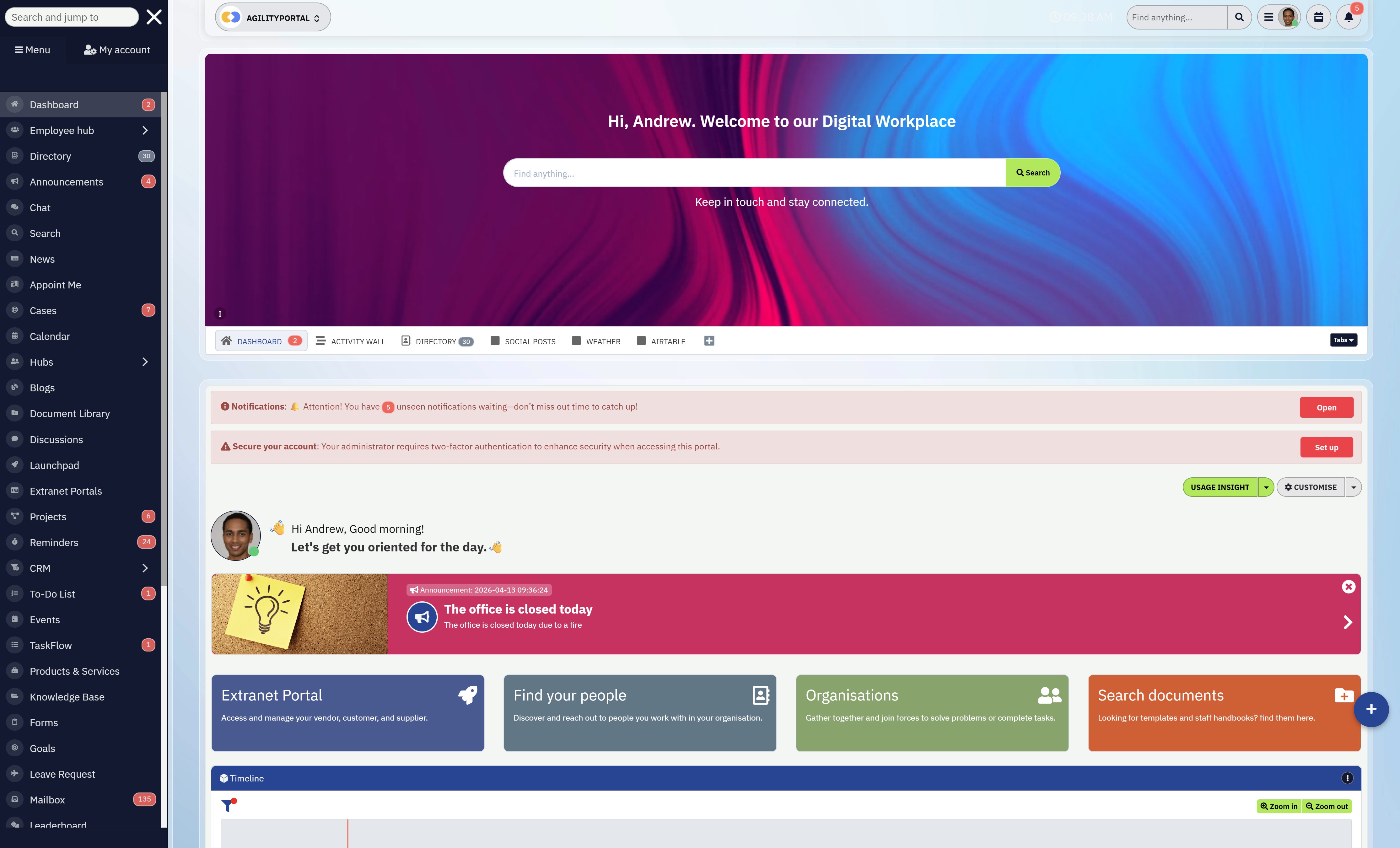
1. Employee Communication Tools
Employee Communication Tools
One of the main purposes of an intranet is to improve how information flows across your organization.
Employees should be able to quickly see company updates, leadership announcements, and team news without digging through emails or multiple systems.
This might include:
- company-wide announcements and news feeds
- department updates and leadership messages
- commenting and discussions on internal posts
When communication is centralized, employees stay informed and aligned with company priorities.
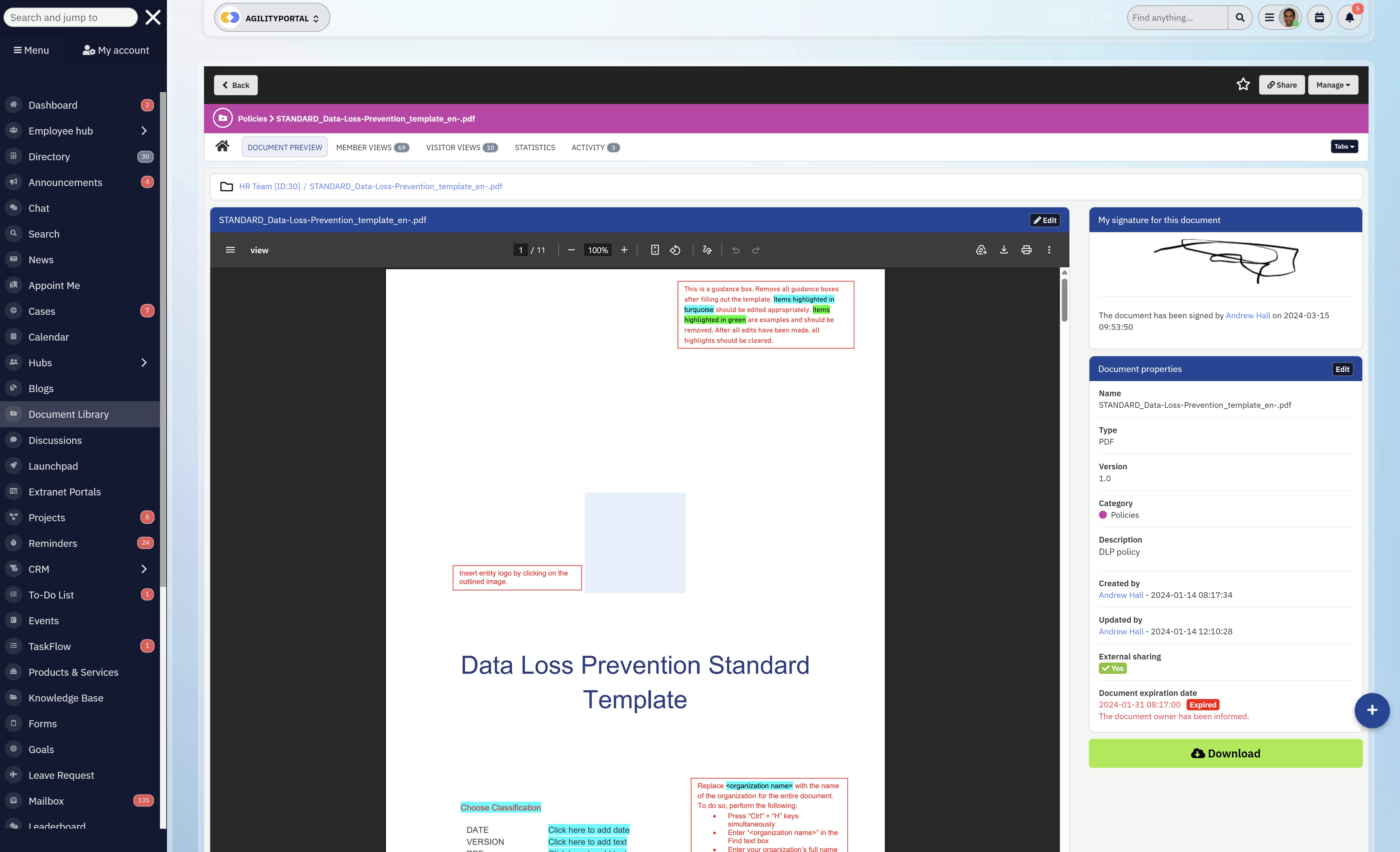
2. Centralized Document Management
Centralized Document Management
Another essential feature is having a single place where teams can store and access important documents.
Without a centralized system, files often become scattered across shared drives, email attachments, and different cloud tools.
Typical capabilities include:
- organized document libraries for teams and departments
- version control for policies and procedures
- secure access permissions for sensitive files
A well-structured document system helps employees find information quickly and reduces confusion around outdated files.
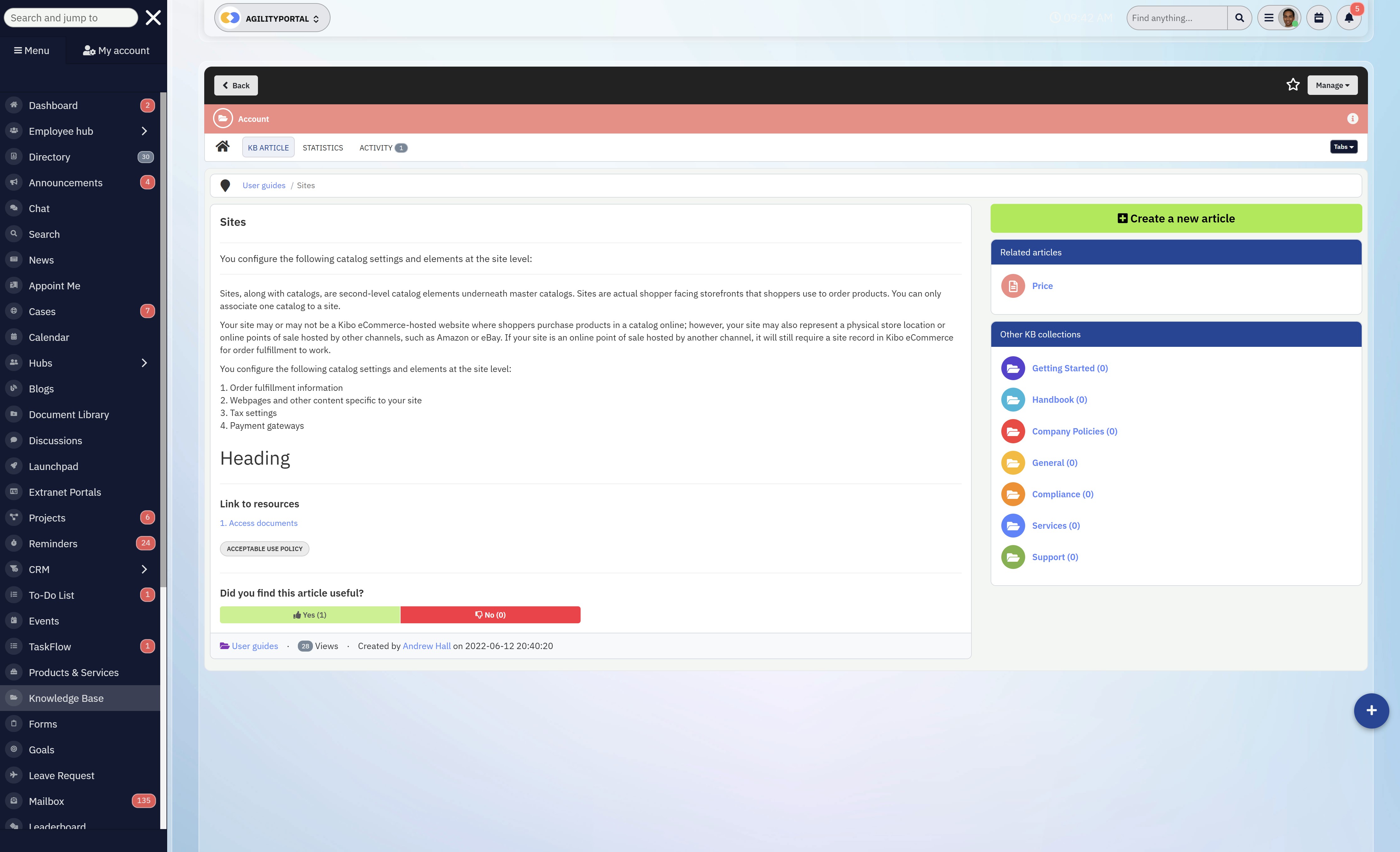
3. Knowledge Base or Internal Wiki
Knowledge Base or Internal Wiki
Many organizations struggle to preserve internal knowledge, especially as teams grow or employees change roles.
A built-in knowledge base allows companies to document processes, guides, and best practices in one accessible location.
This can take the form of:
- internal help guides and training materials
- process documentation for teams
- frequently asked questions and support articles
This helps employees solve problems faster and reduces the need to repeatedly answer the same questions.
4. Mobile Access for Frontline Employees
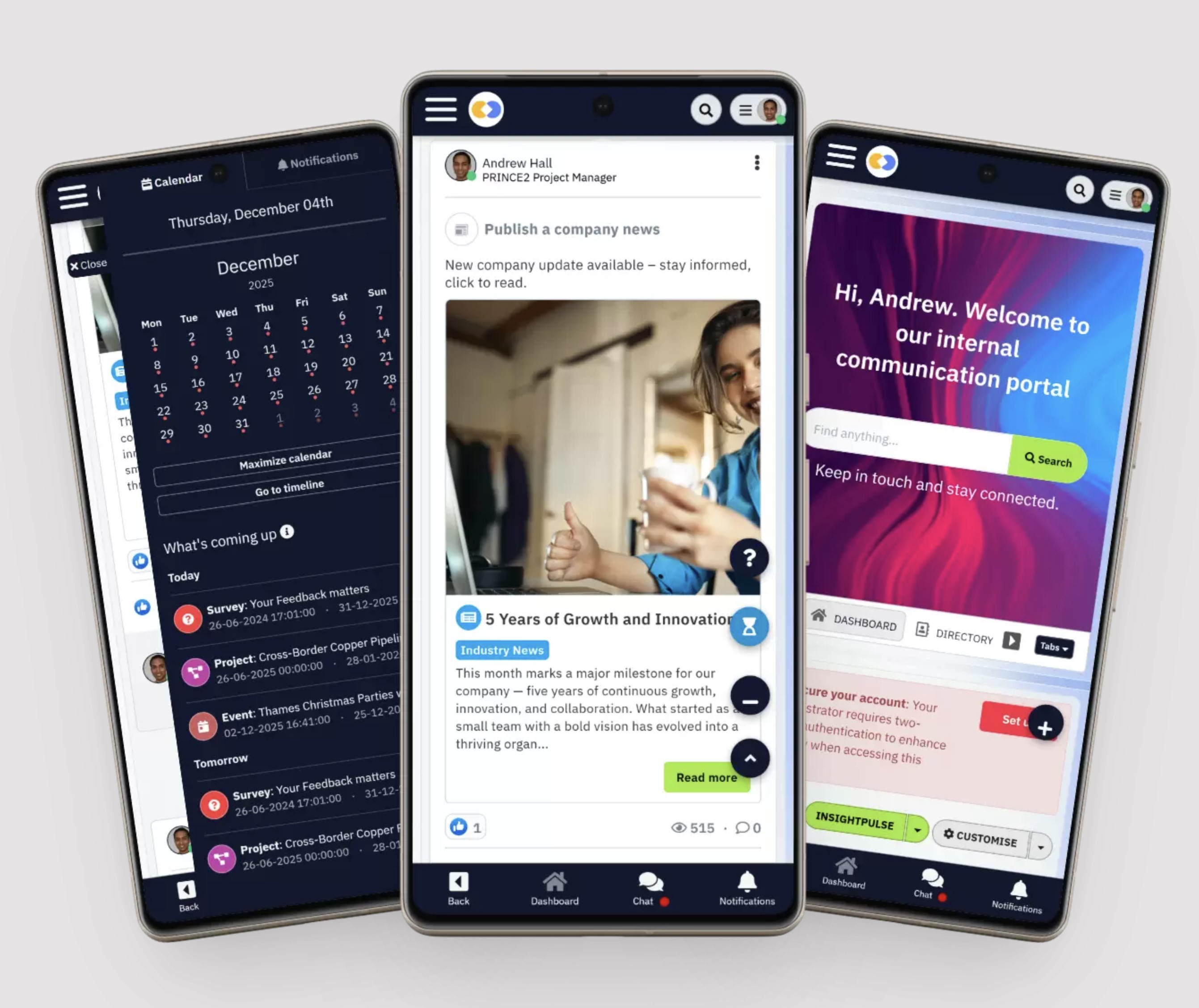
Mobile Access for Frontline Employees
Not every employee works behind a desk. Many teams operate in warehouses, retail environments, hospitals, or field roles.
A modern intranet should make it easy for these employees to stay connected.
Features often include:
- mobile-friendly access to company updates
- quick access to training materials on smartphones
- push notifications for important announcements
Mobile accessibility ensures that frontline employees remain informed and engaged with the organization.
5. Integrations With Workplace Tools
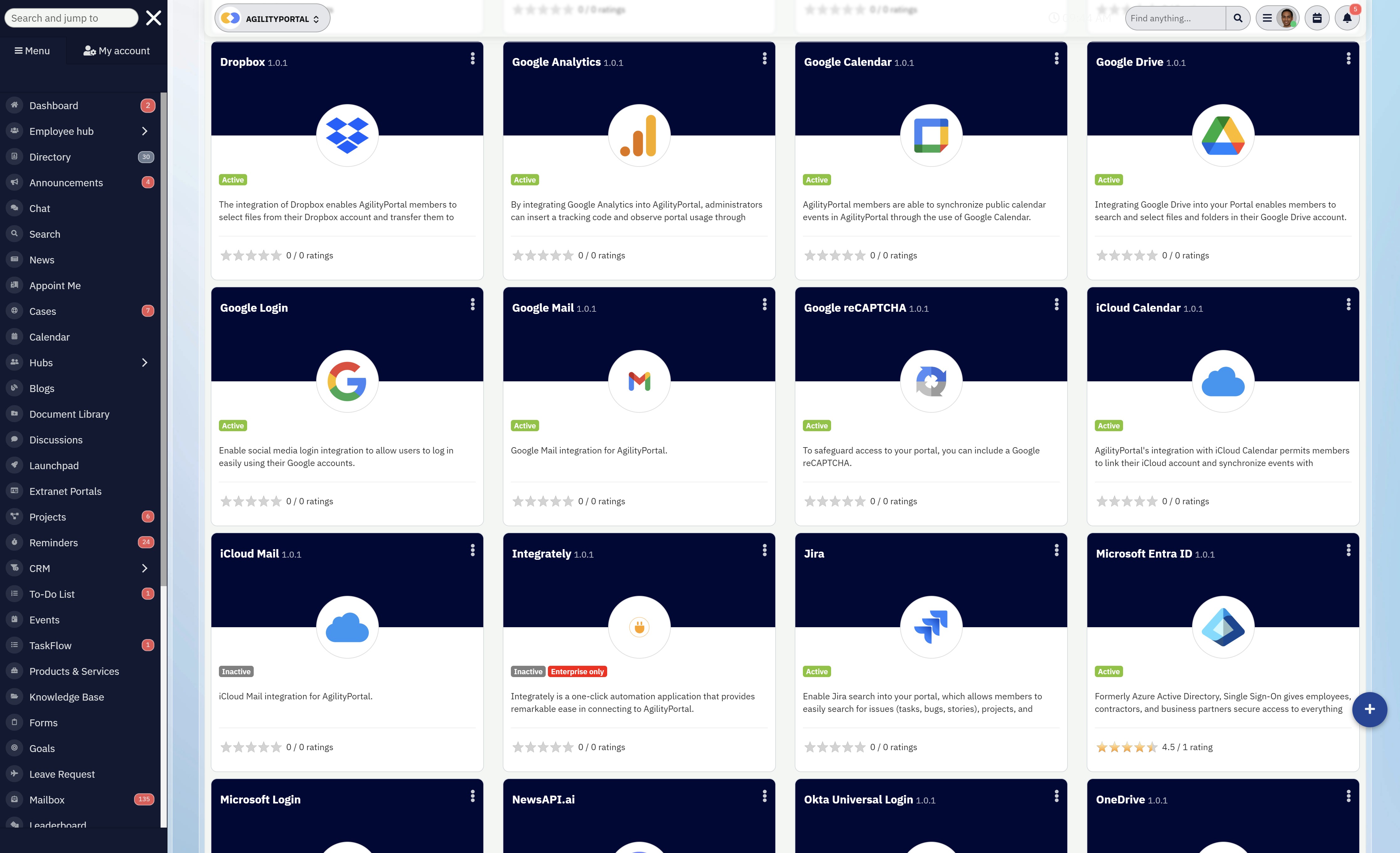
Integrations With Workplace Tools
Your intranet should not exist as a separate system. Instead, it should connect with the tools your teams already rely on every day.
Common integrations include:
- connections with Microsoft 365 or Google Workspace
- links to CRM and project management systems
- embedding collaboration tools like Teams or Slack
These integrations help create a more connected digital workplace where employees can access multiple systems from one platform.
6. Powerful Search Functionality
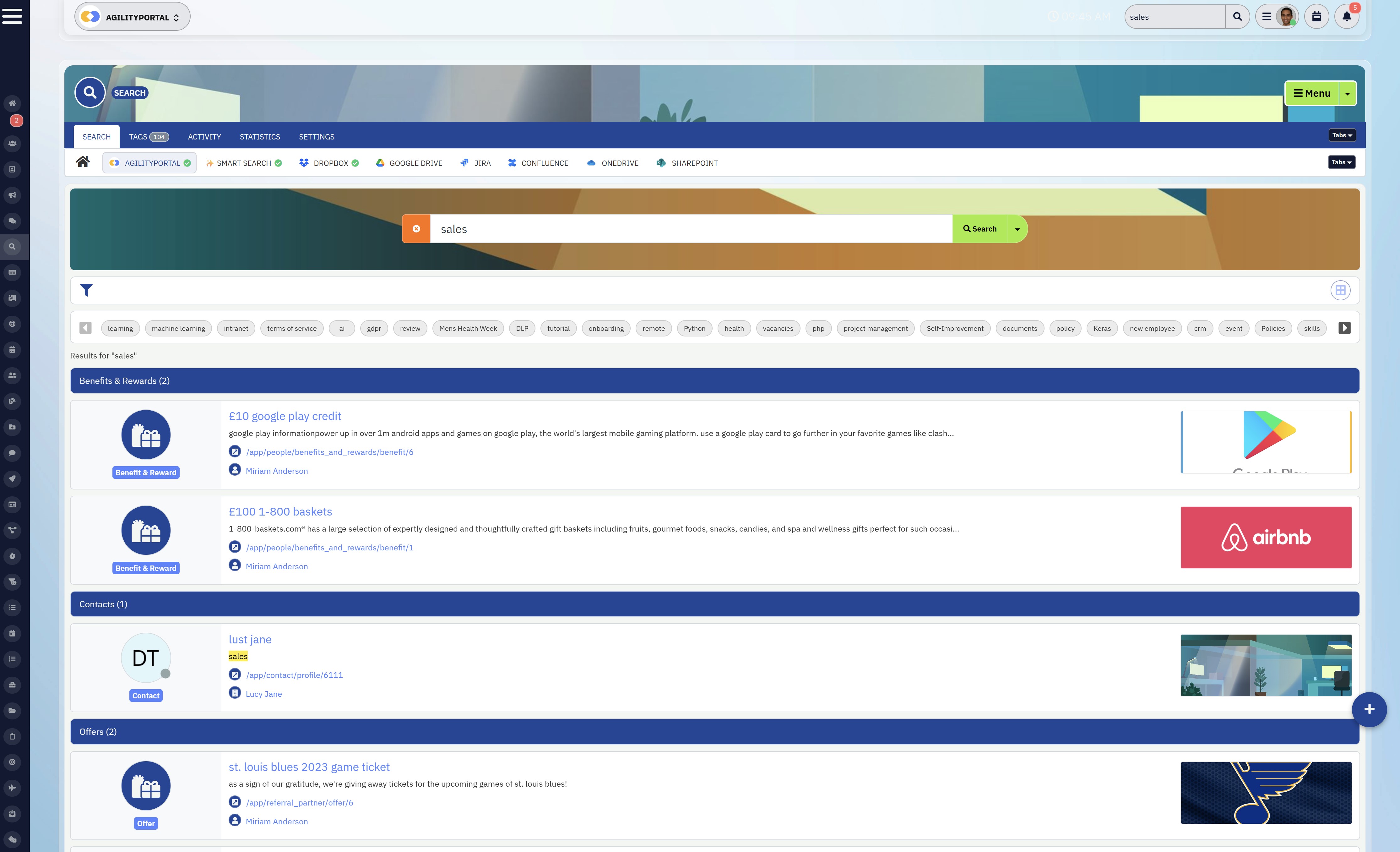
Powerful Search Functionality
One of the biggest frustrations employees experience is not being able to find the information they need.
A modern intranet should include a strong search feature that can quickly locate documents, pages, and internal resources.
A good system allows employees to:
- search across documents, knowledge articles, and posts
- filter results by department or content type
- surface the most relevant information quickly
When employees can find what they need in seconds, productivity improves across the organization.
7. Employee Engagement Features
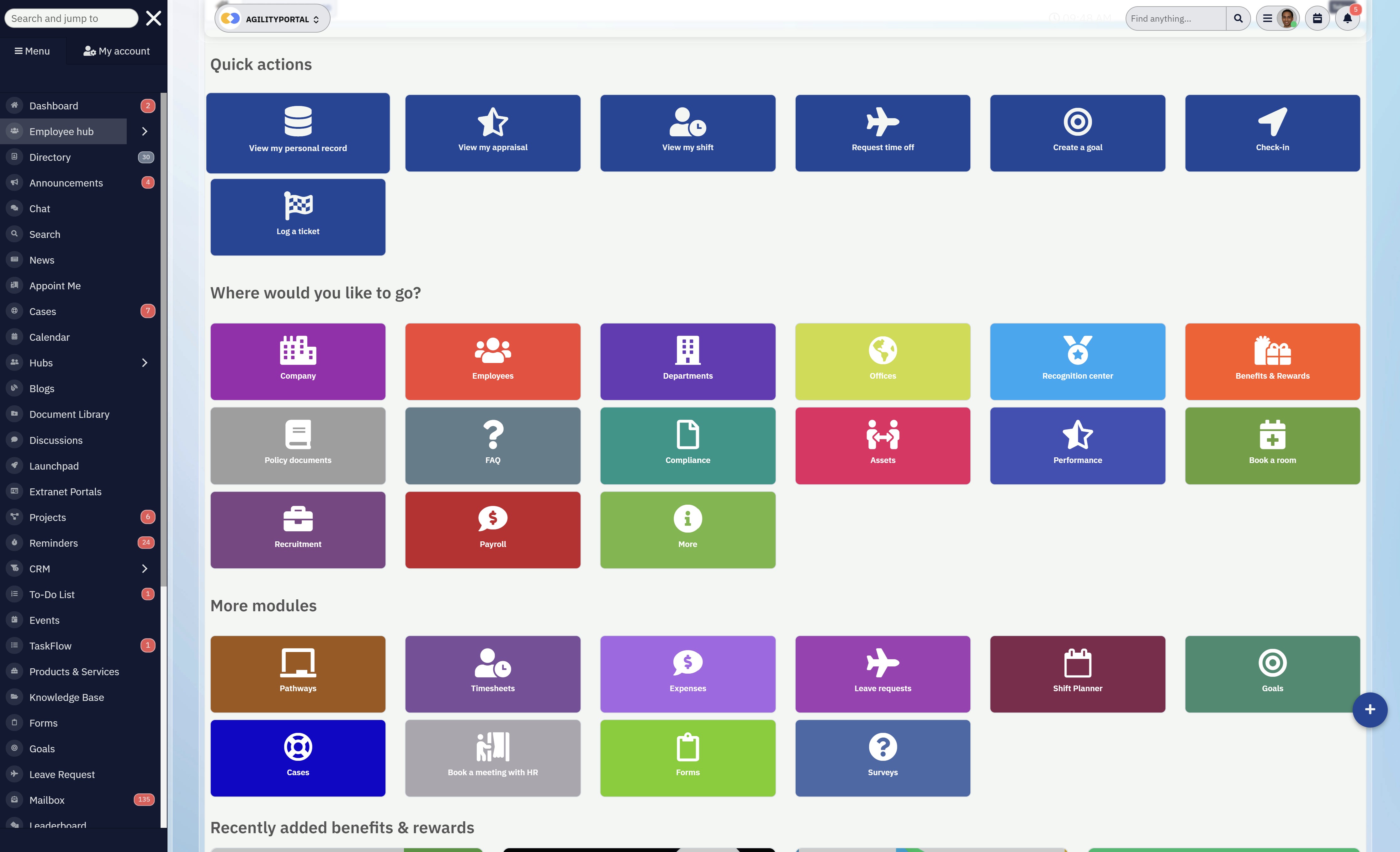
Employee Engagement Features
A modern intranet should also help strengthen company culture and employee engagement.
Beyond documents and communication, platforms should encourage interaction and recognition.
These features may include:
- employee recognition walls and shout-outs
- discussion forums and team conversations
- engagement tools such as polls or feedback forms
These capabilities help employees feel more connected to their teams and to the wider organization.
Who Should Use Intranet as a Service?

Who Should Use Intranet as a Service
You might be wondering whether this type of intranet is actually the right fit for your organization.
The truth is that Intranet as a Service works well for many different types of companies, especially those that want to simplify internal communication and avoid managing complex infrastructure.
If your organization falls into one of the categories below, there's a good chance this approach could make a real difference.
- Growing Companies - If your company is expanding, communication often becomes more difficult to manage. What worked when you had 20 employees may no longer work when the team grows to 100 or more. A modern intranet platform gives you a scalable way to share company updates, manage documents, and keep employees aligned as the organization grows. As new departments, locations, and teams are added, the platform can grow with you without requiring major system changes.
- Distributed or Hybrid Teams - Many organizations now operate with employees spread across different offices, cities, or even countries. When teams are not all in the same place, keeping everyone informed becomes much harder. Important information can easily get lost across emails, chat tools, and shared drives. A cloud-based intranet provides a central hub where remote and hybrid employees can access company updates, documents, and collaboration tools from anywhere. This helps ensure that every employee stays connected, regardless of where they work.
- Enterprises Managing Large Workforces - Large organizations face an even bigger communication challenge. When you have hundreds or thousands of employees, sharing information consistently across the company becomes critical. An intranet platform helps leadership distribute company news, policies, and important updates in a structured way, while also giving employees a place to find the resources they need. For enterprises, this type of system becomes the backbone of internal communication and knowledge sharing.
- Organizations With Limited IT Resources - Not every company has the time or internal expertise to manage servers, software updates, and platform maintenance. If your IT team is already stretched thin, maintaining a traditional intranet can quickly become another burden. A managed intranet platform removes much of this responsibility. The provider handles the infrastructure, security updates, and system improvements, allowing your internal teams to focus on more strategic work instead of maintaining internal tools.
In many cases, organizations adopt this approach not just because they want a better intranet, but because they want a simpler way to support communication, collaboration, and knowledge sharing across the entire workplace.
Some Challenges to Consider Before Signing Up for a Intranet as a Service
While modern intranet platforms offer many advantages, it's still important to think about a few practical challenges before choosing a solution.
Every organization has different systems, processes, and compliance requirements, so taking the time to evaluate these factors will help you avoid problems later.
Here are some of the key areas you should think about.
Choosing the Right Vendor
Selecting the right provider is one of the most important decisions you'll make.
Not all intranet platforms are designed for the same type of organization, and some may lack the flexibility or scalability your company needs.
For instance, imagine your company chooses a platform that works well for small teams but struggles to support thousands of employees.
As your organization grows, performance issues or feature limitations could force you to migrate to another system — which can be costly and disruptive.
This is why it's important to evaluate things like scalability, support quality, product roadmap, and long-term reliability before committing to a provider.
Data Security and Compliance
When you move company information into a cloud platform, security becomes a critical consideration. Internal documents, HR information, and sensitive communications must be protected properly.
If a platform does not support strong access controls or compliance standards, it can create significant risks.
For example:
- a document containing employee data might be accessible to the wrong department
- confidential policies could be shared without proper permissions
- audit logs may be missing, making compliance reviews difficult
Organizations operating in regulated industries such as healthcare, finance, or government should pay particular attention to features like encryption, access controls, and audit trails.
Integration With Existing Systems
Another common challenge is connecting the intranet with the tools your teams already use every day.
Most organizations rely on a variety of systems such as document storage platforms, CRM tools, HR systems, and collaboration software. If the intranet cannot integrate smoothly with these systems, employees may end up switching between multiple platforms again.
For example:
- employees might still need to log into separate tools to access documents
- HR workflows may remain disconnected from the intranet
- project updates could stay trapped inside separate project management software
These kinds of gaps can reduce the overall value of the intranet and limit adoption.
Encouraging Employee Adoption
Even the best intranet platform will struggle if employees do not actively use it.
Many companies launch new internal systems with great intentions, only to discover that employees continue relying on email, chat apps, or shared drives instead.
This usually happens when employees do not clearly understand how the platform helps them in their daily work.
For instance:
- employees may ignore company news if the platform feels difficult to navigate
- teams may continue sharing files through email instead of the document library
- managers might avoid posting updates if the publishing process feels complicated
Successful adoption often requires clear communication, training, and leadership support so employees understand how the intranet fits into their workflow.
When organizations plan for these challenges early, they are far more likely to implement an intranet that employees actually use and that continues to deliver value over the long term.
Here Are a List of Social Intranet Provider Companies You Can Shortlist in Your Next Evaluation
Many organizations evaluating a modern digital workplace quickly discover that there are dozens of intranet platforms on the market, each offering different strengths in communication, collaboration, and employee engagement.
Choosing the right solution requires comparing vendors based on usability, scalability, integrations, and long-term value.
To help you get started, the table below highlights several social intranet provider companies that offer cloud-based platforms designed to connect employees, centralize company knowledge, and streamline internal communication.
These platforms are commonly used by businesses looking to improve collaboration, support hybrid teams, and create a more connected digital workplace environment.
Reviewing these providers can help you shortlist potential intranet solutions as part of your next digital workplace evaluation.
| Company | Best For | Key Capabilities | Description |
| AgilityPortal | Organizations wanting a complete digital workplace platform | Employee communication, document libraries, social feeds, workflow automation, integrations, mobile intranet | AgilityPortal is a modern cloud intranet designed to centralize communication, knowledge sharing, and collaboration in one platform. It combines social intranet features, employee engagement tools, and document management to support hybrid and frontline workforces. |
| Microsoft SharePoint | Microsoft 365 environments | Document management, SharePoint sites, workflow automation, Microsoft integration | SharePoint is widely used as an enterprise intranet platform due to its deep integration with Microsoft 365. However, many organizations require additional customization to turn it into a full social intranet experience. |
| Staffbase | Large enterprises with distributed workforces | Internal communication tools, employee apps, content targeting | Staffbase focuses heavily on employee communication and internal news delivery, making it popular with large enterprises that need to reach deskless or frontline workers. |
| Workvivo | Employee engagement and culture-driven organizations | Activity feeds, recognition, engagement analytics | Workvivo emphasizes company culture and employee engagement by combining social media-style communication features with internal collaboration tools. |
| LumApps | Google Workspace and Microsoft environments | Knowledge hubs, communication tools, enterprise search | LumApps is a cloud intranet platform designed to connect employees through personalized content, knowledge management, and integrations with major productivity suites. |
| Simpplr | Mid-to-large enterprises | AI-driven search, personalized dashboards, employee communication | Simpplr focuses on delivering a modern digital workplace experience with strong usability and AI-powered content recommendations. |
| MangoApps | Companies needing communication and collaboration tools | Team collaboration, employee engagement, document sharing | MangoApps combines intranet functionality with collaboration tools such as chat, project workspaces, and social engagement features. |
| Happeo | Organizations using Google tools | Knowledge base, communication channels, employee directories | Happeo is built primarily for Google Workspace users and provides a centralized platform for internal communication and knowledge sharing. |
| Igloo Software | Knowledge-driven organizations | Knowledge bases, document collaboration, social intranet tools | Igloo focuses on knowledge management and internal collaboration, helping organizations build structured internal hubs for teams and departments. |
| Blink | Frontline and deskless workers | Mobile communication, chat, task management | Blink is designed specifically for frontline employees, offering a mobile-first intranet experience focused on communication and engagement. |
How to Choose the Right Intranet as a Service Platform
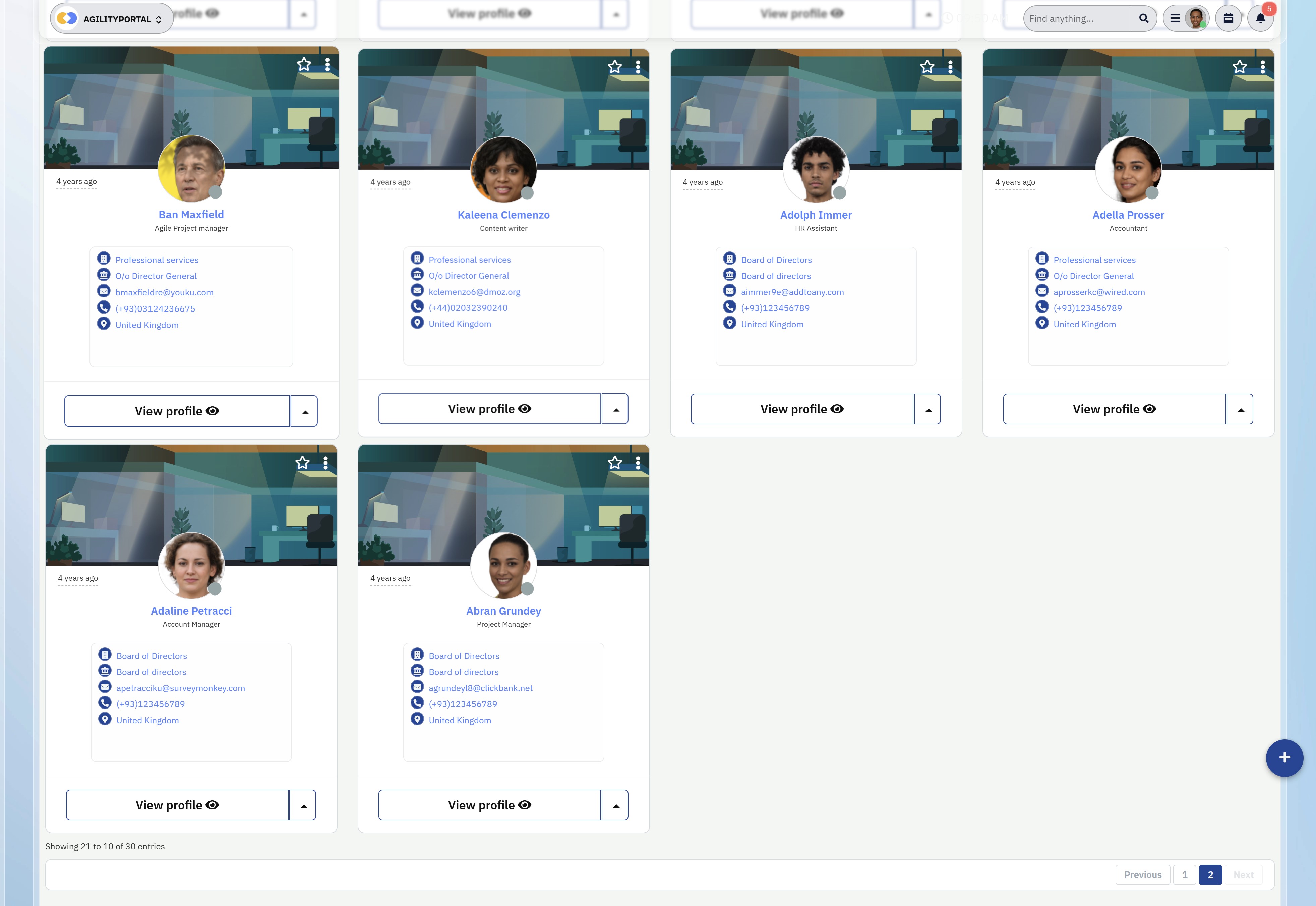
How to Choose the Right Intranet as a Service Platform
When you start evaluating intranet platforms, it's easy to get overwhelmed by the number of options available.
Many vendors promise similar features, but the real difference often comes down to how well the platform fits your organization's needs.
Before making a decision, it helps to focus on a few key factors that will directly impact how useful the platform will be for your teams.
Ease of Use
If employees find the platform difficult to navigate, they simply won't use it.
A successful intranet should feel intuitive from the moment employees log in. People should be able to find documents, read company updates, and collaborate with colleagues without needing extensive training.
Look for platforms that offer:
- simple navigation and clean dashboards
- easy content publishing for non-technical users
- powerful search that helps employees find information quickly
When usability is strong, adoption across the organization becomes much easier.
Customization Options
Every organization has its own structure, culture, and communication style. Because of this, your intranet should be flexible enough to reflect how your business operates.
For instance, you may want to customize:
- department-specific dashboards
- branding such as logos and company colors
- different spaces for teams, offices, or projects
Customization allows the intranet to feel like a natural extension of your workplace rather than a generic tool.
Integration Capabilities
Your intranet should not exist in isolation. Most organizations already rely on multiple business tools, and a strong platform should connect with them seamlessly.
Common integrations include:
- Microsoft 365 or Google Workspace
- CRM platforms such as Salesforce
- project management or support systems
When systems are connected, employees can access multiple tools from one central hub, reducing the need to constantly switch between applications.
Security and Compliance
An intranet often contains sensitive company information, internal policies, and employee data. Because of this, security should be a major consideration when selecting a platform.
Important features to look for include:
- role-based access controls
- data encryption and secure hosting
- audit logs and compliance certifications
These capabilities help ensure that company information remains protected while meeting industry regulations.
Mobile Accessibility
Not every employee works at a desk all day. Many teams operate in retail environments, warehouses, hospitals, or field roles.
A modern intranet should make it easy for employees to access company information from anywhere.
This might include:
- mobile-friendly interfaces
- dedicated mobile apps
- push notifications for important updates
Mobile access helps ensure that frontline and remote employees remain connected to the organization.
Scalability
Finally, consider how the platform will support your organization as it grows.
What works for a company with 50 employees may not work when the workforce expands to several thousand. A good intranet platform should scale without requiring major system changes.
Look for platforms that can support:
- growing numbers of users
- additional departments or locations
- new integrations and features over time
Choosing a scalable platform ensures that your intranet continues to support your organization well into the future.
A Mobile Employee Intranet Platform That's Made for your Front-line.
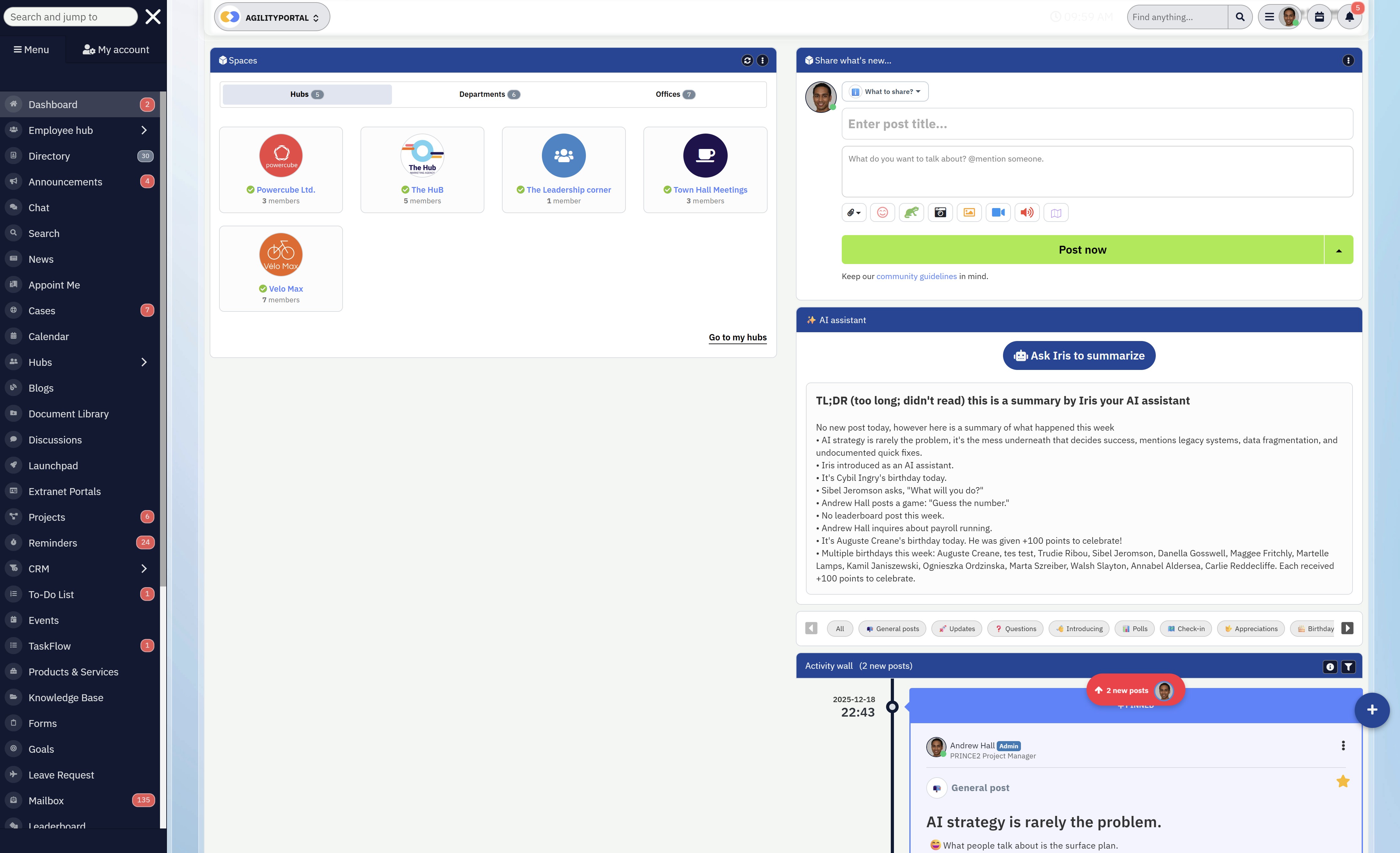
A Mobile Employee Intranet Platform That's Made for your Front-line.
If your frontline employees are still juggling multiple tools just to get through the day, it's time to simplify things.
Our employee intranet platform brings everything into one easy-to-use app—connecting your teams, streamlining communication, and giving employees instant access to the tools, information, and training they need to do their jobs better.
The result? A more engaged, better-informed, and more productive workforce, no matter where they are.
If you're ready to see how this could work for your organization, book a demo and we'll walk you through exactly how it fits into your business.
AgilityPortal
Why Choose AgilityPortal for Intranet as a Service?
AgilityPortal is a modern Intranet as a Service platform built to help you centralize communication, collaboration, and knowledge sharing without the burden of managing infrastructure. Instead of relying on outdated intranet systems or juggling multiple disconnected tools, you get a single cloud-based platform where your employees can access company updates, share documents, collaborate in real time, and stay connected from anywhere. Designed for hybrid, remote, and frontline teams, AgilityPortal helps you reduce IT overhead, improve employee engagement, and create a more connected digital workplace.
See how your intranet could look in under 30 minutesWrapping up
Have you noticed how difficult it has become for organizations to keep communication, knowledge, and collaboration in one place?
Many businesses still rely on outdated intranet systems that are slow to update, difficult to manage, and rarely used by employees. Over time, these platforms become fragmented as teams turn to email, chat tools, and shared drives to fill the gaps.
This is exactly why many organizations are now adopting Intranet as a Service.
Instead of maintaining complex infrastructure internally, companies can use a cloud-based platform that delivers communication, document management, collaboration tools, and employee engagement features in a single environment. The platform evolves over time with automatic updates, improved security, and new capabilities without requiring internal maintenance.
For organizations managing hybrid teams, distributed workforces, or rapid growth, this approach offers a much simpler way to keep employees connected and informed.
As workplaces continue to become more digital and more flexible, cloud-based intranet platforms are quickly becoming the foundation of the modern digital workplace, helping organizations streamline communication, centralize knowledge, and support collaboration across the entire company.
AI Summary
- Intranet as a Service gives your organization a cloud-based way to manage internal communication, collaboration, and knowledge sharing without maintaining complex infrastructure.
- Many traditional intranets fail because they are difficult to update, expensive to maintain, and poorly connected to the tools employees use every day.
- Modern service-based intranet platforms help businesses launch faster, reduce IT overhead, and support hybrid teams through mobile access and cloud availability.
- Features such as document libraries, employee communication tools, workflow automation, and integrations make these platforms more useful than static legacy intranets.
- Organizations evaluating an intranet platform should look closely at usability, scalability, integrations, security, and long-term adoption potential.
- Businesses that invest in a modern intranet experience are better positioned to improve employee engagement, reduce information silos, and create a more connected digital workplace.
Most Popular Posts

Effective communication among team members is vital for the productivity and success of any organization. Surprisingly, 60% of companies lack a long-term internal communication strategy, which p...


Businesses thrive on communication for efficiency, productivity and accomplishment. When the right information is passed from the right designation in the organization, it promotes positivity an...

Categories
Blog
(3214)
Business Management
(396)
Employee Engagement
(235)
Digital Transformation
(219)
Growth
(150)
Intranets
(142)
Internal communications
(107)
Remote Work
(68)
Sales
(53)
Collaboration
(53)
Customer Experience
(33)
Culture
(30)
Knowledge Management
(29)
Project management
(29)
Leadership
(20)
Comparisons
(9)
News
(1)

Related Posts

Choosing the best ERP for Shopify often starts when the workarounds stop working. Your store shows stock that the warehouse can't find. Wholesale orders live in spreadsheets. Finance spends days reconciling payouts, while customer service...

Could choosing the wrong proxy disrupt your team's work or increase costs without improving results? When comparing rotating proxies vs static proxies, the answer depends on what your business needs: a consistent IP address for an ongoing sessi...

What happens when a buyer asks Google for the best employee communication platform—and discovers competing brands before reaching your website? Choosing the best link building services can help a digital workplace business strengthen its broade...

Could gaps in digital accessibility be stopping your employees from completing the training they need to do their jobs? Imagine a new starter opening a mandatory course, only to discover they can't follow the audio, navigate the quiz with a keyboard ...

The Amazon advertising agency landscape has changed dramatically over the past two years. With the introduction of AI-powered shopping experiences, Amazon Rufus, advanced attribution reporting, Sponsored Brands Video, and Amazon DSP enhancement...


Annet Herges
I am a digital nomad, lover of exploring new places and making friends.
I love to travel and I love the internet. I take pictures of my travels and share them on the internet using Instagram.
Traveler, entrepreneur, and community builder. I share my insights on digital marketing and social media while inspiring you to live your fullest life.
Ready to learn more? 👍
One platform to optimize, manage and track all of your teams. Your new digital workplace is a click away. 🚀
Free for 14 days, no credit card required.