Insight Blog
Agility’s perspectives on transforming the employee's experience throughout remote transformation using connected enterprise tools.
30 minutes reading time
(6082 words)
Employee Engagement Tools That Boost Company Performance

Employee Engagement Tools That Boost Company Performance
Explore employee engagement tools designed to boost company performance, improve communication, and strengthen workplace culture.
Employee Engagement Tools That Boost Company Performance

Have you ever wondered why some companies outperform others even when they have similar products, budgets, and teams?
Well, the difference often comes down to Employee Engagement and Company Performance.
When employees feel connected to their work and understand company goals, their motivation and productivity naturally increase.
Research from Gallup shows that organizations with highly engaged employees see 23% higher profitability, 18% higher productivity, and 43% lower turnover compared to companies with low engagement.
23%
higher profitability
Research from Gallup shows that organizations with highly engaged employees see 23% higher profitability, 18% higher productivity, and 43% lower turnover compared to companies with low engagement.
Source: Gallup
Those numbers clearly show how powerful engagement can be for business success.
That's why many organizations are now adopting employee engagement tools.
These platforms bring communication, recognition, and knowledge sharing into one place, helping employees stay informed, connected, and aligned with company goals.
In this guide, we'll explore how employee engagement tools boost company performance and what businesses should look for when choosing the right platform.
43%
lower turnover
According to Gallup, organizations with highly engaged employees achieve 43% lower turnover, 23% higher profitability, and 18% higher productivity compared to businesses with low engagement.
Source: Gallup
The Role of Leadership and Company Culture
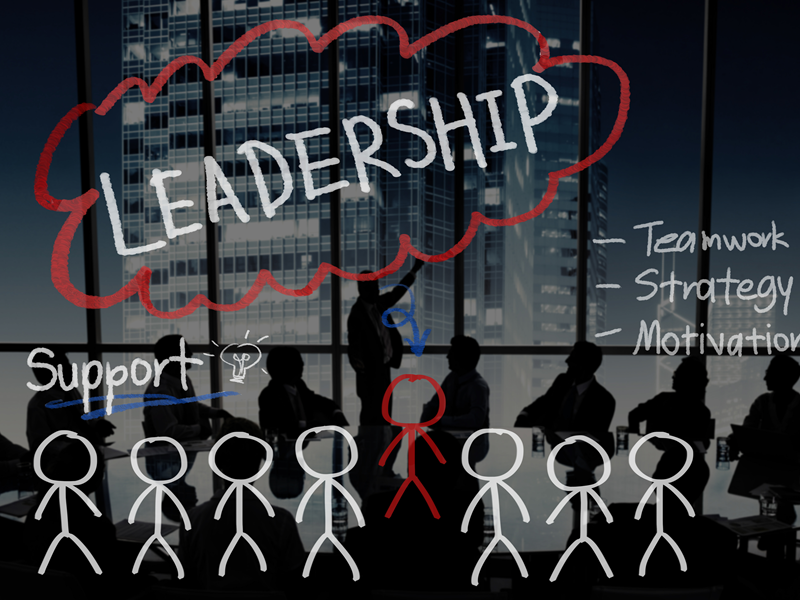
Have you ever wondered why some companies naturally build highly engaged teams while others struggle with disengaged employees?
In many cases, the difference starts with leadership.
Management shapes the environment where employees spend their working days, and leadership style plays a major role in determining how engaged people feel at work.
Communication is another critical factor. Employees want to understand the company's goals, challenges, and priorities. Clear and thoughtful communication helps employees connect their own sense of purpose with the direction of the organization, allowing them to see how their work contributes to broader business decisions.
Reward and recognition systems also play an important role in engagement. When organizations quickly acknowledge achievements and contributions, employees feel that their efforts are valued.
This recognition reinforces motivation and strengthens commitment to performing well. Opportunities for professional growth, such as advanced training and development programs, also help employees feel more invested in the organization.
Companies that successfully link workplace culture with performance often create environments where employees can clearly see how their work contributes to a bigger mission. A good example of this is PUNIN GROUP company in Cyprus.
The company operates across areas such as design, hospitality, culture, and innovation, bringing together professionals from different fields. By aligning employees around shared goals and encouraging collaboration, the company builds a culture focused on long-term success and strong teamwork.
In practice, environments like this naturally increase engagement because employees better understand the company's purpose, how work is carried out, and why their contributions matter.
Organizations can also strengthen engagement by introducing employee-focused initiatives such as innovation workshops, mentoring programs, and internal knowledge-sharing practices.
These approaches encourage participation, support learning, and help create a more collaborative and connected workplace.
Key Takeaways
- Employee engagement directly impacts company performance, influencing productivity, retention, and overall business outcomes.
- Organizations with highly engaged employees consistently outperform competitors in profitability, teamwork, and innovation.
- Measuring engagement requires tracking key metrics such as retention, productivity, absenteeism, and employee feedback.
- Modern employee engagement tools help centralize communication, recognition, collaboration, and knowledge sharing.
- Companies that invest in engagement platforms and digital workplace solutions build stronger cultures and more connected teams.
What Are the Challenges of Measuring Employee Engagement?
Measuring employee engagement can be surprisingly difficult, and this is one of the biggest challenges many organizations face when trying to improve workplace culture.
While businesses rely heavily on data to guide decisions, employee engagement is not always easy to quantify.
Unlike traditional business metrics such as revenue, sales performance, or productivity figures—which are numerical and easy to track—employee engagement is often based on more subjective factors.
It can reflect how employees feel about their work, their connection to the organization, their sense of belonging, or their loyalty to the company. These emotional and psychological factors are much harder to measure using standard business metrics.
Because of this complexity, many organizations struggle to determine which engagement metrics truly matter. As a result, valuable insights about employee experience, morale, and workplace satisfaction are often overlooked or ignored.
Another challenge, particularly for small businesses, is the lack of accessible technology.
While there are platforms designed to help companies collect feedback, analyze engagement data, and track trends over time, these tools can sometimes appear too expensive or complicated for smaller organizations to implement.
Without the right tools in place, attempts to measure engagement can fall short. Surveys may be too generic, conducted too infrequently, or fail to capture meaningful insights.
In some cases, employees provide feedback but never see any action taken, which can further reduce trust and participation.
When these challenges combine—subjective data, unclear metrics, and limited technology—they create a significant barrier for organizations trying to understand and improve employee engagement. For small businesses especially, finding practical and effective ways to measure engagement can feel even more difficult.
28%
of the workweek
According to McKinsey, employees can spend up to 28% of their workweek searching for information across disconnected systems.
Source: McKinsey Global Institute
So Why Does Employee Engagement Directly Impacts Company Performance
Employee engagement has moved from being a "soft HR topic" to a critical business performance driver.
Organizations today operate in fast-moving environments where productivity, innovation, and retention directly affect competitiveness.
When employees are engaged, they are more motivated, collaborative, and aligned with company goals. When they are disengaged, the opposite happens—productivity drops, turnover increases, and innovation slows.
The scale of the problem is significant.
According to research from Gallup, only about 23% of employees worldwide are actively engaged at work, while the majority are either disengaged or actively disengaged.
Gallup estimates that low engagement costs the global economy approximately $8.8 trillion in lost productivity, representing nearly 9% of global GDP.
This makes employee engagement not just a cultural initiative but a strategic lever for improving company performance.

Higher Productivity Across Teams
One of the most immediate and measurable outcomes of strong employee engagement is higher productivity across teams.
When employees feel informed, supported, and connected to their work, they naturally become more motivated to perform at a higher level.
However, many organizations struggle with productivity because employees spend too much time navigating disconnected systems.
Research from McKinsey Global Institute found that employees spend up to 28% of their workweek searching for information across emails, file systems, and communication platforms.
This means that in a typical five-day workweek, more than one full day can be lost simply trying to locate information.
Employee engagement platforms help solve this problem by creating a centralized digital environment where employees can easily access the resources and communication channels they need.
These tools support productivity by enabling teams to:
- access information quickly through searchable knowledge hubs
- communicate more effectively across departments
- collaborate in real time without relying on multiple apps
- stay informed about company updates and project developments
When information flows freely and communication barriers are removed, employees can focus their energy on meaningful work instead of administrative friction.
As a result, organizations experience faster execution, better decision-making, and improved operational efficiency.
Lower Employee Turnover
Employee turnover is one of the most expensive challenges organizations face.
Recruiting, hiring, and training new employees requires significant time and financial investment, not to mention the disruption caused by losing experienced team members.
According to Gallup, organizations with highly engaged employees experience 43% lower turnover in high-turnover industries and 18% lower turnover in low-turnover industries.
This highlights how engagement directly influences employee retention.
When employees feel engaged, they are more likely to stay with their organization because they feel:
- heard and valued by leadership
- connected to their team and company mission
- supported in their professional growth
- confident that their work has meaning and impact
In contrast, disengaged employees often feel disconnected from company decisions, lack visibility into organizational goals, and struggle to find recognition for their contributions.
Employee engagement platforms help organizations maintain stronger connections with their workforce by enabling continuous communication, recognition programs, and feedback channels.
These tools allow employees to feel involved in company initiatives and ensure that leadership remains visible and accessible.
Over time, this stronger connection builds loyalty, reduces turnover, and helps organizations retain their most valuable asset: their people.
Stronger Collaboration and Innovation
Another major benefit of employee engagement is the ability to foster stronger collaboration and innovation across teams.
In many organizations, employees work in departmental silos where communication between teams is limited. This fragmentation can slow down innovation and prevent valuable ideas from emerging.
Research discussed in Harvard Business Review highlights that organizations with strong collaboration cultures are significantly more likely to outperform competitors in innovation and problem-solving.
When employees feel engaged and empowered to share ideas, they are more willing to contribute insights, challenge assumptions, and collaborate with colleagues across departments.
Employee engagement platforms support this by creating environments where employees can:
- share ideas and participate in discussions
- collaborate across teams and departments
- contribute feedback to leadership initiatives
- engage in company-wide conversations
These platforms help break down organizational silos and create a culture where knowledge and ideas flow more freely.
When communication improves and employees feel confident that their ideas will be heard, organizations often see an increase in creative problem-solving and innovation.
Over time, this leads to better products, improved services, and stronger company performance.
In short, employee engagement is not simply about making employees happier at work. It is about building an environment where communication, collaboration, and motivation combine to drive measurable business outcomes.
Organizations that prioritize engagement consistently see improvements in productivity, retention, innovation, and overall company performance.
Related Reading
Want to explore more ways to improve employee engagement, measure workforce performance, and build stronger workplace cultures? These guides will help you dive deeper into engagement strategies and tools.
- How to Measure Employee Engagement Effectively
- Employee Engagement Surveys: A Complete Guide
- Guide to Conducting an Employee Engagement Survey
- Employee Experience vs Employee Engagement Explained
- Effective Ways to Boost Employee Engagement for Frontline Workers
- 11 Digital Workplace Tricks to Improve Employee Engagement
- Employee Engagement Mistakes Companies Still Make With Remote Teams
- Cloud-Based Intranets for Employee Engagement
What Employee Engagement Metrics Should You Measure at Your Small Business?
If you want to improve employee engagement, the first step is measuring it.
Many small businesses focus on productivity or revenue metrics but overlook the employee experience that actually drives those results.
By tracking the right engagement indicators, business owners and managers can identify issues early, improve workplace culture, and strengthen overall company performance.
According to research from Gallup, companies with highly engaged employees can see 23% higher profitability and 18% higher productivity compared with organizations where engagement is low.
Measuring engagement helps businesses understand what is working and where improvements are needed.
Below are some of the most important employee engagement metrics small businesses should monitor.
Employee Satisfaction Scores
Employee satisfaction is one of the most basic indicators of engagement. Regular surveys allow companies to understand how employees feel about their work environment, leadership, and career opportunities.
Common areas measured in satisfaction surveys include:
- workplace culture
- leadership support
- communication clarity
- career development opportunities
- work-life balance
Pulse surveys conducted quarterly or even monthly can provide quick insights into employee sentiment and help management respond before problems escalate.
Employee Net Promoter Score (eNPS)
Employee Net Promoter Score (eNPS) measures how likely employees are to recommend the company as a place to work. It is based on a simple question:
"On a scale from 0 to 10, how likely are you to recommend this company as a great place to work?"
Employees are grouped into three categories:
- Promoters (9–10) – highly engaged and enthusiastic
- Passives (7–8) – satisfied but not fully engaged
- Detractors (0–6) – disengaged employees
A higher eNPS generally indicates stronger engagement and workplace satisfaction.
Employee Retention and Turnover Rates
Employee retention is one of the clearest indicators of engagement. When employees feel valued and connected to their work, they are more likely to stay with the company.
According to Gallup research, organizations with strong engagement levels see up to 43% lower employee turnover in high-turnover industries.
Tracking turnover trends helps small businesses identify potential problems such as poor leadership communication, lack of career development opportunities, or workplace dissatisfaction.
Absenteeism and Attendance
Frequent absenteeism can signal disengagement. When employees feel disconnected from their work or lack motivation, they are more likely to take unplanned leave or call in sick.
Monitoring attendance patterns allows businesses to identify early warning signs of disengagement before they lead to higher turnover.
Healthy engagement levels typically correlate with:
- lower absenteeism
- stronger team morale
- higher workplace accountability
Productivity and Performance Metrics
Employee engagement often translates directly into productivity. When employees are motivated and aligned with company goals, they tend to perform better and complete tasks more efficiently.
According to insights from Harvard Business Review, organizations with strong engagement cultures often experience higher levels of innovation, improved collaboration, and better overall performance outcomes.
Small businesses can measure productivity through metrics such as:
- project completion rates
- customer satisfaction scores
- revenue per employee
- team output levels
Tracking these indicators alongside engagement data helps companies understand the connection between employee experience and business results.
Internal Communication and Participation
Another useful engagement metric is how actively employees participate in internal communication channels.
This includes measuring:
- participation in company meetings
- contributions to internal discussions
- feedback submission rates
- engagement with company announcements
High participation levels usually indicate that employees feel comfortable sharing ideas and staying involved in company activities.
Training and Professional Development Participation
Employee development is closely linked to engagement. When employees participate in training programs and professional development opportunities, it shows they are invested in their growth within the company.
Monitoring training participation rates helps businesses evaluate whether employees feel supported in developing their skills and advancing their careers.
Measuring employee engagement doesn't require complex analytics systems, especially for small businesses.
By tracking key indicators such as satisfaction scores, retention rates, communication participation, and productivity metrics, organizations can gain valuable insights into the health of their workplace culture.
The most successful small businesses treat engagement as an ongoing measurement process rather than a one-time survey.
When leaders consistently monitor these metrics and act on employee feedback, they create workplaces where employees feel valued, motivated, and aligned with company goals.
How to Track Employee Engagement Metrics
Once you know which employee engagement metrics to monitor, the next step is understanding how to track them effectively.
Many businesses still rely on manual spreadsheets or scattered data sources, which makes engagement analysis time-consuming and difficult to maintain.
This is where platforms like AgilityPortal can help simplify the process.
AgilityPortal provides built-in dashboards, reports, and engagement tools that allow organizations to monitor employee engagement metrics without complex calculations or manual tracking.
Instead of working through formulas and multiple spreadsheets, businesses can view key insights directly from a centralized dashboard.
AgilityPortal's reporting tools make it easy to track important workforce metrics such as:
- Average employee tenure
- Retention rate
- Employee turnover rate
These insights help managers quickly identify trends in employee engagement and workforce stability.
In addition to reporting tools, organizations can also run employee engagement surveys directly within AgilityPortal to gather qualitative feedback from their teams.
The process is straightforward:
- Choose a survey template from a library of engagement and feedback surveys designed to help measure workplace satisfaction, communication effectiveness, and employee experience. Organizations can also create custom surveys tailored to their specific needs.
- Send surveys to employees in just a few clicks, allowing teams to quickly gather feedback without complicated setup.
- Collect anonymous responses, helping employees feel comfortable sharing honest opinions about their workplace experience.
If engagement levels begin to decline, these surveys can help leaders uncover the root causes—whether it's communication gaps, workload challenges, or lack of recognition.
With AgilityPortal, organizations can launch engagement surveys, monitor responses, and analyze engagement data in one place, making it easier for leaders to understand their workforce and take action to improve company performance.
How Employee Engagement Tools Help?
Employee engagement tools are digital platforms designed to help organizations strengthen communication, collaboration, and participation across their workforce.
These tools create structured ways for employees to stay informed, share ideas, receive recognition, and contribute to company initiatives.
In many organizations, engagement problems arise because communication and information are scattered across multiple systems—email, messaging apps, shared drives, and internal documents.
This fragmentation makes it harder for employees to stay connected to company goals and for leadership teams to maintain visibility across the organization.
Employee engagement tools solve this challenge by bringing important workplace functions into a single platform where employees can interact, communicate, and access resources more easily.
Most employee engagement platforms typically include features such as:
- Internal communication tools that allow companies to share announcements, updates, and company news
- Employee recognition systems that celebrate achievements and highlight contributions
- Surveys and feedback tools that help leaders measure employee sentiment and engagement levels
- Collaboration tools that allow teams to work together across departments and locations
- Knowledge-sharing systems where employees can access documents, policies, and training materials
- Company updates and announcements that keep employees informed about priorities and strategic direction
These tools help employees feel more connected to their workplace by improving transparency, communication, and access to information.
Modern organizations increasingly rely on engagement platforms because disconnected systems often reduce productivity.
Research from McKinsey Global Institute suggests employees spend up to 28% of their workweek searching for information across multiple systems, highlighting the need for centralized digital workplaces.
Instead of relying on multiple fragmented tools, employee engagement platforms provide a central workplace hub where communication, knowledge, and collaboration can take place in one environment.
This unified approach helps organizations build stronger workplace cultures while improving productivity and overall company performance.
Best Employee Engagement Tools Businesses Are Using
Organizations looking to improve employee engagement and company performance are increasingly turning to dedicated engagement platforms.
These tools help companies centralize communication, recognize employee contributions, collect feedback, and strengthen collaboration across teams.
The right platform can significantly improve how employees interact with leadership, access information, and participate in workplace initiatives.
However, different tools focus on different aspects of engagement—some prioritize internal communication, while others focus on employee experience, social collaboration, or enterprise knowledge management.
Below are some of the most widely used employee engagement platforms businesses rely on today.
Popular Employee Engagement Platforms
Some of the leading platforms used by modern organizations include:
- AgilityPortal
- Workvivo
- Staffbase
- Microsoft Viva
- MangoApps
- Simpplr
Each platform offers different capabilities depending on the organization's size, digital maturity, and engagement strategy.
Employee Engagement Platforms Comparison
| Platform | Key Features | Strengths | Limitations |
| AgilityPortal | Internal communication, collaboration, document management, engagement analytics, intranet features | All-in-one digital workplace platform with strong collaboration tools | Smaller brand recognition compared to large enterprise vendors |
| Workvivo | Social feeds, employee recognition, internal communication, engagement analytics | Strong focus on employee culture and social interaction | Limited document management capabilities |
| Staffbase | Employee apps, corporate communication tools, newsletters, surveys | Strong communication capabilities for large organizations | Pricing can be higher for smaller companies |
| Microsoft Viva | Employee experience platform, insights analytics, learning tools, integration with Teams | Deep integration with Microsoft products | Complex setup and reliance on Microsoft ecosystem |
| MangoApps | Knowledge management, team collaboration, internal communication, social features | Good mix of engagement and collaboration capabilities | Interface can feel complex for new users |
| Simpplr | AI-powered intranet, internal communication, employee experience tools | Strong AI-driven personalization and knowledge discovery | Focused more on intranet than full collaboration |
How These Platforms Improve Employee Engagement
Employee engagement tools help organizations solve many of the common challenges that affect workplace performance, including poor communication, disconnected teams, and limited employee recognition.
Most engagement platforms help businesses:
- centralize company communication
- improve employee recognition programs
- gather employee feedback through surveys
- create knowledge-sharing environments
- strengthen collaboration between teams
When these capabilities are implemented effectively, organizations often see improvements in employee satisfaction, productivity, and retention, all of which contribute to stronger company performance.
Choosing the right platform ultimately depends on factors such as company size, technical infrastructure, employee needs, and long-term engagement goals.
Businesses should evaluate platforms carefully to ensure they support both employee engagement initiatives and broader digital workplace strategies.
Key Features That Improve Company Performance
Employee engagement tools are designed to do more than simply connect employees.
When implemented correctly, they introduce capabilities that improve communication, strengthen collaboration, and help organizations operate more efficiently.
These features play a direct role in improving productivity, decision-making, and ultimately company performance.
Below are some of the most important features modern employee engagement platforms provide and why they matter for businesses.
Centralized Internal Communication
One of the biggest challenges organizations face today is fragmented communication.
Important updates are often scattered across emails, chat tools, shared drives, and meetings. This makes it difficult for employees to stay informed and aligned with company priorities.
Employee engagement platforms solve this problem by centralizing internal communication in one place.
Instead of searching through multiple channels, employees can access important company information through a single hub.
Most engagement platforms provide communication features such as:
- company news feeds where leadership can share updates
- announcements that keep employees informed about key developments
- leadership messages that communicate strategy and direction
- team discussions that allow departments to collaborate openly
Centralized communication reduces confusion and ensures employees receive the same information at the same time.
Research from McKinsey Global Institute shows employees spend up to 28% of their workweek searching for information, highlighting how inefficient communication systems can reduce productivity.
By providing a central communication space, organizations improve transparency and help employees stay aligned with business objectives.
Recognition and Rewards
Recognition is one of the most powerful drivers of employee engagement. When employees feel their work is valued and acknowledged, they are more motivated to contribute and perform at a higher level.
Modern engagement platforms include built-in recognition features that allow organizations to celebrate employee achievements and highlight contributions across the company.
These tools often allow teams to:
- celebrate employee milestones and accomplishments
- reward strong performance and contributions
- recognize teamwork and collaboration
- highlight employees who go above and beyond
Recognition systems also strengthen company culture by encouraging positive reinforcement across teams.
According to research from Gallup, employees who receive regular recognition are significantly more likely to remain engaged and committed to their organization.
When employees feel appreciated, motivation increases and workplace morale improves, which ultimately supports stronger company performance.
Employee Feedback and Surveys
Understanding how employees feel about their workplace is essential for improving engagement. Without feedback, leaders often struggle to identify issues that may be affecting employee satisfaction or productivity.
Employee engagement platforms help organizations gather insights through built-in feedback and survey tools.
These tools typically include:
- pulse surveys that measure engagement on a regular basis
- anonymous feedback options that encourage honest responses
- engagement analytics that highlight trends and workplace sentiment
These insights give leaders the ability to identify problems early and take action before they impact retention or productivity. Feedback systems also help employees feel heard, which increases trust and transparency within the organization.
When organizations actively listen to their employees and respond to feedback, they create a stronger culture of collaboration and accountability.
Knowledge Sharing and Documentation
Information silos are one of the biggest barriers to productivity in modern workplaces.
When company knowledge is scattered across multiple systems or hidden in email threads, employees waste valuable time searching for answers.
Employee engagement platforms help solve this problem by organizing company knowledge into structured and searchable spaces.
These platforms typically store resources such as:
- company policies and procedures
- onboarding materials for new employees
- training guides and learning resources
- internal documentation and operational processes
Having a centralized knowledge hub allows employees to quickly find the information they need without relying on managers or colleagues. This improves efficiency and supports better decision-making across teams.
Knowledge sharing also encourages collaboration and continuous learning within the organization, both of which are important factors in maintaining a high-performing workforce.
Together, these features help organizations build a more connected workplace where communication flows easily, employees feel valued, and teams can access the information they need to perform effectively.
When these systems work well, they contribute directly to higher employee engagement and stronger company performance.
How to Choose the Right Employee Engagement Tool
Choosing the right employee engagement tool is an important decision for any organization.
The platform you select will shape how employees communicate, collaborate, and stay connected with company goals. A well-designed engagement tool can improve productivity, strengthen workplace culture, and support better company performance.
However, not all engagement platforms are built the same. Some tools focus heavily on communication, while others emphasize collaboration, analytics, or employee experience.
Before selecting a platform, organizations should evaluate several key factors to ensure the solution meets their needs and can be adopted successfully across the workforce.
Ease of Use
One of the most important factors when choosing an employee engagement tool is usability. Even the most powerful platform will fail if employees find it difficult or confusing to use.
Engagement tools should offer an intuitive interface that allows employees to quickly navigate the system, access information, and participate in company discussions.
If a platform requires extensive training or complex workflows, employees may avoid using it altogether.
Successful engagement platforms typically provide:
- a simple and clean user interface
- easy navigation between communication channels and resources
- quick access to company updates and documents
- minimal training requirements for new users
When employees can easily adopt the platform, engagement naturally increases.
Mobile Accessibility
Modern workplaces are no longer limited to office environments.
Many organizations now support remote workers, hybrid teams, and frontline employees who rely on mobile devices to stay connected.
For this reason, mobile accessibility is a critical feature when selecting an engagement platform.
Employees should be able to access the platform from smartphones or tablets just as easily as they can from a desktop computer.
Mobile-friendly engagement tools allow employees to:
- receive company announcements in real time
- participate in discussions and feedback surveys
- access important documents and updates while away from the office
- stay connected with teams regardless of location
Mobile access is particularly important for industries such as hospitality, retail, healthcare, and construction where employees may not regularly work at a desk.
Integration With Existing Tools
Most organizations already rely on several digital tools to manage operations, communication, and productivity.
An effective employee engagement platform should integrate smoothly with these existing systems rather than creating additional silos.
Common integrations businesses often require include:
- Microsoft 365, for documents, calendars, and email collaboration
- Google Workspace, for file sharing and productivity tools
- CRM systems, which help teams manage customer interactions
- HR platforms, used for employee records, onboarding, and payroll
By integrating with these systems, engagement tools can centralize workflows and reduce the need for employees to switch between multiple applications throughout the day.
Analytics and Insights
Organizations cannot improve engagement if they cannot measure it.
This is why analytics and reporting capabilities are essential when evaluating employee engagement platforms.
Engagement tools should provide dashboards and reports that help leadership teams understand how employees interact with the platform and how engagement levels evolve over time.
Key engagement insights may include:
- employee participation in surveys and discussions
- engagement trends across departments
- communication reach and content performance
- employee sentiment and feedback patterns
These insights allow leaders to identify areas where engagement may be declining and take proactive steps to improve workplace communication and employee experience.
When organizations choose a platform that combines ease of use, mobile accessibility, strong integrations, and meaningful analytics, they create a foundation for improving both employee engagement and overall company performance.
Measuring the ROI of Employee Engagement
By monitoring key indicators, organizations can better understand the real impact of employee engagement.
Engagement should not be viewed purely as employee sentiment; it should also be connected to measurable business performance outcomes.
Tracking the right metrics helps companies identify how engagement influences productivity, retention, and overall workplace effectiveness.
| KPI | What It Measures |
| Employee Retention | The organization's ability to retain experienced and valuable employees. |
| Productivity Levels | The efficiency and output of teams in completing their work. |
| Absenteeism Rate | How consistently employees attend work and their level of reliability. |
| Customer Satisfaction | The quality of service or experience delivered to customers. |
| Engagement Survey Results | Employee motivation, commitment, and overall workplace sentiment. |
Regular engagement surveys give organizations the ability to track trends over time and identify areas where improvements may be needed.
These insights also help leadership teams better understand how employees perceive the workplace environment and where changes could enhance performance.
By evaluating these metrics alongside other performance indicators, organizations can determine which engagement initiatives are delivering real value and which strategies may need to be refined or replaced.
Why Modern Digital Workplace Platforms Drive Engagement
Many organizations are now moving toward digital workplace platforms because traditional tools often fail to keep employees connected and informed.
In many workplaces, communication is spread across emails, messaging apps, shared drives, and multiple software systems. This fragmented environment makes it difficult for employees to stay aligned with company goals and collaborate effectively.
Modern digital workplace platforms solve this challenge by bringing multiple functions together into one unified environment.
Instead of switching between different systems, employees can access everything they need from a single platform designed to support daily work and communication.
These platforms typically combine several essential workplace capabilities, including:
- Communication tools that allow companies to share announcements, updates, and leadership messages with the entire workforce
- Knowledge management systems where employees can easily find company policies, documents, training materials, and internal resources
- Collaboration tools that enable teams to work together on projects, share ideas, and communicate across departments
- Employee experience features such as feedback tools, recognition systems, and engagement analytics
By integrating these capabilities into one platform, digital workplace solutions help organizations reduce communication barriers and improve transparency across teams.
This unified approach also helps employees feel more connected to their organization.
When communication, collaboration, and information sharing happen in one place, employees can stay informed, contribute ideas, and participate in company initiatives more easily.
Getting Started with a Smarter Employee Engagement Tool
Getting Started with a Smarter Employee Engagement Tool
Many organizations eventually reach a stage where their website, internal portal, and workplace tools no longer function seamlessly together. Over time, systems become disconnected, making it harder for employees to access information and manage daily work efficiently.
Content often becomes scattered across different platforms, updates take longer to publish, and employees may need to navigate several systems just to locate basic information. This fragmentation can slow down communication, reduce productivity, and make digital operations unnecessarily complex.
What many businesses are really searching for is a simpler and more unified approach, such as:
- A single platform that can support both a public website and an internal workplace hub
- A website that teams can update easily without depending on developers
- A secure way to manage both internal and external content
- An intuitive editor that allows employees to quickly create and publish content
- Tools that help organizations engage employees, partners, and customers with relevant updates
- A system that can grow alongside the organization as needs evolve
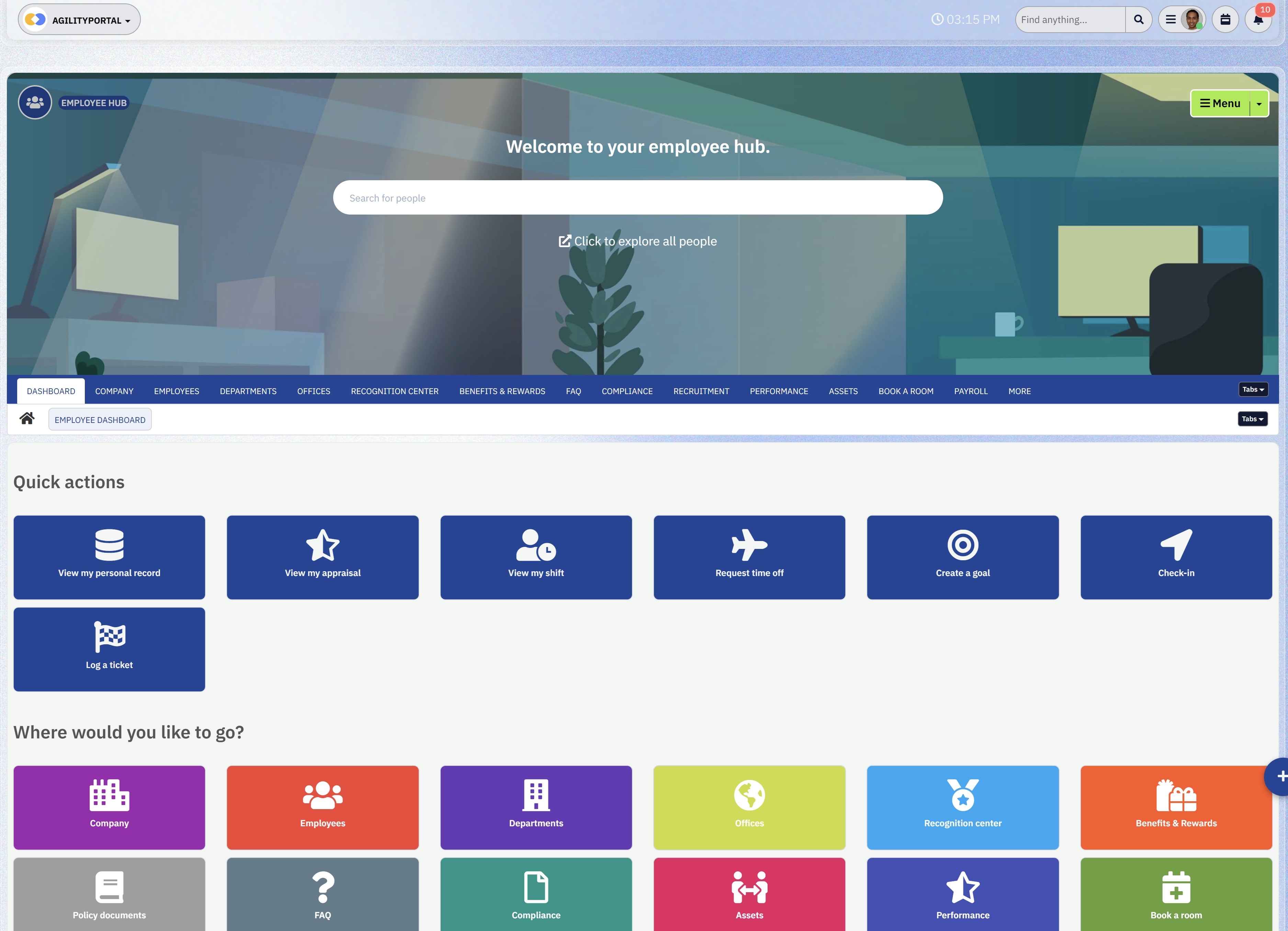
This is where AgilityPortal provides a practical solution.
AgilityPortal combines communication, collaboration, and content management into one centralized platform.
Rather than maintaining separate tools for websites, internal communication, and employee collaboration, organizations can manage everything from a single digital workplace environment.
As the organization grows, the platform can expand through additional modules, integrations, and features.
This flexibility allows businesses to continue developing their digital workplace without constantly replacing or rebuilding their systems.
In simple terms, AgilityPortal gives organizations a scalable foundation to manage internal operations, strengthen employee engagement, and deliver better digital experiences across the entire workplace.
Wrapping up
Employee engagement is no longer just an HR initiative—it has become a strategic driver of company performance, workplace productivity, and long-term business success.
Organizations that prioritize engagement create environments where employees feel connected to their work, aligned with company goals, and motivated to contribute to meaningful outcomes.
By investing in modern employee engagement software, businesses can improve internal communication, strengthen collaboration, and support a more transparent workplace culture.
These platforms also act as powerful workplace communication tools that help employees stay informed about company priorities, participate in feedback initiatives, and connect with colleagues across departments.
When companies implement the right employee engagement platform or digital workplace solution, the results are often visible across multiple areas of the business.
Organizations typically see improvements in employee productivity, knowledge sharing, employee experience, and team collaboration. Over time, these improvements contribute directly to stronger company performance, employee retention, and operational efficiency.
As more organizations adopt hybrid and remote work models, the need for centralized internal communication platforms, employee engagement solutions, and workplace collaboration tools will continue to grow.
Businesses that embrace these technologies are better positioned to build connected teams, maintain strong workplace cultures, and achieve sustainable performance in the modern digital workplace.
AI Summary
- Employee engagement plays a critical role in company performance, influencing productivity, retention, and overall workplace effectiveness.
- Research shows that organizations with highly engaged employees experience higher profitability, stronger productivity levels, and significantly lower turnover.
- Leadership, communication, and recognition programs are among the most important drivers of employee engagement within modern workplaces.
- Tracking engagement metrics such as retention, absenteeism, productivity, and survey results helps businesses measure the true impact of engagement initiatives.
- Employee engagement platforms centralize communication, feedback, collaboration, and knowledge sharing to create a more connected workplace.
- Companies that invest in engagement tools and digital workplace solutions are better positioned to improve employee experience and long-term business performance.
Most Popular Posts

Effective communication among team members is vital for the productivity and success of any organization. Surprisingly, 60% of companies lack a long-term internal communication strategy, which p...


Businesses thrive on communication for efficiency, productivity and accomplishment. When the right information is passed from the right designation in the organization, it promotes positivity an...

Categories
Blog
(3200)
Business Management
(395)
Employee Engagement
(235)
Digital Transformation
(218)
Growth
(150)
Intranets
(142)
Internal communications
(106)
Remote Work
(68)
Sales
(53)
Collaboration
(52)
Customer Experience
(33)
Culture
(30)
Knowledge Management
(29)
Project management
(29)
Leadership
(20)
Comparisons
(9)
News
(1)

Related Posts

Are your company updates reaching everyone—or just the employees who have time to check their inbox? Intranet and digital signage can help you connect with people who rarely sit at a desk, work different shifts or miss announcements buried betw...

How many customers could your business lose while your team is too busy to answer—and could a customer service AI agent help close that gap? Missed calls and unanswered messages can mean lost bookings, frustrated customers and more pressure on employ...

Could AI produce your next workplace video faster—and still deliver a message your employees can trust? As more businesses use video for onboarding, training and leadership updates, one question keeps coming up: will AI replace video editors in...

Could the best machine learning systems help your employees spend less time sorting requests, updating spreadsheets and chasing information—and more time doing useful work? That's the opportunity, but finding the right system starts with knowin...

What would happen to your team's work and customer information if an employee's MacBook disappeared today? If you're wondering how to protect your Mac physically, the answer goes beyond buying a case. A MacBook used at home, on a train or in a ...


Jill Romford
I am a digital nomad, lover of exploring new places and making friends.
I love to travel and I love the internet. I take pictures of my travels and share them on the internet using Instagram.
Traveler, entrepreneur, and community builder. I share my insights on digital marketing and social media while inspiring you to live your fullest life.
Ready to learn more? 👍
One platform to optimize, manage and track all of your teams. Your new digital workplace is a click away. 🚀
Free for 14 days, no credit card required.