Insight Blog
Agility’s perspectives on transforming the employee's experience throughout remote transformation using connected enterprise tools.
26 minutes reading time
(5294 words)
How LinkedIn Helps Scaling B2B Marketers Reach Audiences Using Creators and Video

How LinkedIn Helps Scaling B2B Marketers Reach Audiences Using Creators and Video
Learn how LinkedIn creators and video help B2B marketers scale audience reach, build trust with decision-makers, and generate more leads.
How LinkedIn Helps Scaling B2B Marketers Reach Audiences Using Creators and Video

Are B2B marketers missing the biggest audience growth opportunity on LinkedIn right now?
LinkedIn B2B marketing is evolving fast, and traditional company posts alone are no longer enough.
Today, the platform is increasingly driven by creators, industry experts, and video content that spreads through professional networks.
The scale is significant. LinkedIn now has over 1 billion members and more than 65 million decision-makers, and research shows that around 80% of B2B social media leads come from LinkedIn.
At the same time, video engagement continues to rise. Video posts often generate much higher interaction than static content, fueling the growth of LinkedIn creators—founders, consultants, and professionals sharing insights through posts and short videos.
As a result, many B2B companies are shifting away from relying only on company pages and instead partnering with creators, empowering employees, and using video to reach larger audiences.
In this guide, we'll explore how LinkedIn helps scaling B2B marketers reach audiences using creators and video—and how to build a strategy around it.
80%
of B2B social leads
The scale is significant. LinkedIn now has over 1 billion members and more than 65 million decision-makers, while research shows that around 80% of B2B social media leads come from LinkedIn.
Source: LinkedIn Marketing Solutions
Why LinkedIn Has Become the Most Powerful Platform for B2B Marketing
For B2B companies trying to reach decision-makers, few platforms offer the same level of access and influence as LinkedIn.
The network has grown into the world's largest professional community, with more than 1 billion users and over 65 million decision-makers actively engaging with business content.
Unlike other social platforms where users are primarily looking for entertainment, people come to LinkedIn specifically to learn, connect, and discover industry insights.
This professional mindset is one of the reasons LinkedIn consistently delivers stronger B2B marketing results.
Research widely cited across the industry shows that around 80% of B2B social media leads originate from LinkedIn, making it the most effective social platform for business-focused marketing campaigns.
As a result, many organizations are investing more heavily in LinkedIn marketing solutions that help them expand reach, build brand authority, and connect with the right professional audiences.
Another key factor behind LinkedIn's success is trust.
Because profiles are tied to real professional identities—job titles, companies, and career histories—content shared on the platform often carries greater credibility than posts on other social networks.
This environment makes LinkedIn particularly powerful for thought leadership, expert insights, and professional storytelling, all of which influence purchasing decisions in B2B markets.
Key Takeaways
- LinkedIn has become the most influential B2B social platform, with over 1 billion members and more than 65 million decision-makers actively engaging with professional content.
- Research shows that around 80% of B2B social media leads originate from LinkedIn, making it a critical channel for reaching business buyers.
- Creators and industry experts are reshaping LinkedIn marketing by building trusted audiences and sharing practical insights that attract engagement.
- Short-form video and expert commentary are quickly becoming some of the most effective content formats for expanding reach and visibility.
- Modern LinkedIn marketing solutions increasingly combine creator partnerships, employee advocacy, and video-driven content strategies to scale audience growth.
The Shift From Corporate Pages to People-Led Content
Credit: mrrunlocked.com
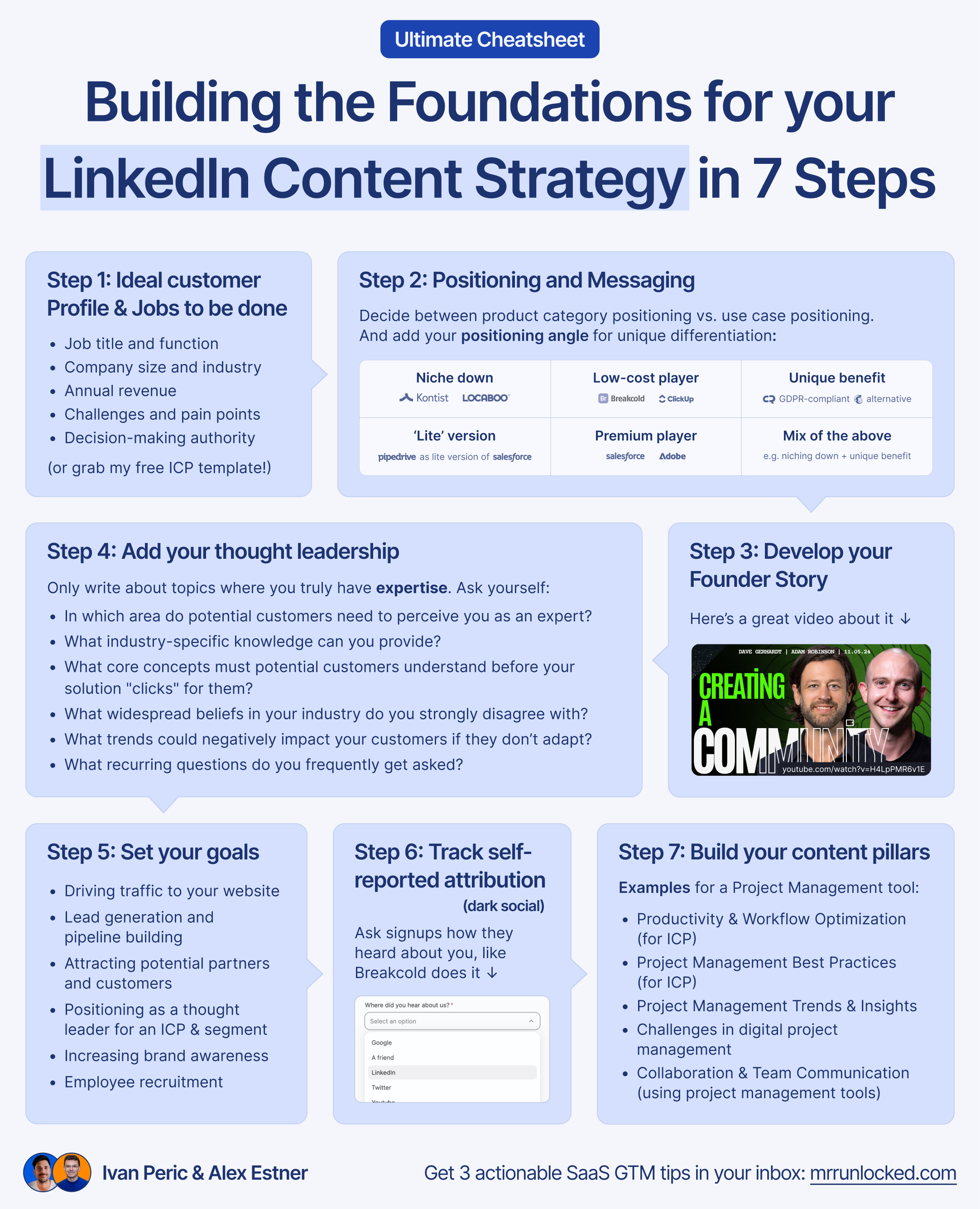
While company pages still play an important role, the most successful LinkedIn strategies now focus on people-led content.
Posts from founders, employees, and industry experts tend to generate significantly more engagement than corporate announcements.
This is because audiences connect more naturally with personal experiences, professional insights, and authentic viewpoints shared by individuals rather than brands.
As a result, many modern LinkedIn marketing ideas now include employee advocacy programs, creator collaborations, and executive thought leadership strategies designed to amplify brand visibility through real voices within an organization.
Why Decision Makers Trust Creators More Than Brand Ads
B2B buyers are increasingly skeptical of traditional advertising. Instead of relying on brand messaging alone, they look for trusted experts and industry voices who can provide practical insights and real-world experience.
LinkedIn creators—such as founders, consultants, analysts, and subject-matter experts—have become powerful influencers in the professional space.
Their content often feels more authentic, educational, and relevant than promotional campaigns.
When creators discuss industry trends, share case studies, or offer practical advice, audiences are more likely to engage and trust the information being presented.
For B2B marketers, partnering with these voices or developing internal creators has become a valuable way to build credibility and extend reach beyond a company's own network.
The LinkedIn Algorithm Rewards Personal Authority
Credit: onlinemediaworks.co.uk
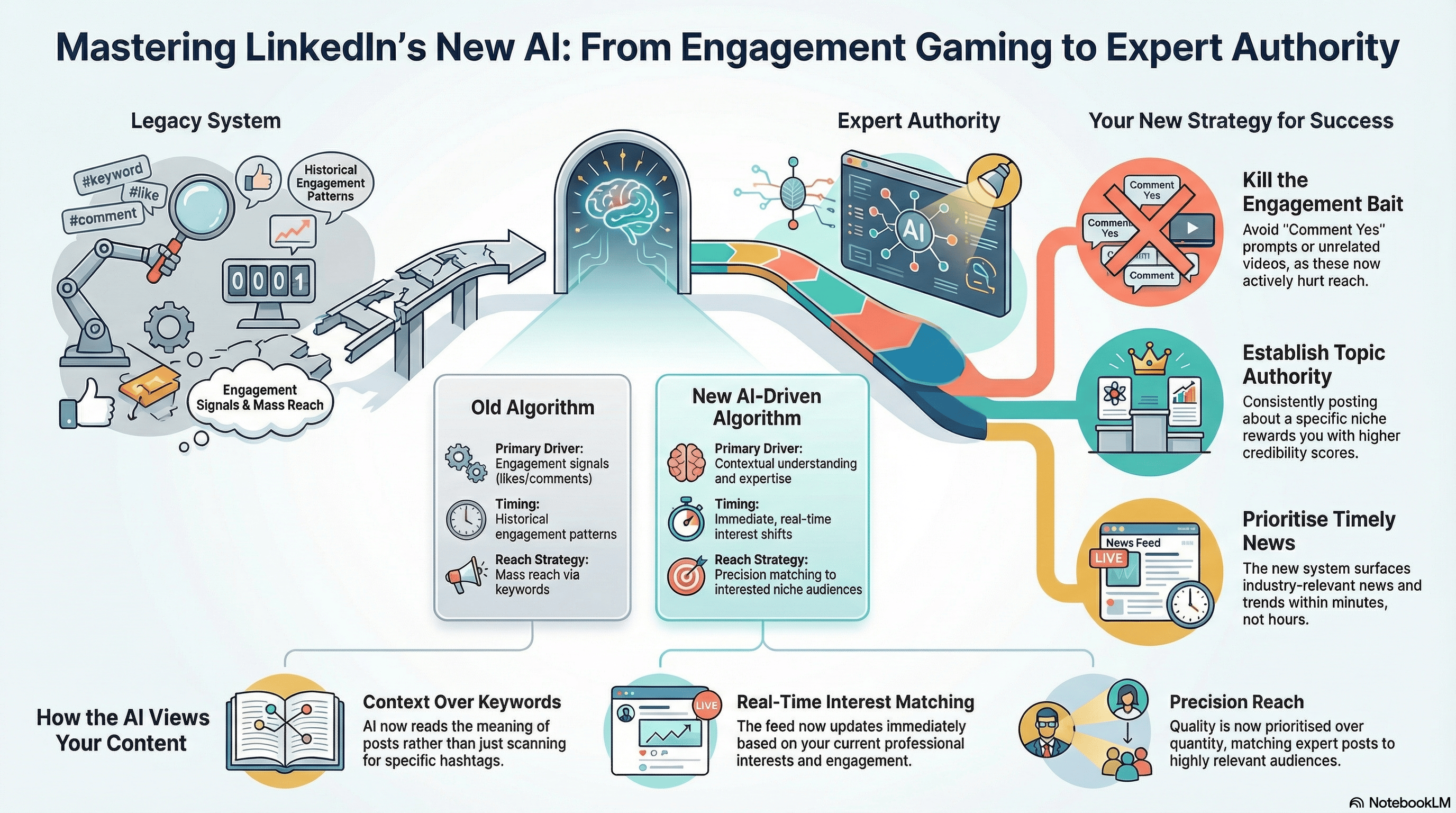
Another reason LinkedIn is so effective for B2B marketing is the way its algorithm distributes content.
The platform prioritizes posts that generate early engagement, spark meaningful conversations, and come from profiles with strong professional networks.
Content shared by individuals often spreads further because it reaches both first-degree connections and extended professional networks, allowing valuable insights to travel quickly across industries.
When creators or employees consistently publish useful content, their posts gain momentum through likes, comments, and reshares, expanding reach organically.
For businesses using LinkedIn marketing solutions, this means that investing in thought leadership, creator partnerships, and employee-generated content can dramatically increase visibility without relying entirely on paid advertising.
Over time, these strategies help companies build authority, grow their audience, and reach decision-makers at scale.
The Rise of the LinkedIn Creator Economy
Not long ago, LinkedIn was mostly a place for job updates, company announcements, and the occasional industry article.
But that's changed quickly. Today, LinkedIn is investing heavily in creators and positioning itself as a platform where professionals build audiences, share expertise, and influence buying decisions.
The shift is noticeable in the numbers. LinkedIn now has over 1 billion members, and the platform reports that engagement with creator-style content—personal insights, videos, and thought leadership posts—has grown significantly in recent years.
In fact, LinkedIn's internal data has shown that content shared by individuals often performs far better than content published from company pages.
This is why many B2B brands are paying close attention to the rise of the LinkedIn creator economy.
Instead of relying only on corporate messaging, companies are increasingly working with industry voices and encouraging employees to publish insights that reach wider professional networks.
The Rise of the LinkedIn Creator Economy
What Defines a LinkedIn Creator
When people hear the word "creator," they often think of YouTubers or TikTok influencers. On LinkedIn, though, creators look a bit different.
A LinkedIn creator is usually someone who consistently shares valuable professional insights and builds an audience around their expertise.
This could include:
- founders sharing lessons from building a company
- consultants explaining industry trends
- subject-matter experts posting educational content
- employees sharing behind-the-scenes experiences
- niche educators teaching practical business skills
For example, a SaaS founder might post a short video explaining how their team improved customer onboarding, while a cybersecurity consultant might publish weekly posts breaking down recent security threats affecting businesses.
These posts are not traditional marketing messages. Instead, they feel more like professional conversations, which is exactly why audiences engage with them.
Why Creators Drive More Engagement Than Brand Pages
One of the most interesting things about LinkedIn is that people trust people more than brands.
When a company page posts an update, it often reads like marketing. But when an individual shares an experience or insight, it feels more authentic.
That authenticity translates directly into engagement. Industry research and LinkedIn marketing data consistently show that personal posts tend to generate significantly higher interaction than company page content.
Think about a simple example.
If a company page posts:
"We're excited to announce our new product feature."
It might receive a few likes.
But if the product manager posts:
"After six months of testing, our team finally solved the biggest problem customers had with this feature…"
That post is more likely to start conversations, attract comments, and spread across the platform.
Creators also tend to use storytelling, which keeps audiences interested. Instead of simply announcing updates, they explain what happened, what they learned, and why it matters to others in the industry.
Over time, these conversations build a community of professionals who follow the creator's insights.
Creator Partnerships Are Becoming the New B2B Influencer Marketing
Another major trend is how companies are partnering with creators to reach new audiences. In B2B marketing, this is quickly becoming the equivalent of influencer marketing for professionals.
For example:
- A SaaS founder might collaborate with an industry consultant on a joint LinkedIn Live discussion.
- A company might invite a well-known expert to write a guest thought leadership post.
- Two founders might create a short video conversation discussing industry challenges.
These collaborations expose both creators to each other's audiences, helping content spread further across LinkedIn's professional network.
It's also highly effective because the content feels educational rather than promotional. When audiences learn something valuable from a creator they trust, they are naturally more open to the brand behind the conversation.
As LinkedIn continues investing in creator tools, video features, and algorithm distribution, the creator economy is becoming one of the most powerful growth channels for B2B marketers looking to scale their reach.
Why Video Is Becoming LinkedIn's Fastest-Growing Content Format
If you spend even a few minutes scrolling through LinkedIn today, you'll notice something that wasn't common a few years ago: a lot more video.
LinkedIn has been steadily pushing video as a key format on the platform, and the results are clear. According to LinkedIn marketing data, video content often generates significantly higher engagement than text-only posts, with viewers more likely to react, comment, and share.
For B2B marketers, this shift is important.
Video allows companies and creators to explain complex ideas quickly, build trust with their audience, and stand out in busy feeds.
Instead of reading a long post, professionals can watch a short clip, understand the message in seconds, and decide whether to engage with the content.
This is why many modern LinkedIn marketing solutions now include video as a core part of their content strategy.
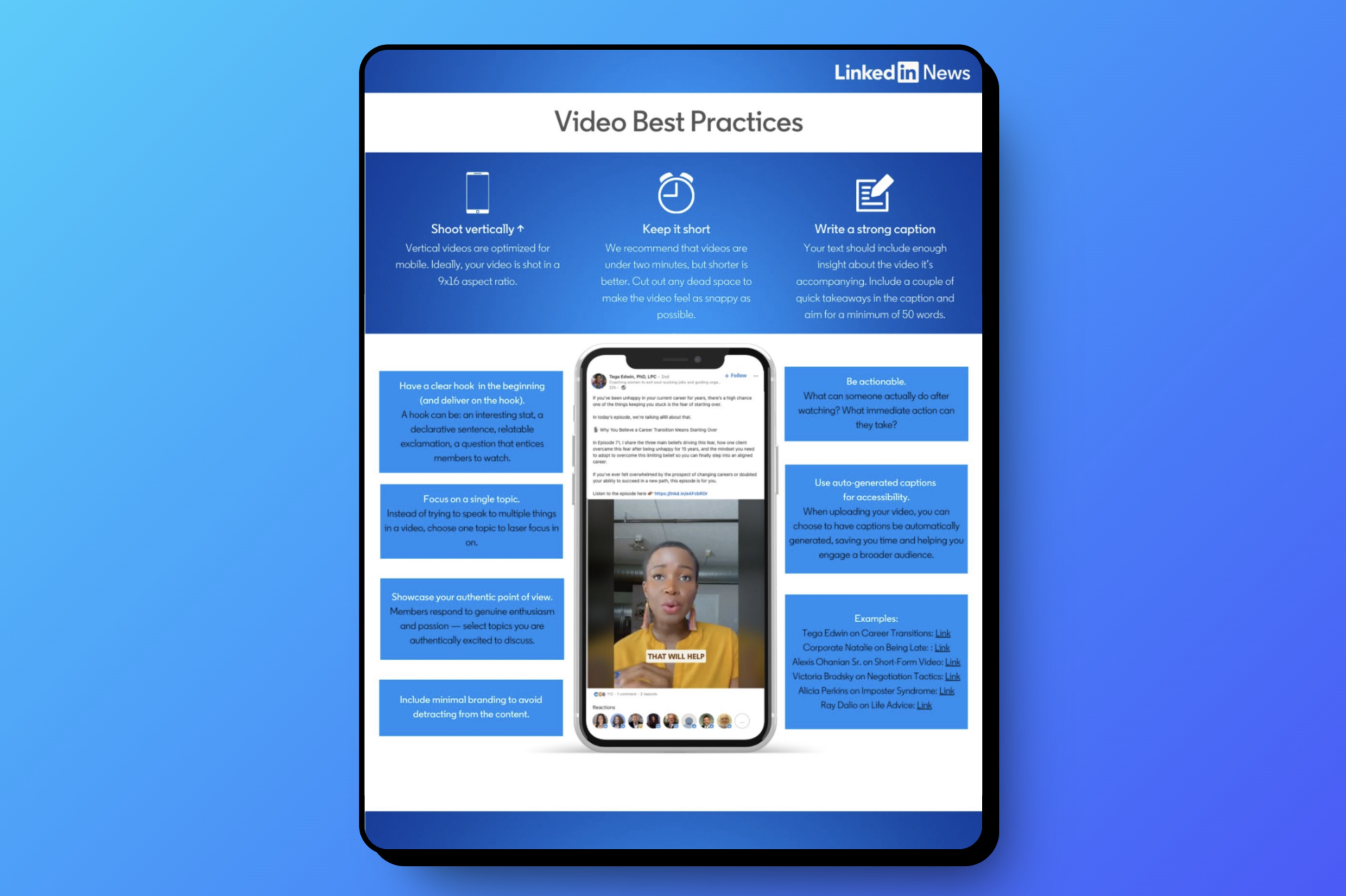
Credit: lindseygamble.com
Why Video Performs Better Than Text Posts
There are a few simple reasons why video tends to outperform traditional text posts on LinkedIn.
First, video naturally attracts attention. When someone is scrolling through their feed, a moving thumbnail is far more likely to catch their eye than a block of text. This alone can significantly increase the chances of someone stopping to engage with a post.
Second, video is great for storytelling. Instead of simply writing about an idea, creators can explain it with tone, visuals, and real examples. This makes the message easier to understand and often more memorable.
Third, the LinkedIn algorithm tends to favor content that keeps users on the platform longer.
Since people often spend more time watching videos than reading posts, video can send stronger engagement signals to the algorithm.
For example, a founder might write a long post explaining how they scaled their startup's customer acquisition strategy. That post might perform reasonably well.
But if the same founder records a 60-second video explaining the three key lessons they learned, it's more likely to attract attention and start conversations.
Types of LinkedIn Videos That Work Best
Not every video format works well on LinkedIn. The most successful videos tend to be short, practical, and focused on professional insights.
Some of the formats that consistently perform well include:
- Short insight videos - Quick clips where a professional shares a lesson learned from a recent project or business experience.
- Industry commentary - Creators explaining recent trends, news, or challenges affecting their industry.
- Behind-the-scenes company content - Videos showing how teams work, how products are built, or how companies solve real business problems.
- Expert interviews - Short discussions between professionals sharing knowledge about a specific topic.
- Educational content - Step-by-step explanations of strategies, tools, or frameworks that help other professionals learn something useful.
For instance, a cybersecurity expert might publish a two-minute video explaining a recent data breach and what businesses should learn from it, while a marketing consultant might record a short clip breaking down three LinkedIn growth tactics that worked for their clients.
Short-Form Video Is Reshaping B2B Content
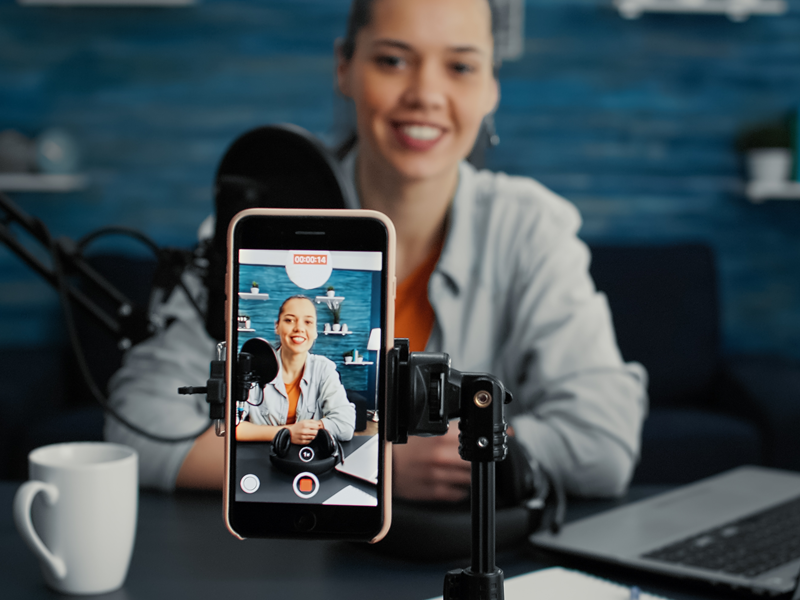
Short-Form Video Is Reshaping B2B Content
Another interesting trend is how short-form video is influencing B2B marketing.
Platforms like TikTok, Instagram Reels, and YouTube Shorts have changed how people consume content. Instead of long-form videos, audiences are increasingly drawn to short, informative clips that deliver value quickly.
That same behavior is now appearing on LinkedIn.
Many creators are publishing 30- to 90-second videos sharing quick insights, lessons, or opinions about industry topics. These videos are easy to watch during a coffee break or between meetings, making them ideal for busy professionals.
For B2B marketers, this opens up new opportunities. Instead of producing expensive, polished corporate videos, companies can create simple, authentic content featuring founders, employees, or industry experts sharing their expertise.
When combined with creator partnerships and thought leadership, short-form video is quickly becoming one of the most effective ways for B2B brands to expand their reach and connect with professional audiences on LinkedIn.
How Creators and Video Help B2B Marketers Reach Audiences at Scale
So how exactly do creators and video help B2B marketers reach larger audiences on LinkedIn?
It mostly comes down to distribution, trust, and algorithm momentum.
Instead of relying only on a company page to push content out to a limited audience, creators and video allow content to travel across multiple professional networks at the same time.
When a well-known industry voice shares insights through posts or short videos, that content doesn't just reach their followers—it often spreads to second- and third-degree connections, expanding the audience far beyond the original network.
This is one reason why many modern LinkedIn marketing solutions now focus on creator partnerships, employee advocacy, and video-driven content strategies
Distribution Through Creator Networks
Creators already have something most brands are still trying to build: an engaged audience that trusts their expertise.
For example, marketing expert Justin Welsh, who has built a large LinkedIn following by sharing lessons about audience growth and solopreneurship, regularly publishes short posts and videos that reach hundreds of thousands of professionals.
When he shares insights about SaaS growth or personal branding, the content spreads quickly because his audience already expects valuable information.
Another example is Refine Labs, a B2B marketing company that grew its visibility largely through LinkedIn thought leadership.
Their team frequently shares insights and short videos explaining demand generation strategies, and those posts often spark long comment threads with marketers discussing real-world experiences.
The reason this works is simple: creators attract niche audiences.
A cybersecurity expert might attract CISOs and IT leaders, while a SaaS founder might attract startup operators and investors.
When brands collaborate with creators in these niches, they can instantly reach a relevant professional audience that would otherwise take years to build.
Industry research also supports this trend.
According to Edelman and LinkedIn's B2B Thought Leadership Impact Study, 64% of B2B buyers say thought leadership content is a more trustworthy basis for evaluating companies than traditional marketing materials.
That's why many B2B brands are now partnering with creators or encouraging employees to become industry voices themselves.
Algorithm Amplification
Another reason creators and video scale so well on LinkedIn is the platform's algorithm.
LinkedIn prioritizes content that generates early engagement and meaningful interactions. When a post receives likes, comments, and shares shortly after being published, the algorithm interprets that as a signal that the content is valuable.
This is where creators often have an advantage.
For instance, when a founder with a strong following posts a short video explaining a new industry trend, their audience is more likely to comment or react quickly.
That early engagement tells LinkedIn to show the post to a wider network, which can dramatically increase reach.
A good example is Salesforce executives, who frequently share insights and short videos discussing AI, customer experience, and enterprise technology. Because these posts attract quick engagement from professionals across the industry, LinkedIn often distributes them far beyond their immediate follower base.
According to LinkedIn marketing research, posts that generate strong early engagement are significantly more likely to be distributed across extended networks, helping creators and brands reach audiences at scale.
Video content also strengthens this effect. Since users typically spend more time watching a video than reading a short post, it sends stronger engagement signals to the algorithm.
Content Compounds Over Time
One of the biggest advantages of creator-led content is that it continues generating value long after it's published.
Unlike paid ads that disappear when the budget stops, creator content often keeps circulating across LinkedIn through comments, reshares, and search.
For example, a product leader at HubSpot might publish a short video explaining how companies can improve customer onboarding. That video might initially reach a few thousand viewers, but as professionals continue commenting or sharing it, the post can resurface in new feeds weeks later.
Some LinkedIn posts from well-known creators accumulate hundreds of comments and thousands of reactions, turning a single piece of content into an ongoing professional discussion.
Another example is Gong, a revenue intelligence company that built massive visibility on LinkedIn by consistently sharing sales insights, short videos, and practical tips from their team. Over time, these posts compound into a library of valuable content that sales professionals regularly engage with and share.
This compounding effect is one reason why creators and video are becoming such a powerful part of modern LinkedIn marketing solutions. Instead of relying on one-off campaigns, companies can build a steady stream of valuable content that continues attracting attention, generating engagement, and expanding reach over time.
When done well, creator-driven content doesn't just reach audiences once—it keeps working in the background, helping brands build authority and grow their presence across LinkedIn's professional network.
Practical LinkedIn Creator Strategies for B2B Brands
So the big question most B2B marketers ask is: how do you actually use creators and video effectively on LinkedIn?
The good news is that you don't need a massive budget or a full media team to make it work.
Many of the brands seeing the most success on LinkedIn today are simply combining industry expertise, authentic voices, and consistent video content.
In fact, LinkedIn's own research shows that thought leadership content can increase purchase consideration by up to 54% among B2B decision-makers.
That means the more useful insights your company shares through creators, the more likely potential buyers are to pay attention.
Below are a few practical strategies that companies are already using successfully.
Partner With Industry Experts
One of the fastest ways to expand your reach on LinkedIn is by collaborating with industry experts who already have an engaged audience.
Instead of trying to build an audience from scratch, brands can work with creators who are already known in their niche.
These collaborations often feel more authentic than traditional marketing because the focus is on sharing insights rather than promoting products.
For example, Salesforce frequently collaborates with industry analysts, founders, and technology leaders through LinkedIn Live discussions and expert panels.
These conversations generate strong engagement because audiences are interested in the expertise being shared, not just the brand behind the event.
There are several simple ways to work with creators:
- Co-created posts - Invite an industry expert to share their perspective on a topic and publish a collaborative post discussing insights or lessons learned.
- Expert interviews - Record short video interviews with professionals in your industry and share them as LinkedIn clips.
- Webinars and live discussions - Host a live event where creators and industry experts discuss real challenges businesses are facing.
This type of content works well because it feels like a professional conversation rather than a sales pitch. Audiences learn something useful while also becoming familiar with the brand hosting the discussion.
Turn Employees Into Creators
Another powerful strategy is encouraging employees to become creators themselves.
Many B2B companies overlook one of their biggest marketing assets: the expertise of their own team.
Product managers, engineers, marketers, and customer success leaders often have valuable insights that other professionals want to learn from.
A great example of this is Gong, the revenue intelligence platform.
Gong's employees regularly share insights about sales conversations, revenue strategies, and customer interactions on LinkedIn. These posts attract strong engagement because they provide practical advice backed by real experience.
Employee advocacy programs help companies benefit in several ways:
- Organic reach - When employees post insights, the content reaches their personal networks, which can significantly expand visibility.
- Employer branding - Professionals are more likely to trust companies whose employees actively share expertise and industry knowledge.
- Credibility - Insights coming from real practitioners feel more authentic than corporate messaging.
LinkedIn data has shown that employees typically have networks that are multiple times larger than their company's follower base, which means empowering employees to share content can dramatically increase reach.
Build a Creator-Driven Content Engine
The companies that grow fastest on LinkedIn usually treat content like an ongoing system rather than a one-off campaign.
Instead of posting randomly, they create a consistent content rhythm that mixes thought leadership, video insights, and creator collaborations.
For example, marketing company Refine Labs built a large LinkedIn audience by consistently publishing insights about demand generation, marketing strategy, and B2B growth.
Their team regularly shares posts, short videos, and commentary that spark conversations among marketers.
A simple weekly structure can make this process easier.
| Day | Content |
| Monday | Insight post sharing a lesson or industry perspective |
| Tuesday | Short video explaining a practical tip or strategy |
| Wednesday | Creator collaboration or expert interview |
| Thursday | Industry analysis or commentary on recent news |
| Friday | Community discussion or question for the audience |
This approach helps brands stay visible while building credibility over time.
The key is consistency. When professionals regularly see useful insights from the same creators or company voices, they begin to recognize the brand as a trusted source of industry knowledge.
Over time, this steady stream of creator-driven content can turn LinkedIn into one of the most effective LinkedIn marketing solutions for scaling B2B audience growth.
Common Mistakes B2B Marketers Make on LinkedIn
Even though LinkedIn has become the most effective social platform for B2B marketing, many companies still struggle to get meaningful results from it.
The reason usually isn't the platform—it's the way it's being used.
According to LinkedIn marketing data, around 80% of B2B social media leads originate from LinkedIn, yet many brands still treat the platform like a traditional corporate communication channel rather than a place for professional conversations.
Let's look at a few of the most common mistakes B2B marketers make—and why they hold companies back.
Mistake 1: Only Posting From the Company Page
One of the biggest mistakes companies make is relying entirely on their company page to publish content.
While company pages are important for brand visibility, they often generate much lower engagement than posts from individuals. That's because LinkedIn is fundamentally a network built around professional relationships between people, not brands.
For example, a company might publish a product update on its page and receive a handful of reactions. But if the same announcement is shared by a founder, product leader, or employee explaining the story behind the feature, the post is far more likely to spark conversation.
A good example of this approach is HubSpot. While the company's page shares updates, many of its employees—including product leaders and marketing experts—regularly publish insights from their personal profiles. These posts often generate far more engagement because they include real experiences, lessons, and opinions.
LinkedIn itself has also highlighted that employees' networks are typically much larger than their company's follower base, which means empowering employees to share content can significantly expand reach.
In practice, this means the most effective LinkedIn marketing strategies focus on people-led content, not just corporate posts.
Mistake 2: Treating LinkedIn Like a Traditional Ad Channel
Another common mistake is treating LinkedIn purely as an advertising platform.
Some companies approach LinkedIn the same way they approach display advertising—publishing promotional messages about products, discounts, or new features.
The problem is that most professionals on LinkedIn are not looking to be sold to immediately. Instead, they are looking to learn something useful or stay informed about their industry.
For instance, Gong, a well-known revenue intelligence company, built massive brand visibility on LinkedIn by sharing practical sales insights rather than pushing product promotions. Their posts frequently break down real sales conversations, explain customer behavior, or provide actionable tips for sales teams.
Because the content is genuinely useful, professionals engage with it and share it across their networks. Over time, this approach has helped Gong build a strong reputation within the sales community.
Research from Edelman and LinkedIn's B2B Thought Leadership Impact Study supports this strategy. The study found that 64% of B2B buyers say thought leadership content is a more trustworthy basis for evaluating a company than traditional marketing materials.
In other words, the brands that succeed on LinkedIn focus on education and expertise first, and promotion second.
Mistake 3: Avoiding Video Because It Feels "Too Social"
A surprising number of B2B marketers still avoid video because they believe it feels too informal for a professional platform.
However, this perception is quickly changing.
LinkedIn has reported strong growth in video consumption on the platform, and video posts often generate significantly higher engagement than static content. Professionals are increasingly comfortable watching short insights, interviews, and industry commentary during their workday.
For example, the team at Refine Labs frequently publishes short LinkedIn videos discussing demand generation strategies and marketing trends. These clips often spark conversations among marketers because they explain complex ideas in a quick and engaging way.
Video also helps audiences connect with the person behind the message. Seeing a founder explain a strategy or an engineer discuss how a product works creates a more personal experience than reading a text-only update.
And the videos don't need to be highly produced. In many cases, simple videos recorded with a phone or webcam perform just as well—if not better—than polished corporate productions.
For B2B marketers looking to expand their reach, embracing video is becoming an essential part of modern LinkedIn marketing solutions, especially as the platform continues to prioritize engaging visual content in its feed.
By avoiding these common mistakes and focusing on people-led content, valuable insights, and engaging formats like video, companies can unlock far more value from LinkedIn and connect with the professional audiences that matter most.
The Future of LinkedIn B2B Marketing
LinkedIn is already one of the most influential platforms for B2B marketing, but the way companies use it is still evolving.
With more than 1 billion members and over 65 million decision-makers active on the platform, LinkedIn continues to be the primary place where professionals discover ideas, follow industry voices, and evaluate vendors.
According to LinkedIn's own data, around 80% of B2B social media leads originate from LinkedIn, making it the most effective network for reaching business buyers.
Learn more here: https://business.linkedin.com/marketing-solutions/blog/linkedin-b2b-marketing-statistics
One of the biggest shifts shaping the future of LinkedIn is the growing role of creators and thought leaders. Instead of relying only on company pages, brands are increasingly partnering with experts who already have engaged audiences.
For example, companies like HubSpot and Salesforce regularly collaborate with founders, consultants, and analysts who share industry insights through posts, discussions, and short videos.
These collaborations work because audiences tend to trust professional voices more than brand messaging.
Research from the Edelman–LinkedIn B2B Thought Leadership Impact Study found that 64% of B2B decision-makers say thought leadership is a more trustworthy way to evaluate a company than traditional marketing materials.
Read the full post here https://www.edelman.com/research/b2b-thought-leadership-impact
At the same time, video is expected to play a much larger role in LinkedIn marketing strategies. Short videos explaining industry insights, product lessons, or professional experiences are becoming common in the LinkedIn feed.
Companies like Gong and Refine Labs have built large audiences by publishing short videos that break down sales strategies, marketing frameworks, and real customer experiences.
Several trends are likely to define how LinkedIn marketing evolves over the next few years:
- more collaboration between brands and industry creators
- increased use of short-form professional video content
- AI-assisted tools helping marketers generate and distribute content faster
- stronger employee advocacy programs where staff share industry insights
- the emergence of niche B2B influencer communities across industries
However, LinkedIn will also face an important challenge moving forward: maintaining and rebuilding trust among its users.
Over the years, the platform has faced scrutiny following major data exposure incidents, including the large LinkedIn data leak where information from hundreds of millions of profiles was scraped and circulated online.
Security researchers reported that data from approximately 700 million LinkedIn users appeared on hacking forums, making it one of the largest data exposures involving the platform. Source: https://cybernews.com/security/700-million-linkedin-users-data-leak/
Incidents like this highlight why privacy and security are becoming critical concerns for professional networks.
LinkedIn will need to continue investing in stronger protections, transparency, and user safeguards to maintain confidence among professionals and businesses that rely on the platform for communication and networking.
Despite these challenges, LinkedIn's role in B2B marketing is only growing.
As creators, video, and professional communities continue expanding on the platform, companies that adapt early will be in a strong position to reach larger audiences, build authority, and generate meaningful business relationships through modern LinkedIn marketing solutions.
Wrapping up
LinkedIn is no longer just a professional networking platform. It has evolved into a creator-driven content ecosystem where video, expertise, and authentic voices help B2B brands reach audiences at scale.
For scaling companies, the opportunity lies in combining creators, video, and thought leadership to build trust and visibility with the right decision-makers.
The brands that succeed on LinkedIn won't simply publish corporate updates. They will empower creators, encourage employee voices, and embrace video as a primary channel for storytelling.
Most Popular Posts

Effective communication among team members is vital for the productivity and success of any organization. Surprisingly, 60% of companies lack a long-term internal communication strategy, which p...


Businesses thrive on communication for efficiency, productivity and accomplishment. When the right information is passed from the right designation in the organization, it promotes positivity an...

Categories
Blog
(3202)
Business Management
(395)
Employee Engagement
(235)
Digital Transformation
(218)
Growth
(150)
Intranets
(142)
Internal communications
(106)
Remote Work
(68)
Sales
(53)
Collaboration
(52)
Customer Experience
(33)
Culture
(30)
Knowledge Management
(29)
Project management
(29)
Leadership
(20)
Comparisons
(9)
News
(1)

Related Posts

Could an AI coworker take some of the busywork off your team's plate? The best AI coworkers promise to help employees research topics, prepare documents, find information and handle recurring tasks. But choosing one means looking beyond an impressive...

Are your company updates reaching everyone—or just the employees who have time to check their inbox? Intranet and digital signage can help you connect with people who rarely sit at a desk, work different shifts or miss announcements buried betw...

How many customers could your business lose while your team is too busy to answer—and could a customer service AI agent help close that gap? Missed calls and unanswered messages can mean lost bookings, frustrated customers and more pressure on employ...

Could AI produce your next workplace video faster—and still deliver a message your employees can trust? As more businesses use video for onboarding, training and leadership updates, one question keeps coming up: will AI replace video editors in...

Could the best machine learning systems help your employees spend less time sorting requests, updating spreadsheets and chasing information—and more time doing useful work? That's the opportunity, but finding the right system starts with knowin...


Annet Herges
I am a digital nomad, lover of exploring new places and making friends.
I love to travel and I love the internet. I take pictures of my travels and share them on the internet using Instagram.
Traveler, entrepreneur, and community builder. I share my insights on digital marketing and social media while inspiring you to live your fullest life.
Ready to learn more? 👍
One platform to optimize, manage and track all of your teams. Your new digital workplace is a click away. 🚀
Free for 14 days, no credit card required.