
Insight Blog
Agility’s perspectives on transforming the employee's experience throughout remote transformation using connected enterprise tools.
17 minutes reading time
(3398 words)
7 High-Impact 3D Direct Mail Campaigns That Boost Engagement Fast

7 High-Impact 3D Direct Mail Campaigns That Boost Engagement Fast
Discover 7 high-impact 3D direct mail campaigns that boost engagement fast, with real examples, ideas, and strategies brands use to stand out.
7 High-Impact 3D Direct Mail Campaigns That Boost Engagement Fast

So you think grabbing attention today is all about digital ads and clever subject lines?
Here's what we found: brands are quietly going back to something far more tangible—3D mailers—and getting better results than you'd expect.
Believe it or not, in a world overloaded with emails, pop-ups, and endless scrolling, people still respond more strongly to something they can actually hold.
That's exactly why 3d mailers are making a comeback—they're physical, unexpected, and almost impossible to ignore.
And here's the part most marketers miss… it's not just about being creative. It's about creating a moment. Something that interrupts routine, sparks curiosity, and makes the recipient pause before tossing it aside.
In fact, according to the Data & Marketing Association, direct mail achieves an average response rate of 4.4%, compared to just 0.12% for email—a huge gap that shows how powerful physical campaigns can be when done right.
4.4%
average direct mail response rate
According to the Data & Marketing Association, direct mail achieves an average response rate of 4.4%, compared to just 0.12% for email—highlighting how powerful physical campaigns can be when done right.
Source: Data & Marketing Association
So, if you're wondering whether 3D mailers are still worth it, the short answer is yes—especially if your goal is to stand out in a crowded market.
Let's break down what actually works and explore 7 high-impact 3D direct mail campaigns that are boosting engagement fast.
Key Takeaways
- 3D mailers stand out by creating physical, interactive experiences that cut through digital noise and increase engagement.
- High-impact direct mail campaigns combine creativity with strategy, including targeting, timing, and clear calls to action.
- Useful, personalised, and interactive mailers consistently outperform generic or overly complex designs.
- Combining 3D mailers with digital follow-ups like email and landing pages turns attention into measurable results.
- Success depends on delivering relevance and value, not just visual impact, especially in B2B and account-based marketing campaigns.
Why are brands suddenly investing in 3D direct mail again?
So you think direct mail is outdated and no one really pays attention to it anymore?
Here's what we found: it's not that mail stopped working—it just evolved. And one of the biggest shifts right now is the rise of 3D mailers.
Believe it or not, a 3D mailer is exactly what it sounds like—it's a physical, dimensional piece of mail that goes beyond a flat letter or postcard.
Instead of just paper, it might include objects, layered packaging, or creative formats designed to grab attention the moment it lands on someone's desk.
At its core, the goal is simple: make the recipient stop, look, and interact.
You'll typically see this done through things like custom packaging, dimensional inserts, or even branded items inside carefully designed formats—sometimes referred to as types of mailers or types of mailer boxes—but the real focus isn't the format itself, it's the experience it creates.
Now here's the real question most people ask…
Do mailers still work?
Short answer: yes—but only if you do them properly.
Digital fatigue is very real.
People are overwhelmed with emails, ads, notifications—you name it. Most of it gets ignored without a second thought.
Physical mail, on the other hand, feels different. It's tangible, harder to dismiss, and more likely to be remembered.
There's also a psychological edge. When someone physically opens something, touches it, and interacts with it, it creates a stronger emotional connection than anything on a screen.
That's exactly why 3D mailers outperform standard formats—they don't just deliver a message, they create an experience.
And here's where it gets interesting…
Because fewer companies are investing in direct mail today, there's actually less competition in the physical space. That means when something well-designed shows up, it stands out instantly.
So no, mailers didn't stop working. Most brands just stopped using them effectively.
And that's why the ones who are using 3D mailers right now are getting attention others simply can't buy digitally.
4.4%
direct mail response rate
According to the Data & Marketing Association, direct mail achieves an average response rate of 4.4%, compared to just 0.12% for email—showing how much stronger physical campaigns can perform when done right.
Source: Data & Marketing Association
What actually makes a 3D direct mail campaign "high-impact"?
So you think throwing something bulky in a box is enough to impress people?
Here's what we found: most dimensional mail campaigns fail because they focus on being "different"… not being effective.
Believe it or not, the best-performing campaigns aren't always the flashiest—they're the ones that are carefully thought through from start to finish.
Let's break down what actually separates a high-impact campaign from one that ends up in the bin.
It starts with the surprise factor (but not in the way you think)
Yes, surprise matters—but random doesn't work.
You need something that makes the recipient pause for a second and think:
"Wait… what is this?"
- Unexpected shapes or packaging
- Creative opening experiences (pull tabs, reveals)
- Something that breaks the "standard mail" pattern
The goal isn't confusion—it's curiosity.
Utility always beats gimmicks
Here's where most brands get it wrong…
They send something flashy that looks cool for 5 seconds… and then gets thrown away.
High-performing creative direct mail campaigns focus on usefulness:
- Desk items people keep
- Tools or resources tied to your offer
- Something that earns a place in their daily routine
If it sticks around, your brand sticks around.
Personalisation is where response rates jump
Generic messaging kills engagement—simple as that.
The best personalised direct mail campaigns feel like they were made for one person, not a list.
- Use the recipient's name, role, or company
- Reference a real pain point they're facing
- Align the message with their industry
This is especially powerful in account-based marketing (ABM) where relevance is everything.
A clear CTA (because attention means nothing without action)
You've got their attention—great. Now what?
Too many campaigns forget this part.
- Tell them exactly what to do next
- Use QR codes, custom URLs, or landing pages
- Keep the next step simple and frictionless
No CTA = wasted budget.
Timing and targeting make or break the campaign
Even the best direct mail marketing strategy will fail if it hits the wrong person at the wrong time.
- Target high-value prospects, not everyone
- Align campaigns with buying cycles
- Sync with digital touchpoints (email, ads, follow-ups)
This is where good campaigns become great—when they're part of a bigger system, not just a one-off send.
High-impact campaigns aren't about sending bigger boxes—they're about sending smarter ones.
When you combine:
- Curiosity
- Practical value
- Personal relevance
- Clear next steps
- Smart timing
…that's when your campaign stops being "just another piece of mail" and starts driving real results.
Campaign #1: How a simple pop-up design made people stop and engage
Pop-up designs might seem simple on the surface, but in direct mail marketing, they're one of the most effective ways to drive real interaction.
Instead of delivering a flat message, a pop-up mailer creates a physical experience—something the recipient opens, explores, and remembers.
A pop-up mailer works by revealing a 3D element when opened, turning a standard message into something visual and interactive.
This could be a product model rising from the page, a layered message that unfolds step-by-step, or a small scene that brings a concept to life.
The key difference is that it shifts the recipient from passively reading to actively engaging, which is exactly what most direct mail campaigns struggle to achieve.
Why pop-up mailers perform so well
The effectiveness comes down to how people process information. Physical interaction naturally increases attention and memory, which is why dimensional mail campaigns often outperform traditional formats.
- Creates curiosity the moment it's opened
- Increases engagement time compared to flat mail
- Improves brand recall through physical interaction
- Breaks the pattern of standard mail, making it harder to ignore
Because fewer brands invest in this type of creative direct mail, the ones that do instantly stand out.
Practical ways to use pop-up mailers
Pop-up designs work best when they support a clear message rather than just looking impressive.
Brands using direct mail advertising effectively tend to focus on use cases that combine creativity with purpose:
- Product showcases – visually demonstrate what you offer in seconds
- Story-driven campaigns – guide the recipient through a problem and solution
- Event invitations – create a premium, memorable first impression
- Launch campaigns – reveal features or benefits in stages
The benefits go beyond attention.
When combined with a clear call-to-action, pop-up mailers can drive higher response rates, better conversion outcomes, and a more memorable overall brand experience.
For targeted campaigns—especially in B2B or account-based marketing—this approach turns a simple piece of mail into something that actually gets noticed and acted on.
Campaign #2: Why sending something useful (not just flashy) drives better results
Flashy designs might grab attention for a moment, but usefulness is what keeps your brand around long after the campaign ends.
In direct mail marketing, the most effective approach isn't always about being bold—it's about being practical.
When recipients get something they can actually use, the interaction doesn't stop after opening.
Items like branded desk tools, organisers, or everyday office essentials naturally stay within reach, creating repeated exposure without any extra effort.
This is where many creative direct mail campaigns outperform digital—your message doesn't disappear after a click.
- Branded items increase long-term visibility
- Useful tools create repeat engagement
- Practical value improves brand perception
From an ROI perspective, this approach makes sense.
Instead of a one-time impression, you're creating multiple touchpoints over time. In high-value B2B marketing strategies, that consistency can make a significant difference in recall and response rates.
Campaign #3: How luxury packaging instantly increases perceived value
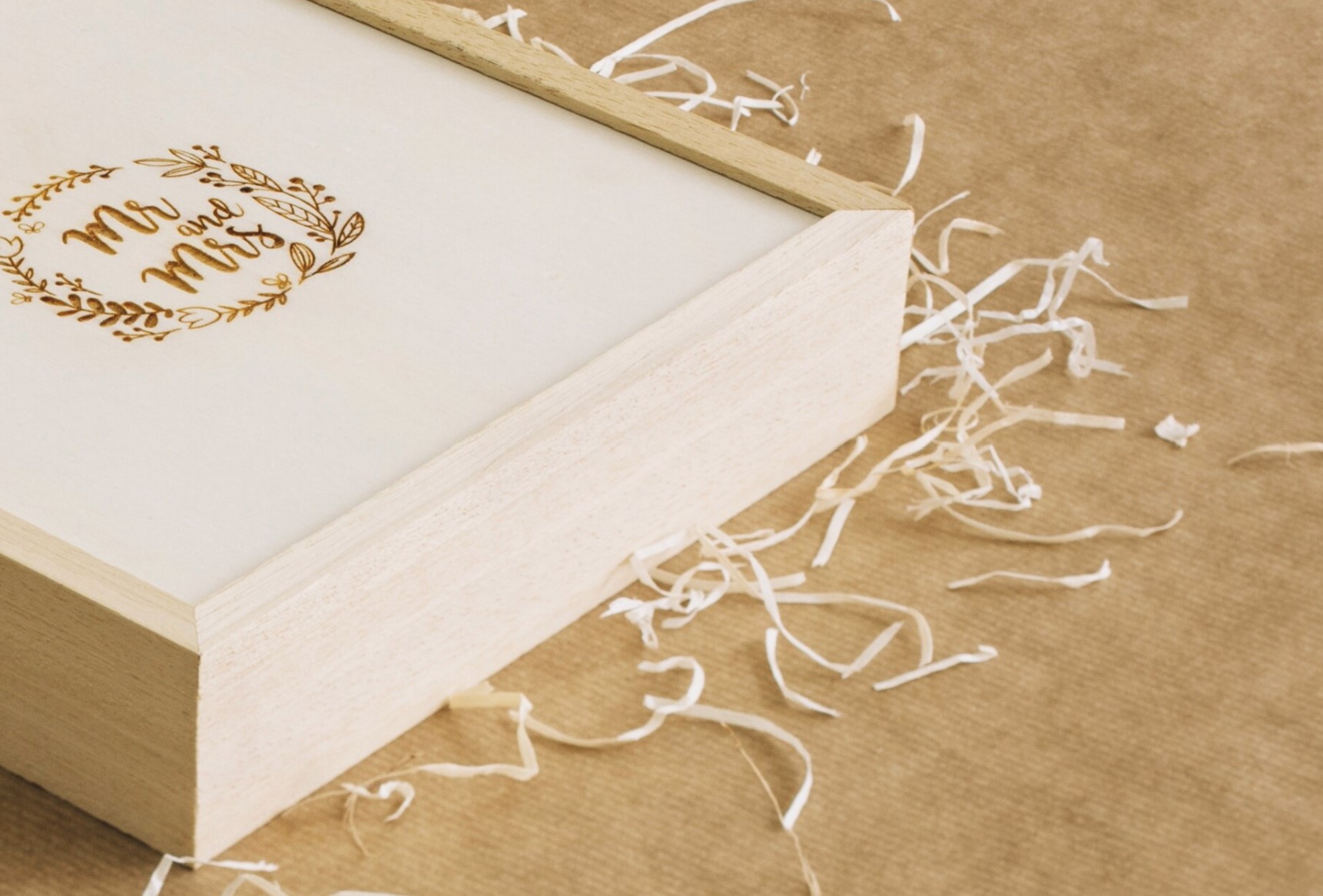
How luxury packaging instantly increases perceived value
Luxury packaging isn't just about making something look good—it directly influences how people perceive your brand.
In direct mail marketing, presentation can shape whether your message feels high-value or easily disposable.
When a recipient receives a well-crafted package with premium materials, clean design, and attention to detail, it immediately signals quality.
This is where premium direct mail campaigns stand out—they create an experience before the message is even read.
The unboxing moment becomes part of the marketing itself, building anticipation and curiosity.
- High-end materials create a strong first impression
- Thoughtful design builds trust and credibility
The unboxing experience plays a huge role here.
Smooth finishes, magnetic closures, or layered reveals make the interaction feel intentional rather than generic. This is especially effective in brand experience marketing, where every touchpoint contributes to perception.
Luxury packaging works best in industries where trust and positioning matter—such as SaaS, finance, real estate, or high-ticket B2B services. It reinforces the idea that if the packaging is this considered, the product or service likely is too.
Done right, it doesn't just deliver a message—it elevates it.
Campaign #4: Can interactive elements really boost engagement? (Yes—here's how)
Interactive elements take direct mail marketing from something people look at… to something they actually do.
That shift is powerful. Instead of passively reading, the recipient becomes part of the experience, which is exactly what drives higher engagement in interactive direct mail campaigns.
Simple mechanics like pull tabs, sliding panels, or hidden messages create a sense of discovery.
More advanced options—like QR codes, NFC tags, or augmented reality (AR)—bridge the gap between physical and digital, allowing you to track behaviour and guide users into the next step of your funnel.
- Pull tabs and reveals create curiosity and interaction
- QR codes and links drive measurable engagement
- AR experiences add a layer of novelty and immersion
This approach works because it taps into participation.
When someone has to take action—scan, pull, open, or explore—they're far more likely to remember the message. It also gives you something traditional mail lacks: data. With trackable direct mail, you can see who engaged, when they interacted, and what they did next.
Interactive formats are especially effective in omnichannel marketing strategies, where the goal is to move users from offline to online seamlessly.
When done right, it turns a simple mail piece into a connected experience—one that captures attention, encourages action, and delivers measurable results.
Campaign #5: Why oversized mailers are impossible to ignore
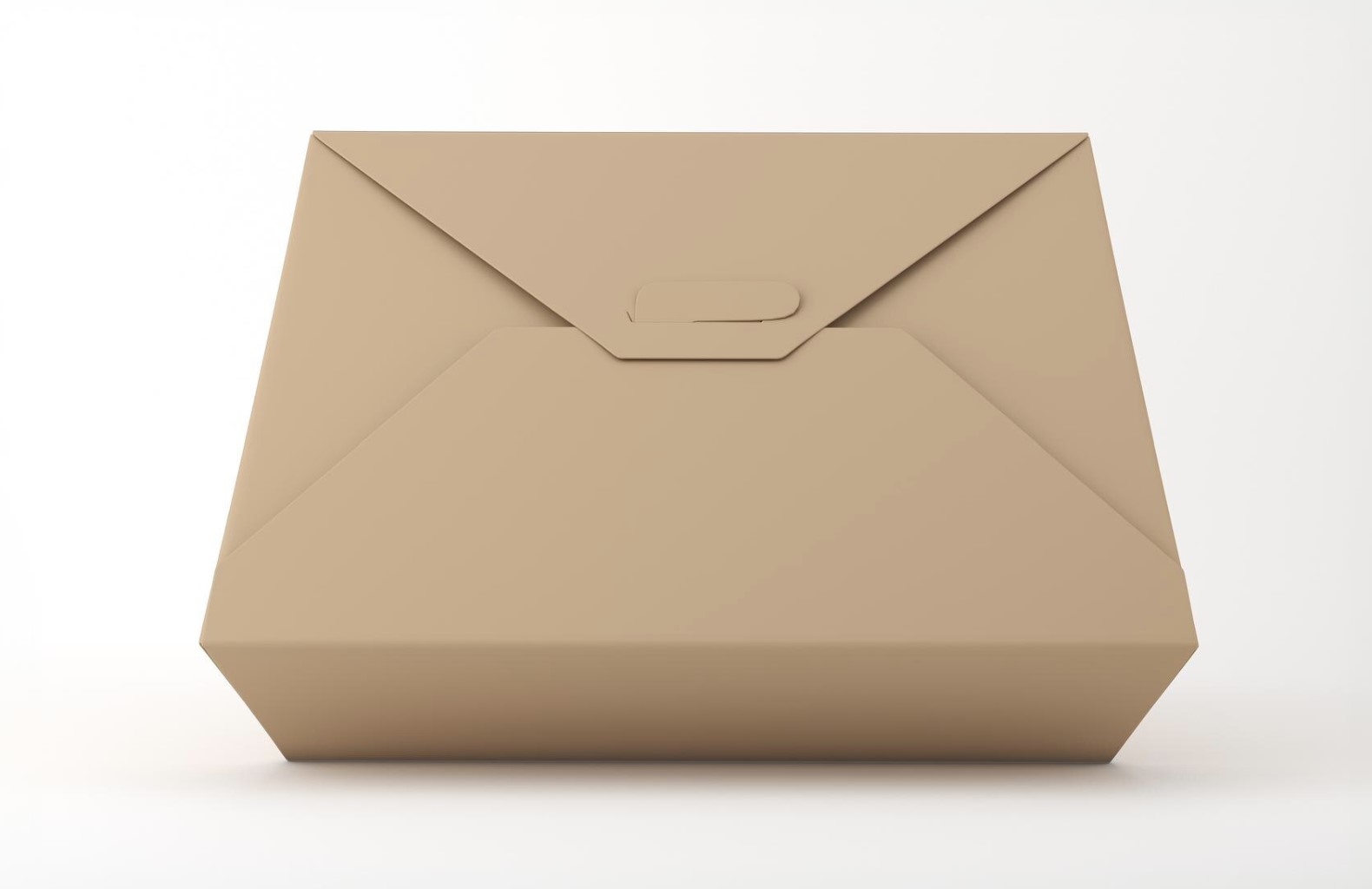
Campaign #5: Why oversized mailers are impossible to ignore
Oversized formats work because they break expectations instantly.
In a stack of standard letters, something larger stands out without trying too hard.
That's the core advantage of using oversized direct mail in a crowded marketing environment—it creates immediate visual impact before the message is even read.
The physical presence plays a big role here. Larger formats feel more important, which naturally increases the chances of being opened and explored.
This is why many direct mail advertising campaigns use size as a simple but effective way to boost visibility.
- Larger formats create instant attention
- More space allows for clear, bold messaging
- Physical scale increases perceived importance
That said, it only works when used strategically. If the design feels excessive or irrelevant, it can come across as wasteful or annoying.
In creative direct mail campaigns, the size should always support the message—not replace it.
When done right, oversized mailers don't just stand out—they demand attention in a way smaller formats simply can't.
Campaign #6: How personalization in 3D mailers increases response rates
Personalization is where 3D mailers move from being interesting to genuinely effective.
Generic campaigns might get attention, but tailored messaging is what drives action—especially in B2B direct mail where relevance matters more than creativity alone.
Instead of sending the same message to everyone, high-performing campaigns focus on the individual.
This could mean referencing the recipient's name, role, company, or even a specific challenge they're likely facing.
In account-based marketing (ABM), this level of targeting turns a simple mailer into something that feels intentional and hard to ignore.
- Use names, job titles, and company details for relevance
- Align messaging with industry-specific pain points
- Create tailored offers that feel exclusive and timely
The real impact comes from how it's perceived. When something feels personalised, it signals effort and importance, which increases the likelihood of engagement.
It also improves direct mail response rates, as recipients are more likely to trust and act on messaging that speaks directly to them.
In targeted campaigns, personalization isn't a nice-to-have—it's what makes the difference between being noticed and being ignored.
Campaign #7: What happens when you combine 3D mail with digital follow-ups
Combining 3D mailers with digital follow-ups is where things start to scale.
On their own, physical campaigns grab attention—but when paired with digital, they become part of a much bigger multi-channel marketing strategy that drives measurable results.
The idea is simple: use the physical mail to create the first touchpoint, then guide the recipient into a digital journey where you can track, nurture, and convert.
This is where many direct mail campaigns fall short—they stop at delivery instead of building momentum.
- Follow up with email sequences to reinforce the message
- Drive users to a landing page with a clear, focused CTA
- Use retargeting ads to stay visible after the first interaction
This approach creates multiple touchpoints, increasing the chances of engagement and conversion.
It also allows you to track behaviour—who visited the page, who clicked, and who showed interest—turning traditional mail into trackable direct mail.
For B2B marketing strategies, this is especially powerful. You're not relying on one moment of attention—you're building a connected experience that keeps your brand front of mind.
When done right, it turns a single mailer into an ongoing conversation.
So, how do you actually plan a 3D direct mail campaign that works?
Planning effective 3D mailers comes down to getting the fundamentals right before jumping into creative ideas.
Start by clearly defining your audience—high-value prospects will always deliver better ROI than mass targeting.
Next, balance budget vs impact. Not every campaign needs to be expensive, but it should feel intentional and aligned with your goal.
- Identify your target audience and objective
- Align creative with measurable outcomes
- Plan logistics like production, packaging, and delivery
Finally, make sure everything connects.
The best direct mail marketing campaigns combine creativity with strategy, ensuring every element works toward a clear result rather than just looking impressive.
What are the common mistakes brands make with 3D direct mail?
A lot of brands jump into 3D mailers thinking creativity alone will drive results. In reality, most underperform because the strategy behind them is weak.
Even the most visually impressive direct mail marketing campaigns can fail if the fundamentals aren't right.
One of the biggest issues is overcomplicating the design. Adding too many elements can confuse the message and distract from the actual goal.
A strong concept, executed simply, almost always performs better than something overly complex.
- Overcomplicated design reduces clarity and impact
- No clear CTA leaves recipients unsure what to do next
- Poor targeting wastes budget on low-value audiences
- Ignoring follow-up misses opportunities to convert interest
Another common mistake is treating mail as a one-off tactic.
Without integrating it into a broader multi-channel marketing strategy, engagement drops off quickly. Brands that don't include digital touchpoints or follow-ups often lose momentum after the initial interaction.
The most effective campaigns keep things focused, relevant, and connected—turning attention into action rather than just a moment of interest.
Why 3D Mailers Continue to Earn Attention
3D mailers work because they interrupt routine in a way that feels useful, memorable, and brandable.
They can reveal a product, stage a story, turn a value proposition into a physical interaction, and create a stronger bridge between offline attention and online action.
For marketers trying to differentiate a campaign without losing strategic clarity, that combination is hard to ignore.
A well-designed dimensional direct mail piece does not just look different.
It behaves differently. It invites interaction, rewards attention, and gives the message a physical form that can linger with the audience longer than a standard impression.
For brands exploring tactile lead-generation ideas, interactive print campaigns, or premium direct mail formats, the key is to align the structural concept with the audience, message, and desired next step while keeping the focus on measurable campaign impact.
Most Popular Posts

Effective communication among team members is vital for the productivity and success of any organization. Surprisingly, 60% of companies lack a long-term internal communication strategy, which p...


Businesses thrive on communication for efficiency, productivity and accomplishment. When the right information is passed from the right designation in the organization, it promotes positivity an...

Categories
Blog
(3224)
Business Management
(396)
Employee Engagement
(235)
Digital Transformation
(220)
Growth
(150)
Intranets
(142)
Internal communications
(109)
Remote Work
(68)
Sales
(53)
Collaboration
(53)
Customer Experience
(33)
Culture
(30)
Knowledge Management
(29)
Project management
(29)
Leadership
(20)
Comparisons
(9)
News
(1)

Related Posts

AI for personal injury law firms is becoming part of everyday casework. These tools can help teams sort through medical records, build timelines, draft demand packages and find details buried in a big case file. That could free up attorneys and...

Ever left an online meeting unsure what was decided—and wondered how to run an effective meeting without wasting everyone's time? A call can bring a distributed team together quickly, but when it starts late, includes people who don't know why ...

Where can I send a fax from in my area when a document needs to go out today? The answer might be a nearby print or shipping shop, a library or an online fax service, but what's available depends on your location. The UPS Store lists a ne...

AI in internal communications can help a small team turn one important update into useful messages, answers and resources for employees—but only when the information is accurate and a person checks the result. Comms teams are expected to keep p...

How is Edge AI changing business operations in 2026, and when does it make sense to process data near where it is created instead of sending it all to the cloud? The investment forecasts point to growing interest: Capgemini Research Institute's...


Jill Romford
I am a digital nomad, lover of exploring new places and making friends.
I love to travel and I love the internet. I take pictures of my travels and share them on the internet using Instagram.
Traveler, entrepreneur, and community builder. I share my insights on digital marketing and social media while inspiring you to live your fullest life.
Ready to learn more? 👍
One platform to optimize, manage and track all of your teams. Your new digital workplace is a click away. 🚀
Free for 14 days, no credit card required.