Insight Blog
Agility’s perspectives on transforming the employee's experience throughout remote transformation using connected enterprise tools.
49 minutes reading time
(9794 words)
Best SEO Agencies for Startups in Europe (2026): 10 Agencies for Sustainable Business Growth

Best SEO Agencies for Startups in Europe (2026): 10 Agencies for Sustainable Business Growth
Looking for the best SEO agencies for startups in Europe? Compare the leading European SEO agencies, pricing, services, strengths, and how to choose the right partner to accelerate sustainable business growth in 2026.
Best SEO Agencies for Startups in Europe (2026): 10 Agencies for Sustainable Business Growth

Did you know that over 68% of all online experiences begin with a search engine, and organic search drives more than 50% of website traffic for most businesses?
For startups competing in crowded markets, this makes choosing the right search marketing agency one of the most critical growth decisions you'll make.
If you're looking for the top 10 best SEO agencies for startups in Europe, you're already on the right path to building sustainable, long-term visibility.
68%
of online experiences
More than 68% of all online experiences begin with a search engine, while organic search generates over 50% of website traffic for most businesses, making SEO one of the most valuable long-term marketing investments available.
Source: BrightEdge Research & SparkToro
SEO marketing continues to deliver one of the highest returns on investment compared to paid channels, especially for early-stage companies that need scalable growth without burning through ad budgets.
But SEO today is no longer just about keywords and backlinks. With the rise of AI-powered search, Google AI Overviews, and generative search experiences, modern seo optimization companies must focus on authority, structured data, and content that answers real user intent.
In this guide, we'll break down the best SEO agencies in Europe that specialize in helping startups grow.
You'll learn how to evaluate agencies, understand pricing models, avoid common pitfalls, and choose a partner that aligns with your business goals.
Whether you're a SaaS founder, B2B startup, or scaling tech company, this article will help you find the right SEO partner to drive meaningful, measurable growth.
Key Takeaways
- The best SEO agencies for startups combine technical SEO, content marketing, digital PR, and AI search optimization to deliver sustainable long-term organic growth.
- Choosing an agency with experience in startups, SaaS, and European markets can significantly improve lead generation, brand authority, and return on investment.
- Modern SEO extends beyond Google rankings and now includes Generative Engine Optimization (GEO), AI Overviews, voice search, and Large Language Model Optimization (LLMO).
- When comparing SEO agencies, evaluate technical expertise, pricing transparency, reporting, case studies, startup stage fit, and their ability to support international expansion.
- The right SEO partner should focus on measurable business outcomes—including qualified traffic, conversions, pipeline growth, and revenue—not simply keyword rankings.
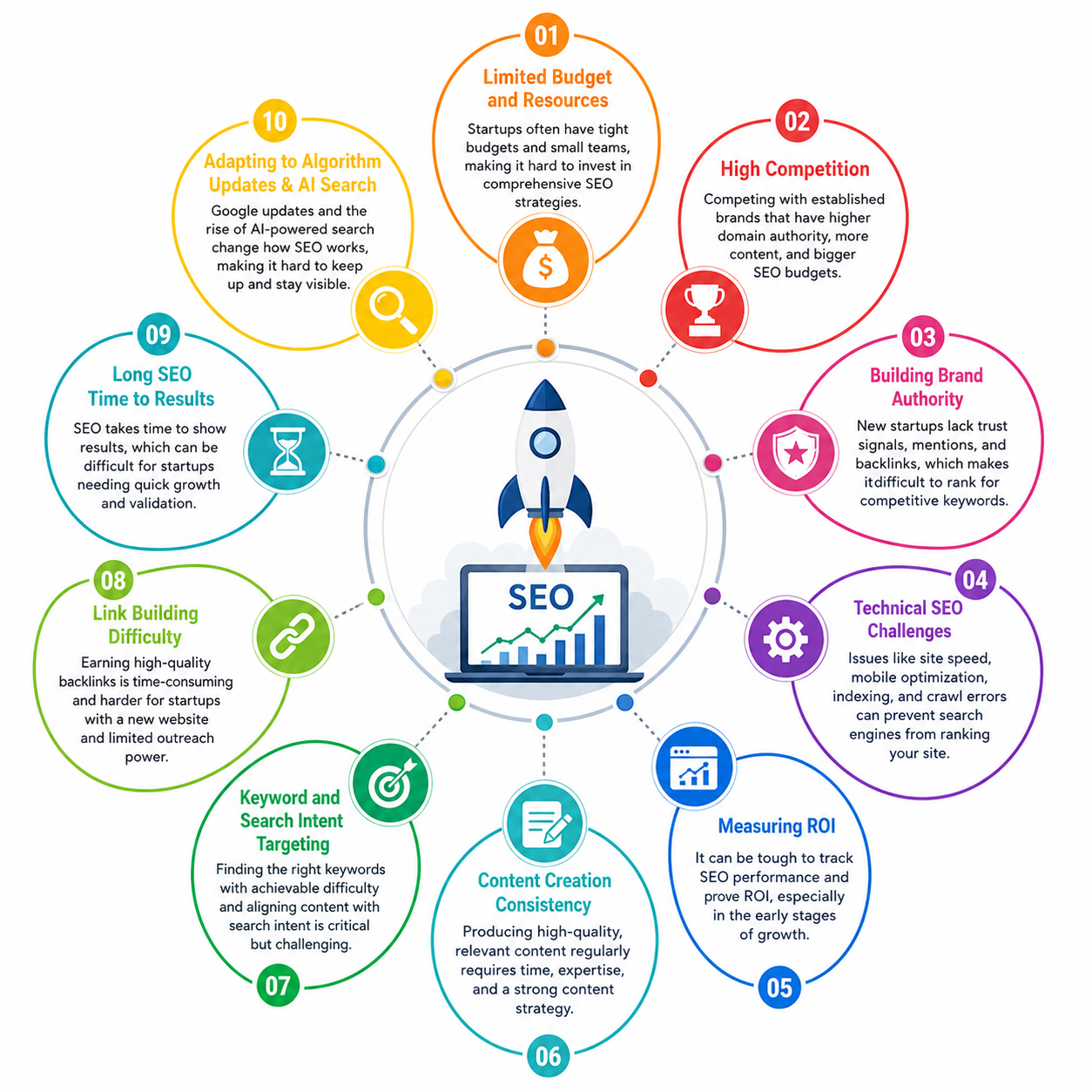
Key SEO Challenges Startups Must Face in 2026
Search engine optimization is evolving rapidly, and the strategies that delivered results just a few years ago are no longer enough.
Search engines are becoming smarter, user expectations are higher, and artificial intelligence is reshaping how content is discovered and ranked.
For startups, staying ahead of these changes isn't just about improving rankings—it's about choosing an SEO agency that understands where search is heading.
Key SEO Challenges Startups Must Face in 2026
Here are the biggest SEO challenges businesses should prepare for in 2026.
- Voice Search Optimization - As smart speakers, mobile assistants, and voice-enabled devices become part of everyday life, more people are searching using natural, conversational language. Instead of typing short keywords, users are asking complete questions. SEO agencies must optimize content for long-tail keywords, question-based queries, and featured snippets to improve visibility in voice search results.
- AI-Powered Search and Smarter Algorithms - Artificial intelligence is transforming search. Features like Google AI Overviews and other AI-generated search experiences now prioritize authoritative, well-structured content that directly answers user intent. Modern SEO agencies need expertise in semantic search, entity optimization, structured data, and Generative Engine Optimization (GEO) to ensure startups remain visible as AI continues to reshape search results.
- User Experience (UX) Is More Important Than Ever - Google continues to reward websites that provide an exceptional user experience. Fast loading speeds, mobile responsiveness, intuitive navigation, accessibility, and strong Core Web Vitals all influence search rankings. The best SEO agencies work alongside developers and designers to improve both technical performance and the overall experience for visitors.
- Local SEO Is Becoming Increasingly Competitive - Consumers are searching for businesses closer to home, making local SEO essential for startups targeting specific cities, countries, or regions across Europe. Optimizing business profiles, earning local citations, managing online reviews, and creating location-specific content can significantly improve visibility and help attract high-intent customers.
Understanding these challenges will help you evaluate SEO agencies based on more than just rankings.
The best partners combine technical expertise, AI-ready strategies, outstanding content, and user-focused optimization to build sustainable organic growth that continues delivering results well into the future.
Related SEO Guides You May Want to Read Next
This guide on the best SEO agencies for startups in Europe is part of our wider SEO and growth marketing hub. The resources below cover AI search, SaaS SEO, technical SEO, link building, local SEO, and international search strategies.
- How to Use AI for SEO: Enhance Your SEO Strategy for Better Rankings
- How Google Really Feels About Generative AI and SEO
- The Rise of AI Search Engines: How Businesses Are Leveraging SEO to Stay Ahead
- 10 SaaS SEO Strategies to Outrank Competitors in 2026
- A Practical Guide to AI Visibility Optimization and GEO SEO Services
- The Real Importance of Backlinks and How SEO Pros Choose Link Building Services
- 7 Tactical Fixes Using Technical SEO Techniques
- How Geo SEO, Geo Targeting, and Native Content Turn Local Clicks into Buyers
- 15 Best Link Building Services Agencies SEO Experts Use in 2026
- Best AI for SEO: Why Businesses Are Doing It Themselves
- Top 10 Best MCP Servers for SEO and AI-Powered Keyword Research
- SEO and Multilingual Content Marketing: A Guide to International SEO
- The Vital Role SEO Plays in Transforming Your Startup
- Selecting the Perfect SEO Service to Skyrocket Your Visibility
- How to Use Agile Project Management for SEO & Digital Marketing
Together, these articles support the main SEO agency guide with deeper insights into AI search, SaaS growth, technical SEO, backlinks, and international optimization.
Why SEO Matters More Than Ever for European Startups
How workplace operations platforms help businesses run more efficiently
For European startups, acquiring new customers has never been more expensive.
As competition increases across almost every industry, businesses are seeing higher costs for paid advertising on Google, LinkedIn, Meta, and other digital platforms.
Rising cost-per-click (CPC) rates mean startups must spend more simply to generate the same number of leads, making customer acquisition increasingly difficult for companies with limited marketing budgets.
This is why SEO has become one of the smartest long-term investments a startup can make.
Unlike paid advertising, where traffic stops the moment your budget runs out, SEO continues to generate qualified visitors long after content is published. Every optimized page, blog article, landing page, and knowledge resource becomes a digital asset capable of attracting prospects around the clock without paying for every click.
Research consistently shows that organic search remains one of the highest ROI marketing channels for B2B companies.
HubSpot's State of Marketing Report found that websites, blogs, and SEO continue to deliver the strongest return on investment for B2B marketers, outperforming many paid acquisition channels.
Rising Customer Acquisition Costs
European startups face increasing pressure from growing advertising costs and crowded digital marketplaces.
Industries such as SaaS, fintech, cybersecurity, HR software, and AI often compete aggressively for the same keywords, pushing CPC prices higher every year.
Relying exclusively on paid advertising can quickly become unsustainable, particularly during periods of slower economic growth or tighter investment conditions.
SEO helps reduce dependency on advertising spend by creating a consistent source of inbound traffic.
Organic Traffic vs Paid Advertising
Paid advertising certainly has its place. It delivers immediate visibility, supports product launches, and generates quick testing data. However, it functions like renting attention—you stop paying, and the visibility disappears.
Organic search works differently.
High-quality SEO content compounds over time.
As your authority grows, each article, guide, comparison page, or case study continues attracting visitors months or even years after publication.
Strong organic rankings can dramatically reduce customer acquisition costs while building trust with potential buyers.
Many successful startups use paid search to accelerate short-term campaigns while allowing SEO to become their long-term traffic engine.
SEO Is a Long-Term Growth Asset
Every piece of optimized content adds value to your business. Instead of investing in one-off campaigns, startups build a library of resources that answers customer questions at every stage of the buying journey.
Over time this creates:
- Lower customer acquisition costs (CAC)
- Consistent lead generation
- Increased brand visibility
- Higher conversion rates from informed buyers
- Sustainable growth without continually increasing ad budgets
Unlike advertising spend, your SEO investment continues working long after the initial content has been created.
Building Authority in Competitive Markets
Search engines increasingly reward businesses that demonstrate expertise, authority, and trust. European startups that consistently publish valuable, original, and well-researched content establish themselves as credible industry leaders.
This authority not only improves search rankings but also influences buying decisions.
Prospective customers are far more likely to trust companies that repeatedly appear in search results with useful educational content than brands that rely solely on advertisements.
For startups competing against established players, SEO provides one of the few marketing channels where expertise and content quality can outperform larger advertising budgets.
What Makes a Great Startup SEO Agency?
What Makes a Great Startup SEO Agency
A great startup SEO agency combines deep startup experience with a strong understanding of SaaS business models and growth challenges.
They excel in technical SEO, ensuring websites are fast, crawlable, and optimized for search engines from the ground up. Equally important is a robust content strategy that targets user intent and drives qualified traffic.
Effective agencies also prioritize link acquisition and digital PR to build authority and credibility in competitive markets. With the rise of AI-driven search, expertise in AI search optimization and Generative Engine Optimization (GEO) is essential to maintain visibility in evolving search environments.
Transparency in reporting is another key factor, with clear insights into performance, progress, and opportunities. Most importantly, top agencies focus on revenue-driven KPIs, aligning SEO efforts with measurable business outcomes such as leads, conversions, and long-term growth.
How We Selected These Agencies
To ensure we recommend only the most reliable and effective SEO partners for startups, we evaluated each agency based on a comprehensive set of criteria.
These factors help determine not only their expertise but also their ability to deliver measurable results in a rapidly evolving digital landscape.
Evaluation criteria:
- Startup specialization: We prioritized agencies with proven experience working with startups, understanding their unique challenges such as limited budgets, rapid scaling needs, and growth-focused strategies.
- Client portfolio: Agencies were assessed based on the quality and diversity of their clients, particularly those within relevant industries or similar growth stages.
- Case studies: We reviewed documented success stories to evaluate real-world performance, including traffic growth, lead generation, and ROI improvements.
- Awards: Industry recognition and awards were considered as indicators of credibility, innovation, and excellence in SEO practices.
- European presence: Agencies with a strong presence or experience in European markets were favored, ensuring familiarity with regional trends, languages, and regulations.
- Pricing transparency: Clear and upfront pricing models were important to ensure startups can plan budgets without hidden costs.
- Technical capabilities: We examined each agency's expertise in technical SEO, including site audits, performance optimization, and structured data implementation.
- AI Search readiness: Agencies were evaluated on their ability to adapt to AI-driven search trends, including optimization for AI-generated results and evolving search algorithms.
- Reviews: Client testimonials and third-party reviews were analyzed to gauge satisfaction, reliability, and long-term performance.
- Industry reputation: Overall standing within the SEO community, including thought leadership and peer recognition, was considered to ensure credibility and trustworthiness.
Quick Agency Comparison
To help you narrow down your options, we've compared 10 of the best SEO agencies for startups in Europe based on the factors that matter most in 2026.
Beyond traditional SEO expertise, we looked at startup stage fit, Generative Engine Optimization (GEO) capabilities, Large Language Model Optimization (LLMO) maturity, typical monthly content production, and estimated minimum monthly investment.
These criteria provide a clearer picture of which agencies are best equipped to help startups grow in an AI-first search landscape.
Click on a link to jump to the companies on the list.
| Agency | Base | Startup Stage Fit | GEO Capability | LLMO Depth |
| Growpad | Spain 🇪🇸 | Seed–Series B | Full GEO + LLMO | ⭐⭐⭐⭐⭐ Full |
| Webclimb | Netherlands 🇳🇱 | Seed–Series B | Developing | ⭐⭐⭐ Partial |
| Funky Monkey | Poland 🇵🇱 | Pre-seed–Seed | Early-stage GEO | ⭐⭐ Early |
| Creativit | Spain 🇪🇸 | Seed–Series A | Spanish AI Search | ⭐⭐ Early |
| Skale | United Kingdom 🇬🇧 | Series A–Scale-up | Advanced GEO | ⭐⭐⭐⭐ Advanced |
| Delante | Poland 🇵🇱 | Seed–Enterprise | Strong Technical GEO | ⭐⭐⭐⭐ Advanced |
| Impression | United Kingdom 🇬🇧 | Scale-ups & Enterprise | AI-Ready SEO | ⭐⭐⭐⭐ Advanced |
| Peak Ace | Germany 🇩🇪 | Growth & Enterprise | International GEO | ⭐⭐⭐⭐ Advanced |
| Seeders | Netherlands 🇳🇱 | Seed–Growth | Link Building + GEO | ⭐⭐⭐ Moderate |
| Reboot Online | United Kingdom 🇬🇧 | Series A–Enterprise | Data-Driven GEO | ⭐⭐⭐⭐ Advanced |
Note: Pricing and content output are indicative starting points and may vary depending on campaign scope, language requirements, technical complexity, and market competitiveness.
Always request a tailored proposal before selecting an SEO partner.
The 10 Best SEO Agencies for Startups in Europe
Finding the right SEO partner isn't simply about choosing the biggest agency or the one with the most awards.
Startups need an agency that understands rapid growth, limited marketing budgets, evolving AI search, and how to generate measurable business results—not just higher rankings.
Below are ten of Europe's leading SEO agencies, each offering different strengths depending on your growth stage, industry, and technical requirements.
#1. Growpad — Best for AI-First SaaS & Technology Startups
Growpad — Best for AI-First SaaS & Technology Startups
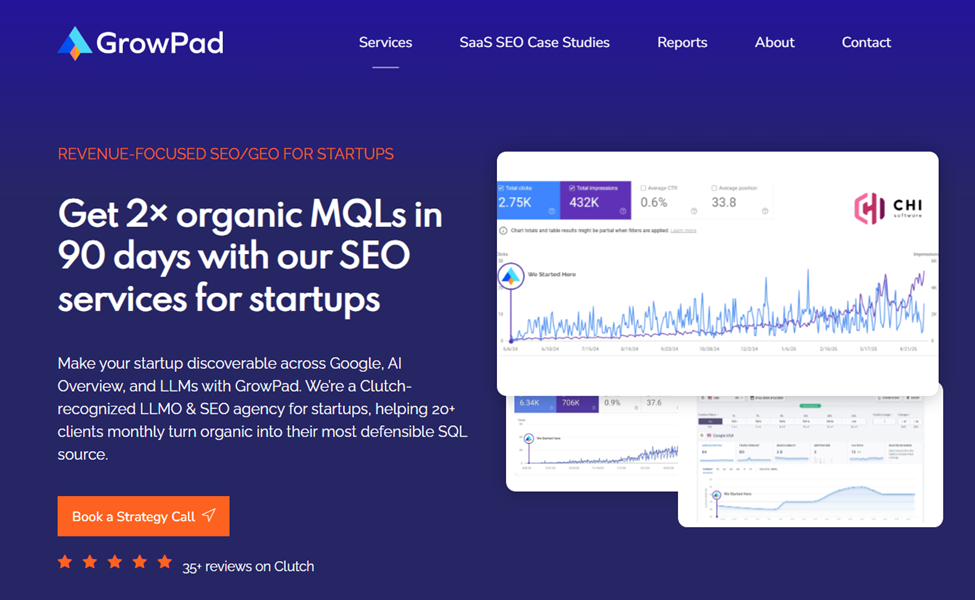
Growpad has quickly established itself as one of Europe's leading SEO agencies for startups by combining traditional search engine optimization with AI-first search strategies.
The agency focuses heavily on Generative Engine Optimization (GEO), Large Language Model Optimization (LLMO), technical SEO, and content-led growth, making it particularly attractive for SaaS companies looking to scale through organic search.
- Location: Alicante, Spain 🇪🇸
- Founded: 2020
- Minimum Investment: €1,500/month
- Technical Depth: ★★★★★ — Technical SEO, structured data, entity optimization
- LLMO Status: ★★★★★ Full GEO & LLM Optimization
- Best For: Seed to Series B SaaS startups looking to dominate both Google Search and AI-powered search platforms.
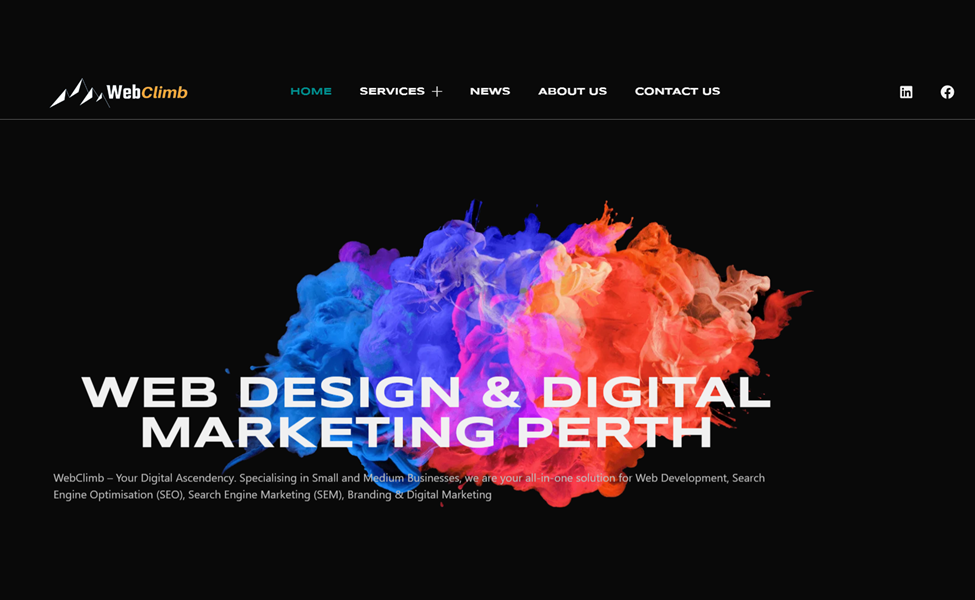
#2. Webclimb — Best for Technical SEO Startups in the Benelux Region
Webclimb — Best for Technical SEO Startups in the Benelux Region
Webclimb specializes in solving complex technical SEO challenges that often prevent startups from scaling their organic visibility.
The agency is particularly strong in JavaScript SEO, Core Web Vitals optimization, crawl efficiency, and structured data implementation, making it an excellent choice for technology companies with technically complex websites.
- Location: Amsterdam, Netherlands 🇳🇱
- Founded: 2016
- Minimum Investment: €1,800/month
- Technical Depth: ★★★★★ — JS rendering, Core Web Vitals, structured data
- LLMO Status: Developing — AI Overviews & ChatGPT tracking
- Best For: Dutch and Benelux startups with technical SEO as their primary growth bottleneck.
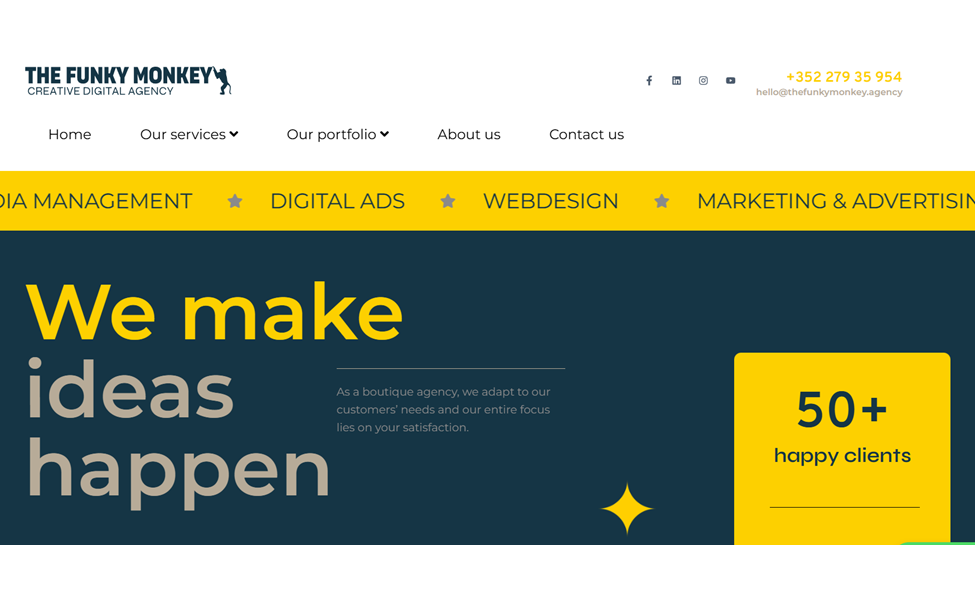
#3. Funky Monkey — Best for Early-Stage Startups on Smaller Budgets
Funky Monkey — Best for Early-Stage Startups on Smaller Budgets
Funky Monkey focuses on helping pre-seed and seed-stage businesses establish a strong SEO foundation without requiring enterprise-level budgets.
Their approach combines technical improvements, content creation, and local SEO to help young companies build long-term organic visibility.
- Location: Kraków, Poland 🇵🇱
- Founded: 2015
- Minimum Investment: €1,200/month
- Technical Depth: ★★★★☆ — Strong technical SEO foundations
- LLMO Status: Early adoption
- Best For: Pre-seed and seed-stage startups looking for affordable, scalable SEO services.
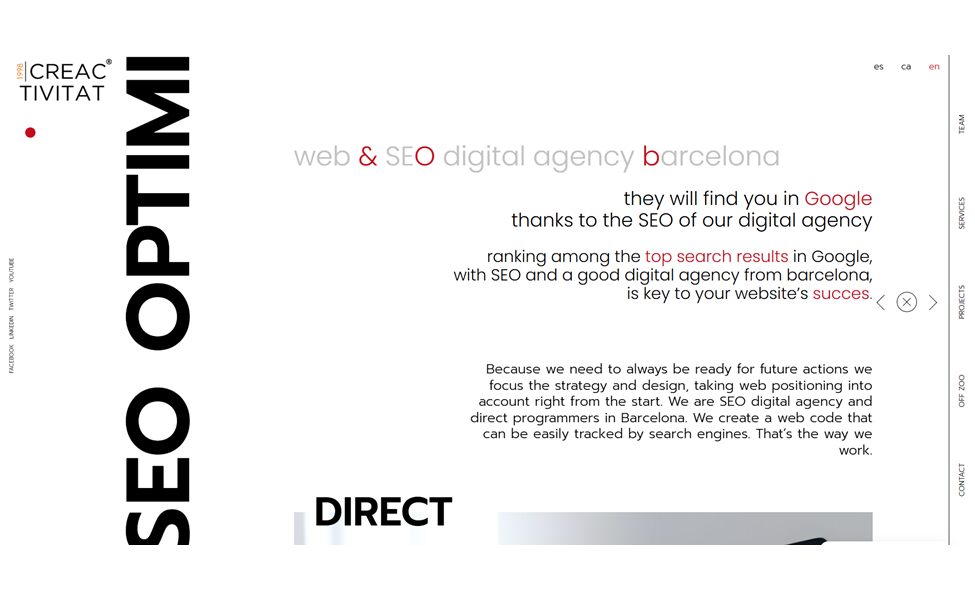
#4. Creativit — Best for Spanish Market Expansion
Creativit — Best for Spanish Market Expansion
Creativit is well known across Spain for helping startups grow through multilingual SEO, AI search optimization, and localized content strategies. Startups can complement these outreach campaigns by using a magazine creator to publish interactive brand collateral.
Businesses targeting Spanish-speaking markets benefit from the agency's regional expertise and content-first approach.
- Location: Barcelona, Spain 🇪🇸
- Founded: 2014
- Minimum Investment: €1,500/month
- Technical Depth: ★★★★☆
- LLMO Status: Early AI Search optimization
- Best For: Startups expanding into Spain and Spanish-speaking European markets.
#5. Skale — Best for SaaS Companies Focused on Revenue Growth
Skale has built a strong reputation helping SaaS companies generate qualified pipeline through content marketing, technical SEO, and digital PR. Their strategies are heavily focused on revenue rather than traffic alone.
- Location: London, United Kingdom 🇬🇧
- Founded: 2019
- Minimum Investment: €3,000/month
- Technical Depth: ★★★★★
- LLMO Status: Advanced GEO implementation
- Best For: Series A+ SaaS companies focused on predictable inbound growth.
#6. Delante — Best for International SEO Campaigns
Delante has become one of Europe's most recognized international SEO agencies, helping businesses expand into multiple countries through multilingual SEO, technical optimization, and comprehensive link-building campaigns.
- Location: Kraków, Poland 🇵🇱
- Founded: 2014
- Minimum Investment: €1,500/month
- Technical Depth: ★★★★★
- LLMO Status: Advanced AI-ready SEO
- Best For: Businesses targeting multiple European markets simultaneously.
#7. Impression — Best for Data-Driven Growth Marketing
Impression combines enterprise SEO with advanced analytics, paid media, and conversion optimization.
Their integrated approach makes them ideal for scale-ups looking to maximize customer acquisition across multiple channels.
- Location: Nottingham, United Kingdom 🇬🇧
- Founded: 2012
- Minimum Investment: €3,500/month
- Technical Depth: ★★★★★
- LLMO Status: Advanced
- Best For: High-growth startups requiring SEO integrated with digital marketing.
#8. Peak Ace — Best for Large International Websites
Peak Ace is one of Europe's largest technical SEO agencies, specializing in enterprise websites, multilingual optimization, and international search strategies supported by in-house technology and data science teams.
- Location: Berlin, Germany 🇩🇪
- Founded: 2007
- Minimum Investment: €4,000/month
- Technical Depth: ★★★★★
- LLMO Status: Advanced AI Search optimization
- Best For: Enterprise startups operating across multiple countries and languages.
#9. Seeders — Best for Digital PR and Link Building
Seeders is widely recognized for its expertise in high-quality link building, digital PR, and authority development.
Their campaigns help startups improve domain authority while supporting long-term organic rankings.
- Location: Zwolle, Netherlands 🇳🇱
- Founded: 2012
- Minimum Investment: €1,750/month
- Technical Depth: ★★★★☆
- LLMO Status: Moderate AI optimization
- Best For: Startups needing stronger authority through strategic outreach and backlinks.
#10. Reboot Online — Best for Data Science & Experimental SEO
Reboot Online is known for conducting original SEO experiments and applying data science to search optimization. Their research-driven approach makes them a popular choice among technology companies looking for innovative SEO strategies.
- Location: London, United Kingdom 🇬🇧
- Founded: 2012
- Minimum Investment: €2,500/month
- Technical Depth: ★★★★★
- LLMO Status: Advanced GEO and AI Search research
- Best For: Technology startups seeking cutting-edge SEO strategies backed by testing and experimentation.
Startup SEO Agency Pricing Explained
Understanding how SEO agencies price their services is essential for startups looking to invest wisely in growth.
Pricing models can vary significantly depending on the agency's expertise, the scope of work, and the specific needs of your business. Below is a breakdown of the most common pricing structures and what you can expect.
- Monthly retainers - Many SEO agencies work on a monthly retainer basis, where startups pay a fixed fee each month for ongoing services. This typically includes technical SEO, content creation, link building, and performance tracking. Retainers provide consistency and are ideal for long-term growth strategies.
- Project pricing - Some agencies offer one-time project-based pricing for specific tasks such as website audits, SEO migrations, or content strategy development. This model is useful for startups that need targeted improvements without committing to a long-term contract.
- Hourly consulting - Hourly consulting is often used for advisory services, troubleshooting, or strategy sessions. Startups can benefit from expert guidance without a full-service commitment, making it a flexible option for smaller budgets or internal teams needing direction.
- Performance-based pricing - In this model, agencies charge based on results such as rankings, traffic growth, or conversions. While appealing, it can be less common and sometimes comes with stricter terms or higher risk, as SEO outcomes are influenced by many external factors.
- Typical budgets - Startup SEO budgets can vary widely depending on growth stage and goals. Early-stage startups may spend between €1,000 and €2,500 per month, while more established companies often invest €3,000 to €5,000 or more for comprehensive strategies.
- What affects pricing - Several factors influence SEO pricing, including the competitiveness of your industry, the size and complexity of your website, the number of target markets, and the level of technical work required. Agencies with advanced capabilities, such as AI search optimization or international SEO, may also charge higher fees due to their specialized expertise.
What Services Should a Startup Expect from an SEO Agency?
When partnering with an SEO agency, startups should expect a comprehensive range of services designed to improve online visibility, drive organic traffic, and support long-term business growth.
A well-rounded SEO strategy goes beyond basic optimization and includes both technical and creative elements tailored to the startup's goals.
Below are the key SEO services every startup should look for:
- SEO audits: A complete SEO audit is the foundation of any successful strategy. It evaluates your website's current performance, identifies technical issues, analyzes competitors, and uncovers opportunities for growth. This process ensures your SEO campaign starts with data-driven insights.
- Technical SEO: Technical SEO focuses on optimizing your website's infrastructure to improve crawlability, indexing, and performance. This includes site speed optimization, mobile responsiveness, Core Web Vitals, URL structure, and fixing crawl errors—essential for ranking higher on search engines like Google.
- Content strategy: A strong content strategy aligns your business goals with search intent. It involves planning blog posts, landing pages, and resources that target high-value keywords and guide users through the customer journey.
- Content creation: High-quality, SEO-optimized content is crucial for attracting and engaging users. This includes blog articles, product pages, case studies, and pillar content designed to rank for competitive keywords and establish authority in your niche.
- Keyword research: Effective keyword research identifies the search terms your target audience is using. By focusing on high-volume, low-competition keywords and long-tail keywords, startups can capture relevant traffic and improve search engine rankings.
- Link building: Link building helps increase your website's authority by acquiring high-quality backlinks from reputable websites. This is a critical ranking factor in SEO and supports long-term organic growth.
- Digital PR: Digital PR combines public relations with SEO to earn media coverage, brand mentions, and authoritative backlinks. It enhances brand visibility while boosting domain authority.
- Local SEO: For startups targeting specific geographic areas, local SEO ensures visibility in local search results and Google Maps. This includes optimizing Google Business Profiles, local citations, and location-based keywords.
- International SEO: Startups expanding globally need international SEO strategies, including hreflang implementation, multilingual content, and country-specific targeting to reach audiences in different regions.
- AI Search optimization: With the rise of AI-driven search engines and tools like ChatGPT and Google AI Overviews, optimizing for AI search (also known as Generative Engine Optimization or GEO) ensures your content is discoverable in conversational and AI-generated results.
- Schema implementation: Structured data (schema markup) helps search engines better understand your content and can enhance search listings with rich results such as FAQs, reviews, and product information.
- Conversion optimization: SEO is not just about traffic—it's about results. Conversion rate optimization (CRO) improves user experience and encourages visitors to take action, whether that's signing up, purchasing, or booking a demo.
By combining these SEO services, startups can build a scalable digital marketing strategy that drives sustainable growth, improves search engine rankings, and maximizes return on investment.
Red Flags When Hiring an SEO Agency

Red Flags When Hiring an SEO Agency
Guaranteed Rankings
Any agency that promises guaranteed rankings is a major red flag.
Search engines like Google use complex and constantly evolving algorithms, making it impossible for anyone to guarantee specific positions.
Reliable agencies focus on improving visibility and performance over time rather than making unrealistic promises.
Cheap Backlink Packages
Low-cost backlink packages often rely on spammy or low-quality websites that can harm your domain authority.
Instead of boosting your rankings, these links can lead to penalties from search engines. A trustworthy agency prioritizes quality over quantity when building backlinks.
No Reporting
If an agency does not provide regular reports, it becomes difficult to track progress or understand the impact of their work.
Transparent reporting is essential for measuring success, identifying opportunities, and ensuring accountability.
No Technical Audits
Technical SEO is the foundation of any successful strategy.
Agencies that skip technical audits may overlook critical issues such as site speed, crawlability, or indexing problems. Without addressing these, even the best content strategies can fail.
Black-Hat SEO
Black-hat SEO tactics, such as keyword stuffing or cloaking, may deliver short-term gains but often result in severe penalties.
Ethical agencies follow search engine guidelines and focus on sustainable, long-term growth.
Long Lock-In Contracts
Agencies that require long-term contracts without flexibility may not be confident in their results.
Startups should look for partners who offer performance-based or shorter-term agreements that allow for adjustments as needed.
No Case Studies
A lack of case studies or proven results makes it difficult to assess an agency's capabilities.
Reputable agencies showcase past successes to demonstrate their expertise and build trust with potential clients.
No Startup Experience
Startups have unique challenges, including limited budgets and the need for rapid growth.
Agencies without startup experience may not understand these constraints or how to tailor strategies effectively for early-stage companies.
Questions to Ask Before Signing
Before committing to an SEO agency, it's essential to ask the right questions to ensure alignment, transparency, and long-term success.
Below is a list of important questions you should consider, along with why each one matters:
| Question | Why It Matters |
| Who owns the content created during the engagement? | Ensures you retain rights to all assets if you end the partnership. |
| Who owns the backlinks acquired? | Clarifies whether links remain active and beneficial after the contract ends. |
| How is ROI measured? | Helps you understand how success is defined and tracked. |
| What tools and platforms do you use? | Provides insight into the agency's capabilities and transparency. |
| How often are reports delivered? | Sets expectations for communication and performance tracking. |
| How do you optimize for AI search and LLMs? | Ensures the agency is prepared for evolving search technologies. |
| What is your approach to keyword research? | Reveals how they identify opportunities aligned with your goals. |
| Can you share case studies or past results? | Validates their experience and effectiveness. |
| How do you handle technical SEO issues? | Shows their ability to manage complex website challenges. |
| What is your link-building strategy? | Helps assess the quality and sustainability of their outreach efforts. |
| How do you adapt to algorithm updates? | Indicates their agility and commitment to staying current. |
| What level of involvement is expected from our team? | Clarifies roles and responsibilities for smoother collaboration. |
| What happens if we terminate the contract early? | Ensures there are no hidden penalties or loss of assets. |
| How do you ensure content quality and relevance? | Confirms their standards for producing valuable, engaging content. |
AI Search Is Changing SEO
Search is undergoing one of its biggest transformations since the introduction of Google itself. With the rise of AI-powered search experiences, startups can no longer rely solely on traditional SEO tactics focused on rankings and keywords. Instead, they must adapt to a landscape where answers are generated, summarized, and delivered directly to users through AI systems.
Recent data highlights just how quickly this shift is happening. Two-thirds of consumers believe AI will replace traditional search within the next five years, and 82% already find AI-powered search more helpful than traditional search engine results pages. At the same time, 64% of users feel positive about AI, and 74% are confident using AI tools, signaling widespread adoption across both consumers and professionals.
One of the most visible changes is Google AI Overviews, which provide direct, AI-generated answers at the top of search results. These summaries reduce the need for users to click through to websites, meaning that visibility now depends on whether your content is selected and cited by AI systems—not just whether it ranks on page one.
This shift has led to the emergence of Generative Engine Optimization (GEO) and Answer Engine Optimization (AEO). GEO focuses on optimizing content so it can be understood, trusted, and surfaced by large language models like ChatGPT, Gemini, and Claude. AEO, on the other hand, is about structuring content to directly answer user queries in a clear, authoritative way that AI systems can easily extract and present.
In this new environment, brand authority has become more important than ever. AI systems prioritize trusted sources, meaning startups must invest in building credibility through consistent content, strong backlinks, and clear expertise signals. This ties closely to Google's EEAT framework—Experience, Expertise, Authoritativeness, and Trustworthiness—which continues to influence both traditional rankings and AI-generated responses.
Entity SEO and semantic search also play a critical role. Instead of focusing purely on keywords, search engines and AI models now understand relationships between concepts, brands, and topics. Startups need to ensure their brand is recognized as a distinct entity within their industry, supported by structured data and consistent mentions across the web.
Structured data is another key component, helping search engines and AI systems interpret content more accurately. Proper schema markup increases the likelihood that your content will be selected for AI summaries, featured snippets, and knowledge panels.
However, this rapid adoption of AI also comes with challenges. While 78% of marketers and 68% of consumers are concerned about AI-driven misinformation—more than those worried about job loss—trust in AI-generated content remains relatively strong. In fact, 80% of consumers have a neutral or positive attitude toward brands that use AI-generated content, suggesting that transparency and quality are more important than the use of AI itself.
From a marketing perspective, the pressure to adapt is significant. While only 11% of marketers feel over-reliant on AI tools, more than half report feeling high pressure to adopt AI to stay competitive. Currently, 74% of marketers are already using AI in some part of their workflow, and 93% say these tools are saving them time each week. However, only 19% are reinvesting that saved time into professional development, highlighting a gap in strategic upskilling.
For startups, these changes make one thing clear: choosing an SEO agency that understands AI-first search strategies is no longer optional. Agencies must go beyond traditional SEO and incorporate GEO, AEO, entity optimization, and structured data into their approach. They should also stay ahead of ongoing changes in AI search platforms, ensuring that your brand remains visible not just in search results, but in the answers themselves.
In a world where AI is increasingly deciding what users see, the goal is no longer just to rank—it's to be referenced, trusted, and recommended by the systems shaping the future of search.
How Long Does Startup SEO Take?
SEO for startups is a long-term investment, and results typically don't happen overnight.
While some early improvements—like technical fixes or on-page optimizations—can show impact within a few weeks, meaningful growth in rankings, traffic, and conversions usually takes between 3 to 6 months.
For more competitive industries or newer domains, it can take 6 to 12 months to see consistent, scalable results.
The timeline depends on factors such as your website's current authority, competition level, content quality, and how aggressively you invest in SEO efforts.
Month 1 — Foundation & Setup
Initial setup, technical audit, keyword research, and fixing critical issues.
At this stage, search engines are still discovering and re-evaluating your site after changes are made.
Because SEO relies on crawling, indexing, and trust-building processes that take time, it's normal to see little to no traffic growth yet.
The focus here is on building a strong technical and strategic foundation that will support future growth.
Month 3 — Early Traction
Early signs of progress begin to appear. Some pages may start ranking for low-competition keywords, and organic traffic may show slight increases.
This delay happens because search engines need time to process new content, understand its relevance, and compare it against competitors.
Additionally, authority signals like backlinks and user engagement are still developing.
Month 6 — Growth & Momentum
Noticeable growth in rankings and traffic.
Content starts gaining traction, backlinks begin to have an impact, and conversions may start improving.
By this point, search engines have had enough time to crawl your site multiple times, evaluate content quality, and recognize growing authority.
SEO efforts compound over time, so earlier work begins to produce more visible results.
Month 12 — Scalable Results
Strong and consistent organic growth. Higher rankings for competitive keywords, steady traffic increases, and SEO becomes a reliable acquisition channel.
Reaching this stage takes time because building domain authority, earning quality backlinks, and outperforming established competitors requires sustained effort.
SEO is a long-term strategy, and results accelerate as trust and relevance increase.
Include realistic expectations.
Should Startups Hire an Agency or Build an In-House SEO Team?
Choosing between an agency, a freelancer, or building an in-house SEO team is one of the most important decisions a startup can make when investing in organic growth.
Each option comes with its own advantages and trade-offs depending on budget, growth stage, and internal capabilities.
Below is a comparison to help you decide which approach best fits your needs:
| Factor | Agency | Freelancer | In-House Team |
| Cost | Medium to high monthly retainer | Low to medium | High (salary + tools + hiring) |
| Expertise | Broad, multi-disciplinary team | Specialized but limited scope | Depends on hire quality |
| Speed | Fast onboarding and execution | Moderate | Slow (recruitment + ramp-up) |
| Scalability | Highly scalable resources | Limited capacity | Scales slowly with hiring |
| Best Use Cases | Rapid growth, complex SEO needs | Small projects, tight budgets | Long-term strategy, full control |
Final Verdict
Choosing the right SEO agency ultimately depends on your startup's stage, budget, and growth ambitions.
Here's a quick summary to help you decide:
- Best overall: Growpad stands out for its AI-first approach and strong balance between technical SEO and content-driven growth.
- Best for SaaS: Skale is ideal for SaaS companies focused on generating qualified leads and revenue through organic channels.
- Best for B2B: Impression offers a data-driven, multi-channel strategy that works well for B2B startups aiming for scalable growth.
- Best budget option: Funky Monkey provides solid SEO foundations at an accessible price point for early-stage startups.
- Best enterprise option: Peak Ace is the top choice for large, international startups needing advanced technical SEO and multilingual capabilities.
If you're an early-stage startup with limited funding, prioritize agencies that offer foundational SEO and scalable pricing. For Series A and beyond, look for partners that can tie SEO directly to revenue and pipeline growth.
Enterprise-level startups should focus on agencies with deep technical expertise and international experience to support complex, large-scale operations.
FAQ
What is the monthly cost of SEO for startups?
Startup SEO cost per month typically ranges from €1,000 to €5,000 depending on the agency, scope, and level of technical SEO and content work required.
What is the hourly rate for SEO services?
SEO consultants usually charge between €75 and €200 per hour, depending on their experience and specialization.
Does SEO work for startups?
Yes, SEO works for startups by driving long-term organic traffic, improving visibility, and generating qualified leads without relying solely on paid ads.
How long does SEO take to show results for a business?
SEO results usually start appearing within 3 to 6 months, but significant growth often takes 6 to 12 months depending on competition and strategy.
How long does it take to rank on Google?
It can take anywhere from a few weeks to several months to rank in Google, depending on keyword difficulty, domain authority, and content quality.
Is AI replacing SEO?
No, AI is not killing SEO; instead, it is transforming it. Businesses now need to focus on SEO for AI search, including optimizing for AI-generated results and search assistants.
What are some free AI tools for SEO?
Popular free AI SEO tools include ChatGPT, Google Search Console, Ubersuggest (free tier), and tools that help with keyword research and content optimization
What is SEO for AI search?
SEO for AI search involves optimizing content for AI-driven platforms like ChatGPT and Google AI Overviews, focusing on structured data, clear answers, and authoritative content.
When should a European startup begin investing in SEO?
The optimal time to begin startup SEO investment is earlier than most European founders expect.
From the moment the ICP is defined clearly enough to identify a target keyword category — even if the product is still in private beta — establishing technical SEO foundations and beginning topical authority content production starts the compounding clock.
The founders who defer SEO until they 'have time' or 'have budget' typically find themselves 12–18 months behind competitors who started at seed stage when they finally make the investment at Series A.
The first three months of an SEO programme are worth more to a startup than months 19–21 of the same programme, because the compounding of domain authority, topical depth, and AI citation frequency begins on day one.
How much should a European startup invest in SEO in 2026?
European startup SEO investment ranges significantly by stage.
Pre-seed: €800–€1,400/month covers technical foundations and initial content infrastructure — sufficient to begin building topical presence without dedicated engineering resources.
Seed: €1,400–€2,200/month adds systematic content production, link acquisition, and early-stage LLMO tracking.
Series A: €2,200–€4,000/month funds a comprehensive programme with pipeline attribution, AEO content structure, and the AI search visibility tracking that investor reporting increasingly requires.
The return on SEO investment for European B2B SaaS companies with ACV above €15,000 at 18+ months consistently produces the lowest-CAC acquisition channel at scale — which means the question is not whether to invest but whether the investment level is sufficient to produce results on a commercially relevant timeline.
What is the difference between GEO, LLMO, and AEO for European startups?
GEO (Generative Engine Optimisation) is the umbrella term for optimising visibility in AI-generated answers across all AI systems — ChatGPT, Perplexity, Gemini, Google AI Overviews.
LLMO (Large Language Model Optimisation) is the specific discipline of optimising for LLM-based AI assistants — ChatGPT, Perplexity, and Claude — that generate freeform answers to research questions. AEO (Answer Engine Optimisation) focuses specifically on earning featured answers and direct citations in AI-generated response boxes.
For European startups, all three terms describe related aspects of the same strategic objective: being cited and recommended by AI systems when your target buyers ask AI assistants for vendor recommendations in your category.
In practice, agencies that use GEO and LLMO interchangeably are describing the same programme — what matters is whether their LLM visibility auditing and citation optimisation practice is operational or aspirational.
AI Summary
- The best SEO agencies for startups in Europe help early-stage and scaling businesses improve organic visibility, generate qualified leads, reduce dependency on paid advertising, and build sustainable long-term growth.
- European startups face major SEO challenges in 2026, including AI-powered search, Google AI Overviews, voice search optimization, technical SEO issues, rising customer acquisition costs, and increasing competition in local and international markets.
- Top startup SEO agencies provide services such as technical SEO audits, keyword research, content strategy, link building, digital PR, Core Web Vitals optimization, structured data implementation, international SEO, and Generative Engine Optimization.
- Agencies with strong GEO and LLMO capabilities can help startups improve visibility across traditional search engines, AI-generated answers, ChatGPT-style discovery, and emerging answer engine platforms.
- Choosing the right SEO agency depends on startup stage, market focus, technical complexity, content needs, monthly budget, reporting transparency, and whether the agency can connect SEO activity to measurable business outcomes.
- A strong SEO partner should focus on revenue, pipeline, authority, technical performance, and long-term organic growth—not just rankings or traffic numbers.
Most Popular Posts

Effective communication among team members is vital for the productivity and success of any organization. Surprisingly, 60% of companies lack a long-term internal communication strategy, which p...


Businesses thrive on communication for efficiency, productivity and accomplishment. When the right information is passed from the right designation in the organization, it promotes positivity an...

Categories
Blog
(3186)
Business Management
(393)
Employee Engagement
(235)
Digital Transformation
(216)
Growth
(150)
Intranets
(141)
Internal communications
(106)
Remote Work
(68)
Sales
(53)
Collaboration
(52)
Customer Experience
(32)
Culture
(30)
Knowledge Management
(29)
Project management
(29)
Leadership
(20)
Comparisons
(9)
News
(1)

Related Posts

The best ai image editors can save a team hours of repetitive work. A marketing manager can remove a distracting background, an HR team can improve a staff event photo, and an online shop can turn a basic product shot into something ready to pu...
Warning: Undefined variable $column in /home/agilitysite/public_html/templates/martex/html/mod_easybloglatestblogs/default_horizontal.php on line 29
Warning: Undefined variable $column in /home/agilitysite/public_html/templates/martex/html/mod_easybloglatestblogs/default_horizontal.php on line 30

Ever opened a PDF just before a meeting and realised you need to edit a page, pull figures from a scanned report, or gather everyone's comments? What should be a quick task can turn into a frustrating search for the right tool. That lost time a...

Looking for a New Job Remotely can feel like a simple next step: update your CV, turn on job alerts and start applying. In reality, the strongest remote job searches start much earlier. You need to be clear about the work you want, the kind of ...

Hiring globally is easier than employing globally Have you found the right person for a role, only to realise they live in a country where your business has no legal entity? That's where EOR international hiring can be useful. An Employer of Re...

Sales operations and planning are essential to harmonizing sales objectives with operational capabilities, ensuring seamless coordination between departments like sales, marketing, production, and finance. This alignment enables businesses to forecas...


Jill Romford
I am a digital nomad, lover of exploring new places and making friends.
I love to travel and I love the internet. I take pictures of my travels and share them on the internet using Instagram.
Traveler, entrepreneur, and community builder. I share my insights on digital marketing and social media while inspiring you to live your fullest life.
Ready to learn more? 👍
One platform to optimize, manage and track all of your teams. Your new digital workplace is a click away. 🚀
Free for 14 days, no credit card required.