
Insight Blog
Agility’s perspectives on transforming the employee's experience throughout remote transformation using connected enterprise tools.
17 minutes reading time
(3362 words)
Why Wellbeing in the Workplace Is Being Ignored and Personal Injury Claims Are Paying the Price

Why Wellbeing in the Workplace Is Being Ignored and Personal Injury Claims Are Paying the Price
The effects of remote work are reshaping employee wellbeing at the workplace. Learn the real benefits and challenges of remote work and what employers must fix now.
Why Wellbeing in the Workplace Is Being Ignored and Personal Injury Claims Are Paying the Price

Remote work was sold as freedom, flexibility, and a better work life balance. For some people, that promise held up.
For many others, not so much.
The effects of remote work have quietly changed how pressure, risk, and responsibility show up in everyday jobs, and most employers are still playing catch up.
When wellbeing at the workplace is treated like an office only problem, cracks start to form fast especially when teams are spread out and support becomes inconsistent.
It's not just a culture issue either.
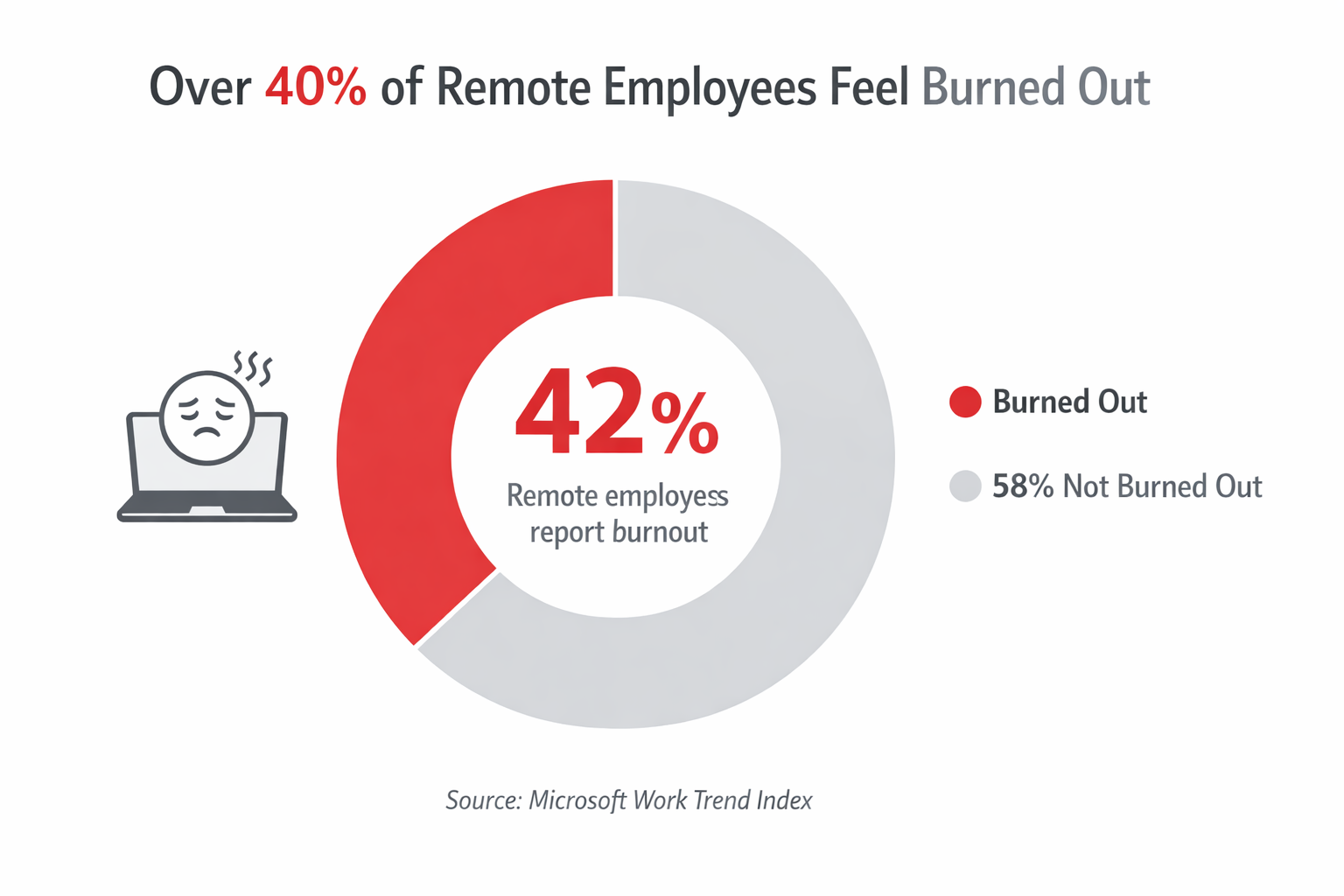
According to Microsoft's Work Trend Index, 42 percent of employees say they feel burned out, a number that has climbed alongside remote and hybrid work.
That's why conversations we're now seeing from professionals like a Mount Pleasant Personal Injury Lawyer are shifting.
Burnout, stress, and poor remote setups don't just hurt morale.
They increase mistakes, injuries, and legal exposure.
And that's where businesses often realise this problem is a lot more serious than they thought.
Read this article: : Top 6 AI-Powered Project Management Tools To Use In 2023
The Effects of Remote Work on Modern Employees

The Effects of Remote Work on Modern Employees
Let's be honest. Remote work didn't magically make work healthier.
It just moved the pressure from the office into people's homes. The effects of remote work on wellbeing are far more complicated than most companies want to admit.
Yes, productivity went up for many teams.
But it came at a cost.
According to Microsoft's Work Trend Index, over 40 percent of remote employees report feeling burned out, and that number has steadily increased since large scale remote work became the norm.
This isn't because flexibility failed. It's because boundaries quietly disappeared.
Workdays got longer.
Meetings crept into early mornings and late evenings. Without a physical office to leave, many employees never truly switch off. When there's no clear stop time, stress becomes constant instead of manageable.
Remote work also removed informal support systems. No quick desk chats. No body language cues. No early warning signs when someone is struggling.
The Effects of Remote Work on Modern Employees
That isolation hits mental wellbeing hard, especially for new hires, junior staff, and people already under pressure.
Add constant digital noise on top of that. Slack, email, video calls, notifications. Employees are forced to stay alert all day, every day.
Mental fatigue builds quietly.
What we do know is that fatigue can lead to mistakes. And we know that mistakes can lead to.... accidents. And that's where wellbeing stops being a soft topic and starts showing up in personal injury claims.
Poor home work setups, bad posture, repetitive strain, and stress related incidents are no longer rare. They're becoming normal.
When wellbeing is ignored in remote environments, injuries don't disappear just because there's no office floor.
They just show up differently and often with bigger consequences.
Key wellbeing issues remote employees are facing- Longer working hours with no clear end to the day
- Blurred boundaries between work and personal life
- Isolation and lack of emotional support
- Increased stress from constant digital communication
- Poor ergonomics and unsafe home workspaces
- Reduced visibility when someone is struggling
- Higher burnout and mental health decline
- Increased mistakes caused by fatigue and overload
- Musculoskeletal injuries from poor posture and setup
- Stress related incidents that escalate into formal complaints
- Rising absenteeism, turnover, and personal injury claims
The hard truth is this. Remote work isn't failing employees.
Poor wellbeing leadership is. And businesses that keep ignoring it aren't just damaging morale.
They're increasing risk, liability, and long term cost whether they want to admit it or not.
Employee Well Being in Remote Examples That Show the Reality

Employee Well Being in Remote Examples That Show the Reality
This is where the gap really shows.
Remote work itself isn't the issue.
The difference comes down to how seriously a company treats employee wellbeing once people are out of sight.
In companies that actually get it right, remote wellbeing is intentional.
Managers run structured check-ins that go beyond task updates. Expectations are clear. Workloads are discussed openly. Employees know what "done for the day" looks like, and they're encouraged to log off without guilt.
These teams don't just perform better, they burn out less because support is built into how work happens.
Now compare that with the other side of the spectrum, which is far more common than most leaders want to admit. Employees are left to manage workload, deadlines, and stress on their own.
Messages come in at all hours.
Priorities shift without explanation.
Silence from managers is normal unless something goes wrong. Over time, people stop asking for help because they don't want to look incapable.
Remote workers in these environments regularly report anxiety caused by a lack of feedback or guidance.
They don't know if they're doing well or falling behind. That uncertainty creates constant low-level stress, which quietly erodes confidence and focus.
Mistakes become more likely. Fatigue sets in. And when pressure keeps building with no release valve, wellbeing declines fast.
Here's the hard truth.
Employee wellbeing in the workplace doesn't stop being an employer responsibility just because the workplace is now someone's home.
When businesses fail to provide structure, clarity, and human support in remote setups, they're not being flexible. They're being negligent.
Remote wellbeing isn't about perks or wellness apps. It's about leadership, communication, and accountability.
Companies that ignore this aren't just damaging morale.
They're creating conditions where stress related issues, health problems, and eventually formal complaints and claims become almost inevitable.
Benefits and Challenges of Remote Work for Wellbeing

Benefits and Challenges of Remote Work for Wellbeing
Let's cut through the noise.
Remote work is neither a miracle nor a mistake.
From a wellbeing point of view, it can be genuinely helpful or quietly harmful depending on how it's handled. The benefits are real, but they don't happen automatically.
They only show up when wellbeing is actively managed, not assumed.
On the positive side, remote work gives employees more control over their day. Flexibility and autonomy allow people to work around personal responsibilities, energy levels, and real life.
For many, simply removing the daily commute has reduced stress in a very real way.
Less time in traffic or packed trains means more time to rest, reset, or start the day without already feeling exhausted.
• Greater flexibility over working hours
• Reduced commuting stress
• Improved focus for roles that need deep work
But here's the part most companies gloss over.
Those benefits disappear fast when support is missing. Isolation is one of the biggest wellbeing challenges in remote work. Without regular human interaction, mental health can decline quietly.
People start to feel disconnected, overlooked, or unsure where they stand, and that uncertainty creates anxiety rather than freedom.
• Increased feelings of isolation
• Lack of informal support and check-ins
• Anxiety caused by poor feedback and visibility
Physical wellbeing takes a hit too.
Dining tables, sofas, and makeshift desks were never designed for full workdays.
Poor posture and badly set up home workspaces are leading to real injuries, from chronic back pain to repetitive strain issues.
These aren't minor discomforts. Left unaddressed, they can turn into long-term health problems and, in some cases, personal injury claims.
• Poor ergonomics and unsafe home setups
• Musculoskeletal pain and repetitive strain
• Increased risk of long-term injury
Then there's communication.
When expectations aren't clear and information is scattered across tools, mistakes increase.
Stress rises because employees spend more time trying to interpret priorities than doing the work itself. Over time, that mental load wears people down.
• Conflicting messages and unclear priorities
• Constant context switching
• Mental fatigue and higher error rates
The hard truth is this. Remote work only improves wellbeing when businesses treat it with the same structure, care, and responsibility as an office environment.
Without that, the challenges outweigh the benefits, and the cost shows up in burnout, disengagement, and risk.
Why Wellbeing at the Workplace Still Applies to Remote Teams

Why Wellbeing at the Workplace Still Applies to Remote Teams
There's a dangerous myth floating around that once employees work from home, wellbeing becomes a personal issue instead of a workplace responsibility.
That's wrong. Wellbeing at the workplace does not stop at the office door, and remote work doesn't dilute an employer's duty of care.
It simply changes how that duty must be delivered.
From a legal and ethical standpoint, location is irrelevant.
If someone is working for you, you are still responsible for creating conditions that don't harm them. Courts, regulators, and insurers are already catching up to this reality.
And Mental Health is Where Many Organisations Fall Down Hardest
The idea that "they chose to work from home" won't hold up when stress, burnout, or physical injury can be traced back to workload, expectations, or lack of support.
• Employers still have a duty of care regardless of where work happens
• Remote contracts do not remove workplace health obligations
• Ignoring wellbeing increases exposure to disputes and claims
Mental health is where many organisations fall down hardest.
Remote employees are often expected to self-manage stress, workload, and boundaries without guidance.
That's not empowerment.
That's abandonment.
When isolation, pressure, or lack of feedback leads to anxiety or burnout, it's a workplace issue, not a personal failing.
• Mental health risks increase with isolation and poor communication
• Burnout often goes unnoticed until performance drops or people leave
• Psychological safety still needs to be actively managed
Physical Health Matters Too.
Home offices are rarely designed for long-term work.
Poor ergonomics, repetitive strain, and posture issues are now common among remote teams.
If an employee gets injured because no guidance or assessment was provided, the responsibility doesn't magically disappear.
• Unsafe home setups contribute to long-term injuries
• Repetitive strain and back issues are rising in remote roles
• Preventive guidance is cheaper than dealing with claims
The biggest mistake companies make is assuming remote work means hands-off management. It doesn't. It means intentional management.
Clear expectations, regular check-ins, and visible support are not optional extras.
They are the foundation of well being in workplace culture, whether people are in a building or on a laptop at home.
Remote work changes the environment, not the obligation.
Businesses that understand this protect their people and themselves. Those that don't usually learn the hard way.
What Happens When Employers Overlook Wellbeing in the Workplace
When wellbeing is treated as optional, the consequences show up fast and they're measurable.
Ongoing stress, mental fatigue, and unclear expectations don't stay contained. They spill into daily work, decision making, and physical health.
Employees who are constantly overloaded or unsupported are more likely to make mistakes.
Fatigue dulls focus. Stress affects judgement.
Over time, this combination increases the likelihood of accidents, health issues, and long-term strain injuries, especially in remote and hybrid roles where warning signs are easier to miss.
The impact doesn't stop with individual employees.
Poor wellbeing creates a ripple effect across the business.
- Absence rates rise as people take more sick leave or disengage completely
- Staff turnover increases, driving up recruitment and training costs
- The risk of personal injury claims grows as preventable issues escalate
- Reputation suffers when employees speak openly about burnout or unsafe conditions
- Financial pressure mounts through claims, lost productivity, and churn
This isn't about fear or worst-case scenarios. It's about cause and effect. When wellbeing in the workplace is ignored, problems don't disappear.
They compound quietly until they become expensive, public, and hard to undo.
Practical Actions Employers Can Take Right Now to Reduce Personal Injury Claims
If you want to avoid personal injury claims from employees, especially in remote and hybrid setups, this is where theory stops and responsibility starts.
Most claims don't come from freak accidents.
They come from patterns of neglect that build up over time and could have been prevented with basic action.
The good news is this.
You don't need expensive wellbeing programs to reduce risk. You need consistency, clarity, and managers who are paying attention.
Start with communication. Remote teams suffer most when expectations are vague or constantly shifting.
According to Gallup, employees who strongly agree that they know what is expected of them are 50 percent less likely to experience high stress at work.
Clear communication reduces mental strain, mistakes, and the kind of pressure that leads to burnout and injury.
• Set clear working hours and response time expectations
• Document priorities instead of relying on chat messages
• Make "offline time" visible and acceptable
Wellbeing check-ins must be real, not box-ticking exercises
A five-minute "how are you" that immediately pivots to deadlines doesn't count.
Regular, genuine check-ins help surface issues before they turn into absences, breakdowns, or claims.
• Schedule consistent one-to-ones focused on workload and pressure
• Ask specific questions about stress, fatigue, and support
• Act on issues instead of just logging them
Ergonomics is one of the most overlooked issues
Ergonomics is one of the most overlooked risk areas in remote work, and one of the easiest ways to end up facing a claim.
Poor posture, repetitive strain, and back injuries don't appear overnight. They develop slowly when no guidance is given.
Research from the British Chiropractic Association shows that nearly 80 percent of adults experience back pain at some point, and remote work has made this worse.
• Provide clear ergonomic guidance for home workspaces
• Offer basic equipment support where possible
• Encourage regular breaks and movement during the day
Train managers to spot early warning signs
Finally, train managers to spot early warning signs.
Most personal injury claims linked to stress or strain have a long lead-up period.
Someone disengages.
Performance dips.
Absences increase.
These are signals, not attitude problems. Managers who are trained to recognise them can intervene early and reduce risk dramatically.
• Teach managers to identify burnout and fatigue indicators
• Encourage early conversations instead of performance warnings
• Escalate support before issues become formal complaints
Here's the hard truth.
Most personal injury claims from employees are not about blame.
They're about preventable failure. When employers can show they communicated clearly, checked in regularly, provided guidance, and trained managers properly, claims are far less likely to succeed.
A sustainable remote work model isn't built on trust alone.
It's built on visible care, documented effort, and leadership that understands wellbeing is not a perk. It's protection for employees and for the business.
How Technology Can Facilitate Wellbeing and Give HR Real Insight
How Technology Can Facilitate Wellbeing and Give HR Real Insight
If wellbeing is still being managed through gut feel and occasional surveys, that's a problem.
Remote and hybrid work environments move too fast for guesswork. This is where technology stops being a nice add-on and becomes a critical enabler of workplace wellbeing.
The right technology creates visibility. It helps HR and leaders understand how people are actually doing, not how they say they're doing once a year. When teams are distributed, wellbeing issues don't announce themselves.
They show up quietly in engagement drops, missed deadlines, reduced interaction, or sudden absences. Without data, those signals are easy to miss.
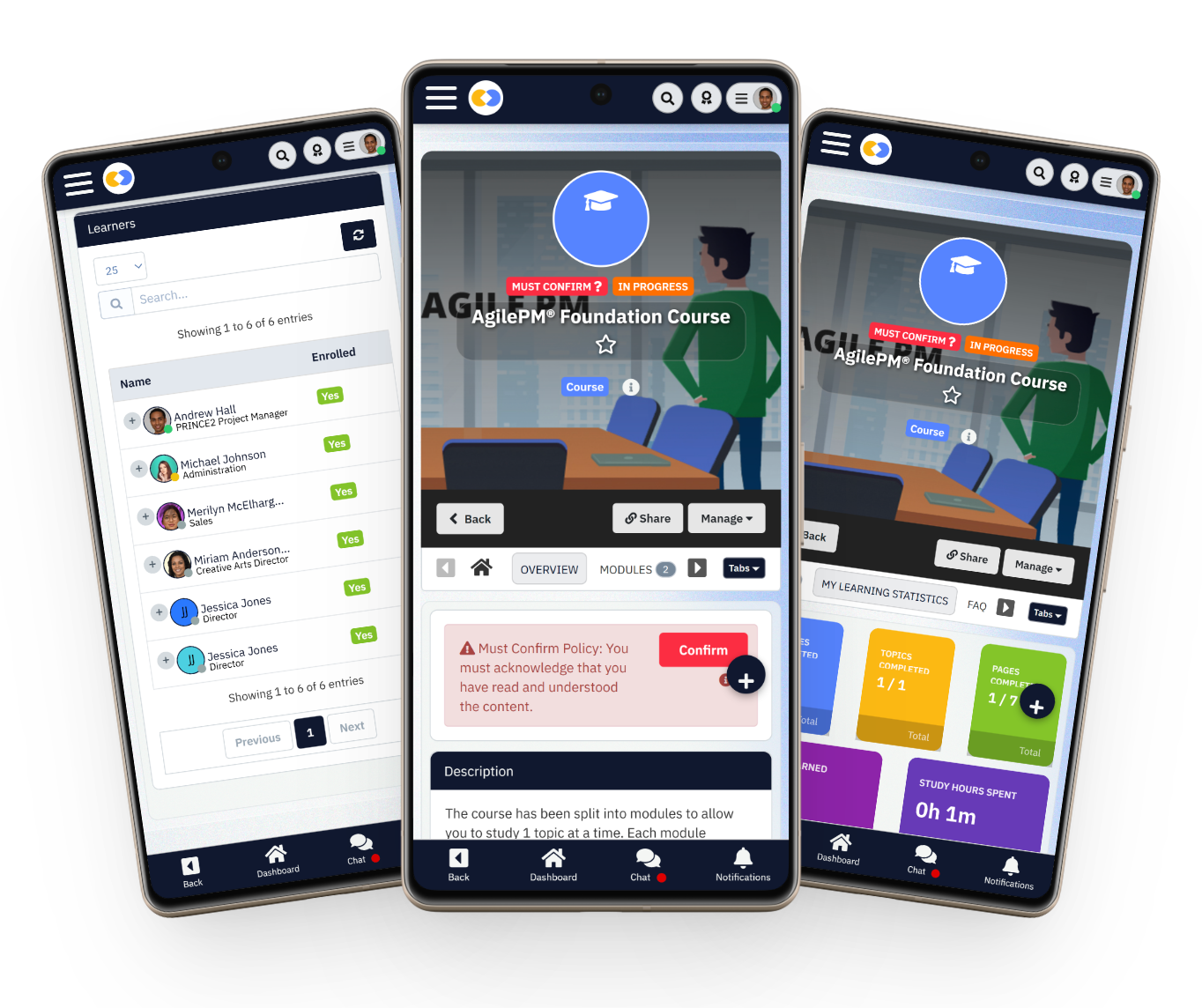
Modern platforms make wellbeing measurable and actionable.
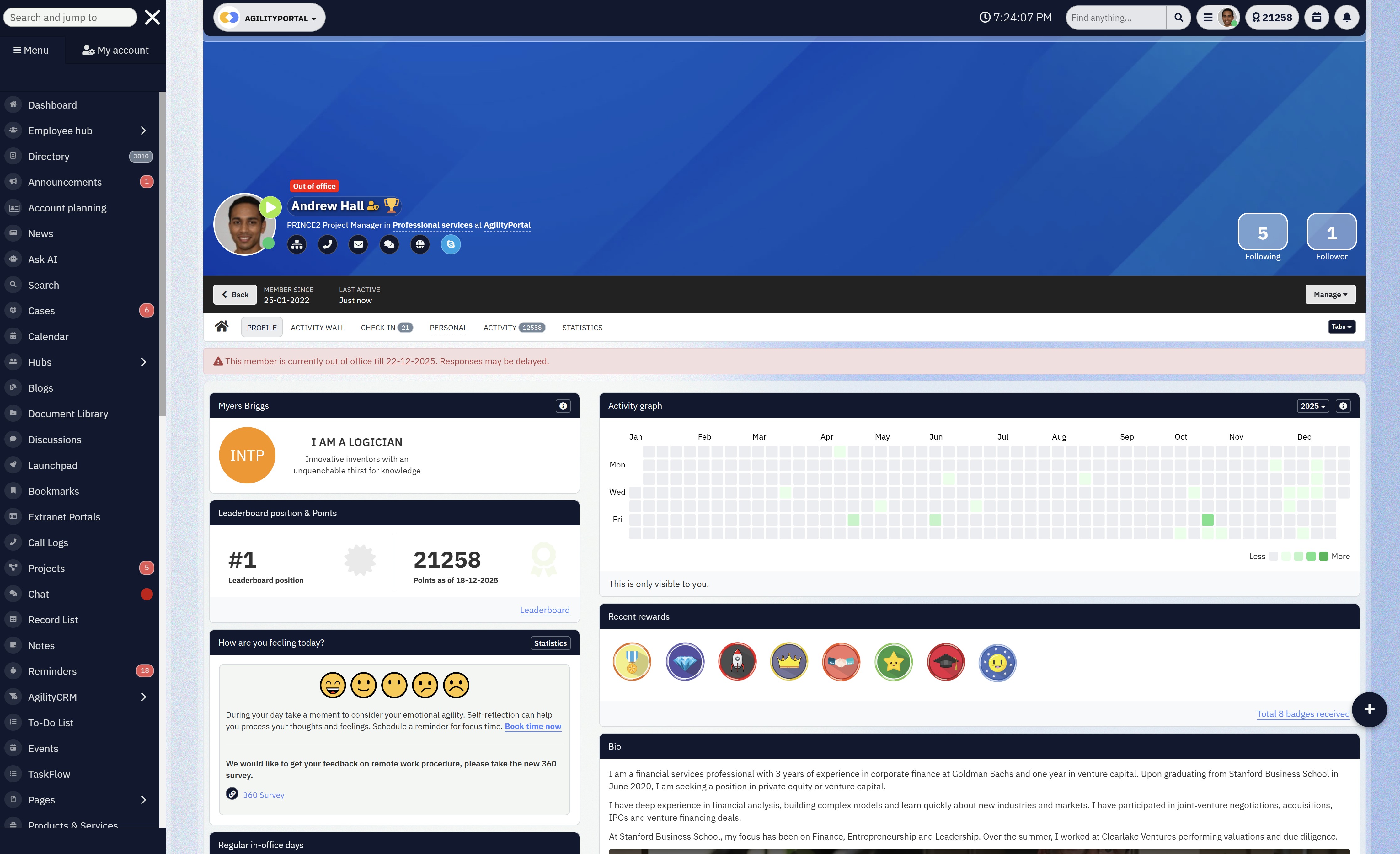
Pulse surveys, mood check-ins, and engagement analytics give HR early warning signs before stress turns into burnout or injury.
Instead of reacting after someone is already struggling, HR teams can intervene early with support, workload adjustments, or manager conversations.
This is where platforms like AgilityPortal play a practical role. Rather than treating wellbeing as a separate initiative, AgilityPortal embeds it into everyday work.
HR teams can track engagement trends, spot communication gaps, and understand how different teams are experiencing remote and hybrid work in real time.
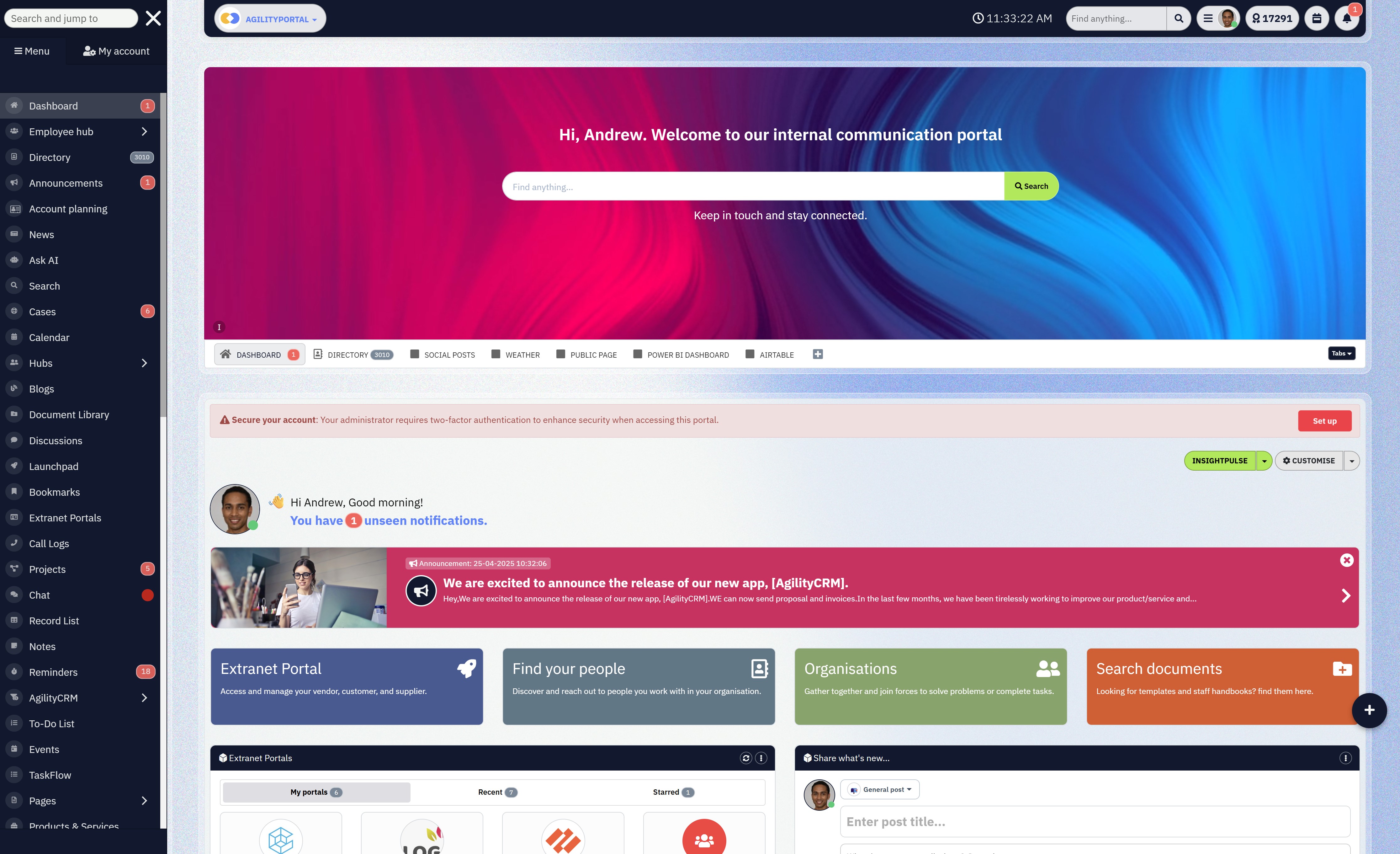
• Pulse surveys to monitor remote employee wellbeing continuously
• Engagement dashboards that highlight stress and disengagement trends
• Centralised communication that reduces confusion and overload
• Clear visibility into how information flows across remote teams
Technology also helps HR shift from reactive to proactive.
When wellbeing data is visible, decisions are based on evidence, not assumptions.
This supports better resource planning, fairer workload distribution, and more informed conversations with leadership about risk.
Another overlooked benefit is consistency.
Technology ensures that wellbeing support doesn't depend on which manager someone has.
Clear policies, communication standards, and support resources are accessible in one place, reinforcing the employer duty of care for remote workers.
In short, technology doesn't replace human leadership.
It strengthens it.
Tools like AgilityPortal give HR the insight they need to protect employees, reduce risk, and build a workplace where wellbeing is supported every day, not just talked about when something goes wrong.
Read this article: : Top 6 AI-Powered Project Management Tools To Use In 2023
The Future of Remote Work and Employee Wellbeing
Remote work isn't going away.
What is disappearing is the patience employees have for companies that treat wellbeing as an afterthought.
The next phase of remote work won't be defined by flexibility alone. It will be defined by how well organisations protect the people doing the work.
Employees have more choice than ever, and they're using it.
When wellbeing is ignored, people don't usually complain loudly. They disengage, update their CVs, and leave.
Companies that fail to address workload, mental health, and physical safety in remote environments will struggle to retain experienced talent, no matter how competitive their salaries look on paper.
Wellbeing is also shifting from a soft value to a measurable performance signal. Burnout, absenteeism, turnover, and injury rates are already being tracked by insurers, regulators, and boards.
These metrics are becoming early warning signs of deeper operational problems. In other words, poor wellbeing is increasingly seen as a management failure, not an individual one.
Forward thinking organisations are already adjusting.
They're treating wellbeing data the same way they treat financial or productivity data. They monitor stress levels, workload patterns, and engagement trends because these indicators predict risk before it becomes costly or public.
The companies that win in the future won't be the ones offering the most flexibility.
They'll be the ones that pair flexibility with structure, accountability, and visible care.
Remote work will continue to evolve, but one thing is clear.
Wellbeing is no longer a nice-to-have. It's a core performance indicator, and businesses that ignore it will pay the price in lost talent, rising risk, and long-term damage.
Wrapping up on this...
Remote work is not the problem.
Neglect is.
The effects of remote work on remote employee wellbeing are now impossible to ignore, especially as more organisations shift permanently toward hybrid and distributed teams.
When mental health in remote work is left unmanaged, stress, fatigue, and disengagement become the norm rather than the exception.
Many businesses are already feeling the strain.
Hybrid work challenges like unclear expectations, inconsistent communication, and lack of visibility are exposing gaps in how wellbeing is supported. These gaps don't just hurt morale.
They increase risk, reduce performance, and place pressure on managers who were never trained to handle wellbeing in a remote context.
The organisations that adapt are taking a different approach.
They're putting practical workplace wellbeing strategies in place, setting clear boundaries, supporting managers, and treating wellbeing as part of daily operations rather than an annual initiative.
Most importantly, they understand that flexibility does not remove responsibility.
The employer duty of care for remote workers still applies, regardless of where the work happens.
Prioritising wellbeing in the workplace, wherever that workplace is, is no longer optional.
It's not a perk, a trend, or a nice idea. It's basic leadership, and the businesses that recognise this now will be the ones that remain resilient, trusted, and sustainable in the long term.
Most Popular Posts

Effective communication among team members is vital for the productivity and success of any organization. Surprisingly, 60% of companies lack a long-term internal communication strategy, which p...


Businesses thrive on communication for efficiency, productivity and accomplishment. When the right information is passed from the right designation in the organization, it promotes positivity an...

Categories
Blog
(3186)
Business Management
(393)
Employee Engagement
(235)
Digital Transformation
(216)
Growth
(150)
Intranets
(141)
Internal communications
(106)
Remote Work
(68)
Sales
(53)
Collaboration
(52)
Customer Experience
(32)
Culture
(30)
Knowledge Management
(29)
Project management
(29)
Leadership
(20)
Comparisons
(9)
News
(1)

Related Posts

The best ai image editors can save a team hours of repetitive work. A marketing manager can remove a distracting background, an HR team can improve a staff event photo, and an online shop can turn a basic product shot into something ready to pu...

Ever opened a PDF just before a meeting and realised you need to edit a page, pull figures from a scanned report, or gather everyone's comments? What should be a quick task can turn into a frustrating search for the right tool. That lost time a...

Looking for a New Job Remotely can feel like a simple next step: update your CV, turn on job alerts and start applying. In reality, the strongest remote job searches start much earlier. You need to be clear about the work you want, the kind of ...

Hiring globally is easier than employing globally Have you found the right person for a role, only to realise they live in a country where your business has no legal entity? That's where EOR international hiring can be useful. An Employer of Re...

Sales operations and planning are essential to harmonizing sales objectives with operational capabilities, ensuring seamless coordination between departments like sales, marketing, production, and finance. This alignment enables businesses to forecas...


Jill Romford
I am a digital nomad, lover of exploring new places and making friends.
I love to travel and I love the internet. I take pictures of my travels and share them on the internet using Instagram.
Traveler, entrepreneur, and community builder. I share my insights on digital marketing and social media while inspiring you to live your fullest life.
Ready to learn more? 👍
One platform to optimize, manage and track all of your teams. Your new digital workplace is a click away. 🚀
Free for 14 days, no credit card required.