
Insight Blog
Agility’s perspectives on transforming the employee's experience throughout remote transformation using connected enterprise tools.
17 minutes reading time
(3456 words)
How Customer Service Training Software Reduces Employee Churn in Support Teams

How Customer Service Training Software Reduces Employee Churn in Support Teams
Customer service teams experience some of the highest employee turnover rates. Learn how customer service training software improves retention, engagement, and long-term employee performance.
How Customer Service Training Software Reduces Employee Churn in Support Teams

Customer service teams often face some of the highest turnover rates in any organization.
Between demanding workloads, frustrated customers, and limited career development opportunities, many support agents leave within their first year.
Research shows that poor onboarding and insufficient training are two of the biggest drivers of employee churn in customer-facing roles. When employees don't feel confident in their ability to handle customer issues, stress increases and job satisfaction drops.
That's where customer service training software can make a real difference.
Modern training platforms give support teams structured learning, knowledge resources, and real-time collaboration tools that help employees succeed faster. Instead of feeling overwhelmed, agents gain confidence, improve performance, and are far more likely to stay with the company long term.
In this guide, we'll explore how customer service training software helps companies reduce employee churn, strengthen support teams, and improve overall customer experience.
45%
annual turnover
Research shows that customer service roles experience some of the highest employee turnover rates, with many organizations reporting churn levels of 30–45% annually due to poor onboarding, limited training, and lack of support systems.
Source: Customer Service Industry Workforce Studies
Key Takeaways
- Customer service teams often face high employee churn when staff lack structured onboarding, training, and easy access to the right information.
- Training software helps reduce turnover by improving employee confidence, speeding up onboarding, and supporting continuous learning.
- Centralized knowledge bases, searchable resources, and collaboration tools make it easier for support teams to resolve issues quickly and consistently.
- Digital workplace platforms strengthen training by combining learning materials, company knowledge, and internal communication in one place.
- Organizations that invest in better training and knowledge management often improve retention, service quality, and long-term team performance.
Why Employee Churn Is So High in Customer Service Teams
Customer service departments often experience some of the highest turnover rates across any business function.
The role can be demanding, fast-paced, and emotionally draining, especially when employees are expected to resolve complex issues while maintaining a positive customer experience.
When organizations fail to provide the right support systems, training resources, and workplace structure, employees can quickly feel overwhelmed and begin looking for opportunities elsewhere.
Understanding the root causes of churn in support teams is the first step toward solving the problem.
Many of these challenges stem from operational issues that organizations can address with better onboarding processes, knowledge management, and structured learning environments supported by customer service training software.

High Stress and Customer Expectations
Customer-facing roles require employees to manage difficult conversations, urgent service requests, and high expectations from customers who often want immediate solutions.
Support agents must stay calm, empathetic, and efficient even when dealing with frustrated users or complex technical problems.
Over time, this constant pressure can lead to emotional fatigue and burnout.
Without the right support from managers, accessible resources, and clear escalation processes, employees may begin to feel that the job is unsustainable.
When stress levels remain high for long periods, many agents choose to leave rather than continue working in a high-pressure environment.
Poor Onboarding and Training
One of the biggest contributors to early employee turnover is ineffective onboarding.
Many organizations expect new support agents to start handling customer requests almost immediately after joining the company. While this approach may seem efficient, it often leaves employees feeling unprepared and unsure of how to respond to real-world customer situations.
When onboarding is rushed or poorly structured, new hires struggle to learn internal systems, policies, and product details. This lack of preparation increases mistakes, reduces confidence, and creates unnecessary stress.
Employees who feel unsupported during their first few months are far more likely to leave before they fully settle into the role.
Lack of Career Development
Another common reason support employees leave is the perception that customer service roles offer limited career growth.
When organizations fail to provide clear development pathways, employees may view their position as temporary rather than a long-term career opportunity.
Without training programs, leadership development opportunities, or skill-building initiatives, support agents often feel stuck in repetitive roles.
Providing opportunities to grow into senior support positions, team leadership roles, or customer success careers can significantly improve retention and employee engagement.
Information Overload
Modern organizations rely on a wide range of tools, systems, and documentation.
While these resources are essential, they can also create confusion if information is scattered across multiple platforms.
Support agents frequently need quick access to product documentation, troubleshooting guides, policies, and customer records. When this information is difficult to locate, employees waste valuable time searching across different systems.
This not only slows down customer response times but also increases frustration for employees who simply want to help customers efficiently.
A centralized knowledge environment that organizes information clearly can significantly reduce this friction and make day-to-day support tasks much easier for employees.
What Is Customer Service Training Software?
Customer service teams rely on strong product knowledge, clear processes, and effective communication skills to deliver great support experiences.
Without proper training, employees can struggle to resolve issues quickly or manage challenging customer interactions. This is where customer service training software plays an important role.
Customer service training software is a digital platform designed to help support teams learn the skills, tools, and processes required to handle customer inquiries effectively.
Instead of relying on traditional manuals or occasional training sessions, companies can provide structured learning through a system employees can access anytime.
These platforms centralize learning materials, making it easier for employees to find answers, review training content, and develop their skills. New hires can follow a structured onboarding process, while experienced agents can refresh their knowledge when products, policies, or processes change.
Most training platforms include several features that help employees learn faster and perform better in real support scenarios.
Common capabilities often include:
- Structured onboarding programs that guide new hires through essential training steps
- Interactive learning modules that simulate real customer service situations
- Centralized knowledge bases where documentation and troubleshooting guides are stored
- Searchable help resources that allow agents to quickly find answers while assisting customers
- Performance tracking tools that help managers monitor progress and identify training gaps
- Collaboration tools where employees can share solutions and learn from teammates
One of the biggest advantages of modern training platforms is that they support continuous learning.
Instead of training stopping after onboarding, employees can revisit materials, explore new skills, and stay updated as products and policies evolve.
Support teams often deal with complex questions and fast-paced environments. Having quick access to training materials and knowledge resources allows employees to respond more confidently and reduce errors during customer interactions.
By bringing training, documentation, and team collaboration into one centralized system, organizations can give support employees the resources they need to succeed while maintaining consistent service quality.
How Customer Service Training Software Reduces Employee Churn
High employee turnover is a major challenge for customer service teams.
Support roles can be demanding, and when employees feel unprepared, unsupported, or overwhelmed, they are far more likely to leave.
Well-structured customer service training software helps solve this problem by giving employees the knowledge, confidence, and support systems they need to succeed in their roles.

Faster Employee Onboarding
Many support agents leave within the first few months because onboarding feels confusing or rushed.
When new hires are expected to handle real customer issues without clear guidance, stress levels rise quickly.
Structured training programs help solve this by guiding employees through step-by-step learning paths that explain processes, tools, and product knowledge before they begin handling complex customer interactions.
Benefits of structured onboarding include:
- Faster time to productivity
- Reduced confusion about internal systems and policies
- Higher confidence during the first weeks of the job
When employees feel prepared from the start, they are far more likely to remain engaged and committed to the role.
Increased Employee Confidence
Confidence plays a huge role in employee retention.
Agents who understand company products, policies, and troubleshooting procedures feel more capable of resolving customer issues efficiently.
Training platforms provide easy access to documentation, learning resources, and support materials so employees can quickly find answers when they need them.
This reduces uncertainty during customer interactions and helps employees perform more effectively under pressure.
Continuous Learning Opportunities
Training should not stop after onboarding. Customer service teams constantly face new products, new policies, and evolving customer expectations.
Modern training environments support ongoing learning through:
- Microlearning modules
- Skill refresher courses
- Updates on new products or services
- Communication and conflict resolution training
Employees who continue developing their skills tend to feel more engaged with their work and are more likely to stay with the organization long term.
Clear Career Development Paths
Support employees often leave when they feel there is no opportunity to grow within the organization. Providing clear learning paths helps employees see a future beyond their current role.
Training programs can prepare employees for roles such as:
- Senior support specialists
- Team leaders or supervisors
- Customer success managers
When employees understand how they can progress in their careers, retention improves significantly.
Improved Team Collaboration
Customer service problems are rarely solved in isolation.
Agents frequently need help from colleagues when dealing with unusual issues or complex requests.
Training platforms often integrate with digital workplace tools that allow employees to collaborate more easily. Teams can:
- Ask questions quickly
- Share solutions and troubleshooting tips
- Work together on difficult cases
This collaborative environment creates a stronger support network and prevents employees from feeling isolated in challenging situations.
Features to Look for in Customer Service Training Software
When organizations invest in training platforms for support teams, it's important to choose a solution that goes beyond simple documentation or basic learning materials.
The most effective platforms provide a combination of training tools, knowledge management, and collaboration features that help employees learn faster and perform better during real customer interactions.
The right platform should support both new employee onboarding and continuous learning, while also giving teams quick access to the information they need during day-to-day support tasks.
When evaluating training platforms, organizations should look for several key capabilities.
- Structured onboarding programs - A strong platform should provide guided onboarding paths that help new hires learn company processes, systems, and customer support workflows step by step. This ensures employees build confidence before handling complex customer requests.
- Searchable knowledge bases - Support teams need fast access to accurate information. A centralized knowledge base allows employees to quickly find troubleshooting guides, product documentation, and internal procedures without searching across multiple tools.
- Interactive learning modules - Training is far more effective when employees can learn through real-world scenarios. Interactive lessons, simulations, and practical examples help agents understand how to respond to different customer situations.
- Training analytics and progress tracking - Managers should be able to track training completion rates, identify knowledge gaps, and monitor employee progress. These insights help organizations improve training programs and provide additional support where needed.
- Collaboration tools for support teams - Customer service often requires teamwork. Built-in communication tools allow employees to ask questions, share solutions, and collaborate on complex issues without leaving the platform.
- Integration with help desk systems - Training platforms work best when they connect with existing support tools such as ticketing systems, CRM platforms, and internal communication tools. This allows employees to move seamlessly between learning resources and real support tasks.
The most effective platforms bring training, knowledge sharing, and team communication together in one environment, helping organizations build stronger support teams while improving both employee experience and customer service quality.
Real Business Benefits of Customer Service Training Software
Organizations that invest in structured training platforms often see clear and measurable improvements across both employee performance and customer experience.
When support teams have access to consistent training resources, clear documentation, and ongoing learning opportunities, they are better equipped to handle customer issues efficiently and professionally.
One of the most noticeable benefits is lower employee turnover.
Support roles can be demanding, but when employees feel prepared and supported in their jobs, they are far more likely to stay with the organization. Structured learning environments help employees build confidence early in their roles, reducing frustration and burnout.
Another major advantage is faster onboarding.
Instead of relying on informal training or shadowing, new hires can follow structured learning paths that guide them through systems, processes, and product knowledge step by step. This allows employees to become productive much sooner while reducing the pressure on managers and senior team members who would otherwise need to provide constant guidance.
Organizations also tend to see improvements in customer satisfaction.
Well-trained support agents can resolve issues more accurately and communicate solutions more clearly. When customers receive helpful and confident responses, their overall experience improves and trust in the company grows.
Additional benefits commonly include:
- Lower employee turnover and improved retention
- Faster onboarding and quicker time to productivity
- Higher customer satisfaction scores
- Improved support response times
- Stronger collaboration between team members
Training platforms also encourage better teamwork.
When employees have access to shared knowledge resources and training materials, they can collaborate more easily and learn from each other's experiences.
This creates a more supportive environment where employees feel empowered rather than isolated when dealing with difficult customer situations.
Ultimately, organizations that invest in training systems build stronger support teams. Employees perform better, customers receive higher quality service, and businesses create a more stable and engaged workforce.
How Digital Workplace Platforms Support Customer Service Training
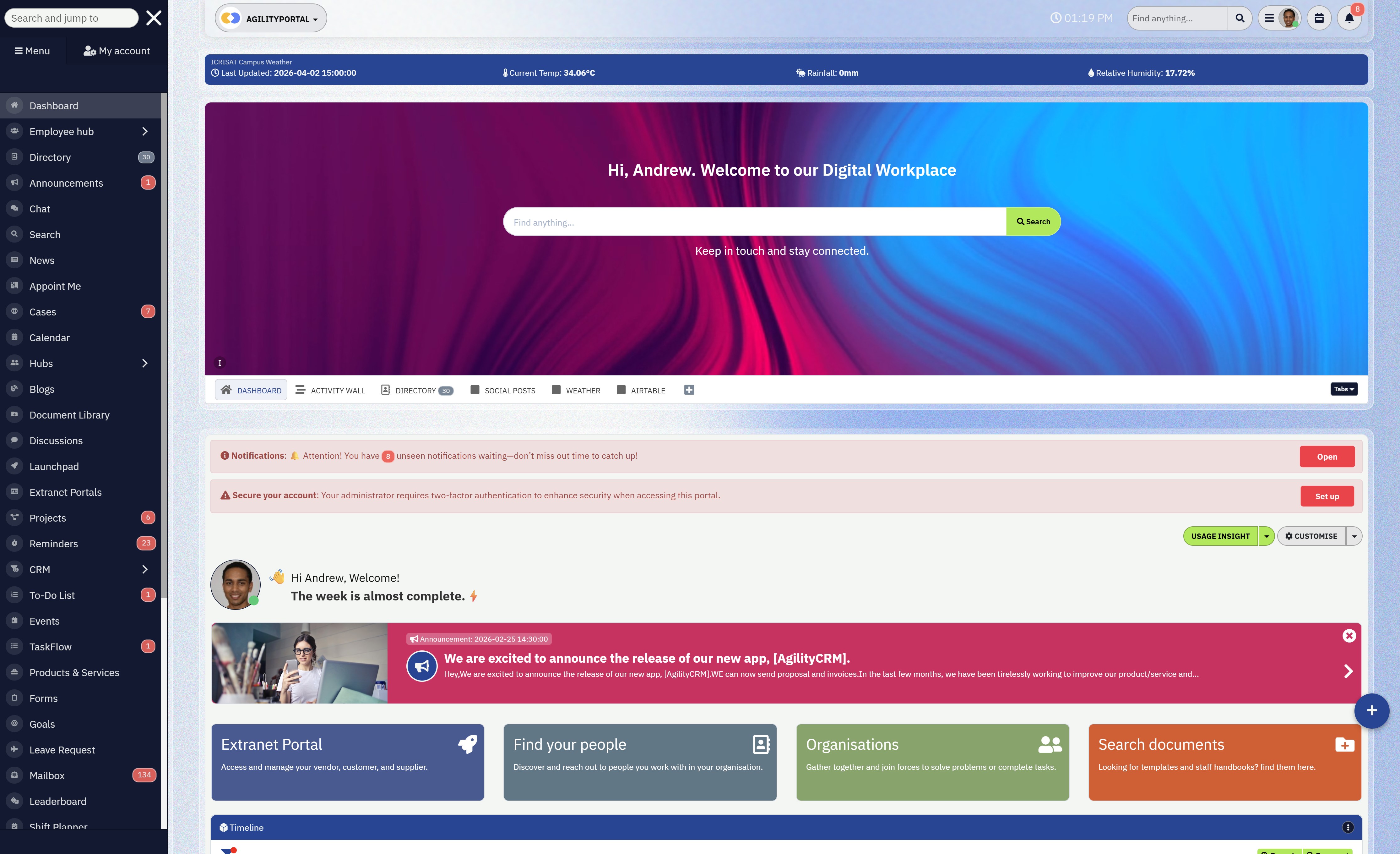
Many organizations are now integrating training into a broader digital workplace platform where employees can access everything they need from one central location.
Instead of switching between multiple tools, support teams can find learning resources, documentation, and collaboration features within the same environment they use every day.
This approach helps employees stay informed and confident when assisting customers.
When information is easy to find and training materials are always available, support agents can resolve issues faster and communicate more effectively with customers.
Over time, this consistency helps teams gain trust with customers because responses become more accurate, reliable, and professional.
Digital workplace platforms typically bring several important resources together in one place, including:
- Documentation and product knowledge libraries
- Training materials and onboarding guides
- Company news and operational updates
- Collaboration tools for asking questions and sharing solutions
Having these resources available in a centralized workspace allows employees to quickly access the information they need without searching across different systems. This not only improves efficiency but also reduces frustration for support teams who need fast answers while helping customers.
Another advantage of integrating training into a digital workplace is that learning becomes part of everyday work rather than a separate activity.
Employees can review guides, revisit training modules, or collaborate with teammates while actively solving customer issues.
Platforms like AgilityPortal help organizations combine training, internal communication, and knowledge management into a single environment.
By connecting learning resources with everyday workflows, companies can support their teams more effectively, improve service consistency, and help employees gain trust from customers through better and more informed interactions.
Want to Reduce Employee Churn in Your Support Teams?
High employee turnover often happens when support teams lack access to clear training, documentation, and internal communication tools. When employees struggle to find information or feel unsupported, job satisfaction drops and churn increases.
AgilityPortal helps organizations centralize onboarding, training resources, knowledge bases, and team communication in one modern digital workplace platform. By giving employees the tools they need to succeed, companies can improve engagement, build stronger teams, and reduce support staff turnover.
- Centralized onboarding and employee training resources
- Knowledge hubs for support documentation and troubleshooting
- Internal communication channels for team collaboration
- Employee engagement tools that help improve retention
- Enterprise search to quickly find company knowledge
- Mobile access for frontline and support employees
When employees feel supported and informed, they perform better, serve customers more effectively, and are far more likely to stay with your organization.
Try AgilityPortal Free for 14 Days No credit card required
Wrapping up
Customer service teams are critical to customer experience, but they often struggle with high employee churn.
By investing in customer service training software, organizations can provide structured onboarding, continuous learning, and better support resources for their teams.
When employees feel confident, supported, and equipped with the right knowledge, they perform better and remain engaged in their roles.
For companies looking to reduce turnover and strengthen their support operations, training platforms combined with modern digital workplace tools can make a significant impact.
AI Summary
- Customer support teams often experience high employee turnover because roles can be stressful, fast-paced, and require strong product knowledge and communication skills.
- Poor onboarding and limited training resources are two major reasons why many support agents leave within their first year.
- Research from Gallup shows employees who feel properly trained and supported are significantly more engaged and more likely to stay with their organization.
- Customer service training software helps organizations deliver structured onboarding, continuous learning, and easy access to knowledge resources.
- Centralized documentation, searchable knowledge bases, and learning modules help employees find answers quickly and perform more confidently.
- Digital workplace platforms combine training, communication, and knowledge management to support customer service teams and improve employee retention.
Most Popular Posts

Effective communication among team members is vital for the productivity and success of any organization. Surprisingly, 60% of companies lack a long-term internal communication strategy, which p...


Businesses thrive on communication for efficiency, productivity and accomplishment. When the right information is passed from the right designation in the organization, it promotes positivity an...

Categories
Blog
(3196)
Business Management
(395)
Employee Engagement
(235)
Digital Transformation
(218)
Growth
(150)
Intranets
(141)
Internal communications
(106)
Remote Work
(68)
Sales
(53)
Collaboration
(52)
Customer Experience
(32)
Culture
(30)
Knowledge Management
(29)
Project management
(29)
Leadership
(20)
Comparisons
(9)
News
(1)

Related Posts

Could AI produce your next workplace video faster—and still deliver a message your employees can trust? As more businesses use video for onboarding, training and leadership updates, one question keeps coming up: will AI replace video editors in...

Could the best machine learning systems help your employees spend less time sorting requests, updating spreadsheets and chasing information—and more time doing useful work? That's the opportunity, but finding the right system starts with knowin...

What would happen to your team's work and customer information if an employee's MacBook disappeared today? If you're wondering how to protect your Mac physically, the answer goes beyond buying a case. A MacBook used at home, on a train or in a ...

Welcome to AgilityPortal's guide to the best VPN for Remote teams. How do you give employees secure access to company systems when they work from home, the office and everywhere in between? It's a question more businesses need to answer: 28% of worki...

Have you ever left a meeting thinking everyone agreed on the next step, only to discover a week later that each person remembered something different? Open source meeting transcription can help teams keep a searchable record of the conversation...


Jill Romford
I am a digital nomad, lover of exploring new places and making friends.
I love to travel and I love the internet. I take pictures of my travels and share them on the internet using Instagram.
Traveler, entrepreneur, and community builder. I share my insights on digital marketing and social media while inspiring you to live your fullest life.
Ready to learn more? 👍
One platform to optimize, manage and track all of your teams. Your new digital workplace is a click away. 🚀
Free for 14 days, no credit card required.