
Insight Blog
Agility’s perspectives on transforming the employee's experience throughout remote transformation using connected enterprise tools.
36 minutes reading time
(7266 words)
How to Stop Quiet Quitting and Boost Engagement in Remote Teams in 2026

How to Stop Quiet Quitting and Boost Engagement in Remote Teams in 2026
Quiet quitting is rising in remote teams. Learn how to stop quiet quitting, boost employee engagement, and build motivated remote teams using proven strategies.
How to Stop Quiet Quitting and Boost Engagement in Remote Teams in 2026

Quiet quitting isn't really about employees quitting their jobs.
It's about employees quietly disconnecting from their work.
They still show up to meetings.
They complete the minimum required tasks.
But the motivation, creativity, and initiative that once drove their performance slowly disappears.
According to Gallup's global workplace report, only 23% of employees are actively engaged at work, while 59% are "quiet quitting" — doing the bare minimum required.
Remote work has amplified the problem.
Without visibility, culture, and strong communication, disengagement spreads faster than most leaders realize.
In this guide, we'll break down:
- what quiet quitting actually means
- why it happens more in remote teams
- the warning signs leaders often miss
- and 10 proven strategies to stop quiet quitting and boost engagement
59%
quiet quitting
According to Gallup’s Global Workplace Report, only 23% of employees are actively engaged at work, while 59% are considered “quiet quitting” — doing the minimum required and feeling disconnected from their work.
Source: Gallup Global Workplace Report
Key Takeaways
- Quiet quitting is becoming a major workplace challenge, with Gallup reporting that only 23% of employees are actively engaged while 59% are doing the bare minimum required.
- Employee disengagement often starts gradually through reduced meeting participation, minimal communication, and declining collaboration in remote teams.
- Research from McKinsey shows employees can spend up to 28% of their workweek searching for information across disconnected systems, which contributes to frustration and lost productivity.
- Organizations that centralize communication, knowledge sharing, and collaboration tools can significantly reduce workplace friction and improve engagement.
- Early warning signs such as missed deadlines, lack of initiative, and emotional detachment often indicate deeper issues related to leadership communication and recognition.
- Companies that prioritize transparent leadership, employee recognition, and modern digital workplace platforms are far more likely to prevent quiet quitting and maintain motivated remote teams.
What Quiet Quitting Really Means
Quiet quitting doesn't mean employees suddenly stop caring about their jobs, and it certainly doesn't mean they've become lazy.
In most cases, quiet quitting is a symptom of deeper workplace problems. Employees still complete their assigned tasks and attend meetings, but the extra effort that once drove innovation, collaboration, and creativity slowly disappears.
Instead of actively contributing ideas or taking initiative, employees begin doing only what their role requires — nothing more, nothing less.
This behaviour often develops gradually, especially in remote teams where disengagement is harder for managers to detect. Without daily face-to-face interaction, warning signs can remain hidden for weeks or even months.
Many employees who quietly disengage report feeling:
- undervalued by leadership
- disconnected from their team or company mission
- overwhelmed by unclear priorities or workloads
- uncertain about expectations or career growth
In some cases, disengaged employees begin shifting their attention toward side projects, freelance work, or even experimenting with a passive income app instead of focusing on their primary role.
When these issues go unaddressed, motivation naturally declines.
Quiet quitting occurs when employees limit their effort strictly to the responsibilities outlined in their job description, avoiding additional tasks, initiatives, or discretionary effort.
They remain employed and complete their duties, but their emotional and intellectual investment in the organization fades, which often leads them to explore alternative income streams or productivity tools outside their main job.

Why It's Dangerous for Companies
Although quiet quitting may seem subtle at first, its impact can be significant.
When multiple employees disengage at the same time, the effects ripple across the entire organization.
Common consequences include:
- lower productivity across teams
- reduced innovation and creative problem-solving
- declining team morale and collaboration
- higher long-term employee turnover
Research highlights how widespread disengagement has become.
According to McKinsey, employees spend up to 28% of their workweek searching for information across disconnected systems, which creates frustration and contributes to disengagement.
For remote teams, these challenges are often amplified.
Without clear communication systems, accessible knowledge, and strong leadership visibility, employees can quickly begin to feel disconnected from both their work and the broader organization.
Understanding what quiet quitting really means is the first step toward identifying the root causes and rebuilding engagement before productivity begins to decline.
28%
workweek lost
According to McKinsey, employees can spend up to 28% of their workweek searching for information across disconnected systems — creating frustration, reducing productivity, and contributing to workplace disengagement.
Source: McKinsey Global Institute
Why Quiet Quitting Is Rising in Remote Teams
Remote work has transformed how organizations operate, offering flexibility, global talent access, and improved work-life balance.
But it has also introduced a new challenge many companies underestimated — employee disengagement in remote teams.
Without the structure of a physical office, the signals that once helped managers identify problems early are often missing.
Small issues like unclear communication, lack of recognition, or fragmented systems can quietly build up until employees start doing only the minimum required.
This is why quiet quitting in remote teams has become one of the most searched workplace topics in recent years.
According to Gallup's workplace research, nearly 60% of employees worldwide are considered disengaged, meaning they are psychologically detached from their work and contribute less discretionary effort.
Understanding why this happens is the first step toward improving remote employee engagement and preventing quiet quitting before it spreads across teams.
Here is how to spot the sign of quiet quitting in 2026.
Lack of Visibility and Employee Recognition
In a traditional office environment, managers naturally notice changes in behaviour. Someone who suddenly becomes quiet in meetings, stops contributing ideas, or seems withdrawn can be identified quickly.
In remote teams, these signals are much harder to detect.
Employees who once thrived in collaborative office environments may suddenly feel invisible inside a digital workplace, especially if communication is limited to occasional meetings or task updates.
Without consistent recognition or feedback, employees begin to question whether their contributions matter. Over time, motivation drops and engagement fades.
This is why companies focused on remote workforce productivity and engagement are increasingly introducing tools that provide visibility into employee participation, collaboration, and sentiment.
Poor Communication Across Distributed Teams
Communication breakdown is one of the biggest drivers of disengagement in remote organizations.
Many companies rely on a combination of tools that were never designed to work together effectively, such as:
- email threads
- Slack or chat platforms
- multiple document storage systems
- project management tools
- frequent video meetings
While each tool solves a specific problem, the overall experience often becomes fragmented.
Employees spend large amounts of time searching for information, switching between platforms, and trying to understand where conversations are happening.
Research from McKinsey shows that employees can spend up to 28% of their workweek searching for information across different systems, which creates frustration and slows productivity.
When employees feel that communication is chaotic or unclear, they gradually reduce their involvement and begin doing only the essential tasks required.
Missing Workplace Culture in Remote Environments
One of the most overlooked challenges of remote work is the loss of organic workplace culture.
In physical offices, culture develops naturally through daily interactions:
- hallway conversations
- team lunches
- casual brainstorming
- spontaneous collaboration
These small interactions help employees feel connected to both their colleagues and the broader mission of the company.
Remote teams rarely experience these moments unless leaders intentionally design environments where they can happen digitally.
Without strong culture-building initiatives, employees may begin to feel isolated, disconnected, and less invested in their organization's success.
This is why many companies are now investing in digital workplace platforms, employee engagement tools, and internal communication systems that recreate these social and collaborative experiences online.
Fragmented Digital Workplaces
Another major contributor to quiet quitting is the fragmentation of workplace tools and information.
When employees must navigate multiple platforms to complete simple tasks, frustration builds quickly.
Common issues include:
- scattered company knowledge across different systems
- outdated documents that employees cannot easily find
- duplicate conversations happening across multiple channels
- inconsistent updates from leadership
These inefficiencies not only reduce productivity but also make employees feel disconnected from the organization's goals.
Modern organizations are increasingly addressing this challenge by introducing centralized digital workplace platforms that combine communication, knowledge sharing, collaboration, and employee engagement into one environment.
By simplifying how employees access information and interact with their teams, companies can significantly reduce the risk of quiet quitting.
Why This Trend Is Accelerating
Remote work is not disappearing. In fact, studies suggest that more than 70% of knowledge workers now expect some form of hybrid or remote work arrangement.
As remote teams continue to grow, organizations must adapt how they support employee engagement, communication, and collaboration.
Companies that fail to address these challenges often see:
- declining productivity
- increased employee turnover
- reduced innovation
- lower team morale
However, organizations that invest in strong communication systems, transparent leadership, and employee engagement strategies are far more likely to build motivated remote teams that remain productive and connected.
Understanding why quiet quitting happens is the first step.
The next step is implementing the right engagement strategies that keep remote employees motivated, informed, and invested in the company's success.
7 Early Warning Signs of Quiet Quitting
Many leaders only realize quiet quitting is happening after productivity drops or employees resign. But workplace disengagement usually starts months earlier.
Gallup's global workplace study found that 59% of employees are quietly disengaged, meaning they are psychologically disconnected from their work but remain employed.
In remote and hybrid environments, these signals are harder to detect because managers cannot rely on physical observation.
Understanding the early warning signs of quiet quitting allows organizations to intervene before disengagement spreads across teams.

| Warning Sign | What It Looks Like | Supporting Data | Real Organization Example |
| Reduced meeting participation | Employees attend meetings but rarely contribute ideas or feedback | Harvard Business Review found remote employees who feel disconnected are 38% less likely to speak in meetings | Shopify improved engagement by restructuring meetings and encouraging asynchronous input |
| Minimal communication | Responses become short, transactional, or delayed | Microsoft Work Trend Index reports employees receive 250+ messages per day, causing communication fatigue | Automattic introduced structured communication channels to reduce message overload |
| Lack of initiative | Employees stop volunteering for projects or suggesting improvements | Gallup research shows engaged employees are 21% more productive and more likely to take initiative | Google's Project Aristotle showed psychological safety increases idea sharing |
| Missed deadlines | Work starts arriving later or productivity declines | Stanford research shows disengaged employees are 18% less productive | IBM improved project delivery by centralizing collaboration systems |
| Reduced collaboration | Employees withdraw from team discussions and group work | MIT Sloan found disconnected employees are 2x more likely to disengage from collaboration | GitLab created detailed remote work documentation to improve teamwork |
| Declining creativity | Employees stop proposing ideas or solutions | McKinsey reports highly engaged teams are 3.5x more innovative | 3M's "15% rule" increased employee innovation and engagement |
| Emotional detachment | Employees disengage from company culture and updates | Gallup says disengaged workers are 2.6x more likely to look for another job | Salesforce introduced wellness days to rebuild engagement |
1. Reduced Participation in Meetings
One of the earliest signals of quiet quitting is silence during meetings.
Employees who were once active contributors suddenly stop sharing ideas, asking questions, or offering feedback.
They still attend meetings, but their participation becomes minimal.
Research from Harvard Business Review found that remote employees who feel disconnected from leadership are 38% less likely to speak during meetings or collaborative discussions.
During the shift to remote work in 2020, Shopify noticed that many employees were attending meetings but contributing less.
Leadership responded by implementing asynchronous communication and structured meeting participation rules, which encouraged employees to contribute ideas before and after meetings rather than relying only on live discussions.
This improved engagement across distributed teams.
2. Minimal Communication
Another early sign of disengagement is when communication becomes purely transactional.
Instead of participating in discussions, employees respond with short messages like:
- "Done"
- "Okay"
- "Noted"
Over time, deeper conversations disappear.
According to Microsoft's Work Trend Index, remote employees now receive 250+ messages per day on average, which can cause communication fatigue and lead employees to withdraw from conversations.
At Automattic, the fully remote company behind WordPress, leadership noticed early that message overload reduced meaningful communication.
They introduced clearer communication guidelines and structured discussion channels, which helped employees participate more meaningfully rather than responding with minimal engagement.
Employees all agree that micromanagement is a questionable strategy for remote teams. Having to constantly explain your status, give daily reports, or even get questioned about replying to a message five minutes later will motivate any employee to quit.
3. Lack of Initiative
Employees who are quietly disengaging often stop taking initiative.
They complete assigned tasks but avoid:
- volunteering for new projects
- proposing improvements
- contributing ideas outside their responsibilities
This shift usually indicates declining motivation.
Gallup research shows that highly engaged employees are 21% more productive and significantly more likely to take initiative in their roles.
When engagement drops, discretionary effort disappears.
Google's Project Aristotle, which studied high-performing teams, found that psychological safety was a key driver of initiative. Teams where employees felt safe to speak up generated significantly more ideas and innovation than teams where employees felt ignored or undervalued.
Organizations that encourage open dialogue often prevent this form of disengagement.
4. Missed Deadlines or Slower Work
Quiet quitting rarely causes immediate productivity collapse.
Instead, performance declines gradually.
Employees may start:
- delaying tasks
- missing deadlines
- submitting work later than usual
A study by Stanford University found that disengaged employees are 18% less productive and 37% more likely to miss deadlines.
These changes often appear small initially but compound over time.
During remote operations, IBM noticed delays in cross-team project delivery caused by unclear communication structures.
By introducing centralized collaboration platforms and clearer project visibility, they reduced delays and improved remote team productivity.
5. Reduced Collaboration with Teammates
Collaboration is one of the strongest indicators of engagement.
When employees quietly disengage, they begin working more independently and withdraw from group interactions.
They may stop participating in:
- brainstorming sessions
- internal discussion channels
- cross-team collaboration projects
Research from MIT Sloan Management Review found that employees who feel disconnected from colleagues are twice as likely to disengage from collaborative work.
When GitLab, one of the largest remote-first companies in the world, noticed collaboration challenges early in its growth, it created one of the most detailed remote-work handbooks available publicly.
By clearly documenting communication processes and collaboration guidelines, GitLab ensured employees remained connected across distributed teams.
6. Declining Creativity and Problem Solving
Innovation often declines before productivity does.
Disengaged employees focus only on completing assigned tasks rather than solving broader problems or proposing new ideas.
According to McKinsey research, organizations with highly engaged employees are 3.5 times more likely to outperform competitors in innovation.
When engagement drops, creativity tends to disappear.
At 3M, leadership discovered that giving employees dedicated time for innovation dramatically improved engagement and creativity. Their famous "15% rule," which allows employees to spend time on creative projects, led to innovations like Post-it Notes.
Organizations that encourage creative participation tend to maintain higher engagement levels.
7. Emotional Detachment from the Organization
The final and most serious sign of quiet quitting is emotional detachment.
Employees begin to feel disconnected from:
- company goals
- leadership updates
- team achievements
They may stop engaging with company culture initiatives or internal communities.
According to Gallup, employees who feel emotionally disconnected from their workplace are 2.6 times more likely to look for another job within the next year.
During the pandemic, Salesforce recognized increasing employee burnout and disengagement. The company introduced regular wellness days and improved internal communication about company goals, which helped rebuild employee connection and morale.
Why Leaders Must Identify These Signs Early
Quiet quitting rarely appears overnight. It usually develops gradually through small behavioural changes.
Organizations that recognize these early warning signs can intervene by improving:
- communication
- leadership transparency
- employee recognition
- access to information
- digital workplace collaboration
Companies that actively monitor engagement are far more likely to maintain productive, motivated remote teams.
The Real Causes of Quiet Quitting
Let's imagine a situation that might feel familiar.
Sarah joined a fast-growing company two years ago. At the beginning, she was excited. She contributed ideas in meetings, helped teammates solve problems, and often stayed late to finish projects because she cared about the work.
But slowly, things started to change.
Meetings became more about status updates than meaningful conversations. Leadership stopped sharing company updates. Recognition disappeared. And the tools she relied on to do her job became increasingly confusing.
Sarah didn't quit her job.
She just stopped going the extra mile.
This is exactly how quiet quitting begins — not through rebellion or laziness, but through a gradual loss of motivation.
When organizations look closely at why employees disengage, the causes tend to fall into a few common patterns.
Lack of Recognition
Imagine spending weeks solving a difficult problem at work. You finish the project, submit it, and then… nothing.
No feedback.
No acknowledgement.
No recognition.
At first, you might brush it off. But if it happens repeatedly, something changes.
You start asking yourself:
"Does anyone actually notice the work I'm doing?"
Research from Gallup shows that employees who receive regular recognition are 4 times more likely to be engaged at work. Recognition doesn't need to be extravagant; sometimes a simple acknowledgement from a manager or teammate can reinforce that an employee's work matters.
When recognition disappears, effort often disappears with it. Employees begin doing exactly what their job description requires — and nothing more.
Poor Leadership Communication
Now think about another scenario.
You log in to work each morning, but you're not entirely sure what the company's priorities are anymore. Leadership updates are rare, goals seem unclear, and changes happen without explanation.
Over time, this creates uncertainty.
Employees begin to feel like they're working without direction.
Strong leadership communication plays a huge role in engagement. According to McKinsey, employees who feel well-informed about company decisions are significantly more likely to stay motivated and committed to their work.
When leaders communicate openly — sharing company progress, challenges, and future plans — employees feel connected to the mission.
Without that transparency, work can start to feel meaningless.
Limited Career Growth
Another common cause of quiet quitting is the feeling that there's nowhere to grow.
Picture an employee who has been in the same role for several years. They consistently perform well, but promotions never appear, training opportunities are limited, and career development conversations rarely happen.
Eventually, the question arises:
"What's the point of pushing harder if nothing changes?"
When employees cannot see a clear path forward, motivation begins to fade.
LinkedIn's Workplace Learning Report found that 94% of employees say they would stay longer at a company that invests in their career development.
Organizations that prioritize learning, mentorship, and internal mobility tend to maintain much higher engagement levels because employees feel their future matters.
Digital Workplace Chaos
Finally, there is a problem that many modern workplaces underestimate: tool overload.
Imagine starting your day needing to check five different systems just to understand what's happening:
- messages in one chat platform
- tasks in a project management tool
- documents in a shared drive
- company updates in another platform
- and meetings scheduled somewhere else
Now imagine trying to find a document someone mentioned last week.
This fragmented digital workplace creates daily frustration.
McKinsey research shows employees spend nearly 30% of their workweek searching for information across disconnected systems.
When simple tasks become unnecessarily complicated, employees slowly lose patience. Work feels harder than it should be, collaboration becomes messy, and engagement drops.
Organizations that simplify communication and centralize information often see a dramatic improvement in both productivity and employee satisfaction.
The important thing to remember is that quiet quitting rarely happens because employees suddenly decide they don't care.
More often, it happens because something in the workplace environment slowly erodes motivation.
When employees feel recognized, informed, supported in their growth, and equipped with the right tools, engagement tends to return naturally.
Understanding these root causes is the first step toward building remote teams that remain motivated, collaborative, and invested in their work.
10 Practical Strategies to Stop Quiet Quitting in Remote Teams
If quiet quitting is already happening inside your organization, the solution isn't sending motivational emails or telling employees to "be more engaged."
Engagement improves when leaders change the systems employees interact with every day.
Below are practical tactics organizations can implement immediately to reduce disengagement and rebuild motivation in remote teams.
1. Create One Clear Communication Hub (Stop Tool Chaos)
One of the fastest ways employees disengage is when they don't know where conversations are happening.
Instead of spreading discussions across email, chat, documents, and multiple apps, create one clear place for communication.
- Define one official channel for company announcements
- Create dedicated spaces for each department or project
- Use threaded discussions so conversations stay organized
- Replace long email chains with structured team conversations
GitLab, one of the largest remote companies in the world, documents nearly all company discussions in shared systems rather than private messages.
This creates transparency and prevents employees from feeling excluded from important conversations.
2. Build a "Single Source of Truth" Knowledge Library
Nothing frustrates employees more than searching for documents that should be easy to find.
If employees waste time asking colleagues where information lives, engagement quickly drops.
Create a centralized knowledge system that includes:
- company policies
- onboarding guides
- project documentation
- training resources
- internal FAQs
Then enforce a simple rule:
If information exists, it must be stored in the knowledge hub — not buried in chat threads or emails.
Companies like Stripe maintain internal knowledge bases where employees can quickly locate documentation rather than relying on Slack messages or email searches.
3. Implement a Weekly Recognition System (Not Annual Awards)
Most organizations recognize employees once per year during performance reviews.
That's too late.
Recognition works best when it happens frequently and publicly.
Introduce a weekly recognition system:
- Peer shout-outs in company channels
- "Win of the Week" posts
- Team recognition threads
- Monthly employee spotlights
The key is consistency.
HubSpot encourages employees to recognize teammates publicly inside internal communication tools, reinforcing a culture of appreciation.
4. Run Monthly Pulse Surveys (And Act on the Results)
Most companies run engagement surveys once per year.
By the time results appear, the problem has already grown.
Instead, use short monthly pulse surveys.
Ask employees 3–5 quick questions like:
- Do you feel informed about company priorities?
- Do you feel your work is recognized?
- Do you have the tools you need to succeed?
Then share the results transparently with the team.
Microsoft regularly runs employee sentiment surveys through its internal systems to monitor engagement and identify emerging issues early.
5. Schedule Transparent Leadership Updates
Employees disengage quickly when leadership feels distant.
Leaders should communicate regularly — not just during crises.
Introduce a monthly leadership update format:
- CEO update video
- company performance overview
- upcoming priorities
- open Q&A session
Transparency builds trust.
Shopify leadership regularly shares company strategy updates internally so employees understand how their work contributes to larger goals.
6. Create Informal Digital Community Spaces
Remote work often eliminates casual interactions that naturally happen in offices.
Without those moments, employees may feel disconnected from colleagues.
Create optional community spaces such as:
- hobby groups (fitness, books, gaming)
- casual conversation channels
- team challenge events
- virtual coffee chats
These interactions help build relationships beyond work tasks.
Automattic, the company behind WordPress, encourages employees to participate in informal team channels and virtual meetups to maintain culture across a distributed workforce.
7. Redesign Remote Employee Onboarding
Quiet quitting often starts during the first 90 days of employment.
If onboarding feels confusing or isolating, engagement drops early.
Build a structured onboarding experience that includes:
- a 30-60-90 day onboarding plan
- mentorship or buddy programs
- interactive training resources
- clear role expectations
Employees should know exactly what success looks like.
Zapier, a fully remote company, created an extensive onboarding playbook that helps new employees integrate into the company culture quickly.
8. Show Employees a Visible Career Path
Employees are far more motivated when they see a future at the company.
Without growth opportunities, even high performers eventually disengage.
Create transparent career frameworks that outline:
- promotion requirements
- skill development pathways
- internal mobility opportunities
Managers should also hold quarterly career conversations, not just annual reviews.
LinkedIn invests heavily in employee learning and internal mobility programs, allowing employees to explore new roles within the company.
9. Reduce Digital Workplace Complexity
Many companies unintentionally create tool overload.
Employees bounce between messaging platforms, document systems, task tools, and meetings just to complete simple work.
Audit your workplace tools every year.
Ask employees:
- Which tools feel redundant?
- Which tools cause confusion?
- Where do you lose time searching for information?
Then consolidate systems wherever possible.
Companies transitioning to centralized digital workplace platforms often reduce communication friction and improve productivity across remote teams.
10. Track Engagement Using Data (Not Guesswork)
Many managers rely on instinct to judge engagement.
But modern organizations use data to identify disengagement early.
Track engagement signals such as:
- participation in discussions
- document collaboration activity
- employee sentiment feedback
- team communication patterns
When leaders notice sudden drops in participation or collaboration, they can intervene quickly.
Companies increasingly use employee engagement analytics platforms to monitor workplace sentiment and collaboration patterns, allowing leadership to identify disengagement trends before they affect performance.
Quiet quitting doesn't disappear through motivational speeches.
It disappears when leaders fix the systems that shape daily work.
Organizations that improve communication, simplify tools, recognize employees, and create transparent leadership environments consistently build teams that remain engaged — even in fully remote workplaces.
How Digital Workplace Platforms Prevent Quiet Quitting
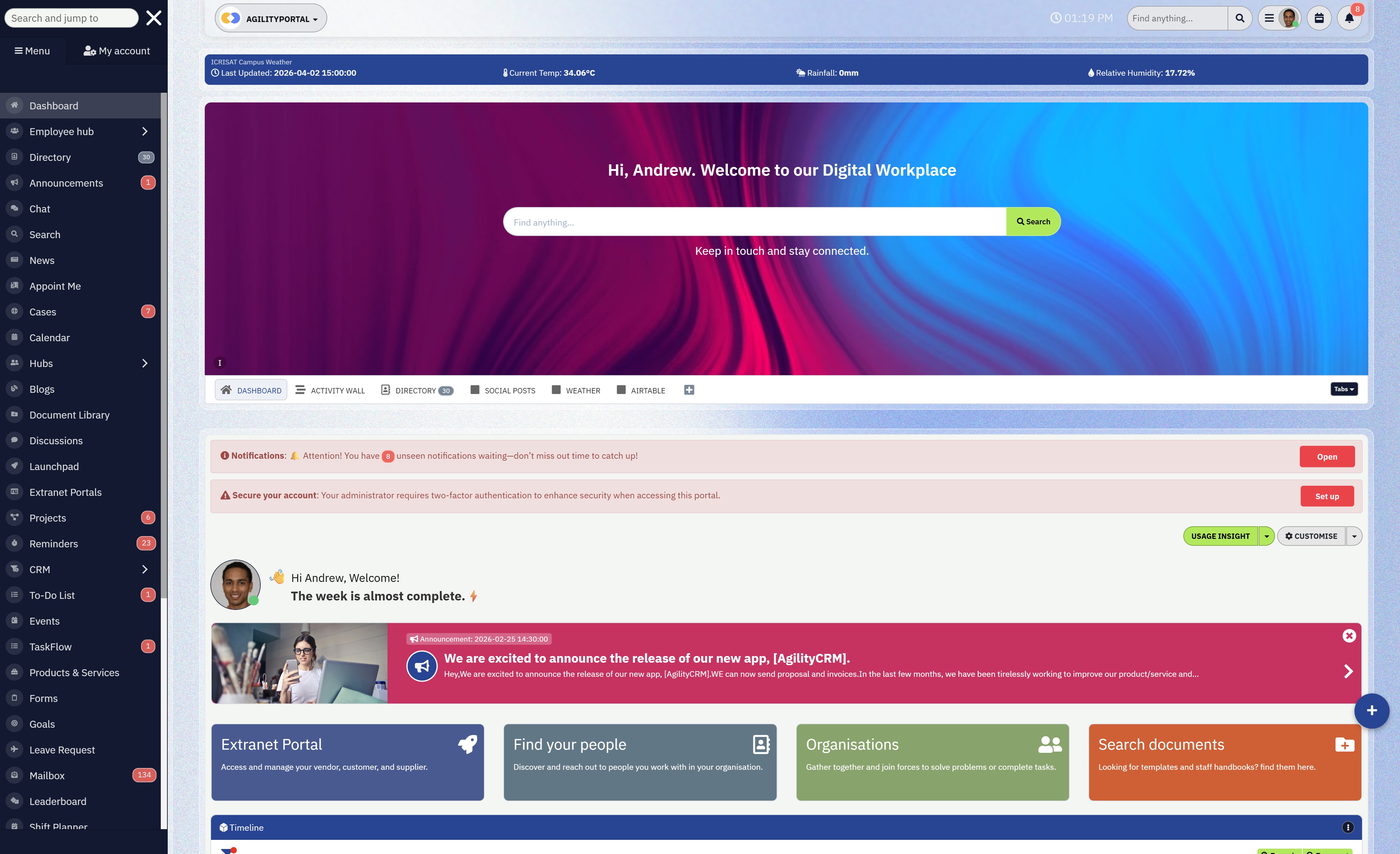
Let's go back to Sarah for a moment.
At first, her disengagement wasn't obvious. She still joined meetings, replied to messages, and completed tasks. But behind the scenes, she was spending more time searching for information, switching between tools, and trying to understand where conversations were happening than actually doing meaningful work.
Over time, frustration replaced motivation.
This situation is more common than many organizations realize. In remote environments, employees often rely on five or more different systems just to stay informed — email, chat apps, document libraries, project tools, and video meetings.
The result?
Work becomes fragmented.
According to McKinsey, employees spend nearly 28% of their workweek searching for information across different tools. That's more than a full day every week lost to inefficiency.
When employees feel disconnected from communication, knowledge, and leadership updates, engagement naturally begins to fade.
This is where digital workplace platforms play a crucial role.
Instead of forcing employees to jump between multiple systems, these platforms bring everything together into one structured environment where people can communicate, collaborate, and access information easily.
Centralized Communication
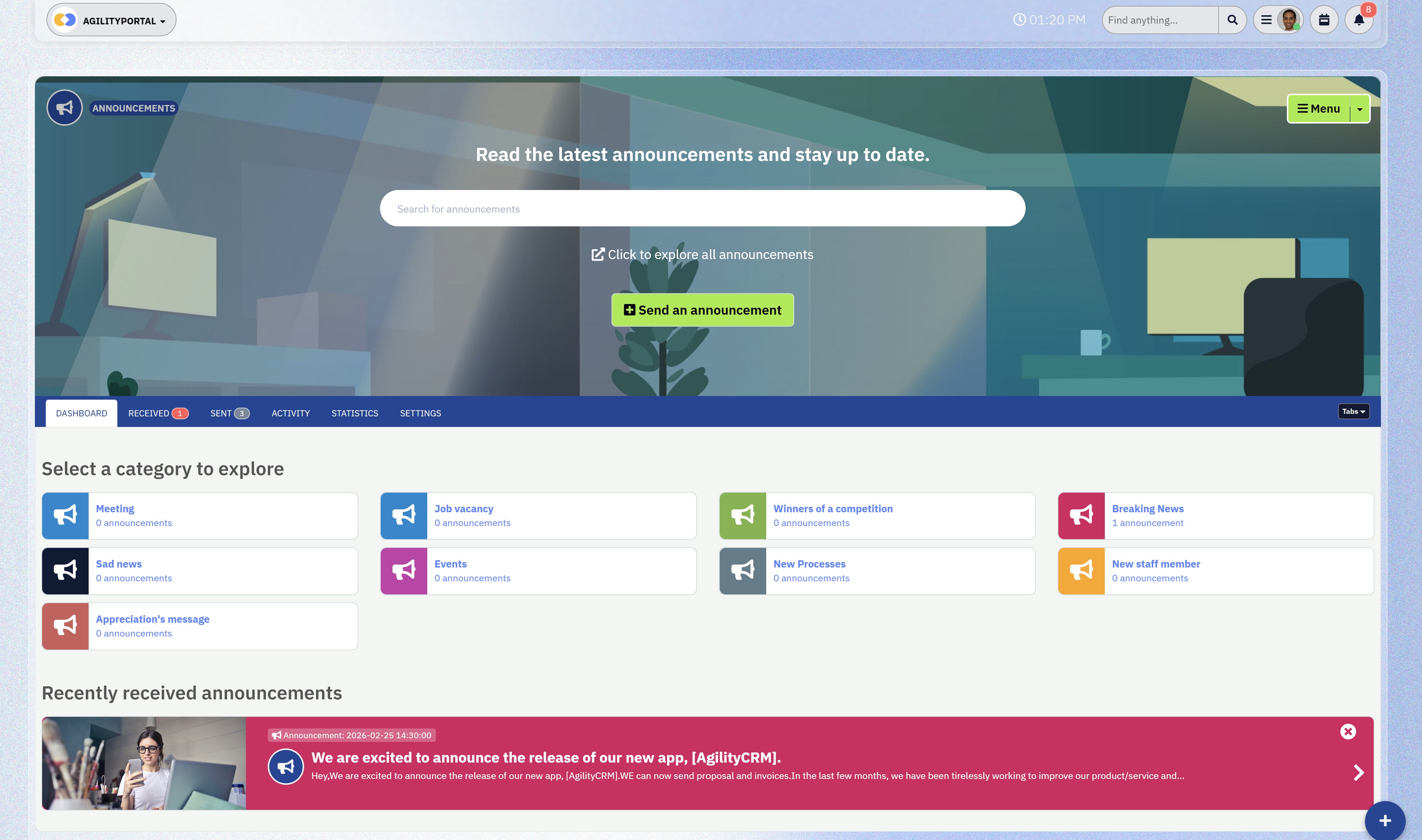
One of the biggest drivers of quiet quitting is communication chaos.
Announcements live in email, project updates appear in chat threads, and important discussions get buried in meeting recordings.
Digital workplace platforms solve this by creating structured communication hubs.
Instead of guessing where information lives, employees can access:
- company-wide announcements
- team discussions
- leadership updates
- project conversations
all from a single place.
When communication becomes clear and transparent, employees feel more connected to the organization.
Organized Knowledge Management
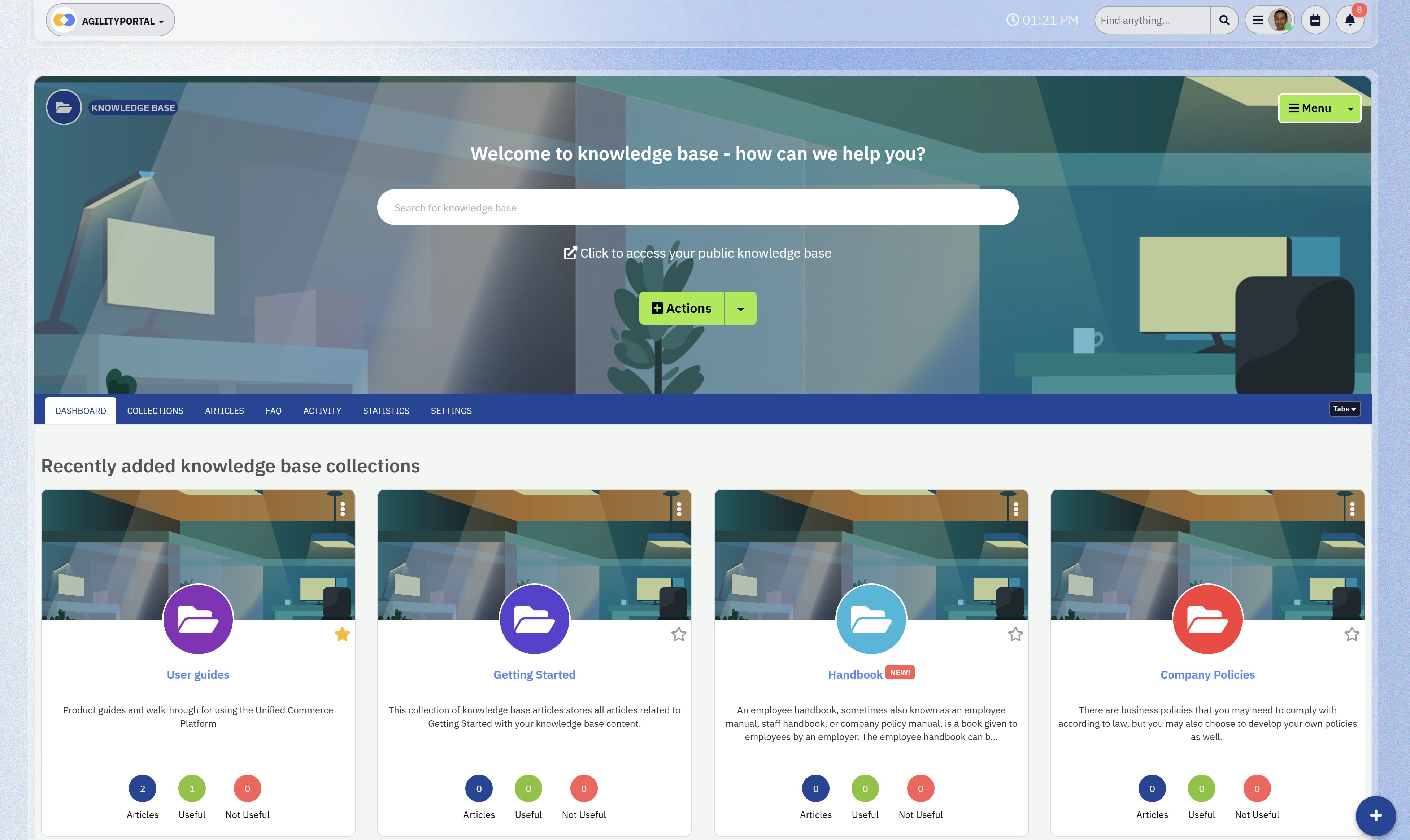
Another major frustration in remote work is not knowing where information lives.
Employees waste time asking questions that should already have answers.
A strong digital workplace includes a central knowledge library where teams can store and organize:
- company policies
- onboarding materials
- training resources
- project documentation
- internal FAQs
When information becomes easy to access, employees spend less time searching and more time doing meaningful work.
This alone can significantly improve engagement.
Built-In Employee Recognition
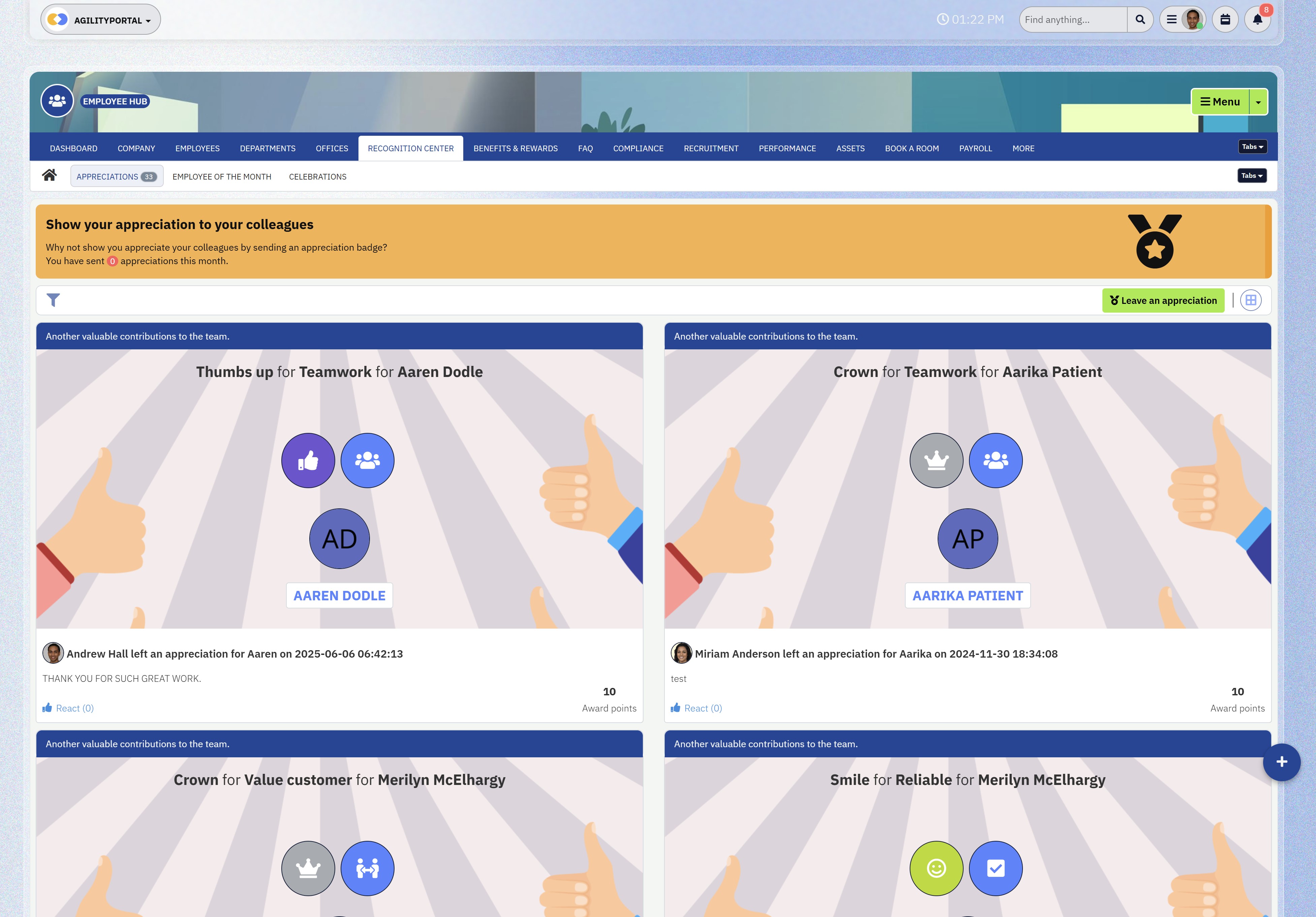
Recognition is one of the most powerful drivers of employee motivation, yet many organizations overlook it.
Digital workplace platforms make recognition part of everyday collaboration by allowing employees and managers to:
- publicly celebrate achievements
- give peer shout-outs
- highlight project successes
- reward contributions
These small moments of recognition reinforce a culture where employees feel valued and appreciated.
Collaboration Spaces for Teams
Remote teams need dedicated places to collaborate, share ideas, and solve problems together.
Without structured collaboration spaces, conversations become scattered across emails and private messages.
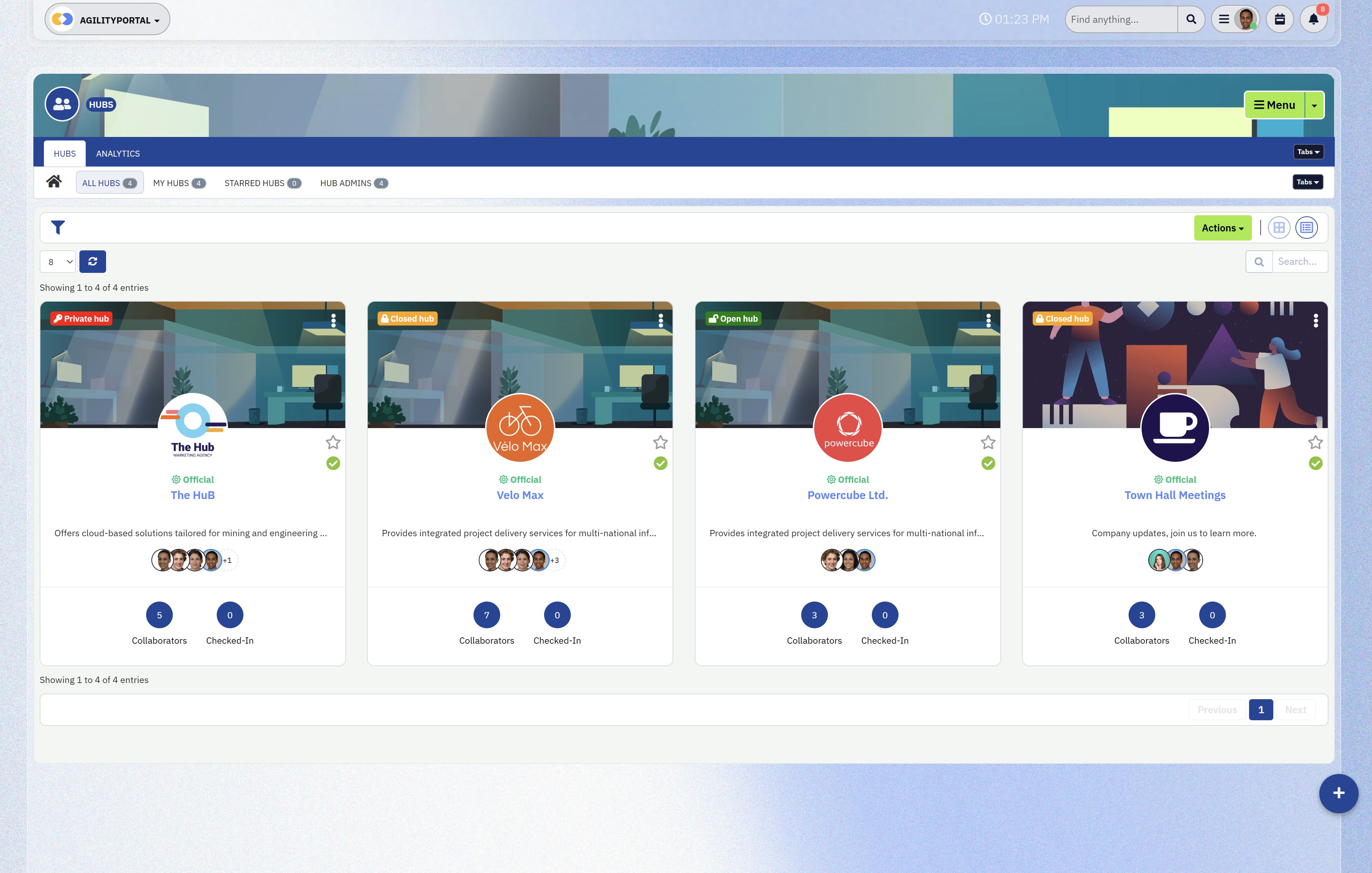
Digital workplace platforms create team hubs or workspaces where employees can:
- discuss projects
- share files
- brainstorm ideas
- coordinate tasks
This makes collaboration visible and encourages participation across departments.
Engagement Analytics for Leaders
One of the biggest challenges leaders face with remote teams is visibility into employee engagement.
In an office environment, managers might notice when someone seems disengaged. In a remote workplace, those signals can easily be missed.
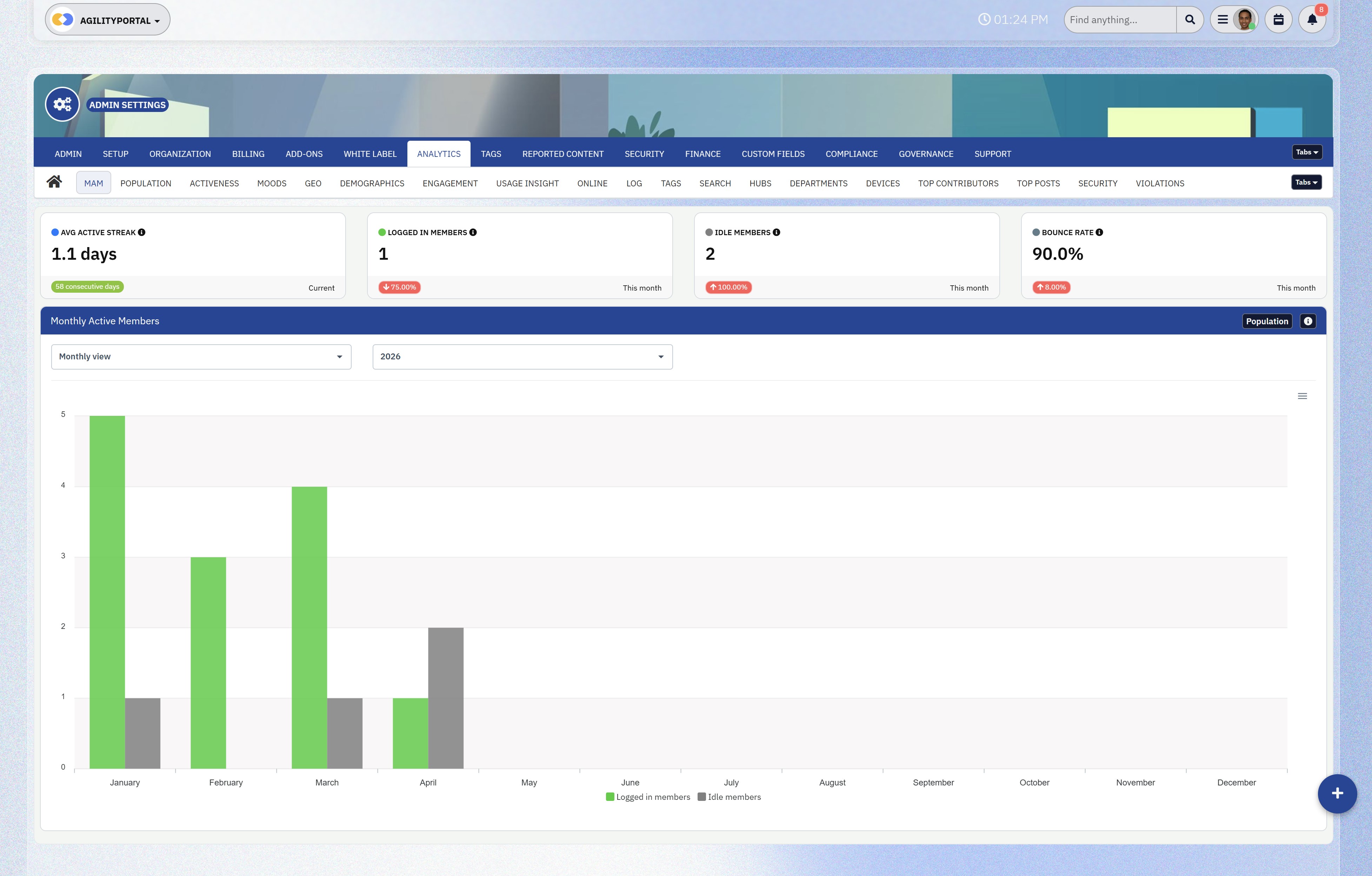
Modern platforms provide engagement analytics that help leaders monitor patterns such as:
- participation in discussions
- collaboration activity
- employee sentiment feedback
- communication trends
When leaders can see engagement data, they can intervene early before disengagement spreads across teams.
How Platforms Like AgilityPortal Help
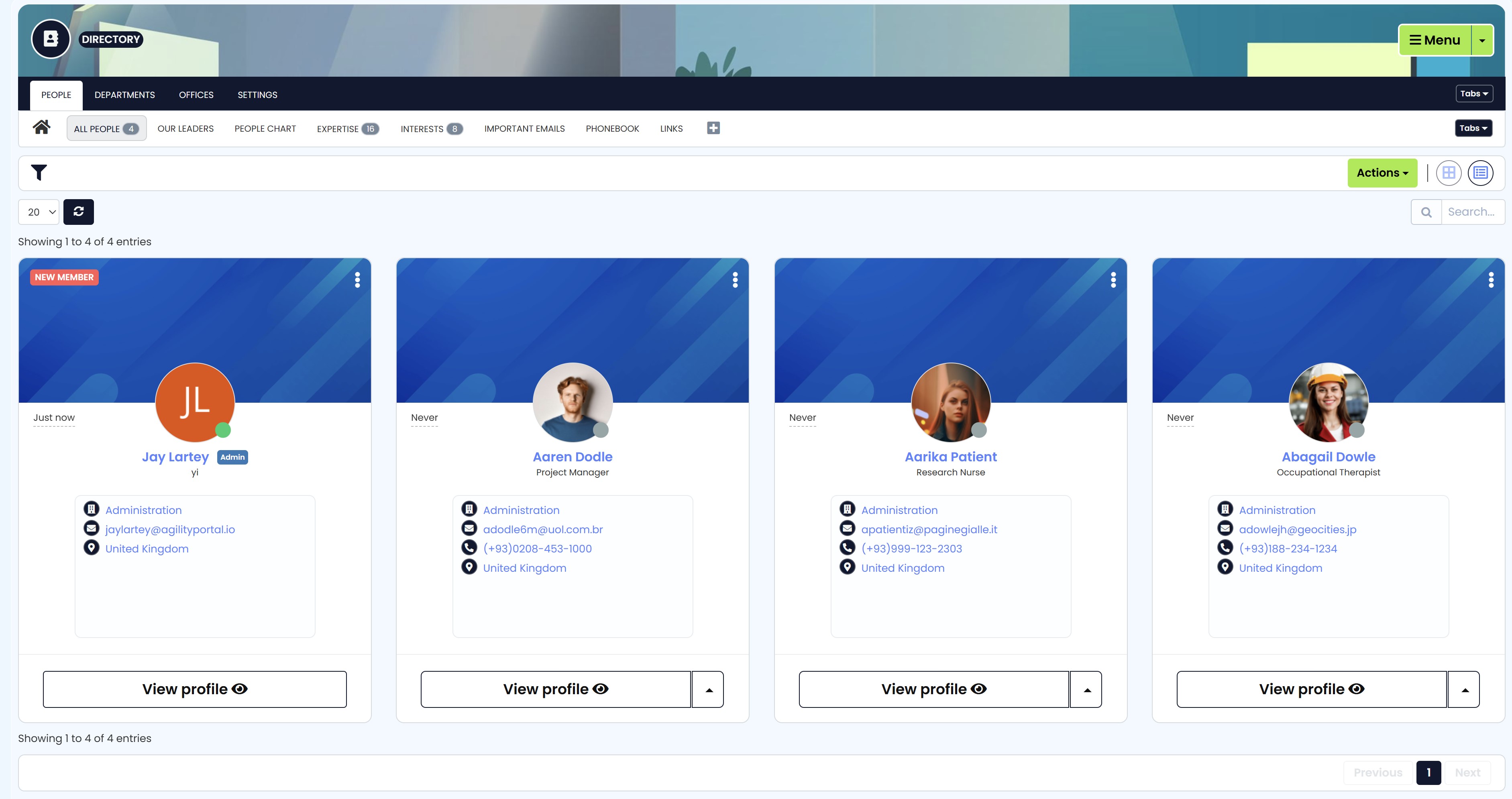
Platforms like AgilityPortal are designed specifically to address the challenges remote teams face today.
By combining communication, knowledge sharing, and engagement tools into a single environment, organizations can create a digital workplace where employees stay informed, connected, and motivated.
Key capabilities include:
- Employee communication hubs for company updates and team discussions
- Collaborative workspaces for departments and projects
- Employee recognition tools that celebrate contributions
- Engagement analytics that help leaders track participation and sentiment
- Centralized knowledge management so employees can easily find information
When organizations provide employees with a connected digital workplace, the daily frustrations that often lead to quiet quitting begin to disappear.
Instead of feeling isolated or overwhelmed by scattered tools, employees gain clarity, visibility, and a stronger sense of belonging — all of which are essential for maintaining engagement in remote teams.
Looking for an Intranet That Employees Actually Use?
Many organizations invest in intranet software expecting better communication and collaboration, but end up with platforms employees rarely visit. Poor search, scattered tools, and outdated interfaces often make intranets more frustrating than helpful.
AgilityPortal is a modern digital workplace and intranet platform designed to centralize communication, documents, and employee collaboration in one place. Instead of managing multiple disconnected systems, your teams get a single platform where they can find information, stay aligned, and get work done faster.
- Modern intranet hub for communication, knowledge, and collaboration
- Powerful search that helps employees find documents and information quickly
- Employee engagement tools including news feeds, recognition, and spaces
- Integrations with Microsoft 365, Google Workspace, and business systems
- Mobile-first intranet experience for remote and frontline workers
- Analytics and dashboards to track engagement and platform adoption
If you're evaluating intranet platforms in this guide, AgilityPortal gives you a modern solution that improves communication, simplifies knowledge sharing, and connects employees across your organization.
Try AgilityPortal Free for 14 Days
No credit card required
Real Example of Quiet Quitting in Remote Teams
A few years ago, a mid-sized SaaS company with around 250 employees began noticing something strange.
Nothing dramatic had happened. No major resignations. No big complaints. On paper, everything looked normal.
But productivity had started to slip.
Projects that once moved quickly were taking longer to finish. Meetings felt quieter. Fewer ideas were being shared during brainstorming sessions. Managers started noticing that employees were completing tasks, but the enthusiasm that once drove the team forward seemed to be fading.
At first, leadership assumed the problem was workload or burnout.
So they ran an internal survey to better understand what employees were experiencing.
The results were eye-opening.
Employees weren't disengaged because they didn't care about the company. They were disengaged because their daily work had become frustrating.
The most common feedback revealed three major issues:
- employees struggled to find important information
- leadership updates were inconsistent or unclear
- conversations and documents were scattered across too many tools
One employee summed it up perfectly in the survey:
"Some days I spend more time trying to find information than actually doing my job."
This kind of friction slowly drains motivation. When work feels unnecessarily complicated, employees naturally begin doing only what's required.
Leadership realized the problem wasn't effort — it was the environment employees were working in.
So instead of asking employees to "be more engaged," they decided to redesign how work actually happened.
The company introduced a centralized digital workplace platform that brought together communication, documentation, and collaboration into one structured environment.
Instead of searching across emails, chat threads, and shared drives, employees could now access:
- company announcements in one place
- project discussions organized by team
- a searchable knowledge base for documentation
- collaborative workspaces for ongoing projects
Within a few months, something interesting began to happen.
Meetings became more active again. Employees started contributing ideas more frequently. Cross-team collaboration improved because people could easily see what other teams were working on.
Six months after implementing the new system, internal surveys showed significant improvements:
- employee engagement increased by 31%
- internal communication clarity improved across departments
- overall employee satisfaction scores rose significantly
The company hadn't forced employees to work harder.
They simply removed the friction that was quietly killing motivation.
And once employees felt connected to their work again, engagement naturally returned.
The Future of Remote Team Engagement (And Why Quiet Quitting Is Getting Worse)
A few years ago, most companies believed quiet quitting was just a temporary trend.
Many leaders assumed it was a reaction to the pandemic or the sudden shift to remote work. The thinking was simple: once things returned to normal, engagement would naturally recover.
But that hasn't happened.
In fact, the opposite is true.
Recent workplace studies show that quiet quitting is becoming more common, especially in remote and hybrid teams.
Gallup's global workplace research consistently reports that only about 23% of employees are actively engaged at work, while the majority are either disengaged or quietly doing the minimum required.
So the question leaders should be asking isn't "How do we stop quiet quitting?"
The better question is:
"How do we build workplaces where quiet quitting never starts?"
To answer that, it helps to understand what's changing about work itself.
Is Quiet Quitting Increasing?
Think about how work has evolved over the last decade.
Employees today expect very different things from their workplace compared to previous generations. Flexibility, transparency, meaningful work, and growth opportunities are now essential parts of the employee experience.
When those expectations aren't met, employees don't always quit immediately.
Instead, they slowly disengage.
This is why quiet quitting often happens when employees feel:
- disconnected from leadership
- overwhelmed by fragmented tools
- unsure about company direction
- unrecognized for their contributions
- uncertain about career growth
Remote work has amplified these issues because the daily signals of engagement are harder to see.
In an office, a manager might notice when someone becomes quiet or withdrawn. In a remote environment, those signals can easily go unnoticed.
What Are Companies Doing That Will Solve This Problem
The organizations that succeed in the next decade won't simply rely on traditional management practices.
They will build intentional engagement systems.
Instead of hoping culture develops naturally, they will design environments that actively support communication, recognition, and collaboration.
Future digital workplaces will focus on several key areas.
Employee Sentiment Analytics
In the past, leaders relied on annual surveys to understand employee engagement.
Today, organizations are starting to measure engagement continuously.
Modern platforms track indicators such as:
- employee sentiment feedback
- participation in discussions
- collaboration patterns
- engagement with company updates
This allows leaders to identify disengagement before it becomes a serious problem.
AI-Powered Knowledge Discovery
One of the most frustrating aspects of modern work is information overload.
Employees often spend large portions of their day searching for documents, policies, or project details across multiple systems.
Future digital workplaces are increasingly using AI-powered search and knowledge discovery to solve this problem.
Instead of manually searching through folders and chat threads, employees can quickly find answers through intelligent search tools that surface relevant information instantly.
This dramatically reduces workplace friction and improves productivity.
Digital Communities and Social Connection
Remote work removed many of the informal interactions that naturally happened in physical offices.
Those hallway conversations, quick brainstorming moments, and casual team lunches helped employees feel connected to their colleagues.
Modern organizations are now recreating these experiences through digital communities and social collaboration spaces where employees can interact beyond their daily tasks.
These communities help strengthen relationships and build a stronger sense of belonging across distributed teams.
Personalized Learning and Career Development
Another major driver of engagement is career growth.
Employees who feel stuck in their roles are far more likely to disengage.
Forward-thinking companies are investing in learning platforms and skill development programs that allow employees to grow within the organization.
These systems help employees:
- develop new skills
- explore career pathways
- participate in mentorship programs
- access personalized learning resources
When employees see a future within the organization, they are far more likely to stay engaged.
Transparent Leadership Communication
Finally, the future of engagement will depend heavily on leadership transparency.
Employees want to understand:
- where the company is heading
- how decisions are made
- how their work contributes to larger goals
Organizations that prioritize regular leadership updates, open discussions, and transparent decision-making tend to build stronger trust with their teams.
And trust plays a major role in preventing disengagement.
The Companies That Act Now Will Win
Quiet quitting isn't just a workplace trend — it's a signal that the way organizations manage engagement needs to evolve.
Companies that ignore these changes will continue to struggle with disengaged teams, declining productivity, and rising employee turnover.
But organizations that invest in better communication systems, stronger leadership transparency, and modern digital workplaces will create environments where employees feel connected, motivated, and supported.
And in the long run, those companies will have a major competitive advantage in attracting and retaining top talent.
Wrapping up
Quiet quitting doesn't suddenly appear one morning.
It usually starts quietly.
An employee who once shared ideas in meetings stops speaking up. Someone who used to volunteer for projects now focuses only on assigned tasks. Messages become shorter, participation drops, and slowly the energy that once existed in the team begins to fade.
Most leaders assume the problem is motivation.
But in reality, quiet quitting is often a signal that something in the workplace environment isn't working the way it should.
Sometimes it's unclear communication.
Sometimes it's recognition that never happens.
Sometimes it's the frustration of navigating too many tools just to complete simple work.
When these small frustrations build up over time, employees naturally shift into survival mode — doing what is required, but no longer investing the same level of energy.
The good news is that quiet quitting can be reversed.
Organizations that rebuild engagement usually focus on a few key things:
- clearer communication between leadership and teams
- recognizing employee contributions more consistently
- creating environments where collaboration is easy
- providing employees with tools that simplify work instead of complicating it
When employees feel informed, valued, and supported, their behaviour changes. They begin contributing ideas again. Collaboration improves. Teams start solving problems together rather than working in isolation.
Remote work isn't going away, and neither are the challenges that come with it. But organizations that actively design better digital workplaces will build teams that are not just productive, but genuinely invested in the success of the company.
In the end, stopping quiet quitting isn't about forcing employees to work harder.
It's about building a workplace where people want to contribute.
AI Summary
- Quiet quitting is becoming a major workplace challenge, with Gallup reporting that only 23% of employees are actively engaged while 59% are doing the bare minimum required in their roles.
- Remote and hybrid work environments can amplify disengagement when communication, collaboration, and access to information are fragmented across multiple tools.
- Research from McKinsey shows employees can spend up to 28% of their workweek searching for information across disconnected systems, which contributes to frustration and productivity loss.
- Early warning signs of quiet quitting include reduced participation in meetings, minimal communication, declining collaboration, and a lack of initiative across teams.
- Organizations that centralize communication, knowledge management, and collaboration tools are more likely to maintain engaged and productive remote teams.
- Leaders who prioritize transparency, employee recognition, and structured digital workplaces can reduce disengagement and prevent quiet quitting from spreading across the workforce.
Most Popular Posts

Effective communication among team members is vital for the productivity and success of any organization. Surprisingly, 60% of companies lack a long-term internal communication strategy, which p...


Businesses thrive on communication for efficiency, productivity and accomplishment. When the right information is passed from the right designation in the organization, it promotes positivity an...

Categories
Blog
(3196)
Business Management
(395)
Employee Engagement
(235)
Digital Transformation
(218)
Growth
(150)
Intranets
(141)
Internal communications
(106)
Remote Work
(68)
Sales
(53)
Collaboration
(52)
Customer Experience
(32)
Culture
(30)
Knowledge Management
(29)
Project management
(29)
Leadership
(20)
Comparisons
(9)
News
(1)

Related Posts

Could AI produce your next workplace video faster—and still deliver a message your employees can trust? As more businesses use video for onboarding, training and leadership updates, one question keeps coming up: will AI replace video editors in...

Could the best machine learning systems help your employees spend less time sorting requests, updating spreadsheets and chasing information—and more time doing useful work? That's the opportunity, but finding the right system starts with knowin...

What would happen to your team's work and customer information if an employee's MacBook disappeared today? If you're wondering how to protect your Mac physically, the answer goes beyond buying a case. A MacBook used at home, on a train or in a ...

Welcome to AgilityPortal's guide to the best VPN for Remote teams. How do you give employees secure access to company systems when they work from home, the office and everywhere in between? It's a question more businesses need to answer: 28% of worki...

Have you ever left a meeting thinking everyone agreed on the next step, only to discover a week later that each person remembered something different? Open source meeting transcription can help teams keep a searchable record of the conversation...


Jill Romford
I am a digital nomad, lover of exploring new places and making friends.
I love to travel and I love the internet. I take pictures of my travels and share them on the internet using Instagram.
Traveler, entrepreneur, and community builder. I share my insights on digital marketing and social media while inspiring you to live your fullest life.
Ready to learn more? 👍
One platform to optimize, manage and track all of your teams. Your new digital workplace is a click away. 🚀
Free for 14 days, no credit card required.