
Insight Blog
Agility’s perspectives on transforming the employee's experience throughout remote transformation using connected enterprise tools.
27 minutes reading time
(5423 words)
Why Data Integration Is the Missing Link in Modern Manufacturing Communication

Why Data Integration Is the Missing Link in Modern Manufacturing Communication
Discover how data integration helps manufacturers eliminate information silos, improve employee communication, connect frontline workers, and create a more efficient digital workplace.
Why Data Integration Is the Missing Link in Modern Manufacturing Communication

Modern manufacturers generate more data than ever before.
Production systems, ERP platforms, HR software, maintenance applications, quality management tools, communication platforms, and manufacturing data integration tools all create valuable information every day.
Yet many manufacturing organizations still struggle with disconnected systems that prevent teams from accessing the information they need when they need it.
The impact is significant.
According to a Deloitte study, manufacturers can lose up to 20% of productive capacity due to inefficiencies caused by information silos and operational challenges.
When critical data is trapped in separate systems, the result is communication breakdowns, operational inefficiencies, slower decision-making, and frustrated employees.
20%
productive capacity
According to Deloitte, manufacturers can lose up to 20% of productive capacity due to information silos, disconnected systems, and operational inefficiencies that limit visibility, collaboration, and decision-making.
Source: Deloitte Manufacturing Industry Research
This is where data integration in manufacturing becomes essential.
By connecting business systems, manufacturers can create a unified flow of information that empowers both frontline workers and office-based teams to collaborate more effectively, improve manufacturing communication, and make faster, data-driven decisions.
In this article, you'll learn why manufacturing data integration is a critical component of digital transformation, how it helps create a connected workforce, the benefits it delivers for employee engagement and collaboration, and the practical steps manufacturers can take to eliminate data silos and build a more efficient digital workplace.
Key Takeaways
- Data integration in manufacturing connects ERP, MES, HR, maintenance, quality, and communication systems so information flows across the business instead of staying trapped in silos.
- Disconnected manufacturing systems create communication delays, duplicate work, poor visibility, slower decision-making, and lower employee engagement.
- A connected digital workplace helps manufacturers improve frontline communication, cross-department collaboration, document access, training, compliance, and operational alignment.
- Manufacturing data integration supports Industry 4.0 by enabling real-time visibility, connected workers, smarter reporting, workflow automation, and continuous improvement.
- Platforms like AgilityPortal help manufacturers bring communication, knowledge management, employee engagement, collaboration, and system integrations into one unified workplace.
What Is Data Integration in Manufacturing?
Data integration in manufacturing refers to the process of connecting different software systems, machines, databases, and business applications so information can flow seamlessly across the organization.
Instead of keeping critical data locked inside separate platforms, integration creates a unified environment where employees, managers, and frontline workers can access accurate, real-time information from a single source of truth.
For manufacturers pursuing digital transformation, manufacturing data integration plays a crucial role in improving communication, operational visibility, workforce collaboration, and decision-making.
Whether it's connecting production data with employee communication platforms or linking maintenance systems with workforce notifications, integrated data helps teams stay aligned and informed.
Defining Manufacturing Data Integration
Manufacturing data integration involves combining information from multiple sources into a centralized and accessible system.
This allows organizations to eliminate information silos, automate workflows, reduce manual data entry, and improve collaboration between departments.
What is data integration in manufacturing examples include:
- ERP systems sharing production and inventory data with operations teams
- MES platforms providing real-time shop floor insights
- HR systems syncing employee records and training information
- Maintenance software triggering automated alerts for technicians
- Quality management systems distributing compliance updates to frontline workers
- Communication platforms delivering operational updates across locations
In real-world manufacturing environments, integrated systems help ensure that everyone—from plant managers to frontline employees—has access to the information they need to perform their jobs effectively.
Common Systems That Need Integration
Most manufacturers rely on multiple business applications that must work together to support daily operations.
Common systems that benefit from integration include:
- Manufacturing ERP (Enterprise Resource Planning) systems
- MES (Manufacturing Execution Systems)
- HR and workforce management platforms
- CRM (Customer Relationship Management) solutions
- Maintenance and asset management software
- Quality management systems (QMS)
- Supply chain and inventory management platforms
- Safety and compliance management tools
- Employee communication and collaboration platforms
- Knowledge management and document control systems
- Business intelligence and reporting tools
- Learning management systems (LMS)
When these systems are connected, manufacturers can improve operational efficiency, streamline communication, and create a more connected workforce.
Why Manufacturing Data Is Often Fragmented
Despite advances in manufacturing technology, many organizations still struggle with fragmented data. Common causes include:
- Legacy systems that were never designed to communicate with modern applications
- Multiple facilities operating with different software platforms
- Departmental silos that limit information sharing
- Mergers and acquisitions that introduce incompatible systems
- Manual processes and spreadsheet-based reporting
- Lack of standardized data management practices
- Disconnected communication channels across teams and locations
These challenges often lead to duplicate data, inconsistent reporting, delayed decision-making, and poor employee communication.
By addressing fragmentation through manufacturing data integration, organizations can improve visibility, strengthen collaboration, and support long-term Industry 4.0 initiatives.
The Communication Challenges Created by Data Silos
In many manufacturing organizations, valuable information is scattered across multiple systems, departments, and locations.
While each team may have access to the data they need for their specific role, the lack of connectivity between systems often creates communication barriers that impact productivity, collaboration, and employee engagement.
These data silos make it difficult to build a truly connected manufacturing workforce, limiting visibility across operations and preventing employees from accessing critical information when they need it most.
As manufacturers continue their manufacturing digital transformation journey, addressing these communication challenges becomes essential for creating a more efficient and collaborative workplace.

The Communication Challenges Created by Data Silos
Information Gets Stuck in Departments
One of the biggest consequences of poor manufacturing data integration is that information becomes trapped within individual departments.
Teams often rely on separate software platforms, spreadsheets, or communication channels that don't connect with one another.
For example:
- Production teams may have real-time operational data that management cannot easily access.
- Maintenance departments may identify equipment issues that operations teams don't see until downtime occurs.
- HR teams may distribute important updates that never reach frontline workers on the factory floor.
When information remains isolated, employees make decisions based on incomplete data, leading to misunderstandings, delays, and missed opportunities. This lack of visibility can significantly impact manufacturing communication and reduce overall operational efficiency.
Employees Waste Time Searching for Information
Without a centralized system or connected digital workplace for manufacturing, employees often spend valuable time searching for documents, reports, procedures, and updates.
Common challenges include:
- Duplicate work caused by teams recreating information that already exists elsewhere.
- Multiple versions of documents creating confusion about which information is accurate.
- Email overload as employees rely on lengthy email chains to locate critical updates.
Instead of focusing on productive work, employees waste time navigating disconnected systems and chasing information.
This challenge is particularly common in organizations that lack effective manufacturing collaboration tools and centralized knowledge management processes.
Delayed Decision-Making
Modern manufacturing environments depend on timely decisions.
However, when data is fragmented across multiple systems, leaders often struggle to access the real-time insights needed to respond quickly.
Common issues include:
- Missing real-time operational visibility across departments.
- Slow reporting cycles that delay action.
- Escalation bottlenecks caused by manual communication processes.
When managers cannot access accurate information quickly, production issues may take longer to resolve, maintenance concerns can escalate, and opportunities for continuous improvement may be missed.
Effective data integration in manufacturing helps eliminate these delays by ensuring information flows seamlessly between systems and teams.
Reduced Employee Engagement
Data silos don't just affect operations—they also impact people. Employees who lack access to important information often feel disconnected from the organization and its goals.
This can result in:
- Workers feeling excluded from company updates and decisions.
- Poor visibility into organizational objectives and performance metrics.
- Limited access to important announcements, policies, and training resources.
For frontline employee communication, these challenges can be especially significant. Workers on the factory floor often have fewer opportunities to access company information than office-based employees.
By creating a connected worker solution that integrates communication, collaboration, and operational data, manufacturers can improve employee engagement, strengthen workplace culture, and build a more informed workforce.
Ultimately, breaking down data silos is about more than technology.
It's about creating a connected manufacturing workforce where employees have access to the information they need to collaborate effectively, make informed decisions, and contribute to organizational success.
Why Data Integration Is Critical for Modern Manufacturing Communication
Manufacturing organizations rely on dozens of systems to keep operations running smoothly.
From production and maintenance platforms to HR and quality management software, each system contains valuable information. However, when these systems operate independently, communication becomes fragmented, and employees struggle to access the information they need.
Data integration solves this challenge by connecting systems and creating a seamless flow of information across the organization. The result is better communication, stronger collaboration, and faster decision-making at every level of the business.

Why Data Integration Is Critical for Modern Manufacturing Communication
Creates a Single Source of Truth
One of the biggest advantages of data integration in manufacturing is the ability to establish a single source of truth. Instead of employees relying on multiple spreadsheets, emails, or disconnected databases, everyone works from the same accurate and up-to-date information.
This consistency reduces misunderstandings, eliminates conflicting reports, and helps teams trust the data they use every day.
Whether it's production metrics, safety procedures, or workforce updates, employees can confidently access the information they need without questioning its accuracy.
Improves Frontline Worker Communication
may not have easy access to critical updates. Data integration helps bridge this gap by delivering information directly to employees through mobile devices, employee apps, or digital workplace platforms.
Real-time updates ensure workers receive important announcements, shift changes, safety alerts, and operational notifications as soon as they happen.
Digital notices and automated alerts help keep everyone informed, regardless of location or shift schedule, creating a more connected and engaged workforce.
Enhances Cross-Department Collaboration
Manufacturing success depends on effective collaboration between multiple departments.
Operations teams need visibility into maintenance schedules, HR needs access to workforce information, and quality teams must communicate process updates quickly.
When systems are integrated, information flows seamlessly between departments, reducing silos and improving coordination. Operations, HR, maintenance, safety, and quality teams can work together more effectively because they have access to shared data and a clearer understanding of organizational priorities.
Enables Faster Business Decisions
In manufacturing, delays in communication can lead to production disruptions, increased costs, and missed opportunities.
Data integration provides leaders with real-time reporting and greater operational visibility, allowing them to identify issues and respond quickly.
Instead of waiting for manual reports or chasing information across multiple systems, managers can access accurate insights instantly.
This enables faster issue resolution, more informed decision-making, and a more agile manufacturing operation capable of adapting to changing conditions.
Key Benefits of Data Integration for Manufacturers
Data integration in manufacturing is more than just connecting systems—it's about creating a seamless flow of information that empowers teams, improves communication, and drives smarter decision-making.
When manufacturers adopt integrated systems, they unlock measurable improvements across productivity, employee engagement, and operational performance.
Improved Productivity
One of the most immediate advantages of data integration in manufacturing is increased productivity.
By eliminating repetitive manual tasks and ensuring data flows automatically between systems, employees can focus on higher-value work.
- Less manual data entry across ERP, MES, and HR systems
- Automated workflows that reduce delays and errors
- Reduced administrative tasks for both frontline and office teams
- Faster access to real-time production data and reports
Manufacturers searching for "how to improve productivity with data integration in manufacturing" often find that automation and system connectivity are key drivers of efficiency.
Better Employee Experience
A connected digital workplace significantly improves the employee experience, especially for frontline workers who often struggle with limited access to information.
- Easier access to critical information from a single platform
- Self-service resources for HR, training, and company updates
- Faster onboarding through integrated HR and training systems
- Improved communication between departments and shifts
When employees can quickly find what they need, engagement increases and frustration decreases—making "improving employee experience in manufacturing with data integration" a growing priority.
Increased Operational Efficiency
Manufacturing data integration helps streamline operations by ensuring that all departments are aligned and working with the same information.
- Streamlined processes across production, maintenance, and quality teams
- Reduced downtime through real-time alerts and system connectivity
- Improved coordination between departments and locations
- Faster response to production issues and bottlenecks
Companies looking for "ways to increase operational efficiency in manufacturing using data integration" benefit from improved visibility and faster decision-making
Enhanced Compliance and Safety
Compliance and safety are critical in manufacturing, and integrated systems make it easier to manage policies, training, and audits.
- Centralized policies and procedures accessible to all employees
- Accurate training records and certification tracking
- Automated audit trails for regulatory compliance
- Real-time safety alerts and incident reporting
This is especially valuable for organizations searching for "how data integration improves compliance and safety in manufacturing environments."
Stronger Knowledge Sharing
Data integration enables better knowledge management by ensuring that important information is stored, updated, and shared across the organization.
- Digital knowledge repositories for easy access to documents
- SOP (Standard Operating Procedure) management across teams
- Best practice documentation that evolves with operations
- Improved collaboration between experienced and new employees
Manufacturers aiming to "improve knowledge sharing in manufacturing with integrated systems" can reduce knowledge loss and support continuous improvement.
Summary Table: Benefits of Data Integration in Manufacturing
| Benefit Area | Key Advantages | Business Impact |
| Improved Productivity | Automation, reduced manual work | Faster processes, fewer errors |
| Better Employee Experience | Easy access to information, self-service tools | Higher engagement, improved retention |
| Operational Efficiency | Streamlined workflows, real-time data | Reduced downtime, better coordination |
| Compliance and Safety | Centralized records, audit trails | Lower risk, improved regulatory compliance |
| Knowledge Sharing | Digital repositories, SOP management | Stronger collaboration, continuous improvement |
By investing in manufacturing data integration solutions, companies can create a connected workforce, improve communication, and build a more agile and efficient digital workplace.
Practical Examples of Data Integration in Manufacturing
Integrating ERP Systems (SAP, Oracle NetSuite, Microsoft Dynamics 365) with Employee Communication Platforms
- Real-time production updates pushed directly to frontline workers
- Automated shift changes and scheduling notifications
- Instant operational announcements across locations
Integrating ERP systems like SAP, Oracle NetSuite, or Microsoft Dynamics 365 with communication platforms such as AgilityPortal ensures that critical business data flows directly to employees without delays.
According to Deloitte, manufacturers that integrate ERP data with workforce communication tools can reduce operational delays by up to 20% and improve decision-making speed by 30%.
This integration eliminates manual reporting and ensures everyone is aligned with real-time production goals while keeping teams connected through a centralized communication hub.
Integrating HR Systems (Workday, BambooHR, ADP) with Onboarding and Employee Experience Platforms
- Automated onboarding workflows for new hires
- Training assignments delivered instantly to employees
- Digital policy acknowledgements and compliance tracking
By connecting HR systems such as Workday, BambooHR, or ADP with onboarding and communication platforms like AgilityPortal, manufacturers can streamline employee lifecycle management.
Research from Gallup shows that organizations with structured onboarding processes improve employee retention by 82% and productivity by over 70%.
This integration ensures new hires receive the right information at the right time, improving engagement, enhancing the employee experience, and reducing administrative workload.
Linking Maintenance Systems (IBM Maximo, Fiix, UpKeep) to Workforce Notification Platforms
- Real-time equipment downtime alerts sent to relevant teams
- Automated safety notifications during incidents
- Scheduled maintenance reminders delivered to technicians
Integrating maintenance systems like IBM Maximo, Fiix, or UpKeep with communication tools such as AgilityPortal allows teams to respond faster to equipment issues.
According to McKinsey, predictive maintenance supported by integrated systems can reduce machine downtime by up to 50% and increase asset life by 20–40%.
This integration ensures that maintenance teams and operators stay informed through real-time alerts and notifications, minimizing disruptions and improving plant efficiency.
Integrating Quality Management Systems (MasterControl, ETQ Reliance, Sparta Systems) with Frontline Communication Tools
- Instant quality alerts shared with production teams
- Process updates distributed across shifts and locations
- Continuous improvement initiatives communicated in real time
Connecting quality management systems such as MasterControl, ETQ Reliance, or Sparta Systems with frontline communication platforms like AgilityPortal ensures that quality issues are addressed immediately.
According to PwC, manufacturers that digitize and integrate quality processes can reduce defects by up to 25% and improve compliance rates significantly.
This integration helps maintain consistent product standards while empowering employees to act quickly on quality insights through a unified digital workplace.
How Data Integration Supports Industry 4.0 Initiatives
Industry 4.0 is transforming manufacturing by connecting machines, systems, and people through digital technologies.
However, these advancements only deliver real value when data flows seamlessly across the organization.
Data integration plays a critical role in enabling manufacturers to fully realize the benefits of Industry 4.0 by ensuring that information is accessible, actionable, and aligned across all levels of the business.
Real-Time Operational Visibility
Data integration allows manufacturers to access real-time insights from across their operations.
By connecting systems such as ERP, MES, and IoT devices, teams can monitor production performance, identify bottlenecks, and respond quickly to issues as they arise.
This level of visibility helps reduce downtime, improve efficiency, and support faster decision-making on the factory floor.
Connected Workers and Smart Factories
A key component of Industry 4.0 is the concept of the connected worker.
Data integration ensures that frontline employees have access to the information they need, when they need it, through mobile devices and digital platforms.
Whether it's receiving production updates, safety alerts, or maintenance notifications, integrated systems help create a more responsive and informed workforce within smart factory environments.
Improved Analytics and Reporting
When data from multiple systems is integrated, manufacturers can generate more accurate and comprehensive reports.
This enables better analysis of production trends, quality metrics, and operational performance.
With improved analytics, organizations can identify opportunities for optimization, forecast demand more effectively, and make data-driven decisions that support long-term growth.
Supporting Continuous Improvement Programs
Continuous improvement initiatives, such as Lean and Six Sigma, rely heavily on accurate and timely data.
Data integration ensures that teams have access to consistent information across departments, making it easier to track performance, measure outcomes, and implement improvements.
By breaking down data silos, manufacturers can foster a culture of continuous improvement that drives efficiency and innovation.
Common Barriers to Manufacturing Data Integration
Successfully integrating data across manufacturing systems is not without its challenges.
Many organizations encounter obstacles that can slow down or complicate their integration efforts.
Understanding these barriers is the first step toward overcoming them.
Legacy Technology Challenges
Older systems often lack the flexibility needed for modern integration, making it difficult to connect them with newer platforms.
- Outdated infrastructure that does not support APIs or modern integration tools
- High costs associated with upgrading or replacing legacy systems
- Limited compatibility between old and new technologies
- Risk of disrupting operations during system upgrades
Data Quality Issues
Poor data quality can undermine the effectiveness of any integration initiative.
- Inconsistent data formats across different systems
- Duplicate or outdated records
- Missing or incomplete information
- Lack of standardized data entry processes
Security and Compliance Concerns
Integrating systems increases the flow of sensitive data, raising concerns about security and regulatory compliance.
- Risk of unauthorized access to critical business data
- Challenges in maintaining compliance with industry regulations
- Data privacy concerns, especially with employee information
- Need for robust access controls and encryption measures
Change Management and Employee Adoption
Even the best integration strategy can fail without proper employee buy-in and training.
- Resistance to change from employees accustomed to existing processes
- Lack of training on new systems and tools
- Fear of job disruption or increased workload
- Difficulty in aligning teams across departments
By addressing these barriers proactively, manufacturers can create a smoother path toward successful data integration and a more connected, efficient workplace.
Best Practices for Successful Manufacturing Data Integration
Start with Clear Business Objectives
Before implementing any integration strategy, manufacturers should define clear goals aligned with operational efficiency, workforce productivity, and digital transformation initiatives.
Whether the aim is improving factory communication, reducing downtime, or enhancing employee engagement, having well-defined objectives ensures that integration efforts deliver measurable value.
Prioritize High-Impact Integrations
Focus first on integrating systems that directly impact daily operations and communication, such as ERP, MES, and workforce communication platforms.
High-impact integrations help create quick wins, improve manufacturing collaboration, and demonstrate the value of connected systems across departments.
Standardize Data Sources
Consistency is key when managing manufacturing data. Standardizing data formats, naming conventions, and workflows ensures that information flows seamlessly between systems.
This reduces errors, improves data accuracy, and supports better decision-making across the digital workplace.
Focus on User Experience
Successful data integration is not just about technology—it's about usability.
Ensure that employees, especially frontline workers, can easily access and understand the information they need. Intuitive dashboards, clear notifications, and simplified interfaces improve adoption and strengthen workforce communication.
Ensure Mobile Accessibility
In modern manufacturing environments, many employees are not desk-based.
Providing mobile access to integrated systems allows frontline workers to receive real-time updates, access documents, and communicate effectively from anywhere on the factory floor, supporting connected workforce initiatives.
Measure Success Through KPIs
Track the effectiveness of your integration strategy using key performance indicators such as productivity improvements, reduced downtime, faster communication, and increased employee engagement.
Monitoring these metrics helps refine your approach and ensures continuous improvement in manufacturing operations.
How AgilityPortal Helps Manufacturers Connect Their Workforce
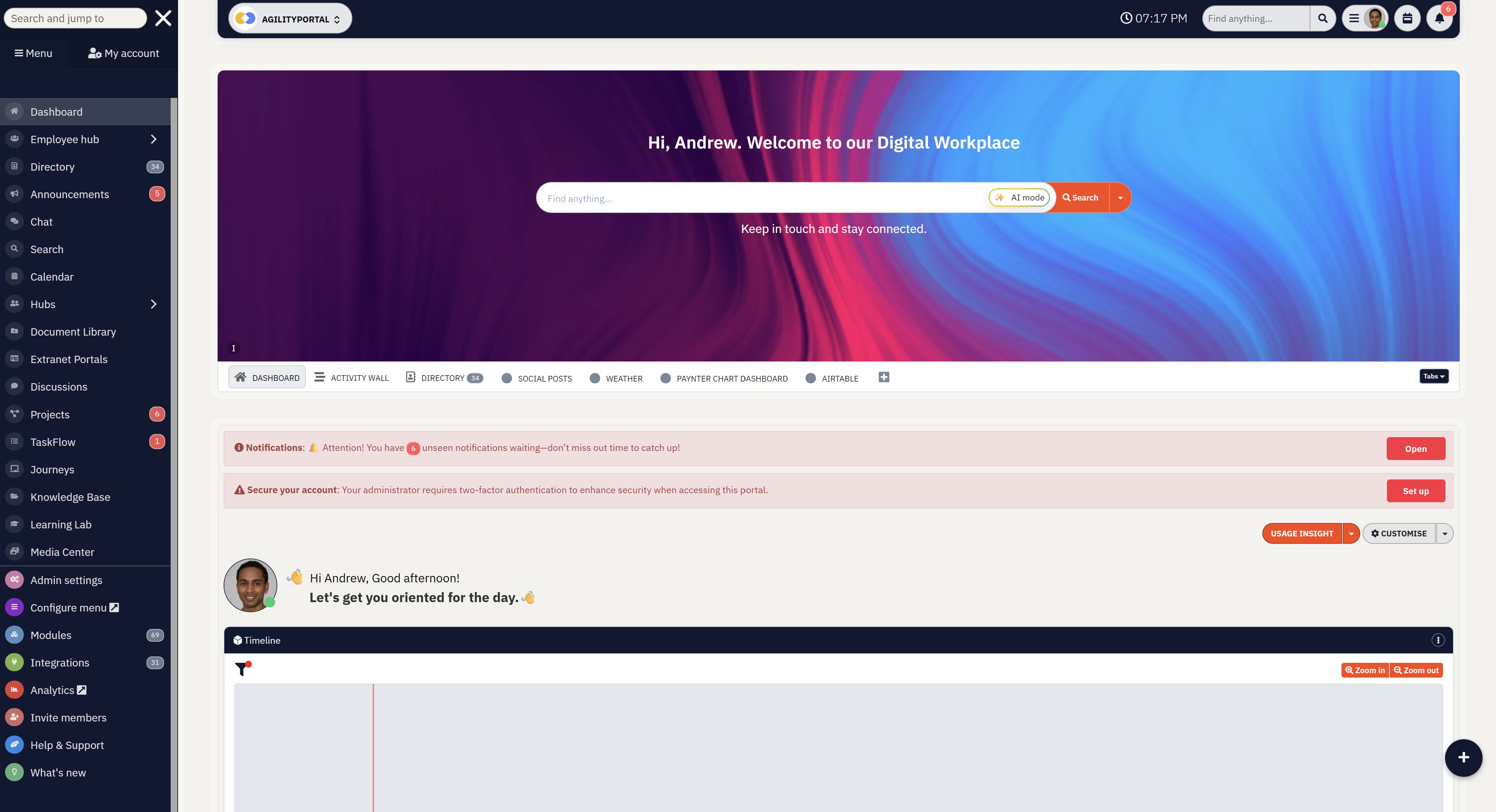
How AgilityPortal Helps Manufacturers Connect Their Workforce
Centralized Communication Hub
AgilityPortal brings all internal communication into one unified platform, eliminating the need for scattered emails, notice boards, and disconnected messaging tools.
Manufacturers can share company-wide announcements, production updates, safety alerts, and policy changes in real time, ensuring every employee—from the factory floor to the head office—stays informed and aligned.
Key benefits include:
- Real-time company-wide announcements
- Centralized messaging across departments
- Reduced reliance on emails and paper notices
- Improved visibility for frontline and office staff
Integration with Existing Business Systems
AgilityPortal integrates seamlessly with key manufacturing systems such as ERP, HR, and operational tools.
This allows critical data to flow directly into the communication platform, enabling teams to receive relevant updates without switching between multiple systems.
By connecting these tools, manufacturers can reduce manual processes and ensure consistent, accurate information across the organization.
Key benefits include:
- Seamless integration with ERP, HR, and operational systems
- Automated data flow between platforms
- Reduced manual data entry and duplication
- Consistent and accurate information across teams
Mobile Access for Frontline Workers
Frontline workers often lack access to traditional communication channels.
AgilityPortal solves this by providing mobile-friendly access, allowing employees to receive updates, complete tasks, and stay connected from anywhere on the shop floor. This ensures that even non-desk workers are fully engaged and informed in real time.
Key benefits include:
- Mobile access for non-desk employees
- Real-time alerts and notifications
- Easy access to tasks and updates on the go
- Increased engagement for frontline workers
Knowledge Management and Document Control
AgilityPortal acts as a centralized repository for important documents, standard operating procedures (SOPs), training materials, and company policies.
Employees can easily find the information they need, reducing confusion and ensuring compliance. Version control features also ensure that everyone is working from the most up-to-date documentation.
Key benefits include:
- Centralized document storage
- Easy access to SOPs and training materials
- Version control for accuracy and compliance
- Reduced time spent searching for information
Employee Engagement and Collaboration Tools
The platform includes tools designed to boost engagement and collaboration across teams.
Features such as discussion forums, feedback channels, surveys, and recognition tools encourage employees to share ideas, provide input, and stay connected with colleagues. This fosters a more inclusive and collaborative workplace culture.
Key benefits include:
- Built-in collaboration tools
- Employee feedback and survey capabilities
- Recognition and engagement features
- Stronger team communication and culture
Creating a Connected Digital Workplace
By combining communication, integration, and collaboration into a single platform, AgilityPortal helps manufacturers build a truly connected digital workplace.
Employees gain better visibility into operations, leadership can communicate more effectively, and teams can work together more efficiently—ultimately driving productivity, engagement, and long-term success.
Key benefits include:
- Unified digital workplace experience
- Improved operational visibility
- Faster and more effective communication
- Increased productivity and employee engagement
Manufacturing Communication & Digital Workplace Platform
Connect Manufacturing Systems and Keep Your Workforce Aligned
Data integration can connect your ERP, MES, HR, maintenance, and quality management systems—but employees still need a simple way to access information, communicate, collaborate, and stay informed. AgilityPortal bridges the gap between operational data and workforce communication by bringing updates, documents, training, knowledge, and engagement tools together in one connected digital workplace.
Start Free Trial
```
Book a Demo
```
A modern digital workplace platform designed to help manufacturers improve communication, collaboration, employee engagement, onboarding, document management, knowledge sharing, and workforce connectivity across every location.
Final Thoughts on Data Integration
Manufacturing organizations cannot achieve true operational excellence when critical information remains trapped in disconnected systems.
Data integration bridges the gap between technology, people, and processes, enabling faster communication, stronger collaboration, and more informed decision-making.
By connecting systems and creating a unified digital workplace, manufacturers can improve productivity, engage employees more effectively, and build the foundation for long-term Industry 4.0 success.
FAQ on Workplace Operations Platform
What is data integration in manufacturing?
Data integration in manufacturing refers to the process of combining data from different systems such as ERP, MES, HR, and maintenance platforms into a single, unified view. In simple words, the meaning of data integration is bringing all your business information together so teams can access accurate, real-time data. A common data integration example in manufacturing is connecting production data from machines with inventory data from ERP systems to improve planning and efficiency.
Why is data integration important for manufacturing communication?
Data integration is important because it eliminates information silos and ensures that all employees—from frontline workers to management—have access to the same up-to-date information.
This improves communication, reduces errors, speeds up decision-making, and enhances collaboration across departments.
What systems should manufacturers integrate first?
Manufacturers should prioritize integrating high-impact systems such as ERP, MES, HR platforms, maintenance systems, and communication tools.
Starting with systems that directly affect daily operations ensures faster ROI and better workforce alignment.
How does data integration improve frontline worker communication?
By integrating systems, frontline workers can receive real-time updates, alerts, and instructions directly on mobile devices or digital platforms. This reduces reliance on manual communication methods and ensures workers always have access to the latest information.
What are the biggest challenges of manufacturing data integration?
Common challenges include legacy systems, inconsistent data formats, security concerns, and resistance to change. Choosing the right data integration tools and having a clear data integration process can help overcome these obstacles.
How does data integration support Industry 4.0 initiatives?
Data integration is a core component of Industry 4.0, enabling smart factories, real-time analytics, and connected workers. It allows manufacturers to leverage automation, IoT, and advanced analytics for improved efficiency and innovation.
Can data integration improve employee engagement in manufacturing?
Yes, when employees have easy access to accurate information and communication tools, they feel more connected and empowered. This leads to higher engagement, better collaboration, and improved job satisfaction.
How can manufacturers reduce data silos across departments?
Manufacturers can reduce data silos by implementing centralized platforms, using modern data integration tools, standardizing data formats, and encouraging cross-department collaboration.
Understanding the types of data integration—such as ETL, data virtualization, and API-based integration—can also help organizations choose the right approach.
Additionally, many companies use resources like a what is data integration in manufacturing PDF guide to plan their integration strategy effectively.
AI Summary
- Data integration in manufacturing connects ERP, MES, HR, maintenance, quality management, and communication systems to create a unified flow of information across the organization.
- Disconnected systems and data silos often lead to communication breakdowns, duplicate work, delayed decision-making, reduced productivity, and lower employee engagement across manufacturing operations.
- Integrated data helps manufacturers improve frontline worker communication, enhance cross-department collaboration, increase operational visibility, and establish a single source of truth for business-critical information.
- Manufacturing organizations can improve productivity, reduce downtime, strengthen compliance, support continuous improvement initiatives, and accelerate Industry 4.0 transformation through effective data integration strategies.
- Successful manufacturing data integration requires clear business objectives, standardized data management practices, mobile accessibility, user-friendly experiences, and strong employee adoption programs.
- Platforms like AgilityPortal help manufacturers connect their workforce by combining communication, collaboration, knowledge management, employee engagement, and business system integrations into a unified digital workplace.
Most Popular Posts

Effective communication among team members is vital for the productivity and success of any organization. Surprisingly, 60% of companies lack a long-term internal communication strategy, which p...


Businesses thrive on communication for efficiency, productivity and accomplishment. When the right information is passed from the right designation in the organization, it promotes positivity an...

Categories
Blog
(3174)
Business Management
(392)
Employee Engagement
(234)
Digital Transformation
(214)
Growth
(149)
Intranets
(141)
Internal communications
(106)
Remote Work
(68)
Sales
(53)
Collaboration
(52)
Customer Experience
(32)
Culture
(30)
Knowledge Management
(29)
Project management
(29)
Leadership
(20)
Comparisons
(9)
News
(1)

Related Posts

Cyber Essentials is often described as a technical certification, but it is really a practical test of whether a business has the basics under control. That matters because cyber incidents rarely stay inside the IT department. They can interrupt payr...

Outsourced IT support becomes worth considering when technology problems stop being minor inconveniences and begin affecting how the business operates. A slow laptop or one-off password reset is manageable. But recurring downtime, unresolved support ...

An intranet network example in business could be as simple as a central employee hub where people find company policies, announcements, forms, training, documents and team updates. In practice, managing it well takes more than putting files beh...

Could your employees still find the policies, forms and information they rely on if your intranet moved to a new Microsoft 365 tenant tomorrow? An intranet migration can sound simple on a project plan: move sites, documents and user access from one M...

When Should You Hire IT Consulting Companies? 9 Costly Warning Signs Growing Businesses Can’t Ignore
Is Your Business Growing Faster Than Its IT Can Handle? Is your business growing faster than the systems, support and people behind it can keep up? It is an easy problem to miss at first. A few slow laptops, another spreadsheet workaround, or o...


Jill Romford
I am a digital nomad, lover of exploring new places and making friends.
I love to travel and I love the internet. I take pictures of my travels and share them on the internet using Instagram.
Traveler, entrepreneur, and community builder. I share my insights on digital marketing and social media while inspiring you to live your fullest life.
Ready to learn more? 👍
One platform to optimize, manage and track all of your teams. Your new digital workplace is a click away. 🚀
Free for 14 days, no credit card required.