
Insight Blog
Agility’s perspectives on transforming the employee's experience throughout remote transformation using connected enterprise tools.
29 minutes reading time
(5718 words)
How to Plan a Corporate Retreat for Hybrid and Remote Employees

How to Plan a Corporate Retreat for Hybrid and Remote Employees
Learn how to plan a corporate retreat for hybrid and remote employees that improves team collaboration, employee engagement, and workplace culture.
How to Plan a Corporate Retreat for Hybrid and Remote Employees

A corporate retreat is no longer just a nice perk—it's becoming an important part of how businesses build stronger, happier teams.
With more people working remotely or in hybrid roles, spending time together away from the office can improve communication, boost morale, and help employees build real relationships.
In fact, according to Gallup, employees who feel connected to their coworkers are significantly more engaged at work, and highly engaged teams can achieve 23% higher profitability than teams with low engagement.
That shows just how valuable a well-planned retreat corporate event can be when it's designed with people, not just business goals, in mind.
23%
Higher Profitability
According to Gallup, teams with high employee engagement can achieve 23% higher profitability than teams with low engagement, highlighting the value of helping employees build stronger workplace relationships.
Source: Gallup – State of the Global Workplace
Today's retreats are also changing.
Many companies are adding corporate wellness retreats that focus on reducing stress, supporting mental health, and helping employees recharge. Instead of filling every hour with meetings, businesses are creating experiences that encourage teamwork, learning, and wellbeing.
In this guide, you'll learn how to plan a successful corporate retreat from start to finish.
We'll cover how to choose the right location, set clear goals, create an agenda your employees will actually enjoy, avoid common planning mistakes, and use tools like AgilityPortal to keep everyone connected before, during, and after the event.
By the end, you'll have a practical roadmap for creating a retreat that brings your team closer together and delivers lasting value.
Key Takeaways
- A successful corporate retreat starts with clear goals, ensuring every activity supports business objectives and employee engagement.
- Choosing the right location, accommodation, and agenda helps employees collaborate, recharge, and build stronger working relationships.
- Balancing workshops, networking, wellbeing activities, and free time creates a more enjoyable and productive experience for everyone.
- Using a digital workplace platform before, during, and after the retreat keeps employees informed, connected, and engaged long after the event ends.
- Measuring feedback, engagement, and collaboration after the retreat helps improve future events and demonstrates a clear return on investment.
Why Corporate Retreats Matter for Remote Teams

Why Corporate Retreats Matter for Remote Teams
When everyone works in the same office, it's easy to build relationships through everyday conversations. But with remote and hybrid work, those small moments happen far less often. Over time, employees can start to feel disconnected from their coworkers and the company itself.
That's where a corporate retreat can make a real difference. Bringing people together in person gives teams the chance to build trust, have meaningful conversations, and create stronger working relationships that are difficult to develop through video calls alone.
A successful retreat corporate event isn't just about getting everyone out of the office. It's about giving employees time to collaborate, solve problems together, celebrate achievements, and understand how their work connects to the wider business. When people know and trust one another, they're more likely to communicate openly and work together effectively once they're back at work.
Many organizations are also investing in corporate wellness retreats that combine team-building activities with wellbeing initiatives such as mindfulness sessions, outdoor experiences, fitness activities, or stress management workshops.
These experiences help employees recharge while showing that the company genuinely cares about their health and work-life balance.
The biggest benefits of hosting a corporate retreat include:
- Higher employee engagement and improved morale.
- Stronger trust between remote and hybrid team members.
- Better collaboration across departments.
- Reduced stress and employee burnout.
- A stronger company culture that continues long after the retreat ends.
The most successful retreats don't end when everyone goes home.
By continuing conversations through your digital workplace, sharing updates, collecting feedback, and recognizing achievements, you can keep the momentum going and turn a single event into long-term improvements in teamwork and employee engagement.
Types of Company Retreats and When They Work Best
Not every retreat has the same purpose, so it's important to choose a format that matches your business goals.
Some events are designed to help leaders make important decisions, while others focus on bringing employees closer together or developing new skills.
- Leadership retreats are best when senior managers need time away from daily distractions to discuss company strategy, set priorities, and plan for the future. These retreats usually involve smaller groups and focus on business planning, decision-making, and solving long-term challenges.
- Team-building retreats are designed to strengthen relationships between employees. They combine collaborative activities, workshops, and informal networking to help people build trust, improve communication, and work together more effectively when they return to the office.
- Learning and development retreats focus on helping employees grow their skills while encouraging collaboration. These events often include training sessions, guest speakers, workshops, and practical exercises that employees can apply in their everyday roles.
For organisations with employees working from different locations, hybrid retreats offer a flexible solution. Some employees attend in person, while others join remotely through live-streamed sessions, virtual workshops, and online discussions. This approach helps ensure everyone can participate, regardless of where they are based.
As remote and hybrid work continues to grow, hybrid retreats are becoming an increasingly popular option for businesses that want to bring distributed teams together without requiring everyone to travel.
Define Clear Goals Before Planning
One of the biggest mistakes companies make is planning the activities before deciding what they want to achieve.
Every successful retreat starts with a clear purpose. When you know your goals, it becomes much easier to choose the right venue, create an agenda, and measure whether the event was a success.
Whether you're organizing your first corporate retreat or looking to improve on previous events, having measurable objectives helps ensure your investment delivers real value instead of becoming just another company trip.
Team Building
If your employees rarely meet face-to-face, strengthening relationships should be a top priority.
A team building retreat gives colleagues the opportunity to work together outside their usual environment, helping them build trust and improve communication.
Good team-building activities should encourage collaboration rather than competition. The goal is to help employees feel more comfortable working together once they return to their day-to-day roles.
Consider activities such as:
- Group problem-solving challenges.
- Outdoor adventure experiences.
- Escape rooms.
- Collaborative workshops.
- Volunteer or community projects.
- Friendly sports or games.
Strategic Planning
A retreat also creates the perfect opportunity for leaders and employees to step away from daily distractions and focus on the bigger picture. Without constant emails and meetings, teams often have more productive conversations about future goals and priorities.
Topics to cover may include:
- Company objectives for the coming year.
- Department goals.
- New product or service ideas.
- Process improvements.
- Customer feedback.
- Long-term business strategy.
Leadership Development
A retreat also creates the perfect opportunity for leaders and employees to step away from daily distractions and focus on the bigger picture. Without constant emails and meetings, teams often have more productive conversations about future goals and priorities.
Topics to cover may include:
- Company objectives for the coming year.
- Department goals.
- New product or service ideas.
- Process improvements.
- Customer feedback.
- Long-term business strategy.
Employee Recognition
People enjoy feeling appreciated. Taking time to celebrate achievements during a retreat helps employees feel valued and motivates them to continue performing at their best.
Recognition doesn't have to be expensive. Simple gestures often have the biggest impact.
Ideas include:
- Employee awards.
- Team success stories.
- Milestone celebrations.
- Service recognition.
- Peer-to-peer appreciation.
- Leadership thank-you messages.
Innovation Workshops
Removing employees from their usual workplace often sparks fresh thinking. A relaxed environment encourages people to share ideas they may never raise during a normal meeting.
Innovation sessions could focus on:
- Improving customer experience.
- Streamlining business processes.
- New product ideas.
- Solving workplace challenges.
- Using AI and automation.
- Future business opportunities.
Company-Wide Communication
A retreat gives leadership the chance to speak directly with employees, answer questions, and explain where the business is heading. This creates transparency and helps everyone understand how their work contributes to the company's success.
Useful communication sessions include:
- Business updates.
- Leadership Q&A.
- Product roadmaps.
- Department presentations.
- Customer success stories.
- Open feedback discussions.
Choose the Right Environment
The location plays a major role in the overall experience. The best corporate retreat facilities support both productive meetings and informal networking, giving employees plenty of opportunities to connect throughout the event.
When comparing venues, look for:
- Comfortable meeting spaces.
- Reliable Wi-Fi.
- Outdoor activity areas.
- Breakout rooms.
- Accommodation options.
- Healthy catering choices.
- Easy transport links.
If employee wellbeing is one of your priorities, consider adding elements from corporate wellness retreats such as mindfulness sessions, fitness activities, nature walks, or wellness workshops. Combining business sessions with wellbeing activities helps employees return feeling refreshed, motivated, and more connected to their colleagues.
Choosing the Right Location and Format
The location you choose can make or break your retreat. Even the best agenda won't have the same impact if employees are dealing with long travel times, poor facilities, or uncomfortable accommodation. The goal is to choose a venue that makes it easy for everyone to focus, collaborate, and enjoy the experience.
Before making a decision, think about who will be attending. Are most employees local, or will people be travelling from different cities or countries? Answering this question early will help you choose the right format and keep costs under control.
In-Person Retreats
Bringing everyone together in one location creates opportunities for face-to-face conversations that simply don't happen over video calls. Employees can build stronger relationships, share ideas more naturally, and develop trust through informal conversations. The key is to keep the retreat organised without making every minute feel like work.
Start planning at least 3 to 6 months in advance if you're inviting employees from multiple locations. This gives everyone enough time to arrange travel, request leave if needed, and prepare for the event.
A simple way to organise the retreat is to break it into three stages:
- Before the retreat: Set clear goals, choose the venue, confirm attendees, book travel and accommodation, and share the agenda with everyone.
- During the retreat: Balance business sessions with networking, team-building activities, meals, and free time so employees have opportunities to build genuine relationships.
- After the retreat: Share presentation slides, photos, action items, and collect employee feedback to measure what worked well and what could be improved.
A typical two-day retreat might look like this:
Day 1
- Welcome and company update.
- Team-building activities.
- Lunch and networking.
- Department workshops.
- Evening social event or dinner.
Day 2
- Leadership Q&A.
- Innovation workshops.
- Action planning sessions.
- Employee recognition.
- Closing presentation and next steps.
An in-person retreat is ideal for:
- Strengthening company culture.
- Building relationships across departments.
- Strategic planning sessions.
- Leadership workshops.
- Team-building activities.
- Celebrating company achievements.
- Welcoming new employees.
Using an employee communication platform like AgilityPortal also makes organising the event much easier. You can publish the itinerary, send announcements, manage RSVPs, share travel information, distribute documents, collect feedback through surveys, and keep everyone informed before, during, and after the retreat from one central place.
This helps ensure nothing gets missed and gives employees a better overall experience.
Hybrid Retreats
Not every employee can travel, especially if your workforce is spread across different regions. A hybrid retreat allows remote employees to participate through live streams, virtual workshops, and online collaboration sessions, ensuring nobody feels left out.
When planning a hybrid event, consider:
- Live video presentations.
- Interactive Q&A sessions.
- Shared digital whiteboards.
- Mobile event apps.
- Recorded sessions for later viewing.
Regional Meetups
If your company has offices across multiple locations, hosting several smaller events may be more practical than bringing everyone together in one place. Regional meetups reduce travel costs while still giving employees the chance to connect with colleagues nearby.
Regional events work well for:
- Large organizations.
- International teams.
- Field-based employees.
- Budget-conscious businesses.
Budget Considerations
A successful retreat doesn't have to be expensive. Focus your budget on experiences that improve collaboration rather than luxury extras that add little long-term value.
Your budget should include:
- Venue hire.
- Accommodation.
- Food and refreshments.
- Travel expenses.
- Activities and workshops.
- Technology and presentation equipment.
Plan Accommodation Early
One of the easiest ways to reduce costs is by arranging group hotel booking well in advance. Booking rooms together often provides better rates, keeps everyone in the same location, and makes transport planning much simpler.
When comparing accommodation, look for:
- Meeting and conference rooms.
- Reliable Wi-Fi.
- Comfortable guest rooms.
- On-site dining.
- Fitness or wellness facilities.
- Flexible cancellation policies.
The rest of the stack, in order:
- Flights: set an arrival window for day one and a departure floor for the last day so the retreat starts and ends together.
- Ground transport from the airport, prearranged, with a plan for stragglers.
- Food: book the group dinners now and leave lunches loose.
- A short form collecting dietary needs and accessibility requirements, sent before any catering or activity gets booked.
- One channel and one doc as the single source of truth for schedules and addresses.
Assign each line an owner by name. "The ops team" owns nothing.
Accessibility and Travel
Make the retreat as easy to attend as possible. If getting there is difficult, employees are more likely to arrive stressed before the event even begins.
Think about:
- Distance from airports or train stations.
- Parking availability.
- Accessibility for employees with disabilities.
- Public transport options.
- Local transport between venues.
Choosing a location that's convenient for most attendees helps create a better experience from the moment they arrive. When employees feel comfortable and relaxed, they're more likely to participate, collaborate, and get the most out of the retreat.
Build an Agenda Employees Will Enjoy
A successful retreat isn't created by adding as many activities as possible. Instead, it's about giving employees the right mix of learning, collaboration, and time to connect naturally. If every hour is packed with presentations, people quickly become tired and disengaged. On the other hand, if there is too much free time, employees may leave feeling like the retreat lacked purpose.
The easiest way to plan your agenda is to think about the employee journey from the moment they arrive until they head home. Every activity should answer one simple question: "How does this help our people work better together?" If an activity doesn't support your goals, it's probably not worth including.
Start the first morning with a welcome session and a short company update. This helps everyone understand why they're there and what they can expect over the next few days. Keep presentations short and interactive so employees remain engaged from the beginning.
Once everyone understands the objectives, move into collaborative workshops where teams can solve real business challenges together. Unlike traditional meetings, workshops should encourage discussion instead of one-way presentations. Employees are far more likely to stay engaged when they're contributing ideas rather than simply listening.
Workshops can focus on topics such as:
- Improving customer experience.
- Solving workplace challenges.
- Brainstorming new products or services.
- AI and workplace productivity.
- Internal communication improvements.
- Process optimisation.
After a focused work session, change the pace with activities that encourage people to interact in a more relaxed environment. This helps break down barriers between departments and allows employees who rarely work together to build stronger relationships.
Good team activities include:
- Escape rooms.
- Outdoor adventure courses.
- Treasure hunts.
- Cooking challenges.
- Charity projects.
- Problem-solving games.
These activities work because they place employees in situations where communication, trust, and teamwork naturally develop without feeling forced.
As the day progresses, schedule regular breaks instead of moving directly from one meeting to another. Coffee breaks, shared lunches, and informal conversations often become the moments where employees exchange ideas, ask questions, and build lasting connections.
It's also important to include wellbeing throughout the day instead of treating it as a separate activity. Adding short walks, mindfulness sessions, stretching exercises, or quiet relaxation time helps employees recharge before the next workshop. Small wellbeing moments often have a bigger impact than trying to schedule an entire day around wellness.
Leadership should also make themselves available during the retreat. Rather than delivering long presentations, encourage executives to host informal question-and-answer sessions where employees can openly discuss ideas, business goals, and future plans. This creates transparency and helps employees feel more connected to the organisation.
Throughout the retreat, make time for networking. Whether it's breakfast, lunch, dinner, or an evening social event, these relaxed settings allow conversations to happen naturally. Many employees say these informal moments are the most valuable part of the entire event because they can get to know colleagues outside their normal work environment.
If your retreat takes place over several days, consider leaving a few hours unplanned. Rather than filling every gap with another activity, give employees the freedom to explore the local area or simply unwind. For example, teams visiting Washington State might organise a short sightseeing trip using a Seattle RV rental, allowing smaller groups to experience nearby attractions together. Optional experiences like these often create some of the strongest memories while giving employees the flexibility to enjoy the destination at their own pace.
Finally, end the retreat with an action planning session. Before everyone returns home, each team should agree on what they've learned, what improvements they'll make, and who is responsible for each next step. Without a clear follow-up plan, even the best retreat can quickly become forgotten once employees return to their normal routines.
A well-planned agenda should leave employees feeling inspired, connected, and excited to put new ideas into practice. By balancing business sessions with collaboration, wellbeing, networking, and time to recharge, you'll create an experience that delivers value long after the retreat has ended.
What About The Technology That Keeps Everyone Connected?
Planning a successful retreat involves much more than booking a venue and sending invitations.
You need to keep everyone informed before the event, make it easy for employees to access important information during the retreat, and continue the conversation once everyone returns to work.
Trying to manage all of this through emails, spreadsheets, and messaging apps can quickly become confusing. Employees end up searching for the latest agenda, asking where sessions are being held, or missing important updates because information is scattered across multiple platforms.
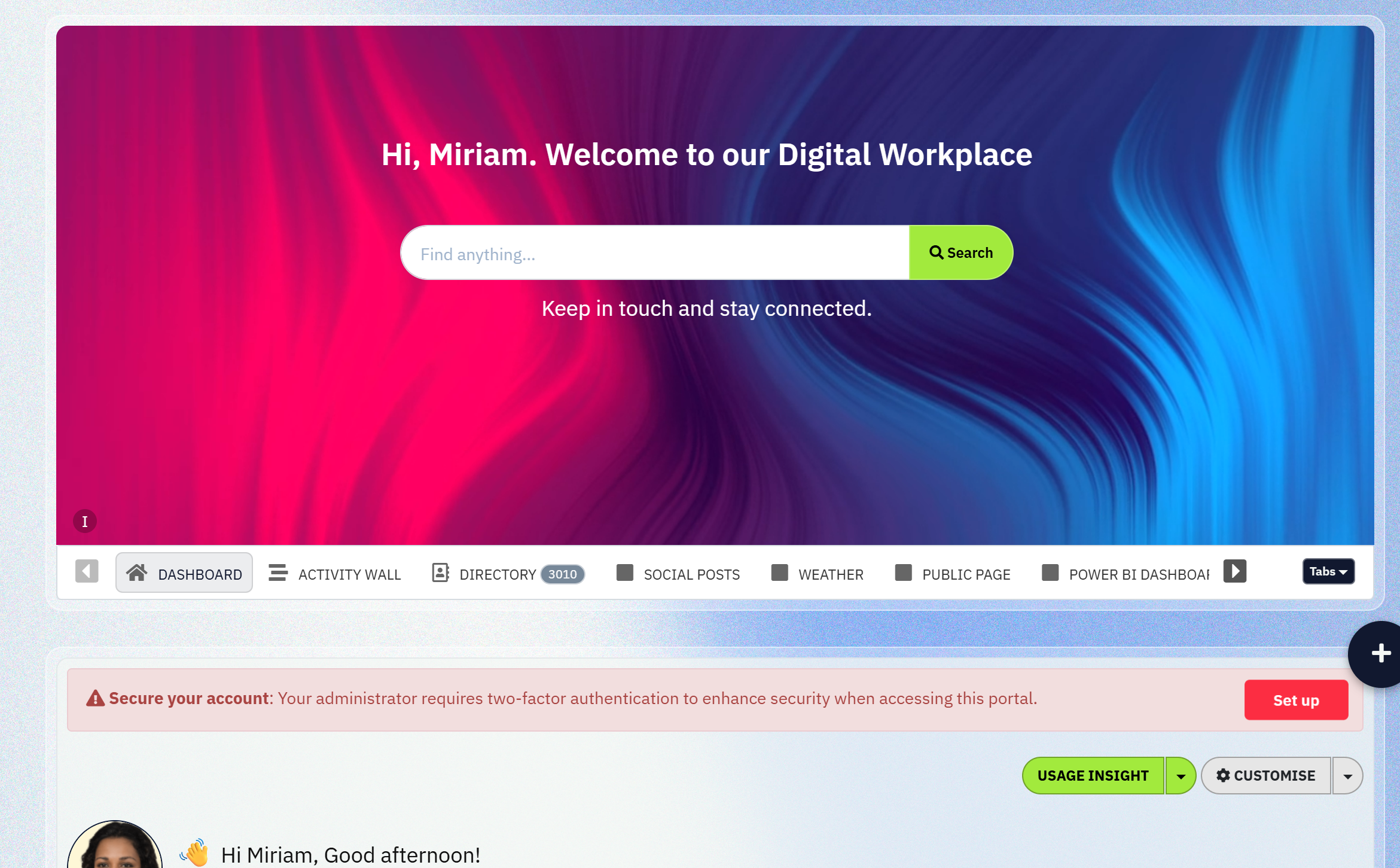
Using a digital workplace platform like AgilityPortal keeps everything in one place, making the entire retreat easier to organise for both event planners and attendees.
What About The Technology That Keeps Everyone Connected?
Before the Retreat
Preparation plays a huge role in the success of any company event. Giving employees access to all the information they need before they travel helps reduce confusion and allows everyone to arrive fully prepared.
Before the retreat, you can use AgilityPortal to:
- Publish event announcements.
- Share the full agenda.
- Send reminders and updates.
- Provide travel information.
- Upload maps and venue details.
- Share accommodation information.
- Collect RSVPs.
- Answer common questions.
Instead of searching through long email chains, employees always know where to find the latest information.
During the Retreat
Once the retreat begins, schedules often change. Workshop times may move, speakers can change, or new activities may be added. Having a central communication hub means everyone receives updates immediately.
Employees can access:
- Mobile-friendly event schedules.
- Live announcements.
- Team chat channels.
- Workshop documents.
- Presentation slides.
- Shared resources.
- Important notifications.
- Event maps and room locations.
Because everything is available from one platform, employees spend less time looking for information and more time participating in the event.
Encourage Collaboration
A retreat shouldn't only be about listening to presentations. Employees should have opportunities to share ideas, ask questions, and contribute throughout the event.
Digital collaboration tools make this easy by allowing teams to:
- Participate in live discussions.
- Ask questions during presentations.
- Share ideas with colleagues.
- Collaborate on documents.
- Vote in quick polls.
- Submit anonymous feedback.
- Continue conversations after workshops.
This keeps everyone involved, including quieter employees who may not feel comfortable speaking in front of large groups.
Capture the Experience
One of the easiest ways to keep the excitement going after a retreat is by sharing photos, videos, and highlights with the wider business. Employees enjoy looking back on the experience, while colleagues who couldn't attend can still see what happened.
Consider sharing:
- Event photo galleries.
- Team achievements.
- Award winners.
- Workshop highlights.
- Video recordings.
- Employee testimonials.
- Behind-the-scenes moments.
These updates also reinforce company culture and remind employees of the connections they built during the event.
Gather Feedback and Measure Success
Once the retreat has finished, it's important to understand what employees thought about the experience. Collecting feedback helps you improve future events and shows employees that their opinions matter.
After the retreat, you can:
- Send employee surveys.
- Run quick satisfaction polls.
- Collect suggestions.
- Measure engagement.
- Share action plans.
- Publish follow-up updates.
- Recognise employee contributions.
Reviewing this feedback helps identify what worked well and highlights areas that could be improved for your next event.
Keep the Momentum Going
The biggest mistake companies make is treating the retreat as a one-time event. The real value comes from continuing the conversations, following through on ideas, and keeping employees engaged once everyone returns to work.
AgilityPortal helps extend the impact of your retreat by centralising announcements, documents, discussions, surveys, calendars, recognition, and collaboration tools within a single employee experience platform.
Instead of losing momentum after a few days, your teams can continue sharing ideas, tracking action items, recognising achievements, and working together long after the retreat has ended.
This turns a few days away from the office into lasting improvements in communication, collaboration, and employee engagement.
AgilityPortal
Plan Better Retreats. Keep Every Employee Connected.
Planning a successful company retreat takes more than booking a venue and sending invitations. Employees need easy access to schedules, travel information, event updates, documents, and feedback forms before, during, and after the event.
AgilityPortal brings everything together in one employee experience platform. Organise announcements, publish event agendas, collect RSVPs, share travel details, manage documents, recognise employees, run surveys, and keep conversations going long after the retreat has ended. Instead of relying on scattered emails and multiple apps, everyone stays informed from one secure, easy-to-use platform.
✔ Publish retreat schedules, announcements, and travel information in one place
✔ Collect RSVPs, employee feedback, and post-event surveys with ease
✔ Share documents, photos, presentations, and event updates instantly
✔ Continue collaboration and employee engagement long after the retreat ends
✔ 14-day free trial available — No credit card required
Discover how AgilityPortal helps businesses organise company events, improve employee communication, strengthen workplace culture, and keep hybrid and remote teams connected from one secure platform.
✔ Collect RSVPs, employee feedback, and post-event surveys with ease
✔ Share documents, photos, presentations, and event updates instantly
✔ Continue collaboration and employee engagement long after the retreat ends
✔ 14-day free trial available — No credit card required
Measuring the Success of Your Corporate Retreat
A successful corporate retreat shouldn't end when everyone goes home. If you don't measure the results, it's difficult to know whether the event actually improved teamwork, communication, or employee engagement. Looking at the right data helps you understand what worked well, what employees enjoyed, and what should be improved for future retreats.
Start by comparing your original goals with the outcomes. For example, if your objective was to improve collaboration between departments, you should be able to see changes in how teams communicate and work together after the event. Likewise, if the focus was on employee wellbeing, feedback and engagement scores should reflect that employees felt more motivated and connected.
The easiest way to measure success is by collecting feedback immediately after the retreat while the experience is still fresh. Short surveys, quick polls, and team discussions can provide valuable insights that numbers alone cannot show. Following up again a few weeks later also helps determine whether the positive impact has lasted beyond the event itself.
Beyond employee opinions, it's also worth reviewing workplace data over the following months. Improvements in communication, productivity, and employee retention often indicate that the retreat delivered long-term value rather than just creating a memorable few days away from the office.
Key Metrics to Track After Your Retreat
| KPI | Why It Matters | How to Measure |
| Employee Satisfaction | Shows whether employees enjoyed the experience and found it worthwhile. | Post-event surveys and satisfaction ratings. |
| Employee Satisfaction | Indicates how many invited employees participated and whether the event was accessible. | Compare registered attendees with actual attendance. |
| Employee Engagement | Measures whether employees feel more connected to the company after the retreat. | Engagement surveys and internal communication activity. |
| Survey Feedback | Identifies what employees liked most and where improvements are needed. | Anonymous questionnaires and feedback forms. |
| Cross-Team Collaboration | Reveals whether departments are working together more effectively after the event. | Monitor project collaboration and communication between teams. |
| Employee Retention | Strong retreats can improve morale and reduce staff turnover over time. | Compare retention rates before and after the retreat. |
| Productivity Improvements | Measures whether employees returned with renewed focus and motivation. | Review project completion rates, goals achieved, and manager feedback. |
While numbers are important, don't overlook the human side of the retreat.
Listen to the conversations employees are having after the event. Are they talking positively about their experience? Are they working with colleagues they didn't know before? Are new ideas and projects beginning to emerge?
These are often the first signs that your retreat has made a lasting impact.
Using a platform like AgilityPortal makes measuring success much easier. You can distribute surveys, monitor employee engagement, track announcements, gather feedback, and continue conversations in one place.
Instead of relying on guesswork, you'll have real data to understand the return on your investment and use those insights to make your next retreat even more successful.
Common Company Offsite Planning Mistakes to Avoid
Even the best company events can fall short if they're poorly planned.
A successful offsite isn't about choosing an expensive venue or filling the schedule with activities—it's about creating an experience that helps employees connect, learn, and return to work with a renewed sense of purpose.
Many organisations make the same planning mistakes every year. Fortunately, most of them are easy to avoid with a little preparation and clear communication.
Starting Without a Clear Purpose
One of the biggest mistakes is organising an event without defining what success looks like. If employees don't understand why they're attending, the experience can quickly feel like just another meeting in a different location.
Before planning begins, identify a few specific outcomes, such as:
- Strengthening collaboration between departments.
- Improving leadership communication.
- Recognising employee achievements.
- Generating new business ideas.
- Supporting employee wellbeing.
Having clear goals makes every planning decision much easier.
Scheduling Every Minute
It's tempting to create a packed itinerary, but too many presentations and activities can leave employees feeling exhausted instead of inspired.
A balanced schedule should include:
- Interactive sessions.
- Networking opportunities.
- Regular refreshment breaks.
- Free time to relax.
- Informal conversations.
- Optional evening activities.
Giving employees space to recharge often leads to better discussions and stronger relationships.
Forgetting About Distributed Employees
If some employees are unable to travel, they shouldn't feel excluded from the experience. Failing to include remote participants can create the opposite effect of what the event is intended to achieve.
Simple ways to include everyone include:
- Live-streaming key presentations.
- Recording important sessions.
- Sharing presentation materials online.
- Running virtual Q&A sessions.
- Creating digital discussion spaces.
Making everyone feel included strengthens the overall employee experience.
Treating the Event as the Finish Line
Many businesses invest significant time and money into planning an offsite, only to forget about it once everyone returns to work.
Instead, continue building on the momentum by:
- Sharing presentation recordings.
- Publishing key takeaways.
- Assigning action items.
- Celebrating achievements.
- Reviewing agreed objectives.
- Scheduling follow-up meetings.
Following through on ideas is where the real value is created.
Poor Internal Communication
Employees should never have to search through dozens of emails to find travel details, schedules, or venue information. Confusion before the event often creates unnecessary stress and frustration.
Keep communication simple by providing:
- One central event schedule.
- Travel information.
- Accommodation details.
- Session updates.
- Emergency contacts.
- Frequently asked questions.
Having one reliable source of information helps everyone stay informed.
Failing to Ask for Honest Feedback
Every company event provides an opportunity to learn. If you don't ask employees what worked well and what could be improved, you'll likely repeat the same mistakes next time.
Useful feedback questions include:
- Which sessions were most valuable?
- What activities did you enjoy most?
- Was the schedule balanced?
- Did you feel included throughout the event?
- What would you change next time?
- Would you attend again?
Honest feedback gives you practical insights that can improve future events and ensure each one delivers a better experience than the last.
The most successful company offsites are those that continue delivering value long after employees return to their desks. Careful planning, open communication, and continuous improvement will help transform a one-time event into stronger teamwork, better collaboration, and a healthier workplace culture.
Final Thoughts
A successful company retreat is about much more than taking employees away from the office for a few days. It's an opportunity to strengthen relationships, improve communication, encourage new ideas, and build a workplace where people genuinely enjoy working together. When employees feel connected to their colleagues and understand the company's goals, they're more likely to stay engaged and perform at their best.
The most effective events don't happen by chance. They start with clear objectives, thoughtful planning, the right location, engaging activities, and a balance between work and wellbeing. Just as importantly, the experience shouldn't end when everyone travels home. Following up on ideas, recognising achievements, and continuing conversations helps turn a short event into lasting improvements across the business.
This is where a digital workplace platform like AgilityPortal adds real value. Instead of relying on scattered emails and multiple apps, you can organise the entire experience from one central place. Share event updates, publish schedules, collect feedback, recognise employees, manage documents, and keep conversations going long after the event has finished.
Whether you're planning your first company retreat or looking to improve your next one, remember that the goal isn't simply to organise an event—it's to create an experience that brings people together, supports your company culture, and gives employees the tools and motivation to work better as a team throughout the year.
AI Summary
- A well-planned corporate retreat helps employees build stronger relationships, improve communication, and create a more connected workplace culture, especially for remote and hybrid teams.
- Successful retreats begin with clear objectives, whether the goal is strategic planning, leadership development, team building, employee recognition, or improving collaboration across departments.
- Choosing the right location, accommodation, agenda, and activities ensures employees stay engaged while balancing productive work sessions with networking and wellbeing.
- Using a digital workplace platform like AgilityPortal makes it easier to organise the event by managing announcements, schedules, documents, surveys, feedback, and employee communication from one central location.
- Measuring employee satisfaction, engagement, collaboration, attendance, and post-event feedback helps demonstrate the value of the retreat and provides insights for improving future events.
- The most successful company retreats continue delivering value long after the event ends by keeping conversations, recognition, collaboration, and action plans active throughout the year.
Most Popular Posts

Effective communication among team members is vital for the productivity and success of any organization. Surprisingly, 60% of companies lack a long-term internal communication strategy, which p...


Businesses thrive on communication for efficiency, productivity and accomplishment. When the right information is passed from the right designation in the organization, it promotes positivity an...

Categories
Blog
(3174)
Business Management
(392)
Employee Engagement
(234)
Digital Transformation
(214)
Growth
(149)
Intranets
(141)
Internal communications
(106)
Remote Work
(68)
Sales
(53)
Collaboration
(52)
Customer Experience
(32)
Culture
(30)
Knowledge Management
(29)
Project management
(29)
Leadership
(20)
Comparisons
(9)
News
(1)

Related Posts

Cyber Essentials is often described as a technical certification, but it is really a practical test of whether a business has the basics under control. That matters because cyber incidents rarely stay inside the IT department. They can interrupt payr...

Outsourced IT support becomes worth considering when technology problems stop being minor inconveniences and begin affecting how the business operates. A slow laptop or one-off password reset is manageable. But recurring downtime, unresolved support ...

An intranet network example in business could be as simple as a central employee hub where people find company policies, announcements, forms, training, documents and team updates. In practice, managing it well takes more than putting files beh...

Could your employees still find the policies, forms and information they rely on if your intranet moved to a new Microsoft 365 tenant tomorrow? An intranet migration can sound simple on a project plan: move sites, documents and user access from one M...

When Should You Hire IT Consulting Companies? 9 Costly Warning Signs Growing Businesses Can’t Ignore
Is Your Business Growing Faster Than Its IT Can Handle? Is your business growing faster than the systems, support and people behind it can keep up? It is an easy problem to miss at first. A few slow laptops, another spreadsheet workaround, or o...


Jill Romford
I am a digital nomad, lover of exploring new places and making friends.
I love to travel and I love the internet. I take pictures of my travels and share them on the internet using Instagram.
Traveler, entrepreneur, and community builder. I share my insights on digital marketing and social media while inspiring you to live your fullest life.
Ready to learn more? 👍
One platform to optimize, manage and track all of your teams. Your new digital workplace is a click away. 🚀
Free for 14 days, no credit card required.