
Insight Blog
Agility’s perspectives on transforming the employee's experience throughout remote transformation using connected enterprise tools.
40 minutes reading time
(7994 words)
What Is a Partner Portal? A Complete Guide for Partner Relationship Management

What Is a Partner Portal? A Complete Guide for Growing Businesses
Learn what a partner portal is, how it works, key features, benefits, and examples. Discover how businesses use partner portals to improve collaboration, communication, and channel partner success.
What Is a Partner Portal? A Complete Guide for Growing Businesses

If your business relies on resellers, distributors, affiliates, consultants, or channel partners, one small communication breakdown can quickly turn into missed revenue, frustrated partners, and lost opportunities.
That's exactly why more companies are investing in a modern partner portal — a centralized platform designed to improve partner relationship management, streamline partner onboarding, and give partners instant access to the tools, resources, training, and support they need to succeed.
The opportunity is massive.
Research shows that 75% of global B2B transactions are expected to flow through channel partners, while companies with mature partner programs can generate significantly higher revenue growth compared to those without structured partner enablement strategies.
75%
of global B2B transactions
Research shows that 75% of global B2B transactions are expected to flow through channel partners, making structured partner enablement strategies critical for revenue growth.
Source: Channel partner enablement research
The reality is simple: partners who feel supported, informed, and connected are far more likely to stay engaged, close deals faster, and actively promote your brand.
Businesses that fail to create a strong partner experience often struggle with poor communication, inconsistent messaging, and low partner engagement.
In this guide, you'll learn exactly what a partner portal is, how partner portal software works, the key benefits of channel partner management, the features modern businesses should look for, and how the right partner management software can help build stronger, more profitable partner relationships.
If you're looking to scale your partner ecosystem without creating operational chaos, this article will show you where to start.
Key Takeaways
- A partner portal centralizes communication, documents, training, onboarding, and business updates, giving partners a single source of truth.
- Modern partner portal software helps organizations improve partner engagement, accelerate onboarding, and strengthen collaboration across distributed partner networks.
- Features such as SSO, role-based permissions, information governance, and sensitive data controls help protect business-critical information shared with external partners.
- Partner portals reduce reliance on email by providing activity feeds, knowledge hubs, training resources, announcements, and self-service support tools.
- Businesses that invest in partner relationship management software often achieve faster partner activation, stronger channel performance, and improved long-term partner loyalty.
What Is a Partner Portal?
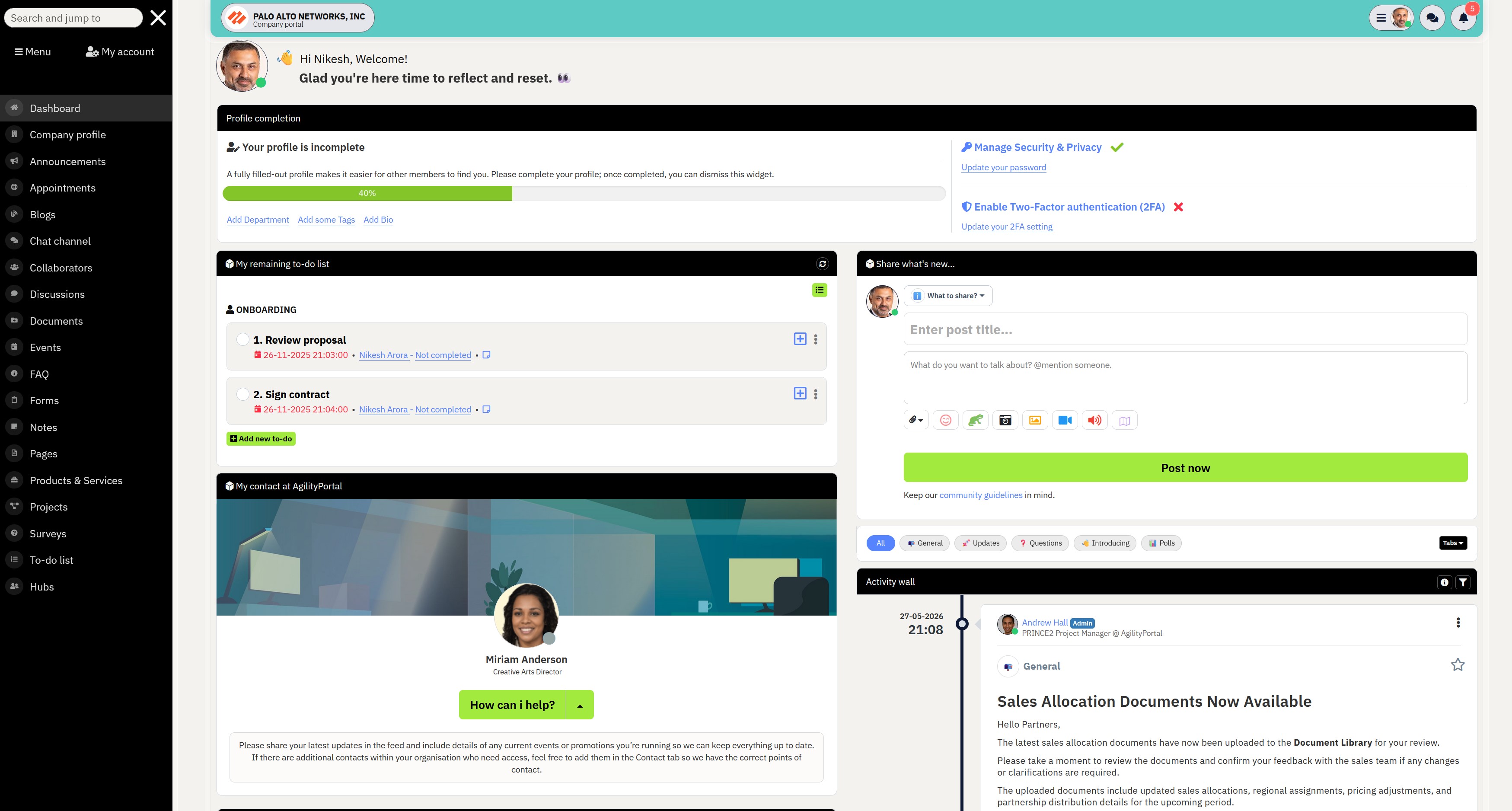
A partner portal is a secure online platform that allows businesses to collaborate more effectively with external partners such as resellers, distributors, affiliates, vendors, consultants, and franchise operators.
Think of it as a central hub where partners can access documents, sales resources, training materials, company updates, support information, and communication tools from a single location.
As organizations expand their partner ecosystem, managing relationships through emails, spreadsheets, and disconnected systems becomes increasingly difficult.
A modern partner portal software solution helps businesses streamline communication, improve collaboration, and create a more consistent partner experience.
What Is a Partner Portal
A Simple Definition of a Partner Portal
At its core, a partner portal serves as a self-service environment where external business partners can find everything they need to work successfully with your organization.
Instead of requesting information from account managers or searching through countless emails, partners can log in to access:
- Sales enablement materials
- Product documentation
- Marketing assets
- Training and certification programs
- Deal registration tools
- Knowledge bases
- Support resources
- Company announcements
This centralized approach helps businesses improve efficiency while strengthening partner relationship management across their network.
How Partner Portals Support Channel Partner Management
Successful channel partner management depends on keeping partners informed, engaged, and equipped with the right resources.
Without a structured system in place, partners often struggle to find information, leading to slower sales cycles and inconsistent customer experiences.
A well-designed channel partner portal helps businesses:
- Accelerate partner onboarding
- Improve partner engagement
- Deliver consistent messaging
- Enable partner self-service
- Simplify knowledge sharing
- Track partner performance
- Strengthen partner communication
For organizations that rely heavily on indirect sales channels, a strong partner enablement platform can become a significant competitive advantage.
Who Uses Partner Portals?
Partner portals are used across many industries where collaboration with external stakeholders plays a critical role in business growth.
- Software and SaaS Companies - Technology companies use partner management software to support resellers, implementation partners, managed service providers, and channel sales teams.
- Manufacturing Businesses - Manufacturers often deploy partner collaboration platforms to share product specifications, pricing information, inventory updates, and marketing resources with distributors.
- Professional Services Firms - Consultancies, accounting firms, legal practices, and business advisory organizations use partner portals to coordinate projects and securely share information with external partners.
- Franchise Organizations - Franchise networks use portals to standardize training, distribute operational updates, maintain brand consistency, and improve communication across locations.
- Distribution and Wholesale Networks - Distributors leverage partner ecosystem management tools to support suppliers, vendors, and retail partners while improving visibility throughout the supply chain.
Regardless of industry, businesses that invest in a dedicated partner portal often experience stronger relationships, faster onboarding, improved collaboration, and greater long-term partner success.
Trusted Partner Portal Software for Growing Businesses
Ready to Launch a Partner Portal Without the Complexity?
Most businesses know they need a better way to manage distributors, resellers, suppliers, affiliates, and strategic partners. The challenge is finding a platform that doesn't require months of implementation, expensive consultants, or complicated deployment projects.
AgilityPortal Partner Portal helps organizations centralize partner communications, onboarding, training, document management, announcements, and collaboration in one secure platform. Unlike traditional partner relationship management software, our team provides a hands-free approach to setup, onboarding, deployment, and data migration.
- ✓ Free 30-Day Setup & Onboarding Assistance
- ✓ Hands-Free Implementation Support
- ✓ Data Migration & Content Import Services
- ✓ Partner Onboarding & Training Workflows
- ✓ SSO, Permissions & Information Governance
- ✓ Partner Activity Feeds & Announcements
- ✓ Knowledge Management & Document Sharing
- ✓ Mobile Access for Distributed Partner Networks
Why organizations choose AgilityPortal:
A single platform for partner enablement, collaboration, communication, training, governance, and knowledge management—without the complexity of traditional enterprise PRM solutions.
Book a Demo
See how AgilityPortal helps businesses build stronger partner relationships and launch partner portals faster.
A single platform for partner enablement, collaboration, communication, training, governance, and knowledge management—without the complexity of traditional enterprise PRM solutions.
How Does a Partner Portal Work?
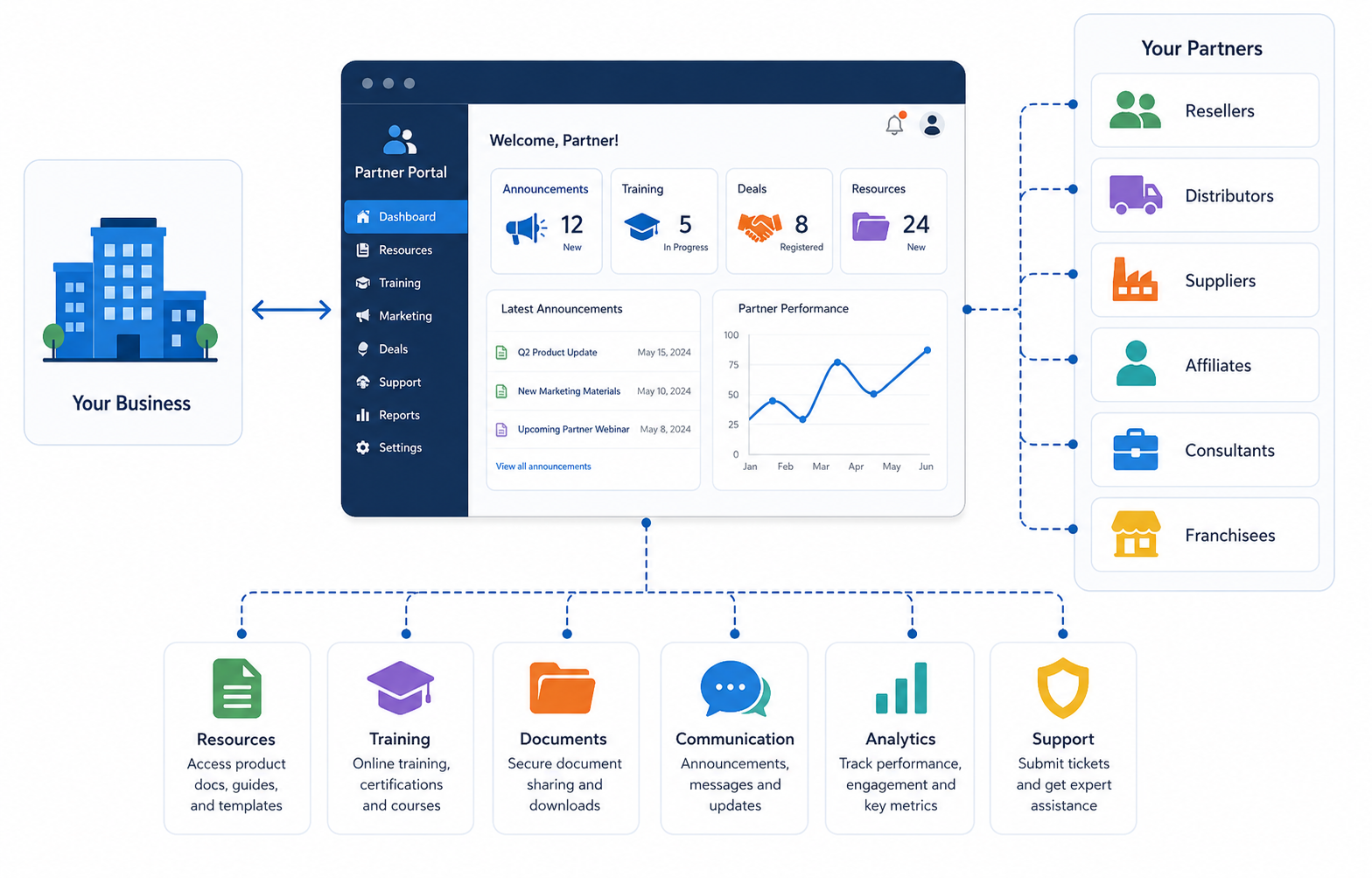
A modern partner portal acts as the digital headquarters for your entire partner ecosystem.
Instead of relying on scattered emails, spreadsheets, shared drives, and disconnected communication channels, businesses can provide partners with a single destination for collaboration, training, resources, and support.
The result is a more connected, productive, and scalable partner network.
Whether you're managing five partners or five thousand, a well-designed partner portal software solution helps create consistency while improving the overall partner experience.
How Does a Partner Portal Work
Centralizing Partner Communications
One of the biggest challenges in partner relationship management is keeping everyone informed.
Product updates, pricing changes, marketing campaigns, compliance requirements, and sales resources are often distributed across multiple channels, making it easy for important information to get lost.
A partner portal solves this problem by centralizing all communications in one location.
Partners can access announcements, discussion forums, company news, support updates, and important documents without searching through old emails or contacting account managers.
For example, imagine a cybersecurity software company launching a new product feature.
Instead of emailing hundreds of resellers individually, the company publishes the update inside its channel partner portal, where partners can immediately access product documentation, sales presentations, pricing information, and training materials.
This fundamentally changes how organizations interact with partners.
Rather than operating reactively and answering the same questions repeatedly, businesses create a self-service environment where partners can find information whenever they need it.
Providing Secure Access to Resources
Partners need access to a wide range of information to represent your business effectively.
This may include product brochures, marketing assets, technical documentation, pricing sheets, proposal templates, brand guidelines, and customer success stories.
Without a centralized system, these files often end up scattered across shared folders, email attachments, and multiple storage platforms. Version control becomes a major problem, leading to outdated information being shared with customers.
A partner management platform provides secure, permission-based access to resources, ensuring partners always have access to the latest approved materials.
Consider a global manufacturing company working with distributors across multiple countries.
Through a partner collaboration platform, distributors can access localized product information, pricing updates, inventory documentation, and compliance resources specific to their region.
At the same time, the manufacturer maintains complete control over who can access sensitive information.
This creates stronger governance while making it significantly easier for partners to sell and support products effectively.
Managing Onboarding and Training
Many partner programs struggle because onboarding is inconsistent. New partners often receive a collection of PDFs, several training videos, and a few introductory calls before being left to figure things out themselves.
A modern partner enablement platform transforms onboarding into a structured and repeatable process.
New partners can be guided through:
- Welcome programs
- Product training
- Sales certifications
- Compliance requirements
- Brand guidelines
- Partner program documentation
- Learning assessments
For example, a SaaS company recruiting new implementation partners can automatically enroll each partner in a learning pathway that teaches product knowledge, implementation best practices, and customer onboarding procedures.
Instead of taking months to become productive, partners can get up to speed much faster. Organizations benefit from higher partner engagement, while partners gain confidence in representing the brand.
This shift turns onboarding from a manual administrative task into a scalable growth engine.
Tracking Partner Performance and Engagement
One of the most valuable features of a partner portal is visibility.
Businesses can finally understand how partners are engaging with resources, training programs, and sales opportunities.
Through analytics and reporting dashboards, organizations can track:
- Training completion rates
- Certification status
- Content downloads
- Portal activity
- Deal registrations
- Lead conversions
- Sales performance
- Partner engagement levels
Here is another example, a technology vendor may notice that its highest-performing resellers consistently complete advanced certification programs and regularly engage with sales enablement content.
Using this insight, the company can encourage other partners to follow similar development paths.
This data-driven approach changes the relationship between businesses and partners.
Instead of relying on assumptions, organizations can identify successful behaviors, provide targeted support, and proactively strengthen underperforming partner relationships.
The result is a more collaborative and strategic partnership model where both sides work toward shared growth objectives.
Ultimately, a partner portal is far more than a document repository. It becomes the foundation for effective channel partner management, helping businesses improve communication, accelerate partner onboarding, strengthen collaboration, and build long-term partner success at scale.
Why Your Businesses Might Need a Partner Portal
You Want to Eliminate communication silos between teams and partners
Many businesses struggle because partner information is spread across emails, shared drives, chat platforms, and spreadsheets.
A partner portal creates a single source of truth where everyone accesses the same information.
Benefits include:
- Consistent communication across partner networks
- Faster distribution of updates and announcements
- Reduced dependency on email chains
- Better collaboration between internal teams and partners
This helps improve transparency and strengthens overall partner relationship management.
Reduce time spent searching for information
Partners lose valuable time when they cannot find the documents, training materials, or product information they need. A centralized partner portal software solution makes resources available instantly.
Key advantages include:
- Self-service access to documents
- Searchable knowledge base content
- Organized sales and marketing resources
- Faster support resolution
Instead of waiting for responses, partners can quickly find answers and stay productive.
Improve partner onboarding experiences
A structured onboarding process helps new partners become productive much faster. Rather than sending multiple documents and emails, organizations can guide partners through a dedicated onboarding journey.
A portal can provide:
- Training courses and certifications
- Product knowledge resources
- Compliance documentation
- Welcome guides and checklists
This creates a smoother experience and helps partners start generating value sooner.
Increase channel sales productivity
Successful channel programs depend on giving partners the right tools to sell effectively. A channel partner portal ensures partners always have access to up-to-date resources.
Common sales benefits include:
- Deal registration systems
- Product documentation
- Pricing and proposal templates
- Sales enablement content
When partners have what they need, they can close deals faster and contribute more revenue.
Create a better partner experience
Partners want the same digital experience they receive from customers and employees. A modern partner management platform makes interactions easier, faster, and more engaging.
This often leads to:
- Higher partner engagement
- Stronger business relationships
- Improved partner loyalty
- Greater long-term retention
Organizations that invest in partner enablement often build stronger partner ecosystems and gain a competitive advantage.
Key Features of a Modern Partner Portal
Document and resource management
In 2026 your next partner portal should provide a secure, centralized location for storing and sharing documents, sales collateral, contracts, marketing assets, and product information.
Partners always access the latest version of files, reducing confusion and improving consistency.
Key capabilities include:
- Version-controlled document libraries
- Secure file sharing
- Content categorization and search
- Role-based access permissions
This ensures partners can quickly find the resources they need while maintaining strong information governance.
Knowledge base and self-service support
Partners should not have to wait for support teams to answer common questions. A searchable knowledge base allows them to find answers independently and resolve issues faster.
Useful features include:
- FAQs and help articles
- Product documentation
- Troubleshooting guides
- Self-service support resources
This improves partner satisfaction while reducing support workloads.
Partner onboarding workflows
Effective partner onboarding helps new partners become productive faster. Automated workflows guide users through training, compliance requirements, and business processes.
Common onboarding tools include:
- Welcome journeys
- Task checklists
- Training paths
- Automated notifications
A structured onboarding process improves adoption and accelerates time-to-value.
Learning management and certification tracking
Training is critical for partner success. Many businesses use integrated learning tools to educate partners and verify product knowledge.
Typical capabilities include:
- Online training courses
- Certification programs
- Progress tracking
- Knowledge assessments
This helps ensure partners can confidently represent your products and services.
Lead and deal registration
A strong channel partner portal should help partners register opportunities and track deal progress. This reduces channel conflict and improves visibility across the sales pipeline.
Important features include:
- Lead registration forms
- Opportunity tracking
- Sales pipeline visibility
- Approval workflows
These tools help improve collaboration between sales teams and partners.
Team collaboration and communication tools
Successful partnerships depend on ongoing communication. Modern portals often include social collaboration features that keep partners connected and informed.
Common features include:
- Activity feeds and announcements
- Partner news and updates
- Group discussions
- Direct messaging
Partner updates published directly in the feed ensure everyone stays aligned with company initiatives, product launches, and market changes.
Analytics and reporting dashboards
Data-driven partner programs perform better because organizations can identify engagement trends and improvement opportunities.
Reporting dashboards often track:
- Portal usage
- Training completion
- Content engagement
- Sales performance
These insights help optimize partner relationship management strategies over time.
Mobile access for remote partners
Partners increasingly work remotely and need access to resources wherever they are. Mobile-friendly partner portals provide flexibility without sacrificing security.
Key mobile capabilities include:
- Access from any device
- Push notifications
- Mobile document access
- Real-time communication
This helps partners stay productive whether they are in the office, at a customer site, or traveling.
Enterprise security, SSO, and information governance
Security is essential when sharing business information with external organizations.
Modern partner management software should provide enterprise-grade controls that protect sensitive data.
Critical security features include:
- Single Sign-On (SSO)
- Multi-factor authentication
- Information governance policies
- Sensitive data access controls
- Audit logs and activity tracking
These controls ensure partners only access the information relevant to their role while helping businesses meet compliance and security requirements.
Modern Partner Portal Features Comparison
| Feature | What It Does | Business Benefit |
| Document Management | Centralizes contracts, sales collateral, policies, and product documentation. | Ensures partners always access the latest approved resources. |
| Knowledge Base | Provides searchable help articles, FAQs, and support documentation. | Reduces support requests and improves self-service. |
| Partner Onboarding | Automates onboarding tasks, training, and setup processes. | Accelerates partner activation and productivity. |
| Learning Management System (LMS) | Delivers courses, certifications, and learning paths. | Improves partner knowledge and sales readiness. |
| Single Sign-On (SSO) | Allows partners to access the portal using existing credentials. | Simplifies access while improving security. |
| Role-Based Permissions | Controls access based on partner type, region, or role. | Protects sensitive business information. |
| Information Governance | Applies policies for managing and securing content. | Helps maintain compliance and reduce risk. |
| Sensitive Data Controls | Restricts access to confidential documents and records. | Prevents unauthorized access and data exposure. |
| Activity Feed & Partner Updates | Publishes company news, product releases, and announcements. | Keeps partners informed and engaged in real time. |
| Deal Registration | Enables partners to register and track opportunities. | Reduces channel conflict and improves visibility. |
| Lead Management | Distributes and tracks partner-generated leads. | Increases accountability and sales performance. |
| Collaboration Tools | Supports discussions, messaging, and teamwork. | Strengthens communication across partner networks. |
| Mobile Access | Provides access from smartphones and tablets. | Supports remote and field-based partners. |
| Analytics & Reporting | Tracks engagement, training, and sales performance. | Provides insights to improve partner programs. |
| Audit Logs | Records user activity and content access history. | Improves compliance, governance, and accountability. |
| Workflow Automation | Automates approvals, notifications, and recurring tasks. | Saves administrative time and increases efficiency. |
| Integration Capabilities | Connects with CRM, ERP, HR, and business systems. | Creates a seamless partner ecosystem. |
| Partner Directory | Lists partners by expertise, location, or specialization. | Makes it easier to find and collaborate with partners. |
| Content Management | Organizes and distributes marketing and sales assets. | Ensures consistent branding and messaging. |
| Notifications & Alerts | Sends targeted updates and reminders. | Improves partner engagement and responsiveness. |
Common Types of Partner Portals
Channel partner portals help businesses scale indirect sales
A channel partner portal is designed for organizations that sell products or services through external partners rather than directly to customers.
These portals provide distributors, resellers, implementation partners, and channel sales teams with access to training, sales resources, deal registration tools, and product updates.
Technology companies commonly use channel partner portals to manage large partner networks while maintaining consistent messaging and visibility across their sales ecosystem.
Reseller partner portals support product distribution and sales
A reseller partner portal is specifically built for businesses that rely on resellers to market and sell their products.
Resellers use the portal to access pricing information, marketing collateral, product documentation, and sales support materials.
For example, a software vendor may provide resellers with product guides, proposal templates, and lead management tools to help them generate more sales while ensuring customers receive accurate information.
Affiliate partner portals simplify referral and commission management
An affiliate partner portal is used by businesses that operate referral or affiliate programs.
Affiliates can access promotional materials, referral links, commission reports, and campaign performance dashboards.
E-commerce companies, SaaS providers, and online service businesses frequently use affiliate portals to track referrals, manage payouts, and provide affiliates with the resources needed to promote products effectively.
Supplier and vendor portals improve supply chain collaboration
A supplier portal or vendor portal helps organizations manage relationships with suppliers, manufacturers, and service providers.
These portals typically include purchase orders, contracts, invoices, compliance documents, and operational updates.
For example, a manufacturing company may use a vendor portal to share inventory forecasts, delivery schedules, and quality requirements, helping suppliers stay aligned with business needs and reducing operational delays.
Franchise partner portals maintain consistency across locations
A franchise partner portal is designed to support franchise owners and operators.
It provides access to training materials, operational procedures, marketing campaigns, compliance requirements, and company announcements.
Restaurant chains, retail brands, and fitness franchises commonly use these portals to ensure every location follows the same standards, delivers a consistent customer experience, and stays informed about corporate initiatives.
Real-World Examples of Partner Portals in Action
How technology companies use partner portals to grow global reseller networks
Companies such as Microsoft, Cisco, and Salesforce generate a significant portion of their revenue through partner ecosystems.
Managing thousands of resellers across multiple countries would be almost impossible without a centralized partner portal.
Before implementing structured partner management programs, many technology vendors struggled with inconsistent sales messaging, outdated product information, and lengthy onboarding processes.
Their partner portals transformed how they interacted with partners by providing:
- Product training and certifications
- Deal registration systems
- Sales enablement content
- Marketing campaign resources
- Real-time product announcements
The result was faster onboarding, stronger partner engagement, and more consistent customer experiences worldwide.
Rather than acting as simple vendors, these organizations built collaborative relationships with partners that directly contributed to revenue growth.
How manufacturing companies support distributors with real-time information
Manufacturing businesses often rely on large networks of distributors, suppliers, and regional sales partners.
Companies such as Caterpillar and Siemens use digital partner ecosystems to share operational information with external partners.
In the past, distributors frequently waited days for updated pricing, inventory information, or technical documentation. This created delays that impacted customers and reduced sales opportunities.
Modern partner portals changed that dynamic by giving distributors instant access to:
- Product specifications
- Inventory updates
- Pricing information
- Technical documentation
- Compliance requirements
The impact is significant. Partners can respond to customer requests faster, reduce operational errors, and maintain stronger alignment with the manufacturer's objectives.
This creates a more agile and responsive supply chain.
How professional services firms manage external consultants at scale
Professional services organizations often work with external consultants, contractors, implementation specialists, and advisory partners. Firms such as Deloitte and Accenture depend on collaboration between internal teams and external experts.
Without a partner portal, project information can become fragmented across emails, file-sharing systems, and communication platforms.
This creates governance risks and makes knowledge sharing difficult.
By implementing secure partner portals with SSO, document management, and information governance controls, these firms provide consultants with access to the exact resources they need.
Benefits often include:
- Faster project delivery
- Better document control
- Improved compliance
- Reduced administrative overhead
- More consistent client experiences
The relationship shifts from transactional coordination to seamless collaboration, allowing consultants to focus on delivering value rather than searching for information.
How nonprofits strengthen collaboration with regional partners
Many nonprofit organizations operate through regional offices, local chapters, volunteers, and community partners.
Organizations such as Habitat for Humanity and Red Cross depend on strong collaboration across geographically dispersed teams.
Historically, sharing policies, funding updates, training materials, and program information was slow and difficult. Different regions often worked with outdated information, creating inconsistencies across programs.
Partner portals have helped transform nonprofit collaboration by providing:
- Centralized communications
- Shared knowledge bases
- Volunteer training resources
- Funding and grant documentation
- Regional update feeds
The result is better alignment across partner organizations, improved program delivery, and faster access to critical information.
Most importantly, nonprofit leaders gain visibility into partner engagement while local teams receive the tools they need to support communities more effectively.

"The most successful partner ecosystems are built on transparency, enablement, and self-service access to information. Companies that remove friction for partners consistently outperform competitors that still rely on manual processes, disconnected systems, and email-driven collaboration."
Organizations that invest in modern partner portals often see faster onboarding, stronger partner engagement, improved sales execution, and better long-term partner retention because they make it easier for partners to do business.
Benefits of Implementing a Partner Portal

Benefits of Implementing a Partner Portal
Partner portals deliver significant advantages for organizations that work with distributors, suppliers, resellers, franchisees, consultants, and other external business partners.
By creating a dedicated digital environment for collaboration and communication, businesses can improve efficiency, strengthen relationships, and drive better outcomes across their partner ecosystem.
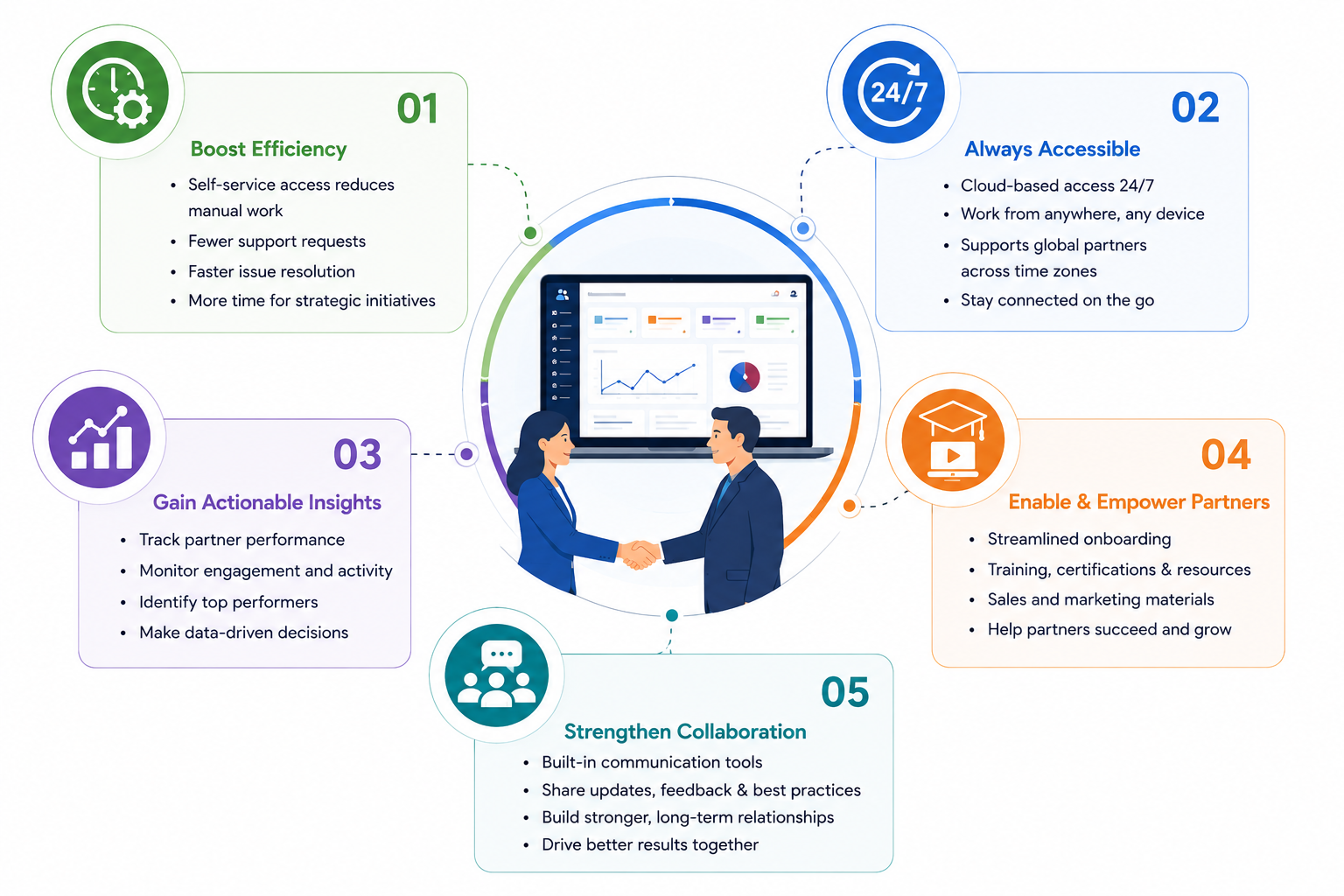
Here are five of the biggest benefits:
- Self-Service Access: A partner portal allows partners to find documents, training materials, company updates, and support resources without relying on emails or account managers. This reduces repetitive requests, saves time for internal teams, and helps partners get answers faster.
- 24/7 Availability: Most partner portals are cloud-based and mobile-friendly, giving users access from anywhere at any time. Whether partners are working remotely, travelling, or operating in different time zones, they can stay connected and productive.
- Performance Insights: Built-in reporting and analytics help businesses track engagement, training progress, content usage, sales activity, and overall partner success. These insights make it easier to identify top-performing partners and uncover opportunities for improvement.
- Partner Enablement and Training: Portals provide a centralized location for onboarding programs, certifications, product education, knowledge bases, and sales resources. This helps partners become productive faster while improving consistency across the entire network.
- Improved Collaboration: Modern partner portals include communication tools, activity feeds, announcements, discussion areas, and shared workspaces that encourage knowledge sharing and stronger relationships. Better collaboration often leads to increased partner engagement, higher sales performance, and more successful long-term partnerships.
The Biggest Challenges Businesses Face Without a Partner Portal

The Biggest Challenges Businesses Face Without a Partner Portal
Information becomes scattered across multiple systems
Without a centralized partner portal, important information often ends up spread across email inboxes, shared drives, CRM systems, chat applications, and local folders.
Partners waste valuable time searching for documents instead of serving customers.
Common problems include:
- Outdated files being shared
- Duplicate documents
- Inconsistent information
- Increased support requests
As partner ecosystems grow, information fragmentation creates confusion and reduces productivity for both internal teams and external partners.
Slow partner onboarding delays business growth
Many organizations still onboard partners manually using spreadsheets, emails, and disconnected training materials. This process is often time-consuming and inconsistent.
Typical onboarding challenges include:
- Missing training resources
- Delayed account setup
- Poor partner engagement
- Lack of onboarding visibility
Without structured onboarding workflows, new partners can take weeks or even months to become fully productive, slowing overall channel growth.
Poor visibility makes partner engagement difficult to measure
When businesses lack a dedicated partner management platform, it becomes difficult to understand how partners are performing and engaging with available resources.
Organizations often struggle to track:
- Training completion rates
- Content usage
- Sales activity
- Partner participation
Without meaningful data, leaders cannot identify top-performing partners or provide targeted support where it is needed most.
Inconsistent branding creates a fragmented customer experience
Partners often represent your brand directly to customers. When they access outdated presentations, old logos, or incorrect messaging, the customer experience can quickly become inconsistent.
This can result in:
- Mixed brand messages
- Incorrect product positioning
- Customer confusion
- Reduced trust
A centralized partner ecosystem helps ensure everyone is communicating the same value proposition and using approved content.
Scaling partner programs becomes increasingly difficult
What works for ten partners rarely works for hundreds. As organizations expand their channel partner networks, manual processes become harder to manage.
Businesses commonly encounter:
- Growing administrative workloads
- Communication bottlenecks
- Compliance challenges
- Reduced operational efficiency
A partner portal provides the structure needed to scale partner programs while maintaining security, consistency, and strong partner relationships.
Partner Portal vs Customer Portal: What's the Difference?
Although both portals provide secure online access to information and services, they serve very different business purposes.
Understanding the distinction helps organizations invest in the right platform and deliver better digital experiences to both external stakeholders and customers.
Partner vs Customer Portal Comparison Table
| Feature | Partner Portal | Customer Portal |
| Audience | Partners | Customers |
| Training | Yes | Limited |
| Deal Registration | Yes | No |
| Collaboration | Extensive | Limited |
| Sales Resources | Yes | No |
The primary audience determines the portal's purpose
A business partner portal is designed for resellers, distributors, suppliers, franchisees, affiliates, and strategic business partners who help promote, sell, or deliver products and services.
A customer portal, on the other hand, is built for end users and customers who need support, account management, service updates, or access to purchased products.
Examples include:
- Partners accessing sales enablement resources
- Customers submitting support requests
- Suppliers reviewing purchase orders
- Clients managing subscriptions
The audience ultimately determines the portal's functionality and goals.
The objectives focus on different business outcomes
Partner portals are focused on strengthening external business relationships and driving mutual growth.
They help organizations improve collaboration, increase partner productivity, and support revenue generation.
Customer portals are primarily designed to improve customer satisfaction and self-service experiences.
Partner portal goals often include:
- Business collaboration
- Revenue growth
- Partner enablement
- Knowledge sharing
Customer portal goals typically focus on:
- Customer support
- Service delivery
- Account management
- Customer retention
Both platforms create value but target different business outcomes.
The features and functionality serve different needs
A partner workspace usually contains training programs, shared document repositories, sales assets, onboarding resources, partner communications, and collaboration tools.
Customer portals typically include:
- Ticket management
- Billing information
- Order tracking
- Product support
- Customer knowledge bases
For example, a software vendor may provide implementation partners with technical certifications and product roadmaps, while customers access support tickets and account settings through a separate portal.
The features reflect the specific needs of each audience.
Many growing businesses eventually need both
As organizations scale, they often discover that a single portal cannot effectively serve every audience.
Partners require collaboration, enablement, and business intelligence, while customers expect support and account self-service.
Businesses commonly deploy both portals when they need to:
- Support channel sales programs
- Improve customer experiences
- Manage supplier relationships
- Scale digital engagement
Companies such as Microsoft, Salesforce, and Cisco maintain dedicated environments for partners while providing separate customer-facing portals.
This approach allows each audience to receive a tailored experience without compromising usability, security, or information governance.
How to Choose the Right Partner Portal Software
Selecting the right partner portal software is not simply about comparing feature lists.
The best solution should align with your partner program, support business growth, and make it easier for external partners to collaborate with your organization.
Before investing in a platform, evaluate your requirements carefully and focus on long-term scalability.
#1. Define your partner ecosystem requirements before evaluating vendors
Every organization has different partner needs.
A software company working with resellers will have very different requirements from a manufacturer managing distributors or a nonprofit collaborating with regional organizations.
Before reviewing platforms, ask:
- Who will use the portal?
- What information will partners need?
- How many partners will you support?
- What business processes need improvement?
Creating a clear requirements list helps eliminate unsuitable solutions and ensures the platform supports your long-term partner strategy.
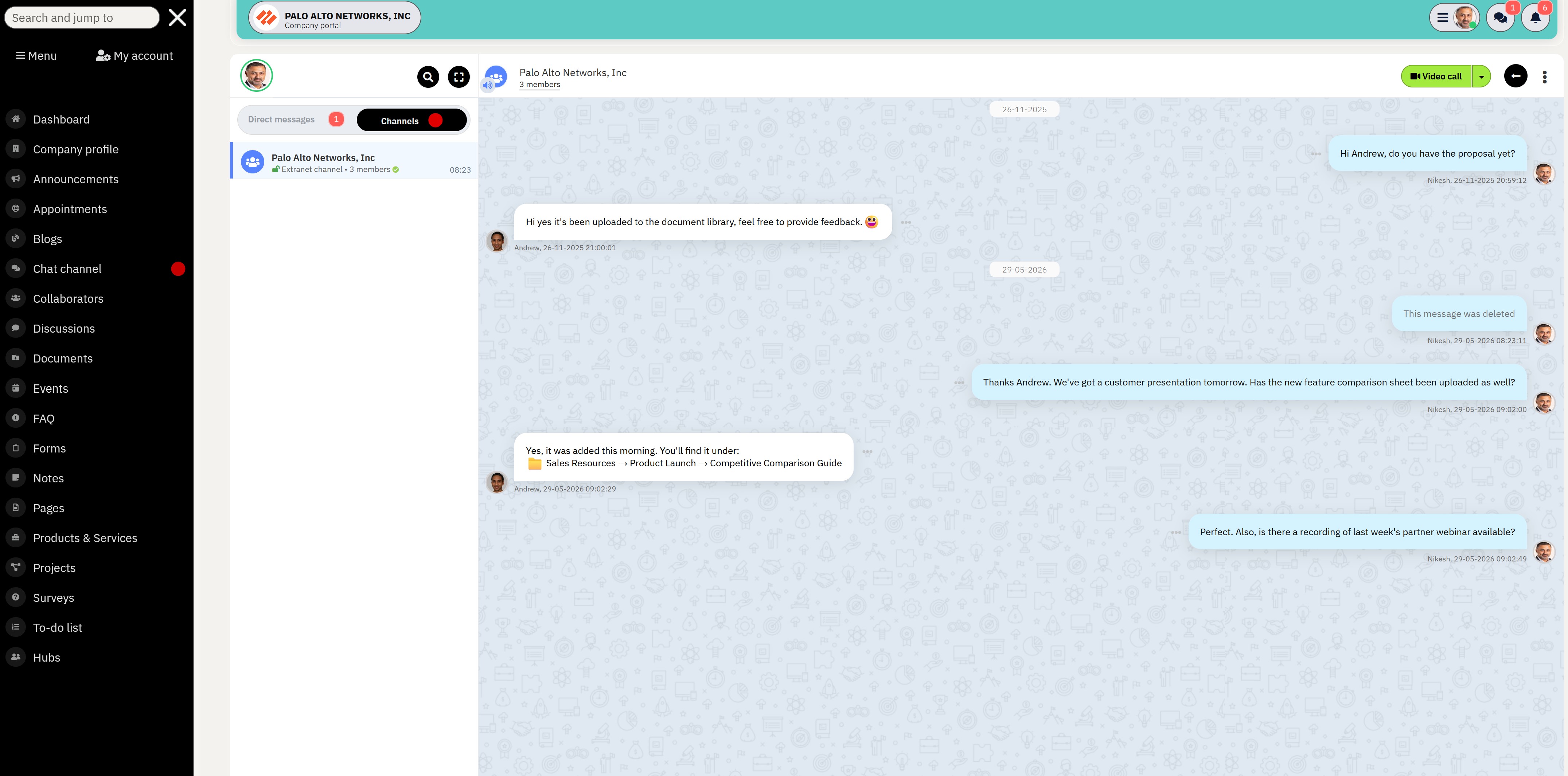
#2. Evaluate collaboration capabilities beyond simple document sharing
#2. Evaluate collaboration capabilities beyond simple document sharing
Many organizations mistakenly treat partner portals as document repositories.
Modern platforms should support active collaboration, communication, and engagement.
Look for capabilities such as:
- Activity feeds and partner announcements
- Direct messaging and discussions
- Shared workspaces
- Knowledge sharing tools
The best partner experiences occur when communication flows naturally between internal teams and external stakeholders rather than through endless email chains.
#3. Consider integrations and scalability from day one
Your partner portal should not operate in isolation.
As your partner network grows, the platform must connect seamlessly with your existing business systems.
Prioritize solutions that integrate with:
- CRM platforms
- ERP systems
- Learning management systems
- Identity providers
- Business intelligence tools
Also consider future growth.
A portal that works for 50 partners today should still support 5,000 partners tomorrow without requiring a complete replacement.
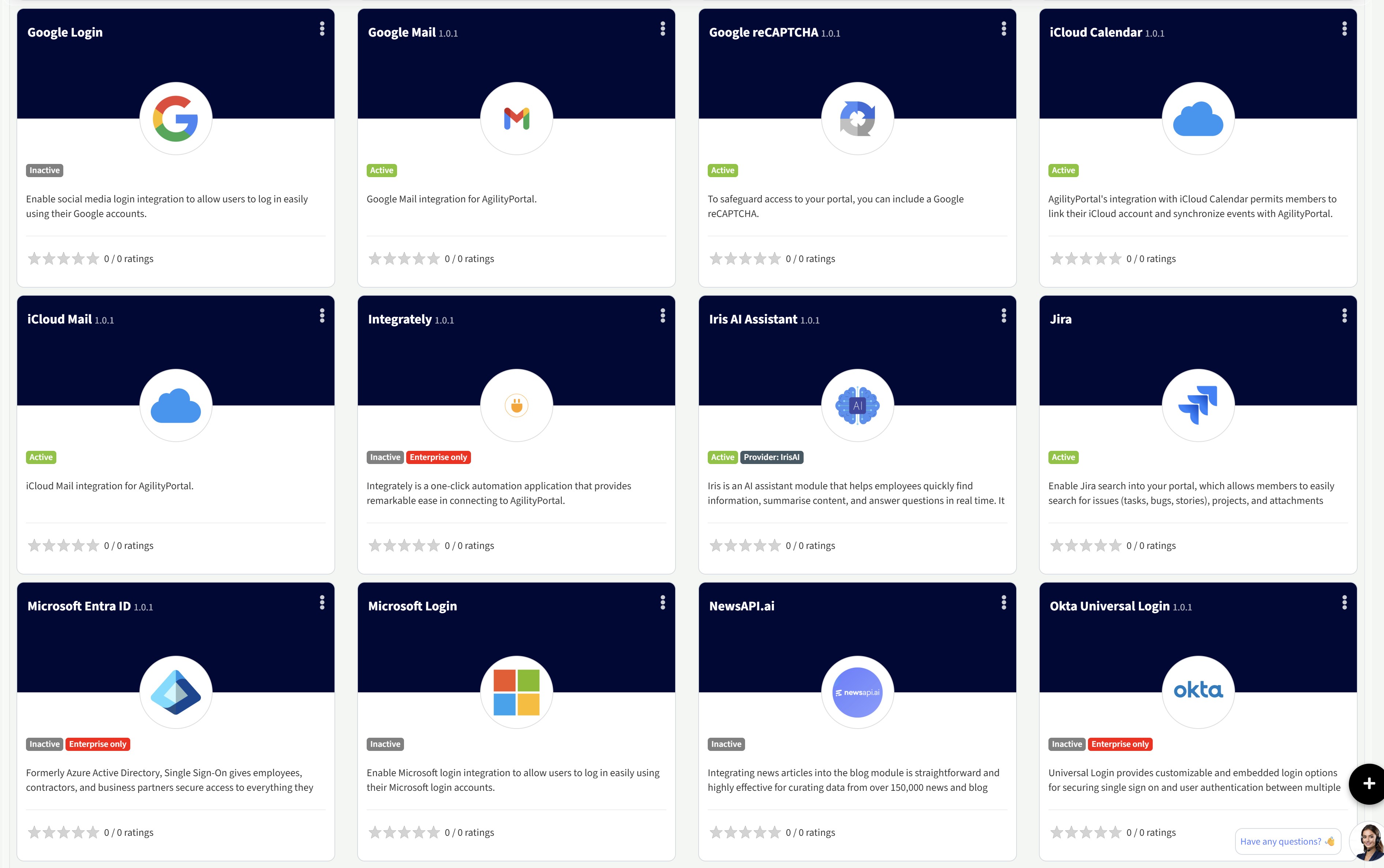
#4. Prioritize security, SSO, and permission controls
#4. Prioritize security, SSO, and permission controls
Partner portals often contain sensitive information, including contracts, pricing, customer data, and strategic business documents. Security should never be treated as an afterthought.
Look for:
- Single Sign-On (SSO)
- Multi-factor authentication
- Role-based permissions
- Information governance controls
- Audit trails and activity logs
A strong security framework protects business data while ensuring partners only access content relevant to their role and relationship.
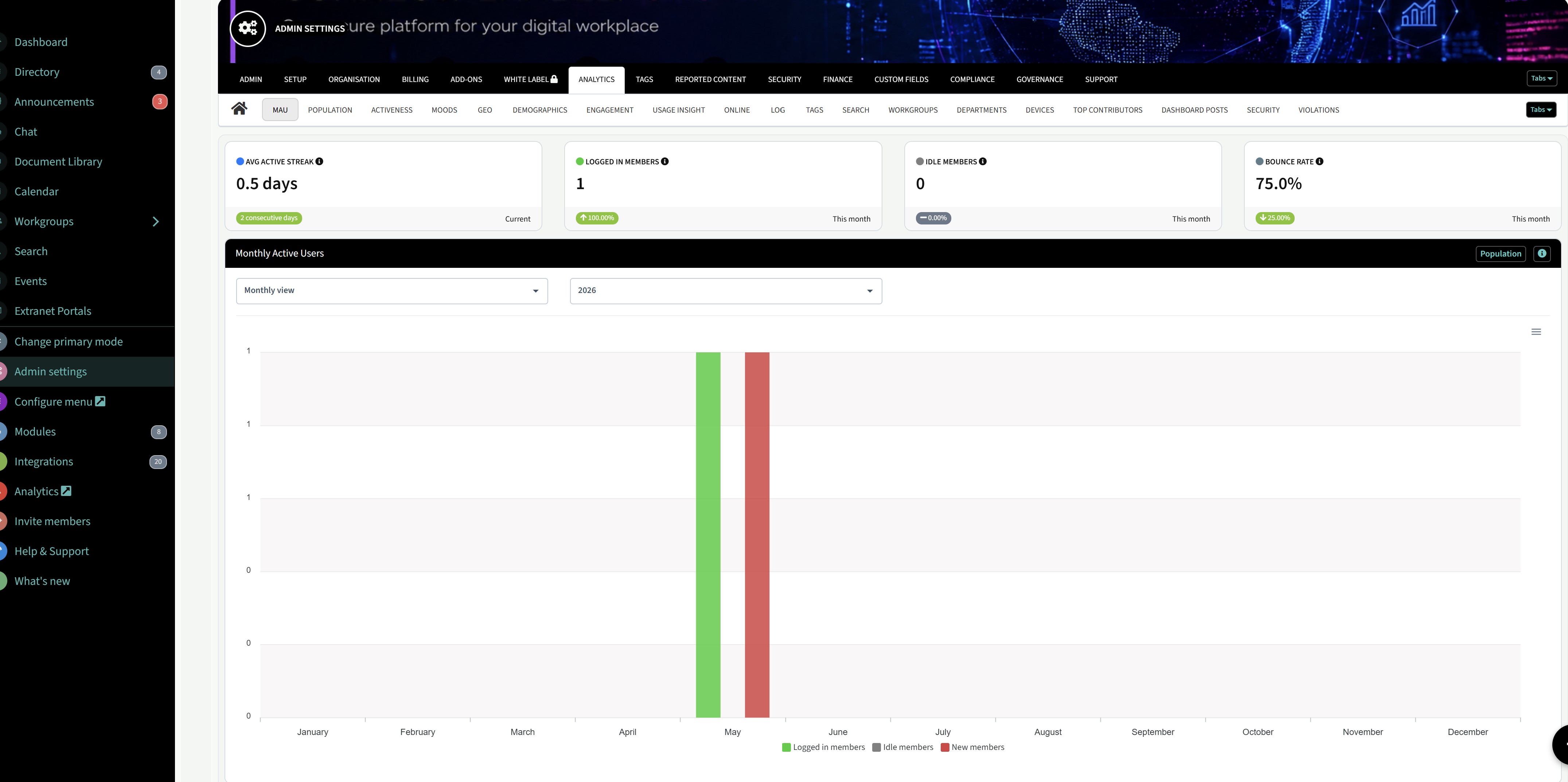
#5. Look for reporting and analytics that drive better decisions
Look for reporting and analytics that drive better decisions
Without visibility, it's impossible to understand whether your partner program is succeeding.
Reporting tools provide valuable insights into engagement, adoption, and performance.
Key metrics to track include:
- Portal usage rates
- Content engagement
- Training completion
- Partner activity levels
- Revenue contribution
The most successful organizations use analytics to identify top-performing partners, improve enablement programs, and continuously strengthen their partner ecosystem.
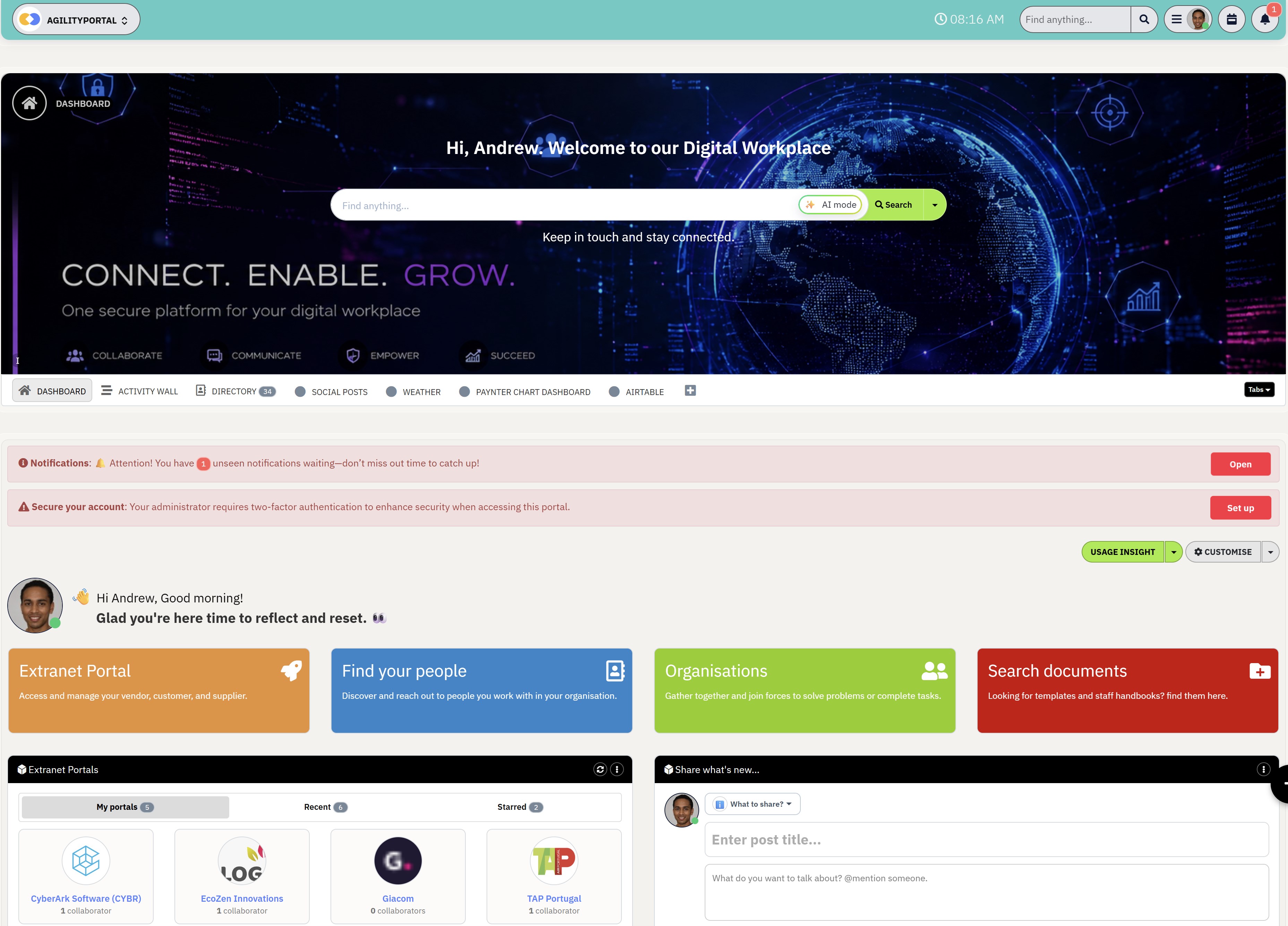
How AgilityPortal Helps Businesses Build Better Partner Relationships
How AgilityPortal Helps Businesses Build Better Partner Relationships
Unlike many partner portal software providers that simply give customers a platform and leave implementation to them, AgilityPortal takes a hands-free approach.
Every deployment includes onboarding support, setup guidance, configuration assistance, and data migration services to help organizations launch faster with less internal effort.
Businesses also benefit from AgilityPortal's unique combination of partner communications, knowledge management, collaboration, training, and governance tools within a single platform.
New customers can take advantage of a free 30-day setup and onboarding program, helping partners become productive quickly while reducing implementation risk.
Centralized communication and announcements
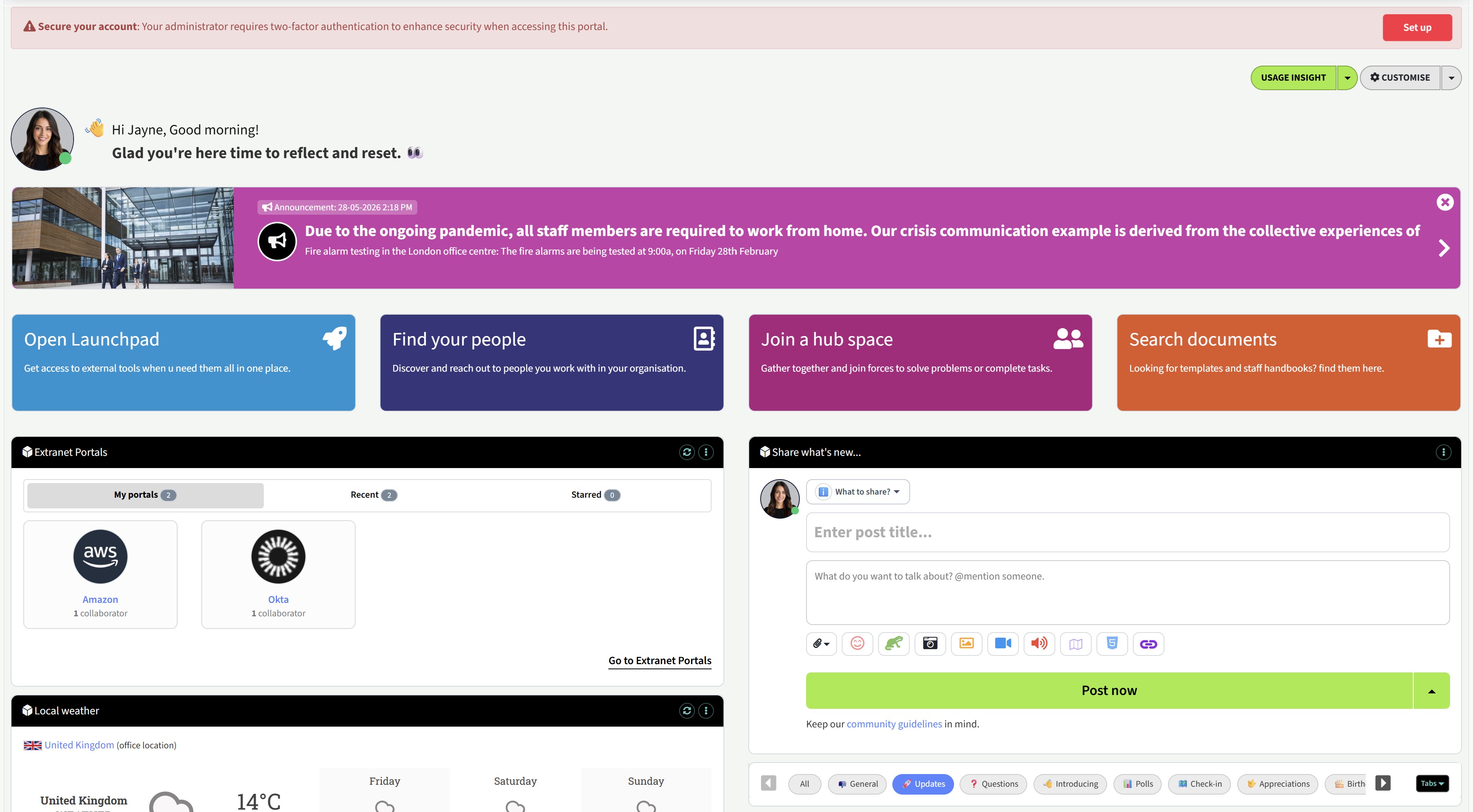
Partner communication often breaks down when updates are spread across email, chat tools, and shared drives.
AgilityPortal provides a centralized partner hub where organizations can publish announcements, product updates, company news, and partner-specific communications through an interactive activity feed.
Key benefits include:
- Real-time partner announcements
- Personalized news feeds
- Targeted audience communications
- Reduced email dependency
This ensures every partner receives timely information and stays aligned with business objectives.
Secure document sharing and knowledge management
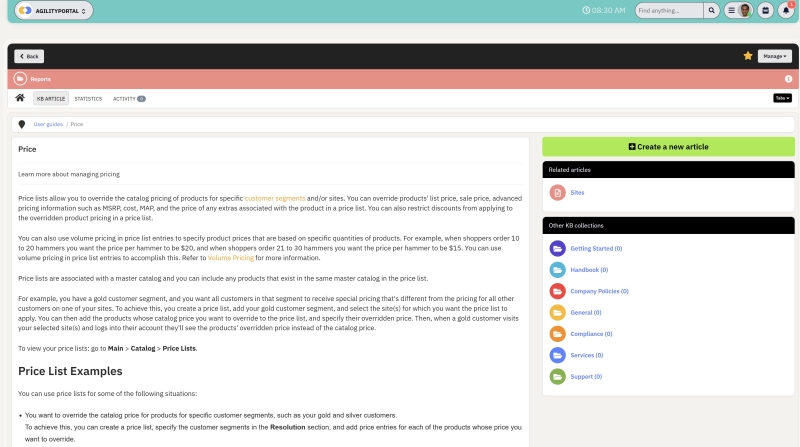
Partners need fast access to contracts, product information, training materials, policies, and marketing assets.
AgilityPortal combines document management with enterprise-grade governance controls to ensure information remains secure and accessible.
Features include:
- Centralized document libraries
- Version control
- Role-based permissions
- Information governance controls
- Secure external access
The result is a single source of truth that reduces confusion and improves knowledge sharing across the entire partner ecosystem.
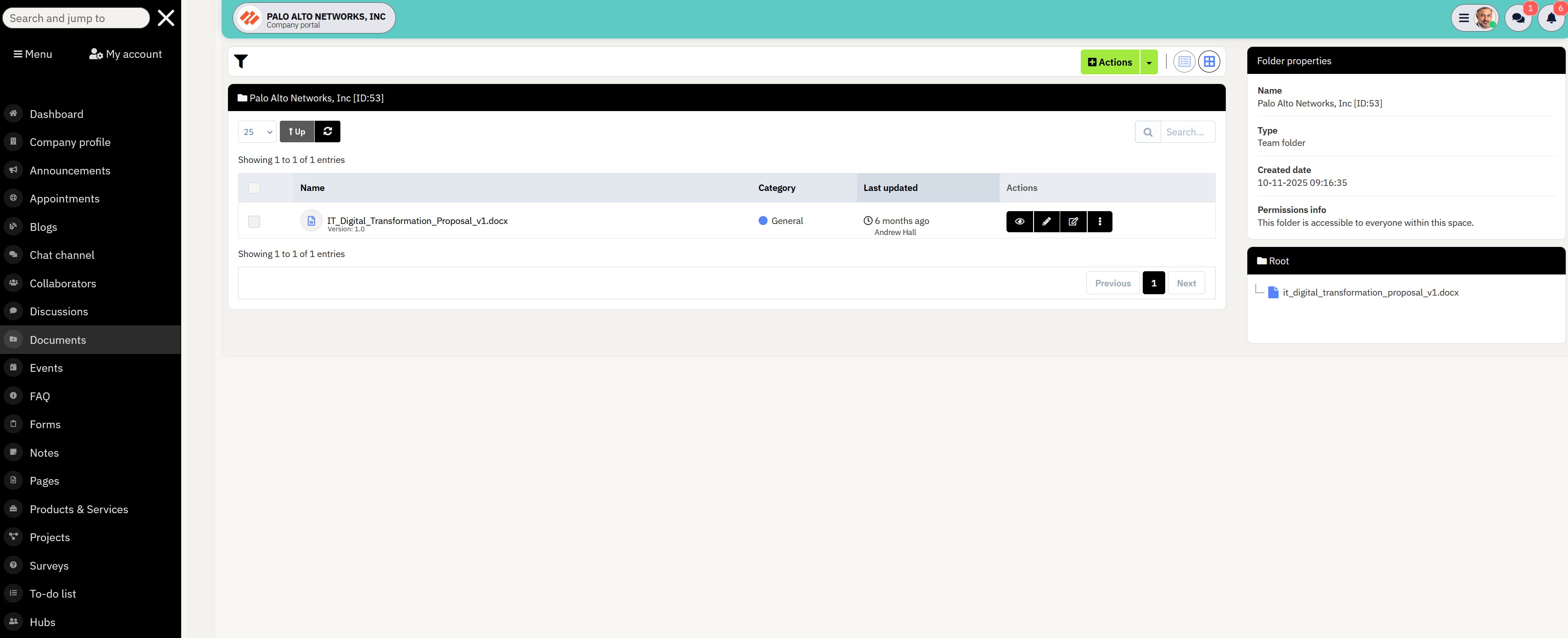
Secure document sharing
Partner onboarding and training

Partner onboarding and training
Successful partnerships begin with effective onboarding.
AgilityPortal helps organizations standardize onboarding journeys using structured learning paths, digital training resources, and automated workflows.
Organizations can provide:
- Partner onboarding programs
- Training and certification content
- Compliance documentation
- Welcome journeys and checklists
Combined with AgilityPortal's onboarding support and deployment assistance, partners can become productive significantly faster while reducing administrative overhead.
Mobile access for distributed partner networks
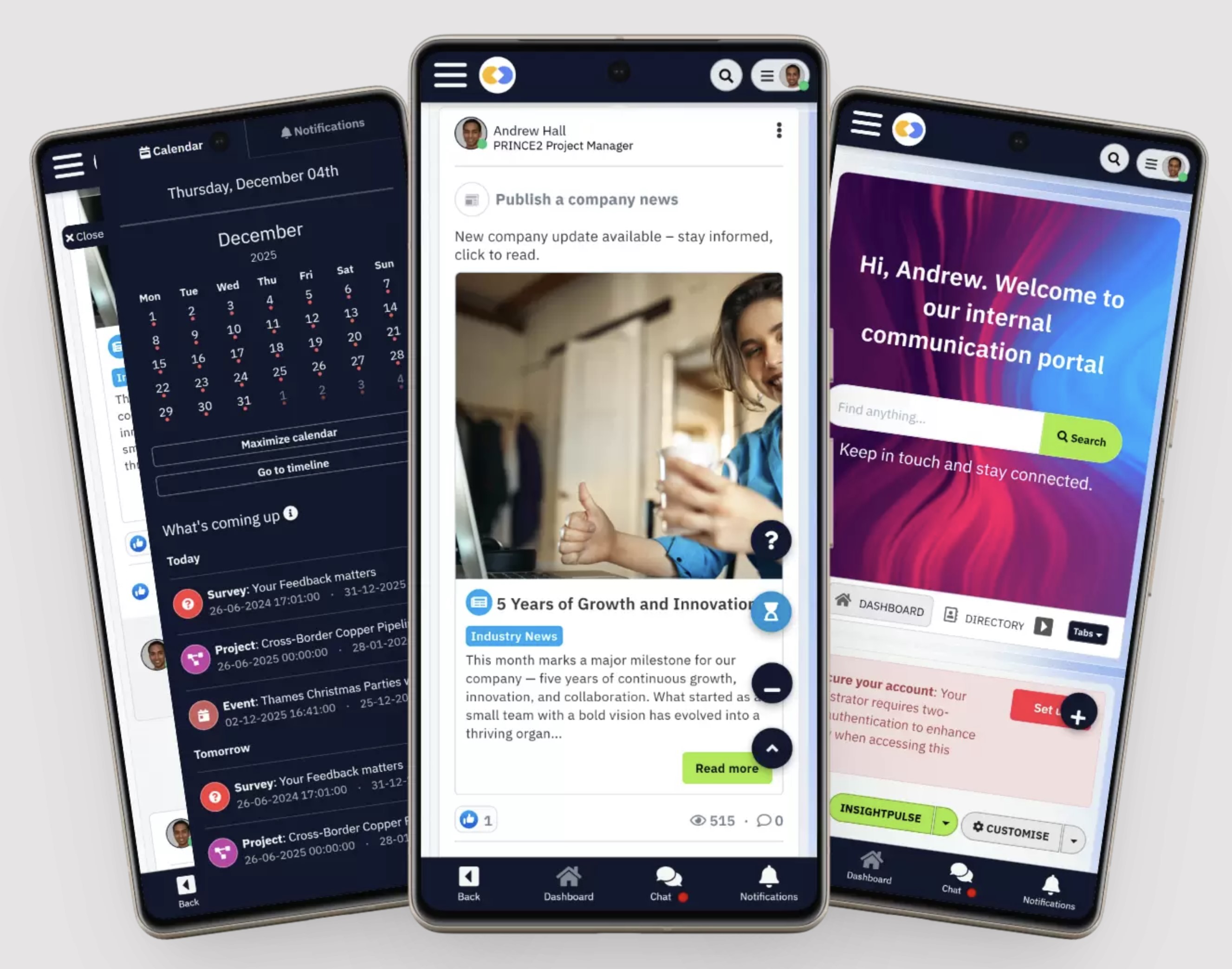
Mobile access for distributed partner networks
Today's partners work from offices, customer locations, home offices, and while travelling.
AgilityPortal provides a fully responsive experience that allows partners to access information from any device.
Mobile capabilities include:
- Secure document access
- Partner notifications
- Activity feeds
- Team collaboration tools
This ensures partners remain connected and informed regardless of location.
Collaboration tools that improve engagement
Strong partner relationships require more than document sharing.
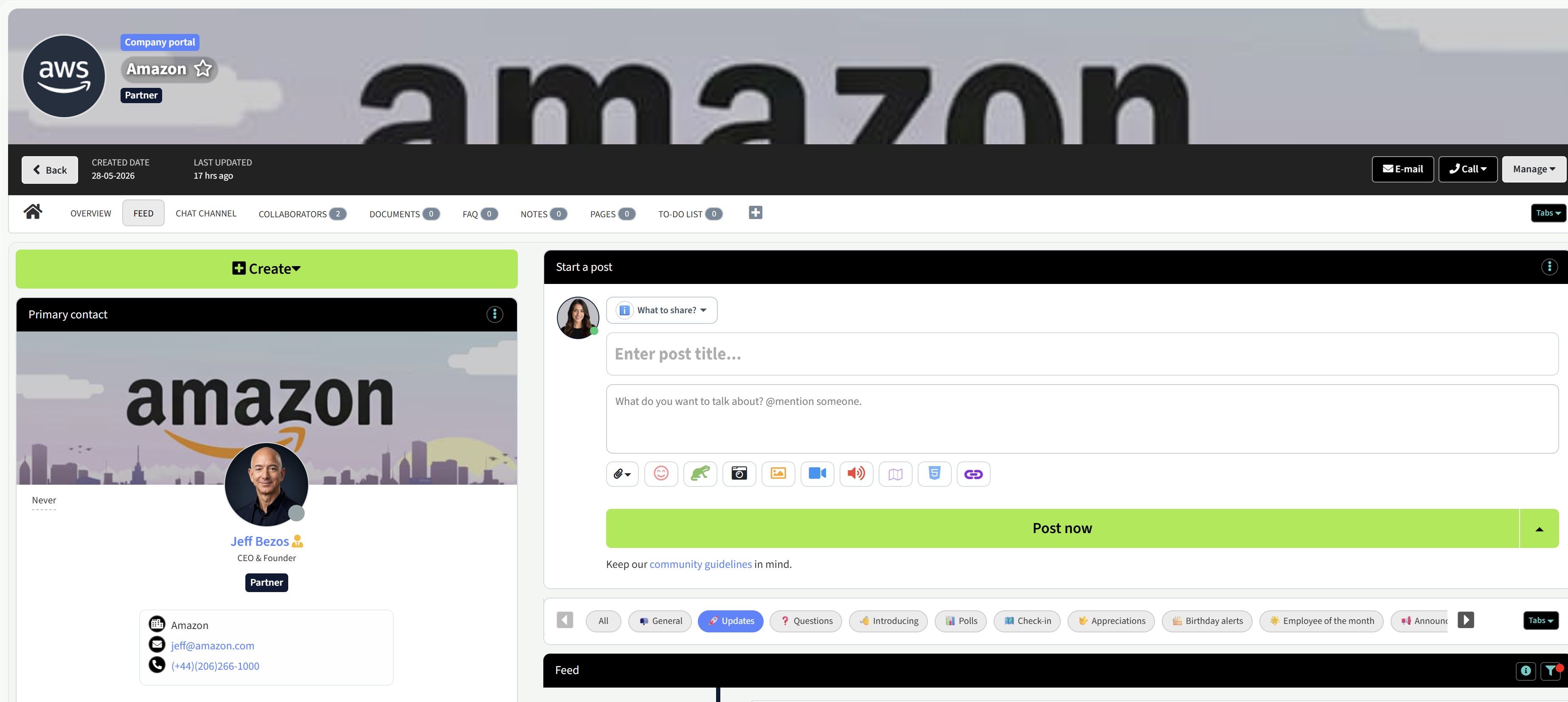
AgilityPortal includes social collaboration tools designed to increase engagement and create stronger business relationships.
Partners can:
- Participate in discussions
- Share knowledge and best practices
- Engage with company updates
- Collaborate with internal teams
- Access community-driven content
By combining communication, collaboration, onboarding, knowledge management, and governance in one platform, AgilityPortal helps businesses build stronger partner programs while simplifying administration and improving long-term partner success.
FAQ on Partner Portals
What is a partner portal used for?
A partner portal is used to help businesses collaborate with resellers, distributors, suppliers, affiliates, franchisees, and strategic partners.
It provides a centralized location for sharing documents, training materials, sales resources, announcements, and business updates.
Rather than relying on emails and spreadsheets, partners can access everything they need through a secure platform, improving efficiency and communication across the partner ecosystem.
What are the benefits of a partner portal?
A partner portal helps businesses improve partner engagement, accelerate onboarding, strengthen collaboration, and reduce administrative workloads.
Organizations often see faster partner activation, better communication, improved knowledge sharing, and stronger partner relationships.
Modern partner relationship management software also provides visibility into partner activity, helping businesses make better decisions and improve overall program performance.
How does a partner portal improve channel sales?
A well-designed portal gives partners immediate access to sales enablement content, product information, pricing resources, and deal registration tools.
This helps partners respond to opportunities faster and sell more effectively.
Many organizations invest in channel partner management software because it creates a more structured sales process, improves partner productivity, and increases revenue generated through indirect sales channels.
What features should a partner portal include?
The best partner portal software should include document management, onboarding workflows, partner communications, knowledge bases, analytics, collaboration tools, training capabilities, and enterprise security controls.
Businesses should also look for Single Sign-On (SSO), role-based permissions, activity feeds, mobile access, and information governance features to support long-term scalability and compliance requirements.
What's the difference between a partner portal and a customer portal?
A partner portal is designed for external business partners who help sell, distribute, implement, or support products and services.
A customer portal is built for end users and customers who need support, account management, or service access.
For example, a partner portal login may provide access to sales resources, certifications, and marketing materials, while a customer portal focuses on support tickets, billing, and account information.
Can small businesses benefit from partner portal software?
Absolutely. Small and mid-sized businesses often benefit the most because they have limited resources to manage partner relationships manually.
While some organizations search for partner portal software free options to get started, growing businesses typically require advanced capabilities such as automation, analytics, governance controls, and integrations.
The best partner management software helps smaller organizations scale partner programs efficiently without significantly increasing administrative overhead.
Does partner portal software include training capabilities?
Most modern platforms include partner portal software training features that help organizations educate and certify partners.
These tools often include learning paths, onboarding programs, certifications, assessments, and progress tracking.
Effective training ensures partners understand products, services, and company processes, helping them become productive much faster.
Are there examples of large companies using partner portals?
Yes. Many global organizations operate sophisticated partner ecosystems supported by dedicated portals.
For example, searches for partner portal Siemens often refer to Siemens' partner resources and digital collaboration environment used to support distributors, technology partners, and service providers.
Companies such as Microsoft, Cisco, Salesforce, and Siemens rely heavily on partner portals to manage large-scale partner networks and improve collaboration worldwide.
Final Thoughts on Partner Portals
A partner portal is no longer a nice-to-have for businesses that rely on distributors, resellers, suppliers, franchisees, affiliates, or strategic partners.
As partner networks grow, managing communications, onboarding, training, documents, and business processes through email and spreadsheets becomes increasingly inefficient and difficult to scale.
Modern partner portal software provides a centralized environment where organizations can share knowledge, strengthen collaboration, streamline partner enablement, and maintain stronger governance over business information.
From secure document management and SSO authentication to activity feeds, onboarding workflows, and training programs, today's platforms help create a better experience for both businesses and their partners.
Organizations that invest in the right partner relationship management software often benefit from faster onboarding, improved partner engagement, stronger adoption of partner programs, and increased channel revenue.
More importantly, they build long-term relationships based on transparency, communication, and shared success.
If your goal is to create a scalable partner ecosystem while reducing administrative overhead, implementing a dedicated partner portal may be one of the most valuable investments your organization can make.
AI Summary
- A partner portal helps businesses centralize communication, resources, training, documents, and collaboration for resellers, distributors, suppliers, affiliates, franchisees, and strategic partners.
- Modern partner portal software improves partner relationship management by giving external partners secure access to company updates, sales materials, knowledge bases, onboarding resources, and support tools.
- Businesses use partner portals to reduce email dependency, remove information silos, improve channel partner management, and create a better partner experience across distributed partner networks.
- The best partner portal platforms often include SSO, role-based permissions, secure document sharing, activity feeds, partner updates, training workflows, analytics dashboards, and information governance controls.
- Partner portals help organizations improve partner onboarding, speed up sales enablement, protect sensitive data, increase engagement, and scale partner programs more effectively.
- Common types of partner portals include channel partner portals, reseller portals, affiliate portals, supplier portals, vendor portals, and franchise partner portals.
- Before choosing partner portal software, businesses should evaluate security, scalability, partner portal login experience, integrations, training capabilities, reporting tools, implementation support, and long-term partner management needs.
Most Popular Posts

Effective communication among team members is vital for the productivity and success of any organization. Surprisingly, 60% of companies lack a long-term internal communication strategy, which p...


Businesses thrive on communication for efficiency, productivity and accomplishment. When the right information is passed from the right designation in the organization, it promotes positivity an...
Categories
Blog
(2960)
Business Management
(370)
Employee Engagement
(222)
Digital Transformation
(191)
Growth
(142)
Intranets
(135)
Remote Work
(63)
Sales
(53)
Collaboration
(47)
Customer Experience
(30)
Culture
(29)
Knowledge Management
(28)
Project management
(28)
Leadership
(20)
Comparisons
(9)
News
(1)

Related Posts

If your business relies on resellers, distributors, affiliates, consultants, or channel partners, one small communication breakdown can quickly turn into missed revenue, frustrated partners, and lost opportunities. That's exactly why more companies a...

As businesses continue evolving through digital transformation, hybrid work, and AI-powered collaboration, the need for a modern knowledge management framework has become more important than ever. According to IDC, employees spend nearly 30% of...

Remote work is the new thing. With more modern companies moving to work from home, and with telecommuting becoming a more common way for people to work remotely, remote workers are growing in numbers. A Gallup study on the state of remote work ...

Frontline employees are usually the people keeping the business running day-to-day, but ironically, they're often the last people to receive important company updates. Whether it's retail staff, healthcare workers, warehouse teams, hospitality ...

Most businesses today already have the tools. That's not really the problem anymore. The real issue is that employees are constantly jumping between disconnected apps just to get basic work done. One minute they're checking Microsoft Teams, the...


Jill Romford
I am a digital nomad, lover of exploring new places and making friends.
I love to travel and I love the internet. I take pictures of my travels and share them on the internet using Instagram.
Traveler, entrepreneur, and community builder. I share my insights on digital marketing and social media while inspiring you to live your fullest life.
Ready to learn more? 👍
One platform to optimize, manage and track all of your teams. Your new digital workplace is a click away. 🚀
Free for 14 days, no credit card required.