Insight Blog
Agility’s perspectives on transforming the employee's experience throughout remote transformation using connected enterprise tools.
43 minutes reading time
(8602 words)
Struggling to Track Employee Data on Spreadsheets? Here's How HR Database Software Fixes It Fast

Struggling to Track Employee Data on Spreadsheets? How HR Database Software Fixes It Fast
Struggling to manage employee records in spreadsheets? Discover how HR database software helps HR teams organize employee data, automate record management, and replace messy spreadsheets with a secure employee database system.
Struggling to Track Employee Data on Spreadsheets? How HR Database Software Fixes It Fast

If you're still managing employee records with spreadsheets, let's be honest—you're probably feeling the pain already.
What starts as a simple Excel sheet with a few employees quickly turns into a maze of tabs, outdated records, duplicate entries, and "Which version is the latest?" confusion.
You're not alone in this struggle.
In fact, research from McKinsey & Company shows that employees spend up to 28% of their workweek searching for information across disconnected systems.
That includes HR teams digging through spreadsheets just to find a contract, update a job title, or confirm an employee's start date. That's hours lost every week doing work that should take seconds.
Here's the uncomfortable truth: spreadsheets were never designed to manage employee data at scale. They lack proper access controls, version tracking, document storage, and audit trails.
As your company grows, the risk grows with it—lost records, outdated employee information, and compliance issues become far more likely.
28%
of the workweek
Research from McKinsey & Company shows that employees can spend up to 28% of their workweek searching for information across disconnected systems such as spreadsheets, emails, shared drives, and multiple workplace tools.
Source: McKinsey Global Institute
And that's exactly where HR database software comes in.
Instead of juggling multiple spreadsheets, folders, and email attachments, modern employee database software gives you a centralized employee database management system where every employee record lives in one secure place.
Think of it as the control center for your HR data—employee profiles, documents, role history, contracts, certifications, and more, all organized and instantly searchable.
The psychological relief here is huge. Imagine opening one dashboard and immediately finding the employee record you need—no hunting through folders, no emailing colleagues asking for the latest file, and no worrying about whether the data is outdated.
In this guide, we're going to break down exactly why spreadsheets fail HR teams, what a modern employee database system actually does, and how the right HR database software can save hours of admin work while keeping employee data accurate, secure, and easy to manage.
Because the reality is simple: once your team moves beyond spreadsheets, you'll wonder how you ever managed HR data without it.
Key Takeaways
- Managing employee records in spreadsheets creates operational risk, security gaps, and growing administrative workload as organizations scale.
- A centralized HR database system helps organizations maintain structured workforce records, improving accuracy, accessibility, and data governance.
- Modern HR platforms allow teams to store employee profiles, contracts, certifications, and compliance documents in one secure environment.
- Strong access controls and document tracking help organizations meet regulatory requirements and reduce legal exposure related to employee data.
- As HR technology evolves, organizations adopting digital workforce management platforms gain better visibility, automation, and long-term scalability.
Why Spreadsheets Fail for Managing Employee Data

Why Spreadsheets Fail for Managing Employee Data
If you've ever tried to manage HR records in spreadsheets, you already know how quickly things get messy.
What starts as a simple way to track employee details can spiral into dozens of files, outdated information, and constant manual updates. At first it feels manageable—but as your company grows, the cracks start to show.
The real issue isn't that spreadsheets are bad tools.
They're just not designed to function as a full employee management database.
HR teams need structured systems that organize records, protect sensitive information, and make employee data easy to search and update.
That's where proper HR database software or an employee database management system makes a huge difference.
Let's look at the biggest reasons spreadsheets often fail HR teams.
Data Gets Scattered Across Multiple Files
One of the biggest frustrations with spreadsheets is how quickly employee information becomes fragmented.
You might have one sheet for employee contact details, another for salaries, another for job roles, and yet another tracking onboarding documents.
Before long, HR teams are juggling multiple files across shared drives and email attachments just to maintain basic records.
This scattered approach makes it hard to answer simple questions like:
- When did this employee start?
- Where is their signed contract?
- Which department do they currently belong to?
With proper employee database software, all of this information lives inside a centralized employee database system, meaning every employee profile contains everything HR needs in one place.
Instead of hunting through files, you simply search the employee's name and access their entire record instantly.
Human Errors Become Common
Spreadsheets rely heavily on manual updates—and that's where mistakes creep in.
A simple typo in an employee ID, an accidental row deletion, or a duplicated record can cause serious confusion.
When multiple people edit the same document, it becomes even harder to maintain clean data.
This is a common problem when HR teams try to scale using spreadsheets instead of a structured employee database management system. Without built-in validation, automated fields, or change tracking, small errors quickly multiply.
Modern HR systems solve this by turning employee records into structured profiles within an employee management database, where updates follow clear workflows and permissions.
That means fewer mistakes, cleaner data, and far less time spent fixing broken spreadsheets.
Security Risks Increase
Employee data is some of the most sensitive information an organization holds.
It includes personal details, salary information, contracts, and sometimes even identification documents.
Yet many companies still store this data in shared spreadsheets or folders that multiple employees can access.
The problem is that spreadsheets provide very limited security.
Anyone with access to the file can often view, copy, or download sensitive HR information. There are usually no detailed permission levels, audit logs, or compliance controls.
A proper personnel database management system solves this by introducing role-based access and structured security policies.
HR teams can control exactly who can view, edit, or download employee information while maintaining a secure and organized employee database system.
And that's exactly why more organizations are replacing spreadsheets with dedicated HR database software—not just to stay organized, but to protect employee data and reduce the risks that come with manual record management.
60%
HR time on admin
Research from Deloitte shows that HR professionals spend nearly 60% of their time on administrative tasks such as maintaining employee records, updating documents, and managing manual HR processes.
Source: Deloitte Human Capital Trends
What Is HR Database Software?
Let's break this down in simple terms.
HR database software is a centralized platform designed to store, organize, and manage employee information digitally. Instead of keeping employee records scattered across spreadsheets, folders, and email attachments, everything lives in one secure system.
Think of it like a digital control center for your HR data.
Every employee has their own profile inside the system where HR teams can quickly access information such as contact details, job roles, employment history, contracts, certifications, and other important documents.
Instead of searching through multiple files or asking colleagues for updates, you can simply open the system and find everything in seconds.
This is where the psychological relief kicks in for many HR teams. Once employee information is organized in a structured employee database system, daily HR tasks become dramatically easier.
Hiring, onboarding, promotions, and compliance tracking all become faster because the data is already organized and searchable.

Another important point is scalability.
As organizations grow, managing employee records manually becomes risky and inefficient.
A proper employee database management system allows companies to maintain accurate records for dozens, hundreds, or even thousands of employees without losing control of their data.
In other words, instead of HR teams constantly reacting to data problems, a structured personnel database management system helps them stay ahead of them.
Key Functions of HR Database Software
- A modern employee database software platform typically includes several core capabilities that help HR teams manage employee records efficiently.
- Secure employee record storage - The system stores employee information in a centralized and secure database, making it easier to manage records without relying on spreadsheets or scattered files.
- Document and compliance management - Contracts, certifications, tax forms, and other HR documents can be stored directly within the employee management database, making compliance tracking much simpler.
- Employee role and department tracking - HR teams can easily track changes in job roles, department assignments, reporting structures, and employment history within the system.
- Access control and data protection - A good employee database management system allows administrators to control who can view, edit, or manage sensitive employee information. This helps protect confidential HR data while ensuring the right people have access when needed.
Many organizations also explore employee database software free tools or trials when they first move away from spreadsheets.
These solutions can help smaller teams start organizing employee records before eventually upgrading to more advanced systems with automation, reporting, and integrations.
At its core, the goal of HR database software is simple:
to give HR teams a reliable way to manage employee data without the chaos, errors, and risks that come with spreadsheets.
Key Features of Modern Employee Database Software
Once organizations move away from spreadsheets, the biggest improvement they notice is structure.
Instead of scattered files and manual updates, modern HR tools create a centralized environment where employee information is organized, secure, and easy to manage.
The real value of a modern employee database management system isn't just storing information—it's making employee data easier to access, protect, and maintain as your workforce grows.
Let's look at the features that make these platforms so powerful.
Centralized Employee Profiles
One of the most useful features is the ability to create a single digital profile for every employee.
Instead of spreading information across multiple spreadsheets, documents, and folders, each employee has a dedicated profile that contains everything related to their employment.
This can include contact details, job titles, department assignments, start dates, documents, certifications, and performance history.
For HR teams, this creates an organized employee database system where every record is structured and easy to navigate.
If you need to check an employee's contract or confirm their role history, you simply open their profile and everything is there in one place.
This eliminates the frustration of searching through files and dramatically reduces the time spent managing employee records.
Role-Based Access and Data Security
Employee information is highly sensitive, which means proper access control is essential.
Modern personnel management platforms include role-based permissions that allow organizations to control exactly who can view or edit different types of employee information.
For example, HR administrators may have full access, while department managers might only see basic employee details for their team.
This level of control protects confidential data while still allowing the right people to access the information they need.
It also creates audit trails that track who made changes and when—something spreadsheets simply cannot provide.
For companies focused on compliance and security, this structured approach to data protection is a major upgrade from traditional record-keeping methods.
Fast Search and Data Retrieval
Another major benefit is the ability to instantly search employee information.
Instead of scrolling through rows in a spreadsheet, HR teams can simply type a name, department, or role into a search bar and find the exact record they need within seconds.
This kind of functionality turns a simple employee list into a powerful employee management database, allowing HR teams to quickly retrieve data when answering questions, preparing reports, or supporting managers.
The time savings alone can be significant—especially for organizations managing large or distributed teams.
Document and Compliance Tracking
Employee records often include a large number of important documents such as contracts, certifications, identification records, training documents, and policy acknowledgments.
Modern HR platforms allow organizations to store these documents directly alongside employee profiles, creating a structured personnel database management system that keeps everything organized and accessible.
This makes compliance tracking much easier.
HR teams can quickly verify whether certifications are up to date, ensure required documentation is stored properly, and maintain accurate records for audits or regulatory requirements.
For growing organizations, having documents and employee information managed together in a structured system removes a huge administrative burden while improving overall record accuracy.
Benefits of Using an Employee Database Management System
When HR teams move away from spreadsheets and start using a structured system to manage employee records, the impact is usually immediate.
Tasks that once took hours suddenly take minutes, and the risk of losing important information drops dramatically.
But the real benefit isn't just organization—it's efficiency, accuracy, and peace of mind.
A well-structured employee database management system helps HR teams work smarter by keeping employee data consistent, secure, and easy to access.
Let's look at the biggest advantages.
Saves Time for HR Teams
One of the biggest frustrations in HR is the amount of time spent searching for information or updating records manually.
Think about how often HR teams have to locate contracts, verify job roles, update employee details, or confirm employment history.
When this information is spread across multiple spreadsheets or folders, even simple tasks can take far longer than they should.
A centralized employee management database solves this problem by storing everything in one place. Instead of digging through files, HR professionals can quickly search and retrieve the information they need.
The time savings can be significant. Research from McKinsey & Company shows that employees spend up to 28% of their workweek searching for information across disconnected systems.
For HR teams, having a structured system dramatically reduces that wasted time.
28%
workweek lost
Research from McKinsey & Company shows that employees spend up to 28% of their workweek searching for information across disconnected systems such as spreadsheets, emails, shared drives, and multiple workplace applications.
Source: McKinsey Global Institute
Reduces Errors in Employee Data
Spreadsheets rely heavily on manual data entry, and that's where problems often begin.
Duplicate entries, incorrect job titles, missing employee records, or accidental deletions can easily happen when multiple people edit the same document.
Over time, these small errors add up and create unreliable employee records.
A structured personnel database management system helps eliminate these issues by organizing employee information in standardized formats.
Each employee record follows a consistent structure, which makes it easier to maintain accurate data across the organization.
This also reduces the time HR teams spend correcting mistakes or verifying outdated information.
Improves HR Compliance
For many organizations, compliance is a major concern.
HR departments must track contracts, certifications, policy acknowledgments, and other documentation to meet regulatory requirements.
Without a proper system, these documents often end up scattered across folders or stored in different locations, making it difficult to track expiration dates or verify compliance.
A centralized employee database system makes it easier to manage these records by storing documents directly within employee profiles.
HR teams can quickly confirm whether required paperwork is in place, track certification deadlines, and maintain organized records for audits.
This level of visibility helps organizations stay compliant while reducing administrative stress.
Better Employee Data Security
Employee records contain highly sensitive information, including personal details, salaries, and legal documents. Storing this information in spreadsheets or shared drives creates unnecessary security risks.
Modern HR platforms provide built-in security features such as role-based permissions, access controls, and activity logs. These controls allow organizations to decide exactly who can view or edit specific employee data.
Instead of leaving sensitive information exposed in shared files, a structured employee database management system protects employee records while still allowing HR teams to work efficiently.
For organizations handling large amounts of employee data, this level of protection is essential—not just for security, but also for maintaining employee trust.
Free vs Paid Employee Database Software
When companies first realize spreadsheets are no longer working, the next step is usually searching online for employee database software free solutions. It makes sense—if you're testing a new way of managing employee records, starting with a free tool feels like the safest option.
For very small teams, free tools can work for a while.
They provide a basic employee database system where you can store employee details, keep track of contacts, and organize simple HR records.
But here's the reality many HR leaders discover quickly: once your workforce grows, those free tools start showing their limits.
Features like role-based permissions, compliance tracking, reporting, integrations with payroll tools, and document management are often missing. That's where more advanced employee database software platforms come in.
Paid solutions typically provide a complete employee database management system designed to handle real HR workloads—secure records, structured employee profiles, reporting dashboards, and integrations with other business systems.
Before choosing between free and paid solutions, it helps to understand the real differences.
Free vs Paid Employee Record Systems (Comparison Table)
| Feature | Free Employee Database Tools | Paid Employee Database Platforms |
| Cost | Free or limited free tier | Monthly or annual subscription |
| Security Controls | Basic access protection | Advanced permissions, role-based access, audit logs |
| Employee Record Storage | Basic employee data fields | Complete employee profiles with documents and history |
| Automation | Mostly manual updates | Automated workflows, onboarding, reminders |
| Integrations | Limited or none | Integrates with payroll, HR tools, and productivity systems |
| Scalability | Works for very small teams | Designed for growing companies and large teams |
When Free Tools Make Sense
Free employee record tools can work well for:
- Startups with only a few employees
- Businesses testing digital HR tools for the first time
- Teams that only need basic employee contact tracking
In these situations, a simple employee management database may be enough to get started.
However, as your team grows, HR tasks become more complex. Tracking contracts, managing compliance documents, and controlling who can access employee data becomes much more important.
When Paid HR Systems Become Necessary
Once a company reaches 20, 50, or even 100 employees, relying on basic tools can start creating serious operational challenges.
This is when organizations usually transition to a more robust personnel database management system. These platforms provide structured employee records, advanced security, and automation tools that help HR teams manage employee information efficiently.
Research from Deloitte shows that organizations adopting modern HR technologies can significantly reduce administrative workload while improving workforce visibility and compliance tracking.
And that's the key difference.
Free tools help you store employee information.
A professional system helps you manage your workforce properly.
If your HR team is already spending hours maintaining spreadsheets or basic record systems, upgrading to a structured employee database system can dramatically reduce manual work while keeping employee data accurate and secure.
6 Free Employee Database Software Comparison
| Software | Best For | Free Plan | Key Features | Limitations |
| Bitrix24 | Small businesses needing HR + collaboration | Yes | Employee directory, document storage, time tracking, HR records | Interface can feel complex for new users |
| Zoho People | Small teams wanting a basic HR system | Yes (limited) | Employee profiles, attendance tracking, leave management | Free version limited to small teams |
| OrangeHRM | Organizations wanting open-source HR software | Yes (open source) | Employee records, leave tracking, reporting, HR management modules | Requires self-hosting and setup |
| Sentrifugo | Companies wanting a free open-source HR system | Yes | Employee information management, performance reviews, leave management | Setup and maintenance required |
| Airtable | Teams wanting a flexible employee database | Yes | Custom employee databases, attachments, collaboration tools | Not HR-specific out of the box |
| Notion | Teams building a simple employee database internally | Yes | Custom employee directories, documentation, collaboration | Requires manual setup for HR workflows |
Free systems help you store employee data, but they rarely help you manage HR operations at scale.
As organizations grow, they usually need:
- role-based security controls
- compliance tracking
- reporting dashboards
- automated workflows
- integrations with payroll and productivity tools
That's why many companies eventually move from free tools to more robust employee database management systems designed for growing teams.
6 Paid Employee Database Software Comparison
| Software | Best For | Key Features | Pricing Model | Notable Strength |
| AgilityPortal | Companies wanting an all-in-one digital workplace with employee records | Employee profiles, document library, internal communications, analytics dashboards, collaboration tools | Subscription | Combines employee record management with communication and engagement tools |
| Rippling | Businesses that want HR, IT, and payroll in one system | Employee lifecycle management, payroll, device management, automation workflows | Per employee pricing | Strong automation across HR and IT processes |
| BambooHR | Small to mid-sized companies needing an HR system | Employee records, onboarding, time-off tracking, performance management | Per employee subscription | Known for simple HR workflows and clean interface |
| UKG Pro | Large organizations managing complex workforce data | Workforce management, payroll, HR analytics, compliance tracking | Enterprise pricing | Strong enterprise HR and workforce management features |
| Workday | Large enterprises with advanced HR needs | Workforce planning, employee data management, analytics, finance integrations | Enterprise subscription | Powerful reporting and enterprise workforce insights |
| Gusto | Small businesses combining payroll and HR | Employee records, payroll, benefits administration, onboarding | Monthly + per employee | Strong payroll and benefits management |
Why Companies Choose Paid Workforce Platforms
As organizations grow, the complexity of managing employee information increases quickly.
Companies often move to paid systems because they provide:
- Structured employee records within a centralized employee database system
- Role-based security controls to protect sensitive HR data
- Automation for onboarding, document tracking, and approvals
- Reporting dashboards that give leadership visibility into workforce data
- Integrations with payroll, communication tools, and productivity platforms
Research from Deloitte shows that organizations adopting modern HR technology platforms improve operational efficiency while giving HR teams better insight into workforce performance.
The key takeaway is simple: while free tools can store employee information, paid platforms help organizations manage and scale their workforce data properly through a structured personnel database management system designed for real business operations.
What to Look for in the Best Employee Database Software
Choosing the right system to manage staff records isn't just about replacing spreadsheets—it's about making sure your HR team has tools that actually make their day easier.
When the right platform is in place, everyday tasks like finding documents, updating job roles, or preparing compliance reports become far faster.
Many companies rush into adopting HR tools and later discover the system doesn't scale well, lacks proper security, or creates more administrative work than it solves.
That's why it's worth taking the time to understand what features really matter before making a decision.
Think of this platform as the central hub for managing workforce information. If it's designed well, it can save HR teams hundreds of hours each year and dramatically improve how employee data is organized.
Let's walk through the capabilities that truly make a difference.
It Must Support Strong Workforce Data Security
Employee records contain highly sensitive information. This includes personal details, salary data, contracts, and identification documents. If this information is not properly protected, it can easily be exposed or accessed by the wrong people.
A reliable workforce platform should protect this data with strong security controls.
Key protections to look for include:
- Encrypted data storage to keep employee information protected
- Role-based access permissions so only authorized users can view certain data
- Activity logs and audit trails to track who accessed or modified records
- Secure document storage for contracts and HR documentation
These security features are also essential for regulatory compliance. Many industries require organizations to demonstrate responsible handling of employee information.
Make Sure Its Easy and Fast Workforce Information Search
One of the biggest frustrations HR teams face is simply finding information when they need it.
When employee records are stored across spreadsheets, shared drives, and email attachments, even simple questions can take time to answer.
A well-designed HR platform solves this problem by organizing staff profiles in a structured directory.
With the right system, HR teams can quickly search workforce data using filters such as:
- Employee name
- Department or team
- Job title or role
- Office location
- Reporting manager
Instead of digging through files, HR professionals can find information instantly. This allows them to focus on more valuable work such as workforce planning and employee development.
Integrations With Business Systems
Modern HR teams rely on multiple tools to manage operations. Payroll platforms, collaboration tools, training systems, and scheduling software are often part of the ecosystem.
Without integrations, HR teams end up entering the same data multiple times across different systems.
A connected workforce platform helps eliminate this problem.
Strong integrations allow organizations to:
- Sync employee information with payroll tools
- Connect with collaboration platforms for employee directories
- Link onboarding workflows to internal systems
- Keep workforce data consistent across platforms
This reduces manual work and keeps information accurate across the entire organization.
Centralized Document Management
Employee records often include many different documents beyond basic personal information.
HR departments typically manage:
- Employment contracts
- Policy acknowledgments
- Compliance documents
- Training certifications
- Onboarding paperwork
A modern HR platform allows organizations to store these files directly within each employee profile.
This means HR teams no longer need to search through email attachments or multiple folders to locate important documents. Everything connected to an employee's history is stored in one organized location.
Flexible Access Permissions
Not every employee should have access to the same workforce information.
HR administrators may need full visibility, while managers only need access to basic details for their teams.
Flexible permission settings allow organizations to control who can view or edit specific information.
Typical permission levels may include:
- HR administrators with full access
- Department managers with limited team access
- Employees who can view their own information
- Executives with reporting and analytics access
This structure protects sensitive information while still giving leaders the data they need to support their teams.
The right workforce platform does more than store employee information. It helps HR teams operate more efficiently and with greater confidence.
When employee records are organized, protected, and easy to search, HR teams spend less time fixing data problems and more time focusing on people and strategy.
Instead of managing scattered files, organizations gain a reliable system that supports smarter workforce decisions.
How HR Database Software Replaces Spreadsheet Chaos
If your HR team is still relying on spreadsheets to track employee information, you already know how quickly things can spiral out of control.
What starts as a simple tracking sheet often turns into dozens of files, multiple versions, and constant manual updates.
The bigger the organization becomes, the harder it is to maintain accurate records. Information gets duplicated, outdated files remain in circulation, and HR teams end up spending valuable time fixing data issues instead of focusing on people and strategy.
Modern workforce platforms solve this problem by creating a centralized HR data repository where all workforce information is structured, searchable, and secure.
Instead of scattered spreadsheets, organizations move to a digital HR record system that organizes workforce data across the entire employee lifecycle.
A Single Source of Truth for Workforce Data
One of the biggest benefits of moving away from spreadsheets is establishing a single source of truth for employee information.
Rather than storing employee records across multiple documents and shared drives, everything is maintained within a centralized workforce system.
This means HR teams can easily manage:
- Employee personal details and contact information
- Job titles, departments, and reporting structures
- Employment contracts and policy acknowledgements
- Training certifications and compliance documents
Having a single, structured workforce repository eliminates the confusion caused by duplicate records and outdated spreadsheets.
Automated HR Processes
Manual data entry is one of the biggest causes of HR inefficiency.
Every time an employee is hired, promoted, or changes departments, HR teams often have to update multiple spreadsheets and documents. This repetitive work increases the risk of mistakes and inconsistent records.
Modern HR platforms introduce workflow automation that helps streamline many routine HR processes.
Examples include:
- Automated onboarding workflows for new hires
- Document uploads linked directly to employee profiles
- Alerts for expiring certifications or compliance documents
- Automated updates when employee roles change
These capabilities significantly reduce administrative work and improve data accuracy across the organization.
Secure Workforce Data Access
Spreadsheets typically offer very limited security controls.
Anyone with access to the file can often view or modify employee information.
Modern HR systems introduce structured access controls designed specifically for workforce data governance.
This allows organizations to define different access levels such as:
- HR administrators with full system access
- Managers with visibility into their teams
- Employees who can update their own profiles
- Executives who need workforce reporting insights
By implementing structured access policies, organizations can protect sensitive employee data while still enabling collaboration across departments.
Workforce Lifecycle Visibility
Another advantage of moving away from spreadsheets is the ability to track workforce information across the full employee lifecycle.
From recruitment and onboarding through to development and offboarding, modern HR systems provide clear visibility into how employees move through the organization.
This helps HR teams manage:
- Hiring and onboarding documentation
- Internal promotions and job changes
- Performance reviews and training history
- Exit processes and record retention
Having this structured lifecycle view allows HR leaders to maintain accurate records while supporting long-term workforce planning.
When HR teams move away from spreadsheets and adopt modern workforce platforms, the change is often dramatic.
Instead of spending hours managing files and fixing data inconsistencies, HR professionals gain a reliable system that keeps workforce information organized automatically.
The result is simple:
- Fewer administrative tasks
- Better data accuracy
- Stronger workforce visibility
- More time to focus on employee engagement and organizational growth
And that's ultimately the goal—transforming HR from a department buried in spreadsheets into a strategic function powered by reliable workforce data.
Who Needs HR Database Software the Most?
Not every organization immediately feels the pressure of managing employee records.
When a company is small, spreadsheets can seem like an easy and practical solution.
But as the business grows, those simple spreadsheets quickly become difficult to manage. Multiple versions appear, information becomes outdated, and HR teams spend more time fixing data than actually supporting employees.
This is why many companies eventually move toward structured HR systems that centralize workforce information.
According to Gartner, more than 70% of HR leaders are prioritizing digital HR transformation to improve workforce visibility and operational efficiency.
Growing companies benefit the most from modern workforce platforms. Startups and scaling businesses often begin by tracking employee data in spreadsheets, but once hiring accelerates, maintaining those records becomes challenging.
A structured HR platform creates a single source of truth where employee information, job roles, and important documents are stored in one place. This makes it easier for HR teams to access accurate information quickly and maintain organized workforce records.
HR departments managing large numbers of employees also see major improvements when they adopt modern systems.
Instead of juggling multiple files, HR teams can maintain structured employee profiles that store contracts, role history, certifications, and compliance documents.
This reduces the administrative workload while improving data accuracy across the organization.
Organizations operating in regulated industries benefit as well. Sectors such as healthcare, finance, and education often need clear documentation of employment records for compliance and auditing purposes. Structured HR systems make it easier to maintain secure documentation and maintain proper audit trails.
Workplace trends are also accelerating the shift toward modern HR technology.
AI-powered workforce analytics are giving leaders better insight into employee performance and engagement, while hybrid work environments require centralized systems that allow secure access to employee information from anywhere. According to PwC, companies investing in modern HR technologies are improving workforce visibility while reducing administrative overhead.
Ultimately, organizations that move beyond spreadsheets gain a much clearer and more reliable way to manage employee data.
Instead of dealing with scattered files and outdated records, HR teams gain structured systems that improve data accuracy, strengthen security, and allow them to focus more on supporting employees and business growth.
Common Mistakes to Avoid When Managing Employee Records
Managing workforce information might seem straightforward at first, but many organizations fall into the same traps when trying to organize employee records.
These mistakes often start small, but over time they create confusion, security risks, and unnecessary administrative work for HR teams.
More importantly, poor record management can also create serious legal exposure.
Regulations around employee data, payroll records, and privacy are becoming stricter every year.
When records are incomplete, insecure, or poorly maintained, companies may struggle to defend themselves during audits, disputes, or compliance reviews.
Understanding these common issues can help you avoid problems before they slow down your HR operations—or create legal complications.
Relying Too Heavily on Spreadsheets
One of the most common mistakes companies make is continuing to rely on spreadsheets long after their workforce has grown.
While spreadsheets may work for a small team, they quickly become difficult to maintain as employee data increases.
Multiple versions of files appear, updates get missed, and different departments may end up using outdated records. This creates a situation where HR teams spend more time fixing data problems than managing people.
Beyond operational issues, this can also create legal risks.
If employee records such as contracts, disciplinary actions, or pay changes are stored inconsistently, it becomes harder to prove what information existed at a specific time.
During disputes involving termination, discrimination claims, or wage issues, incomplete or inconsistent records can weaken an organization's legal position.
Storing Employee Documents in Multiple Locations
Another frequent mistake is storing HR documents across different folders, email attachments, and shared drives.
Important files like employment contracts, compliance certificates, or policy acknowledgements often end up scattered across systems. When HR teams need to find a document quickly, they are forced to search through multiple locations.
This becomes a serious problem during audits or legal reviews.
For example, if a company cannot quickly produce signed agreements or policy acknowledgments, it may struggle to demonstrate compliance with workplace regulations.
Centralizing workforce documents within employee profiles makes it far easier to retrieve important records and maintain proper documentation.
Poor Access Control for Sensitive Data
Employee information contains highly sensitive data, including salary details, personal contact information, identification records, and legal documentation.
Yet many organizations still allow broad access to shared HR files.
Without clear access controls, confidential information can easily be viewed or modified by unauthorized users.
This creates both security and regulatory risks, particularly under privacy laws such as General Data Protection Regulation in Europe and similar data protection regulations worldwide.
If employee data is exposed due to poor access control, organizations may face regulatory penalties, lawsuits, and reputational damage.
A structured HR system helps prevent this by introducing role-based permissions and detailed access tracking.
Failing to Keep Records Updated
Employee records are constantly changing. Promotions, department transfers, salary adjustments, training certifications, and updated personal information all need to be tracked accurately.
When updates rely on manual processes, it becomes easy for records to fall out of date. Outdated workforce data can lead to reporting errors and operational confusion.
From a legal standpoint, inaccurate records can also cause problems during disputes related to employment terms, benefits, or performance history. If HR documentation cannot demonstrate accurate timelines of employment events, it may weaken the company's ability to respond to legal challenges.
Maintaining a structured system where updates are easy to track helps keep employee records accurate and defensible.
Ignoring Compliance and Audit Requirements
Many organizations only think about compliance when an audit or legal issue arises. By that point, it may already be difficult to prove that proper documentation was maintained.
Industries such as healthcare, finance, and education often require companies to retain specific employment records for defined periods of time. Failing to maintain these records properly can lead to penalties or regulatory scrutiny.
A structured workforce record system helps organizations maintain clear documentation and audit trails. This makes it much easier to demonstrate compliance during inspections, legal disputes, or regulatory reviews.
Most HR data problems aren't caused by complex technology issues—they're caused by outdated processes.
Poor record management doesn't just slow down HR operations; it can also expose organizations to legal risks, compliance failures, and regulatory penalties.
By avoiding these common mistakes and organizing employee records within a structured system, organizations can dramatically improve data accuracy, strengthen data protection, and maintain the documentation needed to support both operational and legal requirements.
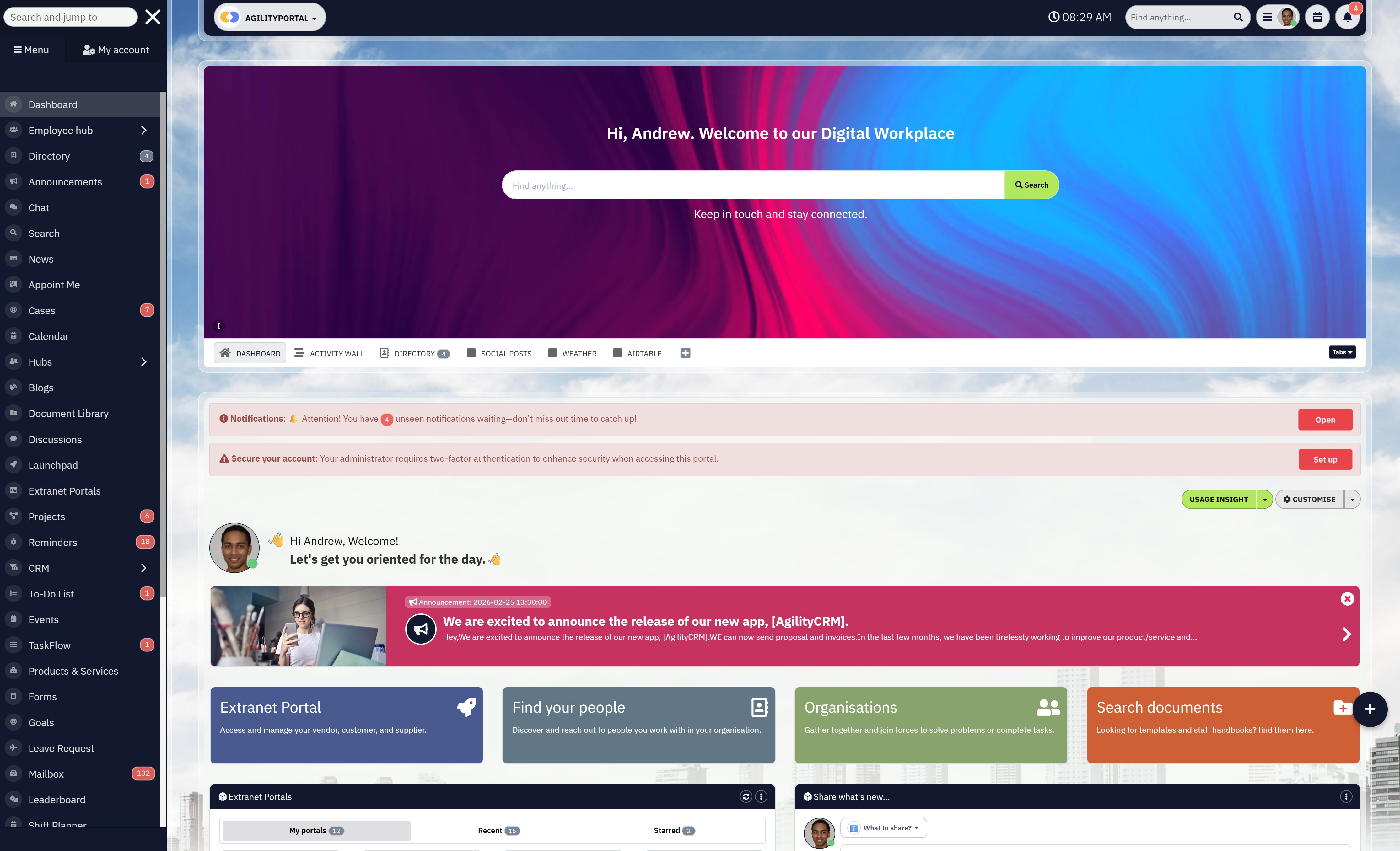
Looking For a Employee Database Software? Start Managing Your Staff Data Today With the Best all-in-one HR database for small businesses
Looking For a Employee Database Software? Start Managing Your Staff Data Today With the Best all-in-one HR database for small businesses
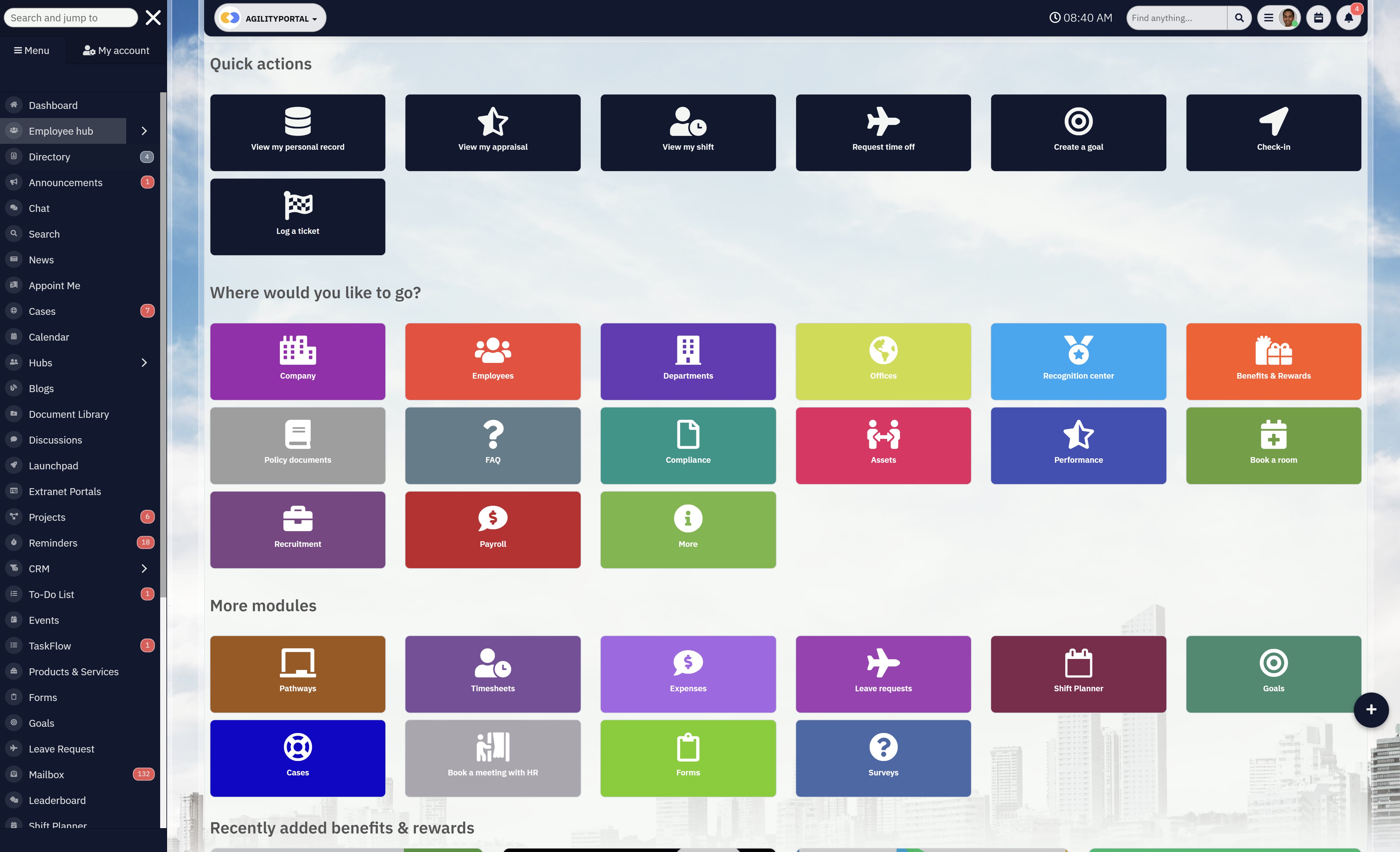
AgilityPortal goes far beyond simple data storage. While it securely centralizes employee records, it also provides a full suite of tools designed to streamline HR operations and improve employee engagement across your organization.
From onboarding and performance management to leave tracking, internal communication, and employee feedback, AgilityPortal brings essential HR workflows into one connected digital workspace.
AgilityPortal helps ensure your organization collects and maintains the employee information required for compliance, reducing the risk of missing critical documentation and giving HR teams greater confidence in their data management.
The platform also supports a self-service employee experience, allowing team members to securely upload and manage their own personal details, documents, and profile information. HR teams simply invite employees to the platform and the system handles the rest—dramatically reducing onboarding administration.
This streamlined process helps organizations save hours of manual HR work, allowing HR teams to focus on people, culture, and strategic initiatives rather than paperwork.
Security and privacy are also core to the platform. AgilityPortal is designed with strong data protection practices to safeguard sensitive employee information and maintain compliance with global privacy standards.
Key advantages include:
- A centralized and secure location for employee records, eliminating the risks associated with shared drives and spreadsheets
- Flexible role-based permissions, ensuring only authorized personnel can access sensitive information
- Secure employee record archiving, allowing organizations to retain historical employee data after offboarding while maintaining compliance and audit readiness
With AgilityPortal, businesses gain a modern HR data management solution that combines employee records, communication, collaboration, and engagement tools into one unified platform, helping organizations manage their workforce more efficiently and securely.
Key benefits include:
- A secure, centralized location for all employee records, eliminating the risks associated with scattered spreadsheets or shared drives
- Role-based access controls that ensure only the right people can view or manage sensitive employee data
- Secure archiving of employee records, allowing organizations to retain important historical information when employees leave while remaining compliant and audit-ready
With AgilityPortal, businesses gain a modern platform that unifies employee records, communication, collaboration, and engagement tools in one system—helping HR teams manage their workforce more efficiently while creating a more connected and productive workplace.
Security and privacy are also core to the platform. AgilityPortal is designed with strong data protection practices to safeguard sensitive employee information and maintain compliance with global privacy standards.
Key advantages include:
- A centralized and secure location for employee records, eliminating the risks associated with shared drives and spreadsheets
- Flexible role-based permissions, ensuring only authorized personnel can access sensitive information
- Secure employee record archiving, allowing organizations to retain historical employee data after offboarding while maintaining compliance and audit readiness
With AgilityPortal, businesses gain a modern HR data management solution that combines employee records, communication, collaboration, and engagement tools into one unified platform, helping organizations manage their workforce more efficiently and securely.
Key benefits include:
- A secure, centralized location for all employee records, eliminating the risks associated with scattered spreadsheets or shared drives
- Role-based access controls that ensure only the right people can view or manage sensitive employee data
- Secure archiving of employee records, allowing organizations to retain important historical information when employees leave while remaining compliant and audit-ready
With AgilityPortal, businesses gain a modern platform that unifies employee records, communication, collaboration, and engagement tools in one system—helping HR teams manage their workforce more efficiently while creating a more connected and productive workplace.
AgilityPortal
HR Software & Employee Engagement Platform for Modern Teams
AgilityPortal is a modern HR software and employee management platform designed to help organizations manage employee records, onboarding, communication, and engagement from one secure digital workspace. It combines HR data management, collaboration tools, and internal communication features to support hybrid, remote, and deskless teams.
Final Thoughts
Spreadsheets might work when your company has only a few employees, but they quickly become unmanageable as your organization grows.
Modern HR database software gives HR teams a smarter way to manage employee records, reduce errors, and protect sensitive information.
Instead of chasing down data across multiple files, HR professionals can rely on a structured employee database management system that keeps everything organized in one place.
Frequently Asked Questions (FAQs)
Can I download employee database software for free?
Yes, there are several tools that offer employee database software free download options, especially for small teams or startups.
Some platforms provide free tiers, while others offer open-source solutions that can be downloaded and installed on your own server. These tools typically include basic employee record tracking, contact details, and document storage.
However, as organizations grow, many eventually move to more advanced platforms that offer automation, reporting, and stronger security features.
Is it possible to build an HR database in Excel?
Yes, many organizations start with an HR database in Excel because it's simple and easy to create.
An Excel spreadsheet can store employee information such as names, job titles, departments, and start dates. Some companies even use sample employee database in Excel templates to get started quickly.
However, Excel databases can become difficult to manage as employee numbers grow.
Version conflicts, manual updates, and limited security controls often lead organizations to move toward more structured workforce management platforms.
Where can I find an HR database Excel template?
You can find an employee database template or HR database Excel free download online through HR resource websites and productivity platforms.
These templates usually include pre-built columns for employee information such as ID numbers, contact details, department assignments, and hire dates.
While templates help teams organize data quickly, they are best suited for small teams that only need basic record tracking.
What does a human resource database typically include?
A typical human resource database example includes several key categories of employee information.
These usually include:
- Employee personal details and contact information
- Job titles, departments, and reporting managers
- Employment start dates and contract details
- Compensation and payroll-related information
- Training records and certifications
Modern HR systems expand on this by including document management, onboarding workflows, and workforce analytics.
Are there free employee database management systems available?
Yes, there are several free employee database management software tools available online.
Some are cloud-based platforms with limited features, while others are open-source systems that organizations can host themselves.
These solutions allow businesses to track employee records and manage workforce data without an upfront cost.
However, free versions often come with limitations such as restricted features, limited integrations, or smaller user limits.
What is an employee database management system?
An employee database management system is a structured platform used to store and manage workforce information in one centralized location.
Instead of keeping employee records across spreadsheets or documents, organizations use a dedicated system that organizes employee profiles, documents, and employment history.
These platforms help HR teams maintain accurate records while improving security and accessibility across the organization.
What is the best HR database software for growing companies?
The best HR database software for a company depends on its size and operational needs.
Small businesses often prioritize simplicity and affordability, while larger organizations may need advanced features such as workforce analytics, integrations with payroll systems, and automated onboarding workflows.
When evaluating systems, companies typically look for solutions that improve organization, protect employee data, and scale with workforce growth.
Are there examples of employee management systems used in organizations?
Yes, many organizations use structured employee management system examples that combine workforce records, document storage, and reporting tools.
These systems allow HR teams to manage employee information across the entire employment lifecycle—from hiring and onboarding to development and offboarding.
In sectors such as healthcare or public services, structured workforce record systems are particularly important for maintaining compliance and accurate documentation.
Can Excel be used as an employee database management system?
Excel can function as a basic employee database management system in Excel for very small teams.
It allows HR teams to create simple employee directories and track basic information.
However, Excel lacks advanced features like role-based permissions, automated workflows, and secure document storage.
For growing companies, a dedicated workforce management platform usually provides a more reliable long-term solution.
What should organizations look for in the best employee database management system?
When choosing the best employee database management system, organizations typically look for:
- Secure storage for employee information
- Easy search and reporting capabilities
- Document management for contracts and certifications
- Access controls to protect sensitive data
- Integration with payroll and other HR tools
The goal is to create a centralized environment where employee records are organized, secure, and easy for HR teams to manage.
AI Summary
- HR database software helps organizations replace spreadsheets with a centralized system that securely stores employee records, documents, and workforce data in one structured platform.
- Managing employee information across spreadsheets and disconnected tools often leads to data errors, lost documents, and compliance risks that slow down HR operations.
- A modern employee record system allows HR teams to organize workforce profiles, track job roles, manage contracts, and maintain accurate employment history.
- Strong access controls and document tracking help organizations protect sensitive employee data while meeting regulatory and compliance requirements.
- Automation features such as onboarding workflows, document storage, and searchable employee profiles reduce administrative workload for HR departments.
- Organizations adopting modern HR systems gain better workforce visibility, improved data accuracy, and scalable infrastructure for managing employee information as teams grow.
Most Popular Posts

Effective communication among team members is vital for the productivity and success of any organization. Surprisingly, 60% of companies lack a long-term internal communication strategy, which p...


Businesses thrive on communication for efficiency, productivity and accomplishment. When the right information is passed from the right designation in the organization, it promotes positivity an...

Categories
Blog
(3234)
Business Management
(396)
Employee Engagement
(235)
Digital Transformation
(222)
Growth
(151)
Intranets
(142)
Internal communications
(110)
Remote Work
(68)
Sales
(53)
Collaboration
(53)
Customer Experience
(33)
Culture
(30)
Project management
(30)
Knowledge Management
(29)
Leadership
(20)
Comparisons
(9)
News
(1)

Related Posts

Why does your internet connection seem fast until everyone joins a video call or starts uploading files? Understanding the factors to consider when choosing an internet service provider can help you avoid a package that looks good on paper but ...

Is your vendor invoice management process keeping client projects moving, or leaving your team chasing approvals and questioning what's ready to pay? When several suppliers work on the same project, small gaps can quickly become expensive problems.&n...

What is virtual office software, and could it help your remote team feel more connected? Working from home has its perks, but having plenty of calls and messages doesn't always mean feeling part of a team. Gallup's 2026 State of the Global Work...

In today's competitive talent landscape, learning and development (L&D) has become a non-negotiable priority for enterprises. Organizations that invest in employee growth not only boost engagement and retention but also build agile, future-ready ...

Employee engagement is increasingly crucial in the fast-paced work world of today. Remote work is becoming the norm, hence companies have to use creative ideas to keep good morale and promote a friendly workplace. Feedback, sentiment analysis, ...


Jill Romford
I am a digital nomad, lover of exploring new places and making friends.
I love to travel and I love the internet. I take pictures of my travels and share them on the internet using Instagram.
Traveler, entrepreneur, and community builder. I share my insights on digital marketing and social media while inspiring you to live your fullest life.
Ready to learn more? 👍
One platform to optimize, manage and track all of your teams. Your new digital workplace is a click away. 🚀
Free for 14 days, no credit card required.