Insight Blog
Agility’s perspectives on transforming the employee's experience throughout remote transformation using connected enterprise tools.
17 minutes reading time
(3431 words)
Corporate Digital Wellness Programs for Employees: A Comprehensive Guide for 2026

Corporate Digital Wellness Programs for Employees: A Comprehensive Guide for 2026
Discover how corporate digital wellness programs improve employee wellbeing, prevent burnout, and support mental health in modern hybrid workplaces.
Corporate Digital Wellness Programs for Employees: A Comprehensive Guide for 2026

Corporate wellness programs are no longer a "nice extra."
They are a must-have in today's workplace.
Employees are tired, stressed, and overwhelmed, especially in hybrid and remote jobs.
In fact, Gallup reports that only 23% of employees worldwide feel engaged at work, and poor wellbeing is a big reason why.
That's why smart companies are investing in employee wellbeing programs and modern workplace wellbeing programs that actually fit how people work today.
Digital tools now play a big role, including platforms built with fitness application development services, which help companies support physical health, mental health, and daily habits in one easy place.
When done right, wellness programs don't just help employees feel better—they help businesses perform better too.
Global Employee Engagement
Engaged Employees – 23%
Not Engaged or Actively Disengaged – 77%
Source: Gallup Global Workplace Report
Read this article: : Top 6 AI-Powered Project Management Tools To Use In 2023
Why Corporate Wellness Programs Will Matter More Than Ever in 2026
Corporate wellness programs are no longer just about free fruit or gym discounts.
In 2026, they are about protecting your people and your business.
When employees are burned out, stressed, or mentally checked out, productivity drops, mistakes increase, and staff leave.
That makes corporate wellness a form of risk management, not a "nice-to-have" benefit.
Work has changed fast.
Hybrid and remote work mean longer screen time, constant notifications, and blurred lines between work and home. This digital overload is hurting focus and mental health.
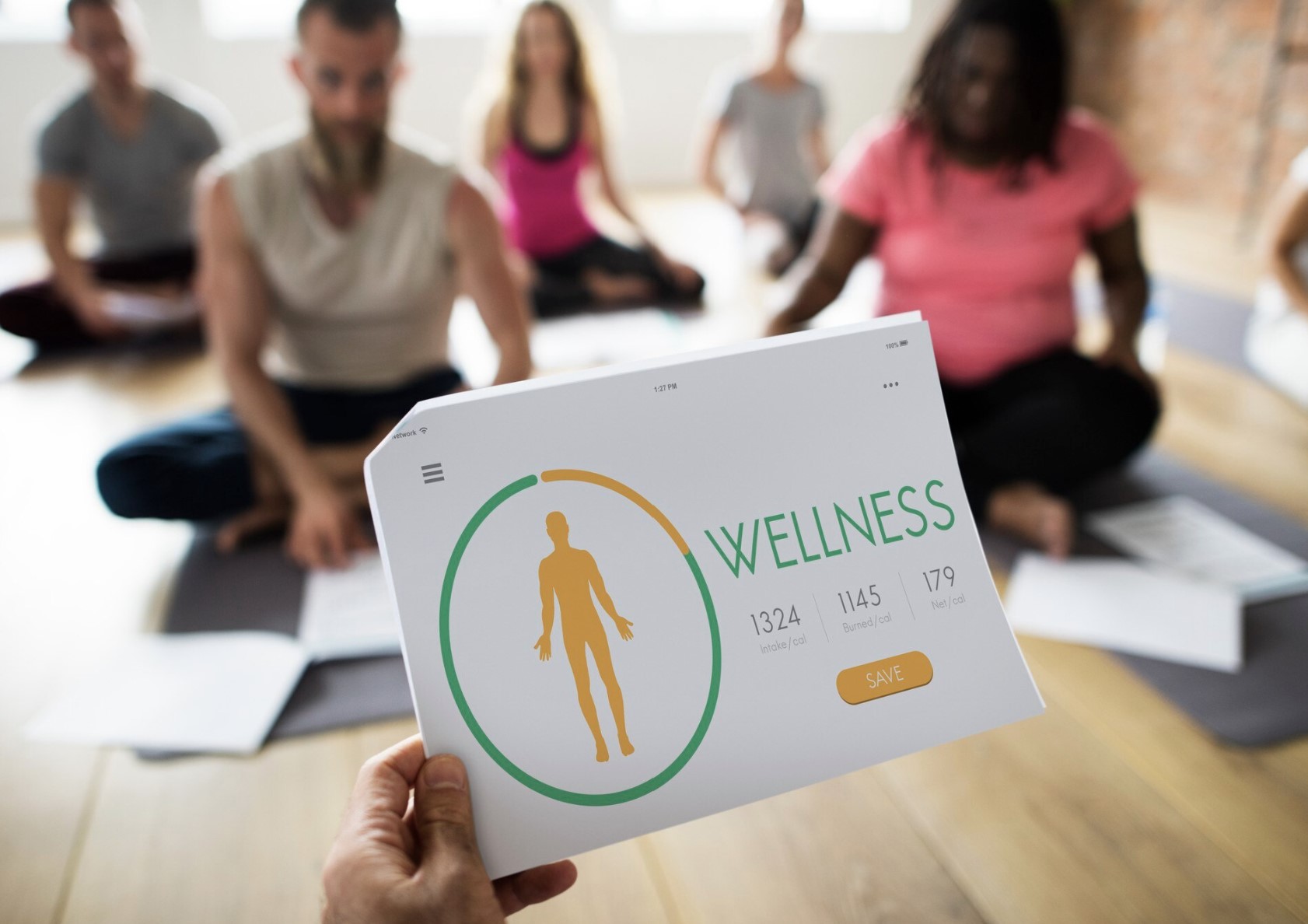
That's why companies are shifting from basic HR perks to real corporate well being strategies that support employees every day, not just during annual health campaigns.
At the same time, we're seeing the evolution of corporate digital platforms for wellbeing for employees.
Instead of scattered tools and emails, modern platforms bring mental health support, fitness tracking, learning, and communication into one place. These platforms make wellness easier to access, easier to measure, and easier to scale across the whole company.
One hard truth: wellness programs fail without leadership support.
Budget helps, but leadership buy-in matters more.
When leaders model healthy behaviour and treat corporate wellness programs as part of company strategy, employees actually trust and use them.
That's when wellbeing stops being a slogan and starts becoming part of how work really gets done.
What Modern Company Wellness Programs Actually Include

What Modern Company Wellness Programs Actually Include
Modern company wellness programs look very different from what they used to be.
They are no longer a folder of PDFs or a poster stuck on a breakroom wall.
Today, wellness has to be simple, useful, and easy to access—especially for remote teams and frontline workers who don't sit at a desk all day.
A strong corporate employee wellness program focuses on real support employees can use during their normal workday, not just once in a while.
Key parts of modern company wellness programs include:
- Mental health support that feels human - This goes beyond sharing an Employee Assistance Program link. Employees need quick access to stress support, short mental health check-ins, and clear guidance they can understand and use when work gets overwhelming.
- Physical health that fits real life - Modern corporate health wellness programs focus on simple movement, not intense workouts. This can include step tracking, short activity challenges, or guided exercises that work at home, in the office, or on shifts. Digital tools make it easy for everyone to join in, no matter where they work. Some organizations also offer optional red light therapy resources—such as Mito Red Light—to give employees short, non-invasive sessions they can use at home or onsite to support routine wellness and post-activity relaxation.
- Financial wellbeing support - Money stress doesn't stop at the office door. Good company wellness programs include basic budgeting tips, financial education, and tools that help employees feel more in control of their money, which improves focus and reduces anxiety. For employees nearing retirement or facing high medical costs, financial education can also cover life settlements—an option to access cash by selling a life insurance policy. Pointing staff to a step-by-step guide helps them assess eligibility, compare offers, and weigh alternatives before deciding.
- Easy access through digital platforms - Instead of juggling emails and separate tools, wellness is delivered through one central platform. This makes programs easier to find, easier to use, and more likely to become part of daily routines.
The biggest difference between a modern corporate employee wellness program and old-school perks is consistency.
This isn't "free yoga once a month."
It's ongoing support employees can use every week. When wellness feels practical and relevant, people actually use it—and that's when it starts making a real difference.
Employee Wellbeing Programs vs Traditional Staff Wellness Programs

Employee Wellbeing Programs vs Traditional Staff Wellness Programs
On the surface, employee wellbeing programs and staff wellness programs can look the same.
Both talk about health, happiness, and support. But in real life, they work very differently—and that's why many old programs fail.
Traditional staff wellness programs often struggle with adoption.
They might offer a gym discount, a once-a-year health talk, or an email with wellbeing tips.
The problem is simple: employees don't see how it fits into their daily work, so they ignore it. If something feels extra or inconvenient, people won't use it.
Why old-school staff wellness programs fail:
- They are generic and not designed for different roles or needs
- They rely on employees taking action in their own time
- They focus on ticking boxes, not changing habits
- They are poorly communicated and easy to forget
Modern employee wellbeing programs take a different approach.
They focus on real behaviour change, not just participation. It's not about how many people signed up—it's about whether employees feel better, work better, and stay longer.
The key differences that actually matter:
- Participation vs behaviour change - Old programs track sign-ups. Modern programs track habits, engagement, and outcomes.
- One-size-fits-all vs personalisation - Employee wellbeing programs adapt to different people, teams, and work styles instead of treating everyone the same.
- Short-term perks vs long-term support - Staff wellness is often a one-off. Wellbeing programs are ongoing and part of everyday work life.
Most importantly, strong employee wellbeing programs connect directly to engagement and retention.
When employees feel supported, listened to, and cared for, they are more likely to stay, perform better, and speak positively about the company.
That's something traditional staff wellness programs rarely achieve.
Bottom line: wellness that sits on the side doesn't work. Wellbeing that's built into how people work does.
Health and Wellness Programs for Employees in a Digital-First Workplace
Work today is mostly digital.
People work from home, from offices, from job sites, and from their phones.
Because of that, health and wellness programs for employees must change too. What worked ten years ago no longer fits how people work now.
Modern workplace wellbeing programs need to support everyone—remote workers, hybrid teams, and deskless employees—not just people sitting at a desk all day.
How modern programs support different work styles:
- Remote employees need help with isolation, screen fatigue, and work-life balance
- Hybrid teams need consistent support no matter where they work that day
- Deskless and frontline workers need mobile-first access, not long emails or desktop-only tools
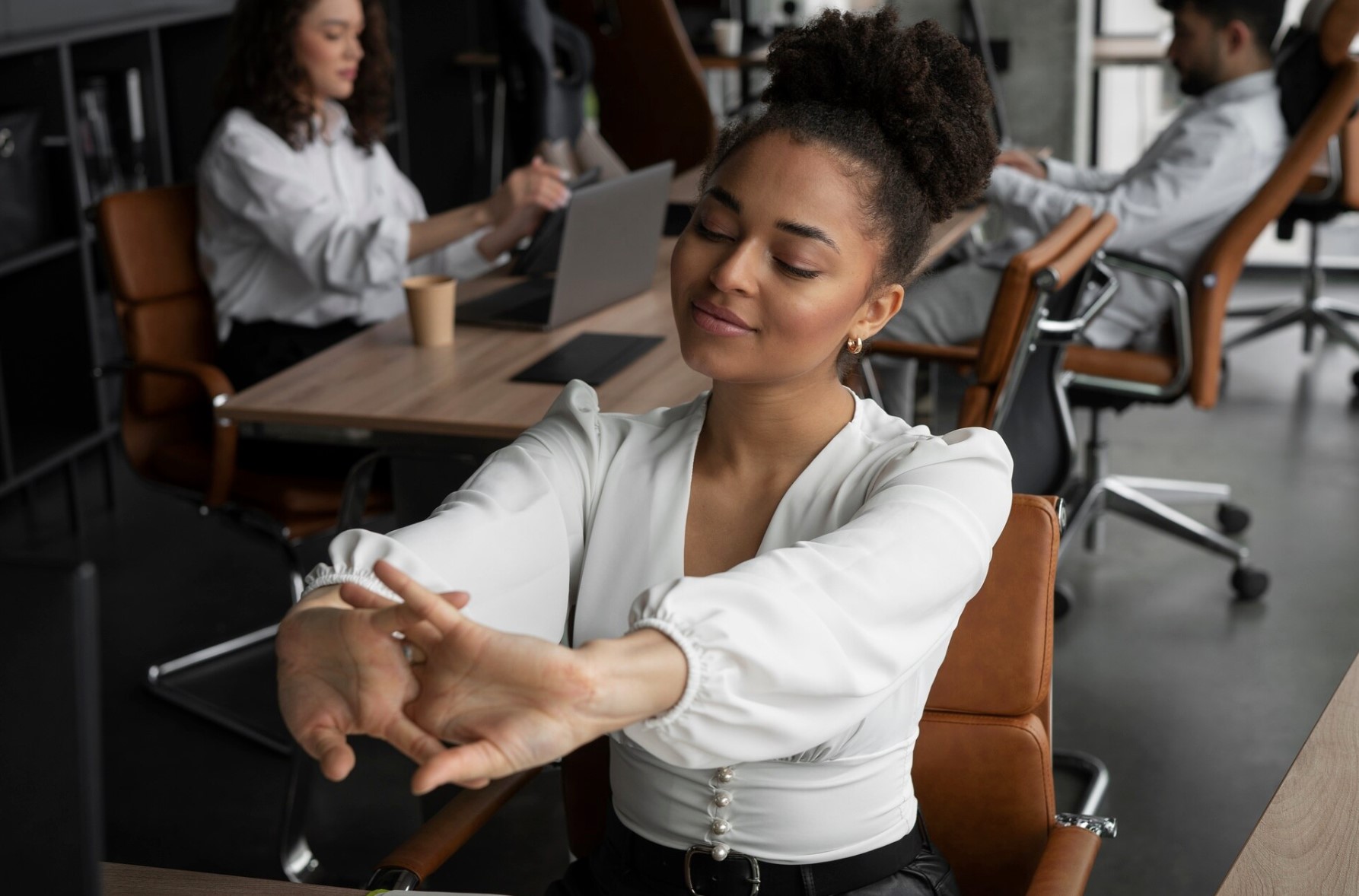
One big problem in digital workplaces is overload. Employees deal with constant messages, notifications, and meetings. This "always-on" culture makes it hard to switch off, rest, and focus.
Over time, that hurts employee health and wellness and leads to burnout.
Common digital wellbeing challenges today:
- Too many notifications and alerts
- Long hours and blurred work-life boundaries
- Pressure to reply instantly, even outside work hours
- Little time to reset or recharge
That's why health and wellness programs for employees must adapt to async work.
Employees should be able to use wellness tools when it suits them—not only at fixed times.
Short check-ins, on-demand resources, and flexible wellbeing activities work far better than scheduled sessions that most people miss.
Digital delivery also beats physical-only perks.
Not everyone can attend an in-person class or event, but everyone can access a digital platform. When wellbeing support is available anytime, on any device, more employees actually use it.
In a digital-first world, wellbeing has to meet employees where they are.
If it doesn't, even the best intentions won't make a difference.
Designing an Employee Well Being Program That Employees Actually Use
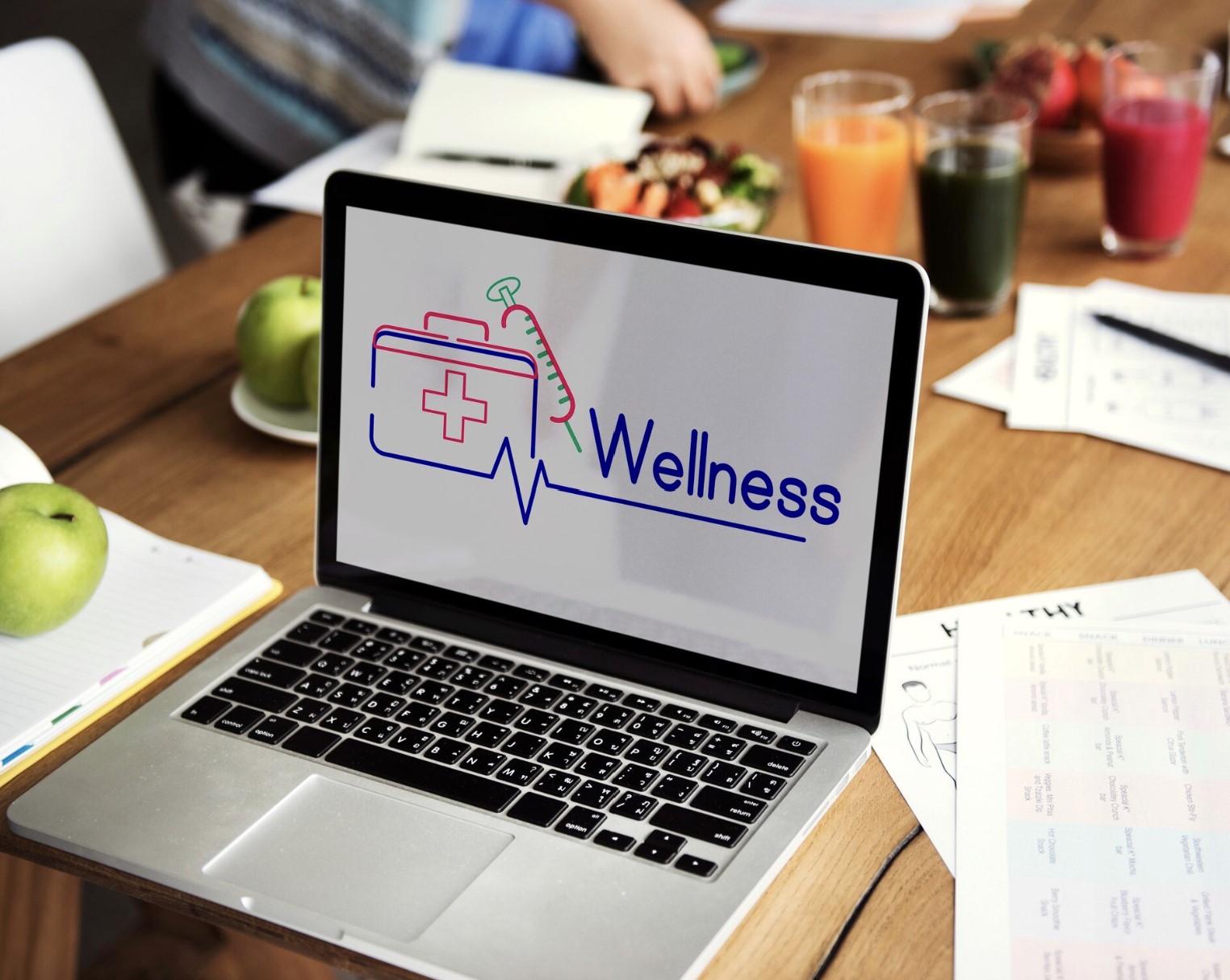
Designing an Employee Well Being Program That Employees Actually Use
An employee well being program only works if people actually use it.
Most wellness initiatives at work fail because they are designed in a meeting room, not in real life.
HR teams often guess what employees want, roll out the program, and then wonder why engagement is low. If a program feels forced, complicated, or out of touch, employees will ignore it no matter how well it is branded.
One of the biggest mistakes companies make is treating wellbeing as a symbol instead of a system. Posters, emails, and launch events look good, but they don't change daily habits.
A strong wellbeing program employee teams trust is built into everyday work, not added on top of it. That means short actions, simple tools, and support employees can use during a normal workday without extra effort.
Employee co-creation is critical. Instead of HR guessing, companies need to listen. Surveys, feedback sessions, and small pilot groups help shape an employee well being program that reflects real needs.
When employees see their input turned into action, trust grows and participation follows. People are far more likely to use something they helped create.
Measurement also matters.
If wellbeing can't be measured, it can't improve.
Successful wellness initiatives at work track things like engagement, absenteeism, burnout signals, and usage trends.
This shifts wellbeing from a "feel-good" idea to something leaders take seriously because it shows real impact.
At the end of the day, designing a wellbeing program employee teams actually use comes down to one thing: relevance.
If the program fits how people work, respects their time, and solves real problems, they won't need to be pushed to use it. They'll choose to.
Corporate Wellness Programs and the Role of Technology Platforms
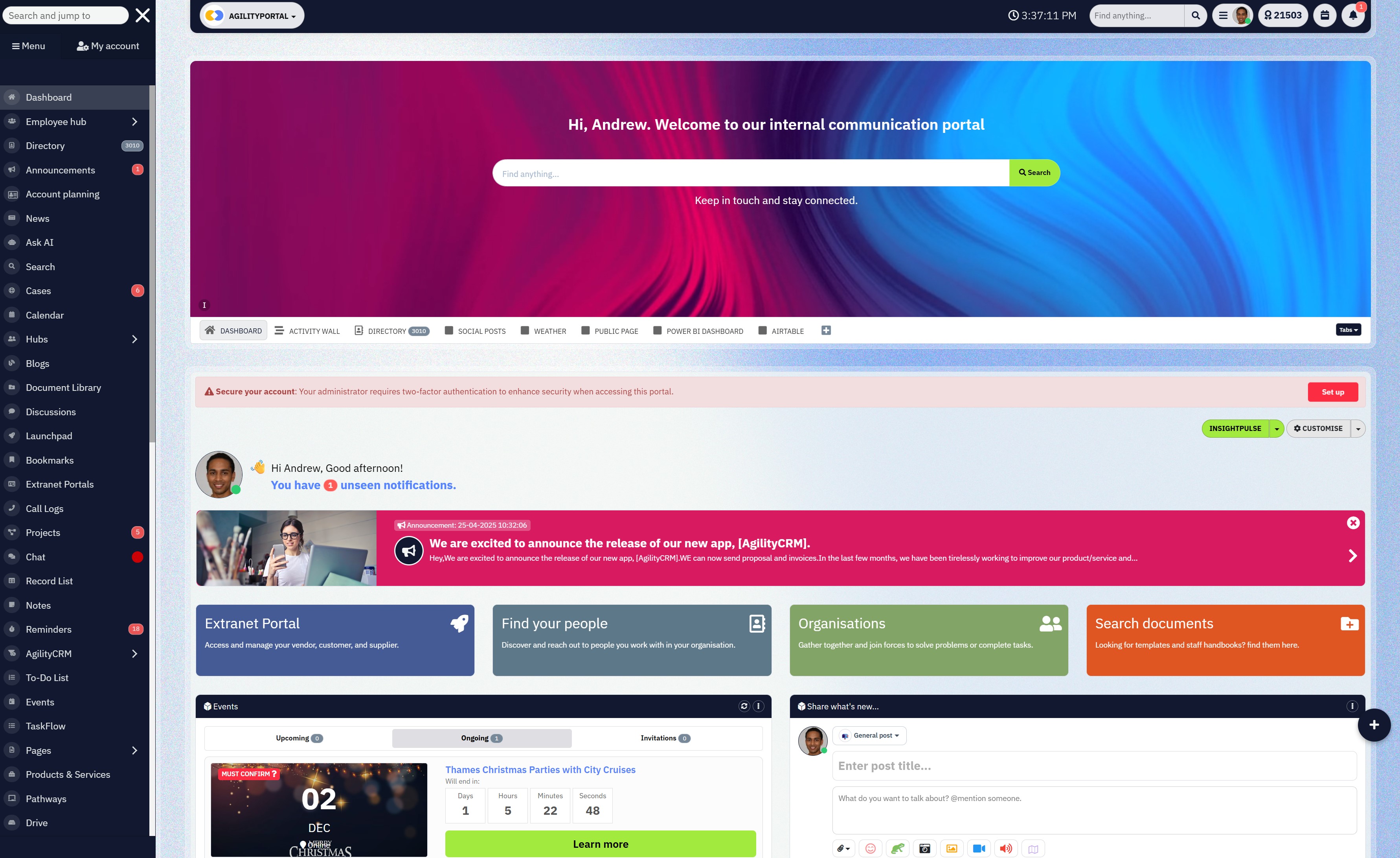
Corporate Wellness Programs and the Role of Technology Platforms
Read this article: : Top 6 AI-Powered Project Management Tools To Use In 2023
Measuring ROI in Corporate Wellness Programs Without Guesswork
Common Mistakes Companies Make with Staff Wellbeing Programs
Many staff wellbeing programs fail for one simple reason: they are treated like a checkbox.
A company launches a program, sends a few emails, maybe runs a short campaign, and then moves on.
On paper, it looks like action was taken. In real life, nothing changes. Employees quickly see when wellbeing is done for show instead of done with care, and they stop paying attention.
Another big mistake is rolling out wellbeing programs without helping managers first.
Managers shape daily work life more than any policy.
If they don't understand or support staff health and wellbeing, the program won't work. Employees take cues from their managers. If a manager ignores burnout, pushes long hours, or dismisses stress, no wellness program can fix that.
Many companies also forget about frontline and shift workers.
Wellness tools are often built for office staff who sit at desks and check email all day.
That leaves out people on shifts, in warehouses, on job sites, or on the move. When these workers can't access or use the program easily, they feel ignored, and the gap in corporate well being grows wider.
The biggest problem of all is leadership behaviour.
You can't tell employees to "take care of themselves" while leaders work nonstop, reply to messages at midnight, and reward overwork. Staff health and wellbeing breaks when leaders don't model healthy habits.
People follow what leaders do, not what they say.
The truth is simple.
Wellness programs fail when they live on slides instead of in daily actions. If leadership behaviour doesn't change, no amount of wellbeing branding will make a difference.
The Future of Corporate Employee Wellness Programs Beyond 2026
The future of the corporate employee wellness program is all about being smarter, not louder.
Instead of waiting until employees are burned out or stressed, companies will focus on spotting problems early.
With better data and simple analytics, organisations can see warning signs like low engagement, high absence, or heavy workloads before wellbeing starts to break down.
This is where employee wellbeing programs are heading next.
AI will help by giving gentle nudges and personal support at the right time.
For example, an employee might get a reminder to take a break, join a short wellbeing activity, or check in with a manager. These nudges won't feel pushy. They'll feel helpful, because they are based on real behaviour, not guesses.
Preventing problems will matter more than fixing them later.
Instead of reacting to stress after it becomes serious, future wellness programs will focus on daily habits, balance, and mental health support that runs quietly in the background. Some companies are already extending this preventative mindset to physical health, giving senior staff access to an executive physical that catches issues long before symptoms show up.
This shift toward preventative mental health helps employees stay well, instead of bouncing back after burnout.
Most importantly, future wellness initiatives at work won't feel like separate programs anymore.
They will be built into how people work every day.
Wellness will live inside the tools employees already use, not as an extra task or monthly campaign. When wellbeing is embedded instead of bolted on, it stops feeling like work and starts feeling normal.
In simple terms, the future of employee wellness is proactive, personal, and part of everyday work life. Companies that understand this will be the ones with healthier, happier, and more loyal teams.
How to Get Started with Corporate Wellness Programs (Steps & Actions)
- Step 1: Pick one clear wellbeing goal - Bring HR and leadership together and choose one focus area, such as stress reduction, work-life balance, or overall health. Don't try to fix everything at once. Clear goals help shape employee wellbeing programs that solve real problems instead of becoming vague feel-good projects.
- Step 2: Get visible leadership support - Ask leaders to openly support the program and model healthy behaviour. If leaders respect breaks, flexible hours, and mental health, employees will follow. Without leadership backing, even the best corporate wellness programs will be ignored.
- Step 3: Start small with a pilot group - Test the program with one team, department, or location first. Watch what people use, what they ignore, and what feedback they give. This prevents costly mistakes and helps prove value before scaling. Many company wellness programs fail because they roll out too fast.
- Step 4: Choose simple, easy-to-use tools - Pick digital tools that fit into daily work, not platforms that feel like extra homework. The best employee wellbeing programs are easy to access, mobile-friendly, and work for remote and frontline staff alike.
- Step 5: Listen and adjust quickly - Collect feedback early and often. Short surveys, quick polls, or team check-ins help you improve the program in real time. When employees feel heard, trust and usage grow.
- Step 6: Align wellness with company culture - Match the program to how your company already works. If flexibility matters, support flexible wellness options. If teamwork matters, add group challenges. Company wellness programs work best when they feel natural, not forced.
- Step 7: Measure and improve - Track simple metrics like engagement, absence, and feedback trends. Use this data to improve the program over time and show leaders why corporate wellness programs are worth investing in.
Start small, take action fast, listen to employees, and build wellness into everyday work.
That's how corporate wellness programs turn from ideas into resul
Frequently Asked Questions About Workplace Wellbeing
What is a workplace mental health strategy?
A workplace mental health strategy is a clear plan that helps employees manage stress, stay balanced, and get support when work feels overwhelming.
It focuses on prevention, early support, and making mental health safe to talk about at work, not something hidden or ignored.
What does digital wellbeing at work really mean?
Employee burnout prevention starts with realistic workloads, clear priorities, and support from managers.
It also means encouraging time off, respecting boundaries, and spotting stress early before it becomes a serious problem.
Burnout prevention is about daily habits, not emergency fixes.
Why is hybrid workforce wellbeing so important now?
Hybrid workforce wellbeing matters because employees work in different places and different ways.
Some work from home, some in offices, and some move between both.
Wellbeing support must work for everyone, not just office staff, or people will feel left out and disconnected.
What is an organisational wellbeing strategy?
An organisational wellbeing strategy looks at the whole company, not just individual employees.
It connects leadership behaviour, work culture, policies, and tools to support health and balance across the business.
It treats wellbeing as part of how the organisation runs, not just an HR task.
How do you build a strong wellbeing culture at work?
A wellbeing culture at work starts with leadership actions, not posters or slogans.
When leaders respect boundaries, support flexibility, and care about people, employees follow.
Over time, wellbeing becomes "how we work here," not just a program people forget about.
Most Popular Posts

Effective communication among team members is vital for the productivity and success of any organization. Surprisingly, 60% of companies lack a long-term internal communication strategy, which p...


Businesses thrive on communication for efficiency, productivity and accomplishment. When the right information is passed from the right designation in the organization, it promotes positivity an...

Categories
Blog
(3182)
Business Management
(393)
Employee Engagement
(235)
Digital Transformation
(215)
Growth
(150)
Intranets
(141)
Internal communications
(106)
Remote Work
(68)
Sales
(53)
Collaboration
(52)
Customer Experience
(32)
Culture
(30)
Knowledge Management
(29)
Project management
(29)
Leadership
(20)
Comparisons
(9)
News
(1)

Related Posts

Looking for a New Job Remotely can feel like a simple next step: update your CV, turn on job alerts and start applying. In reality, the strongest remote job searches start much earlier. You need to be clear about the work you want, the kind of ...

Hiring globally is easier than employing globally Have you found the right person for a role, only to realise they live in a country where your business has no legal entity? That's where EOR international hiring can be useful. An Employer of Re...

Sales operations and planning are essential to harmonizing sales objectives with operational capabilities, ensuring seamless coordination between departments like sales, marketing, production, and finance. This alignment enables businesses to forecas...

How can a business collect the public web data it genuinely needs without creating avoidable security, privacy or supplier-risk problems? That's the question more teams are now facing. From competitor price monitoring and SEO research to brand protec...

The sales interview is a crucial part of the job search process, as it provides an opportunity for the candidate to showcase their skills, experience, and personality to the hiring manager. In this interview, the candidate is evaluated on their...


Jill Romford
I am a digital nomad, lover of exploring new places and making friends.
I love to travel and I love the internet. I take pictures of my travels and share them on the internet using Instagram.
Traveler, entrepreneur, and community builder. I share my insights on digital marketing and social media while inspiring you to live your fullest life.
Ready to learn more? 👍
One platform to optimize, manage and track all of your teams. Your new digital workplace is a click away. 🚀
Free for 14 days, no credit card required.