
Insight Blog
Agility’s perspectives on transforming the employee's experience throughout remote transformation using connected enterprise tools.
15 minutes reading time
(2998 words)
How a Mobile Game Development Company Builds Viral Hits That Market Themselves

How a Mobile Game Development Company Builds Viral Hits That Market Themselves
Learn how viral mobile games grow without ads. Discover how smart design, social sharing, retention, and monetization help games market themselves.
How a Mobile Game Development Company Builds Viral Hits That Market Themselves

When Block Blast! hit the top of the App Store and passed games like Roblox, it wasn't an accident.
Games like that don't just "get lucky." They are planned, tested, and built to spread from player to player.
In 2025, mobile gaming is worth over $200 billion worldwide.
But success is no longer about how many people download your game on day one. What really matters is how fast players talk about it, share it, and pull their friends in.
That's what it means when a game markets itself.
Here's the hard truth. Making a good game is not enough anymore.
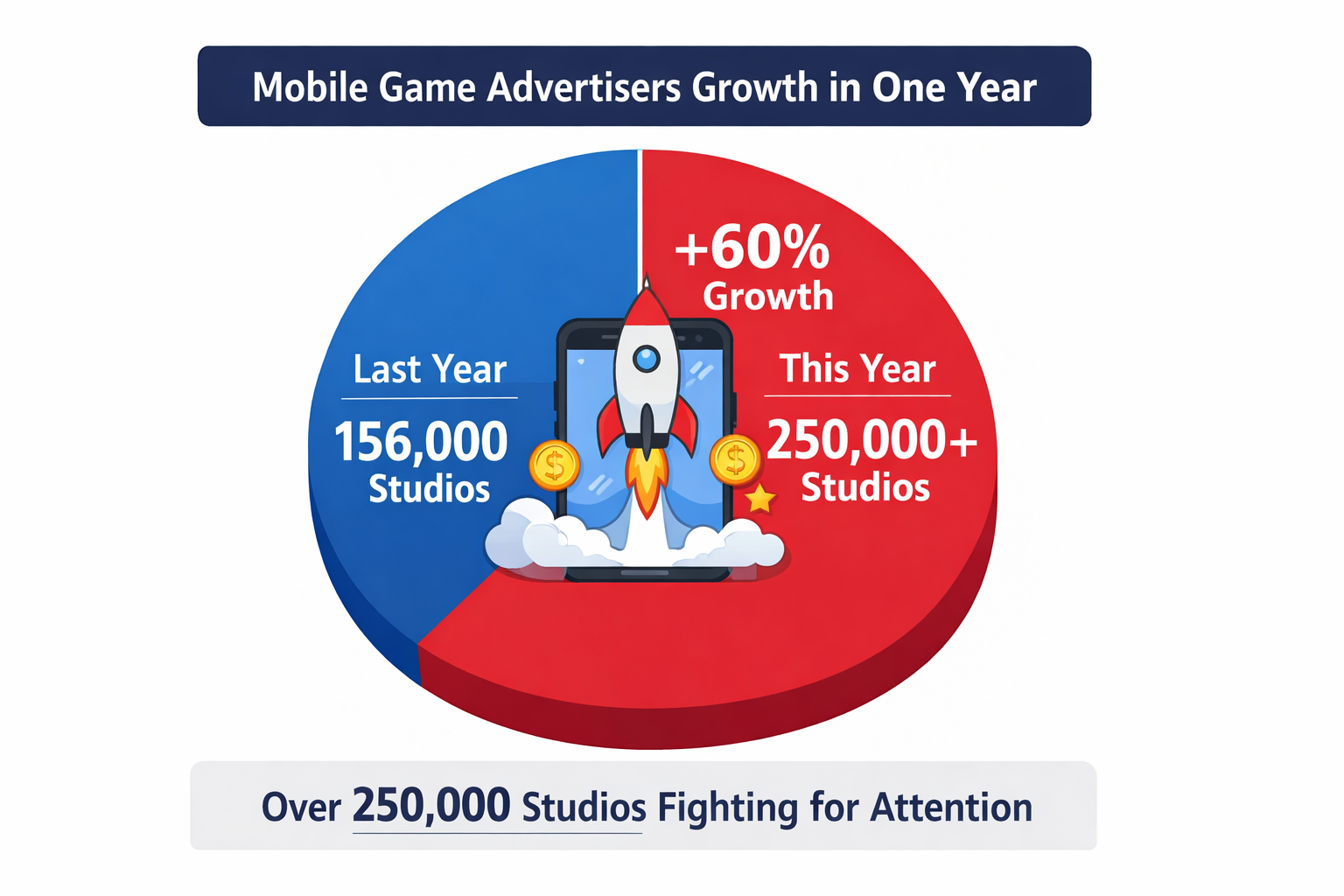
According to SocialPeta, the number of mobile game advertisers grew by 60% in just one year. That's more than 250,000 studios all fighting for attention.
At the same time, Apple's privacy changes reduced traditional paid user ads by 15–20%, making ads more expensive and less effective.
So throwing money at ads doesn't create a viral hit. It just creates short spikes that fade fast.
Real viral games grow because:
- Players want to share them
- Social platforms help people discover them
- The gameplay is designed to spread naturally
This article explains how mobile game development companies build viral hits that market themselves.
Not through shortcuts. Not through luck. But through clear systems that turn players into promoters.
Read this article: : Top 6 AI-Powered Project Management Tools To Use In 2023
What a Viral Hit Really Is (and What It Isn't)
Studios like Supercell and Playrix prove one thing clearly: a mobile game development company that understands viral mechanics can build games that spread almost by themselves.
These games don't rely on luck or massive ad budgets. They grow because players bring in other players.
A viral hit is not just a game with lots of downloads. Anyone can buy installs with ads.
A real viral hit grows when players want to share it. That's called player-to-player growth. One player invites another.
Then that player invites more. The game spreads naturally.
This works because viral mechanics are built into the game's core loop, not added later as marketing tricks.
Here are simple examples of how that looks in real games:
- Daily rewards when you invite a friend
- Extra levels or characters unlocked through referrals
- Co-op missions that require playing with a partner
- Leaderboards where you challenge friends through Discord or social apps

According to Gamesforum forecasts, games with strong viral mechanics will keep winning because they use smart gameplay loops and social features to grow without heavy ad spend.
This kind of growth is not only more effective, it's also cheaper.
What viral hits are not:
- A short download spike from paid ads
- Forced sharing popups
- Social features locked behind a paywall
That kind of exposure looks good for a week, then disappears.
Real virality feels natural. Players share because they are proud of an achievement, want to beat a friend, or want others to join something fun. When sharing feels genuine, the game markets itself.
A game is only viral when players do the spreading.
If they don't, it's not a viral hit — it's just another app with downloads.
The Core Principle: Games That Market Themselves

Games That Market Themselves
The strongest marketing tool in mobile gaming is not ads. It's players.
A smart mobile game development company understands that people trust friends far more than banners, pop-ups, or videos they skip. When someone you know says, "You should try this game," it carries real weight. That kind of trust can't be bought with ad spend.
This is how word-of-mouth actually works in mobile games.
One player enjoys the game and talks about it or shares a short clip.
A friend sees it, downloads the game, and then invites more people. The game keeps spreading because it feels natural. No one feels pushed or sold to.
People share games for simple human reasons. They want to show off an achievement. They want to beat a friend's score. They need help finishing a level.
Or they want others to join something that feels fun and exciting.
Sharing happens because of emotion, not because a button tells them to do it.
This is why share buttons alone don't work.
When a game forces players to share or throws pop-ups in their face, most people ignore it. Some get annoyed and quit. Forced sharing breaks trust and stops growth before it starts.
Games that truly market themselves do things differently.
Sharing unlocks something useful. Inviting friends makes the game easier or more fun. Social play feels like part of the game, not extra work. Players share because it improves their experience, not because they are told to.
The core idea is simple.
Players don't share games because they are asked to.
They share because they want others to be part of something enjoyable. That's how real viral hits last.
- Players are more powerful than ads
- Friends influence downloads more than marketing
- Real virality comes from player-to-player sharing
- Emotion drives sharing, not buttons
- Forced sharing hurts trust and growth
- Viral games build sharing into gameplay
- Lasting viral hits spread because players want them to
Designing the Game for Built-In Sharing

Designing the Game for Built-In Sharing
Virality starts inside the game, not in the marketing plan.
A strong mobile game development company designs sharing into the gameplay from day one.
If players have more fun together than alone, sharing happens naturally. No reminders. No pressure.
Multiplayer features are one of the easiest ways to do this.
When players can team up, compete, or see how they rank against others, social pressure kicks in. Leaderboards make people want to prove themselves. Beating a friend's score or climbing a ranking feels good, and players naturally invite others to join so they can compete or cooperate.
Reward loops also matter. Games that grow fast usually give players a clear reason to invite friends. That might be extra lives, bonus levels, special characters, or faster progress.
The key is that the reward helps gameplay. If inviting a friend makes the game better or easier, players will do it without thinking twice.
There's also a big difference between competitive and cooperative sharing. Competitive triggers push players to challenge friends, compare scores, and show off wins.
Cooperative triggers focus on teamwork, like co-op missions or shared goals that can't be completed alone. The best games often use both, depending on the player type.
What doesn't work is forced sharing.
Pop-ups that block progress or demand social posts turn players off fast. When sharing feels like a chore, people quit. When sharing feels like part of the fun, growth takes care of itself.
Virality doesn't come from ads or slogans. It comes from smart game design that gives players a real reason to bring others in.
Emotional Hooks That Make Players Talk
Features don't make games spread.
Feelings do.
A smart mobile game development company knows that people don't tell friends about menus, settings, or graphics.
They talk about how a game made them feel. That feeling is what pushes someone to share, invite, or post a clip online.
Competition is one of the strongest emotional triggers. When a game lets players beat a friend's score, climb a leaderboard, or win a close match, it creates bragging rights.
Players want others to see their wins. That's why competitive games often spread fast without ads. Winning feels better when someone else knows about it.
Frustration also plays a big role.
Hard levels, near-misses, and "almost won" moments stick in the brain.
Players talk about these moments because they want help or want to prove they can beat the challenge. Many viral games grow because people say, "This level is impossible, try it yourself."
Satisfaction is another powerful hook. Finishing a tough level, unlocking something rare, or watching something oddly satisfying happen in the game creates a strong urge to share. Players feel proud, relaxed, or impressed, and they want others to feel the same thing.
Humor spreads even faster. Funny characters, unexpected fails, or silly game moments are perfect for short videos and screenshots. When a game makes someone laugh, sharing feels natural. It doesn't feel like marketing. It feels like entertainment.
The best games don't rely on just one emotion.
They mix competition, frustration, satisfaction, and humor into the gameplay loop. That keeps players talking long after they stop playing for the day.
Key idea:- People don't share games because of features.
- They share games because of feelings.
How Games Go Viral on Social Media (and Still Make Money)
How Games Go Viral on Social Media (and Still Make Money)
Today, games don't go viral in app stores first. They go viral on social media.
A smart mobile game development company builds for this from the start, not as an afterthought.
Short-form video platforms like TikTok and YouTube Shorts are now the main discovery channels for mobile games. Players don't search for games. Games show up while people scroll.
A 10-second clip of a win, a fail, or a funny moment can reach millions faster than any paid ad.
This works because these platforms reward:
- Quick visuals
- Simple gameplay that's easy to understand
- Strong emotional moments (wins, fails, surprises)
If someone can "get" the game in five seconds, they're likely to download it.
But virality alone doesn't pay the bills. That's where hybrid monetization comes in.
Hybrid monetization means the game earns money in more than one way:
- Free-to-play access to lower friction
- In-app purchases for progress, cosmetics, or convenience
- Optional ads that don't block gameplay
This matters because viral traffic is unpredictable.
One week you get millions of views. The next week it slows down. Hybrid monetization makes sure the game still earns money whether players spend time, watch ads, or buy extras.
Social media virality and hybrid monetization support each other.
Viral clips bring in huge numbers of players at low cost. Hybrid monetization turns that attention into steady revenue without pushing players away.
The best results happen when:
- Gameplay moments are easy to record and share
- Progress feels rewarding even without spending
- Spending feels optional, not forced
- TikTok and YouTube Shorts bring the crowd.
- Hybrid monetization keeps the game alive.
- When both work together, a game doesn't just go viral — it lasts.
Retention Comes Before Virality
Here's the hard truth most studios ignore: growth without retention always collapses.
A mobile game development company can drive thousands or even millions of installs, but if players don't come back, the game dies fast. Downloads look good on a chart, but they don't mean success.
Retention is simply about how many players return after they first install the game.
The most important checkpoints are easy to understand:
- Day 1: Did players enjoy the game enough to open it again tomorrow?
- Day 7: Did it become part of their routine, or did they forget it existed?
- Day 30: Did the game earn a permanent spot on their phone?
If players don't stick around, virality can't happen. People don't invite friends to games they already stopped playing. Sharing only happens when the experience stays fun over time.
Good retention fuels organic growth. When players keep coming back, they hit more emotional moments.
They unlock rewards.
They face harder challenges. That's when they start talking, sharing clips, and inviting friends. Retention creates the conditions for virality. Without it, sharing never takes off.
The best viral hits feel addictive, but fair.
Players feel challenged, not punished. Progress feels earned, not blocked.
Rewards feel exciting, not cheap. When a game respects the player's time, players reward it with loyalty—and loyalty turns into sharing.
Blunt point:- No retention, no virality. Period.
Read this article: : Top 6 AI-Powered Project Management Tools To Use In 2023
Using Data Without Killing the Fun
Data is useful, but only if it serves the player experience.
A smart mobile game development company doesn't track everything just because it can.
It tracks what helps make the game more enjoyable, smoother, and easier to stick with. When data starts controlling design decisions instead of supporting them, fun disappears fast.
Successful studios such as Room 8 Studio, Virtuos and Kevuru Games focus on a small set of signals that actually matter. They look at where players quit, where they get stuck, and when they stop coming back. These moments show friction.
They don't need complex dashboards to see it. If many players leave after the same level or tutorial step, something is wrong there.
Drop-off points are especially important. If players leave in the first few minutes, the onboarding is too slow or confusing. If they leave after a few days, the game may lack depth or clear goals.
Finding these moments helps studios fix real problems instead of guessing.
Testing new features should never break the core experience. The best teams test carefully, often with small player groups, before rolling changes out to everyone. If a new feature hurts retention or makes the game feel less fun, it gets removed. No ego. No attachment. Data decides.
But knowing when not to change things is just as important. Some mechanics work because they feel good, not because they maximize numbers.
Over-optimizing every click, reward, or delay can drain the soul from a game. When players are happy and engaged, sometimes the smartest move is to leave things alone.
Key takeaway:- Use data to remove friction, not to squeeze players.
- Fun comes first. Data supports it, not the other way around.
Distribution That Amplifies (Not Forces) Virality
Distribution doesn't create virality.
It only makes existing momentum louder. If a game isn't already fun, shareable, and emotionally engaging, no amount of distribution will save it. The goal here is amplification, not persuasion.
App store visibility is the first layer.
A clear game name, simple screenshots, and short videos that show gameplay in seconds help people understand what the game is about without reading a single word. If users can't "get it" instantly, they scroll past. Store pages don't convince people to love a game — they just remove doubt.
Social platforms are where discovery really happens.
TikTok, YouTube Shorts, and similar feeds reward quick, visual moments. A win, a fail, or a surprising outcome can travel further than a polished ad ever could. These platforms don't care about budgets.
They care about attention. Games that create watchable moments naturally get picked up by the algorithm.
The most important shift is letting the audience do the promotion.
Players post clips, argue about strategies, challenge each other, and show off progress. The game spreads because people want to talk about it, not because they're paid to.
Clear distinction:- Distribution amplifies what already works.
- It doesn't create virality — it reveals it.
Why Most Studios Fail to Build Viral Hits
- Relying too much on ads – Growth depends on money instead of players, so installs stop the moment ad spend stops and the game quickly fades.
- Ignoring player psychology – Studios focus on features and graphics but forget that emotions like competition, pride, and frustration are what make players talk and share.
- Overloading the game with features – Too many mechanics and long tutorials confuse new players and kill excitement before the game has a chance to spread.
- Chasing trends instead of behavior – Copying popular games without understanding why people play them leads to short-term hype but no lasting engagement.
- Confusing downloads with success – A big launch looks impressive, but without retention and sharing, the player base disappears just as fast.
- Viral hits don't fail because of bad ideas.
- They fail because studios ignore how real players think and act.
The Future of Mobile Gaming
By 2025, mobile gaming has fully evolved into a competitive, fast-moving industry where technology, distribution, and player behavior are tightly connected.
Growth no longer comes from scale alone — it comes from smart systems, strong discovery channels, and constant adaptation.
Trends that will dominate:
- AI-generated content will become the norm. Procedurally generated levels, personalized narrative paths, adaptive difficulty — all this is already being tested by top studios.
- Direct-to-consumer models through web stores to avoid Apple and Google's 30% commission. This gives more margin for reinvestment in product and marketing.
- Privacy-first attribution instead of traditional tracking. With Google Privacy Sandbox and strengthened regulations, studios are moving to creative-level frameworks and predictive models.
- Consolidation in the industry — M&A activity will continue, with large studios buying successful indie projects.
Studios that masterfully combine all these elements don't just create games — they create cultural phenomena.
Block Blast!, Royal Match, Monopoly Go — these aren't random successes.
They're the result of deep understanding of how the modern mobile gaming ecosystem works.
Looking ahead, the biggest opportunities will belong to teams that can move fast, experiment boldly, and treat mobile games as living products rather than one-time releases.
Final Thoughts: Viral Hits Are Designed, Not Discovered
Viral hits don't appear out of nowhere.
They are built on player-driven growth.
When players enjoy a game enough to invite friends, share clips, and talk about it without being asked, growth becomes natural. That kind of momentum can't be forced with ads or short-term tricks.
The real goal is not "better marketing."
The real goal is a game that markets itself. When sharing is part of the experience, players become the promotion. That's more powerful than any campaign because it comes from trust, not persuasion.
This is why thinking beyond installs matters.
Downloads are easy to chase and easy to lose. What actually counts is retention, sharing, and whether the game becomes part of people's daily conversations.
A smaller group of active players will always outperform a large group that disappears after a week.
The takeaway is simple and honest:- Viral hits aren't found. They're designed.
- Build for players first, and growth will follow.
Most Popular Posts

Effective communication among team members is vital for the productivity and success of any organization. Surprisingly, 60% of companies lack a long-term internal communication strategy, which p...


Businesses thrive on communication for efficiency, productivity and accomplishment. When the right information is passed from the right designation in the organization, it promotes positivity an...

Categories
Blog
(3186)
Business Management
(393)
Employee Engagement
(235)
Digital Transformation
(216)
Growth
(150)
Intranets
(141)
Internal communications
(106)
Remote Work
(68)
Sales
(53)
Collaboration
(52)
Customer Experience
(32)
Culture
(30)
Knowledge Management
(29)
Project management
(29)
Leadership
(20)
Comparisons
(9)
News
(1)

Related Posts

The best ai image editors can save a team hours of repetitive work. A marketing manager can remove a distracting background, an HR team can improve a staff event photo, and an online shop can turn a basic product shot into something ready to pu...

Ever opened a PDF just before a meeting and realised you need to edit a page, pull figures from a scanned report, or gather everyone's comments? What should be a quick task can turn into a frustrating search for the right tool. That lost time a...

Looking for a New Job Remotely can feel like a simple next step: update your CV, turn on job alerts and start applying. In reality, the strongest remote job searches start much earlier. You need to be clear about the work you want, the kind of ...

Hiring globally is easier than employing globally Have you found the right person for a role, only to realise they live in a country where your business has no legal entity? That's where EOR international hiring can be useful. An Employer of Re...

Sales operations and planning are essential to harmonizing sales objectives with operational capabilities, ensuring seamless coordination between departments like sales, marketing, production, and finance. This alignment enables businesses to forecas...


Jill Romford
I am a digital nomad, lover of exploring new places and making friends.
I love to travel and I love the internet. I take pictures of my travels and share them on the internet using Instagram.
Traveler, entrepreneur, and community builder. I share my insights on digital marketing and social media while inspiring you to live your fullest life.
Ready to learn more? 👍
One platform to optimize, manage and track all of your teams. Your new digital workplace is a click away. 🚀
Free for 14 days, no credit card required.