Insight Blog
Agility’s perspectives on transforming the employee's experience throughout remote transformation using connected enterprise tools.
31 minutes reading time
(6193 words)
We Found a Way to Use Google Paid Search to Quietly Dominate Real Estate Lead Generation in 2026

We Found a Way to Use Google Paid Search to Quietly Dominate Real Estate Lead Generation in 2026
Discover how US real estate agents are quietly dominating real estate lead generation in 2026 using Google paid search—without wasting ad spend.
We Found a Way to Use Google Paid Search to Quietly Dominate Real Estate Lead Generation in 2026

Why Most Real Estate Lead Generation Tactics Are Broken in 2026, and learn froma software company how to do it.
Let's be honest — most real estate lead generation tactics aren't failing because agents aren't trying hard enough. They're failing because the channels people rely on are built for attention, not intent.
Social media lead ads are the biggest culprit.
Yes, Facebook and Instagram can deliver leads cheaply. But cheap doesn't mean good. Most of those leads are just scrolling, curious, or killing time. They're not planning to buy or sell a home anytime soon. That's why agents complain about tire-kickers, ghosting, and follow-ups that go nowhere.
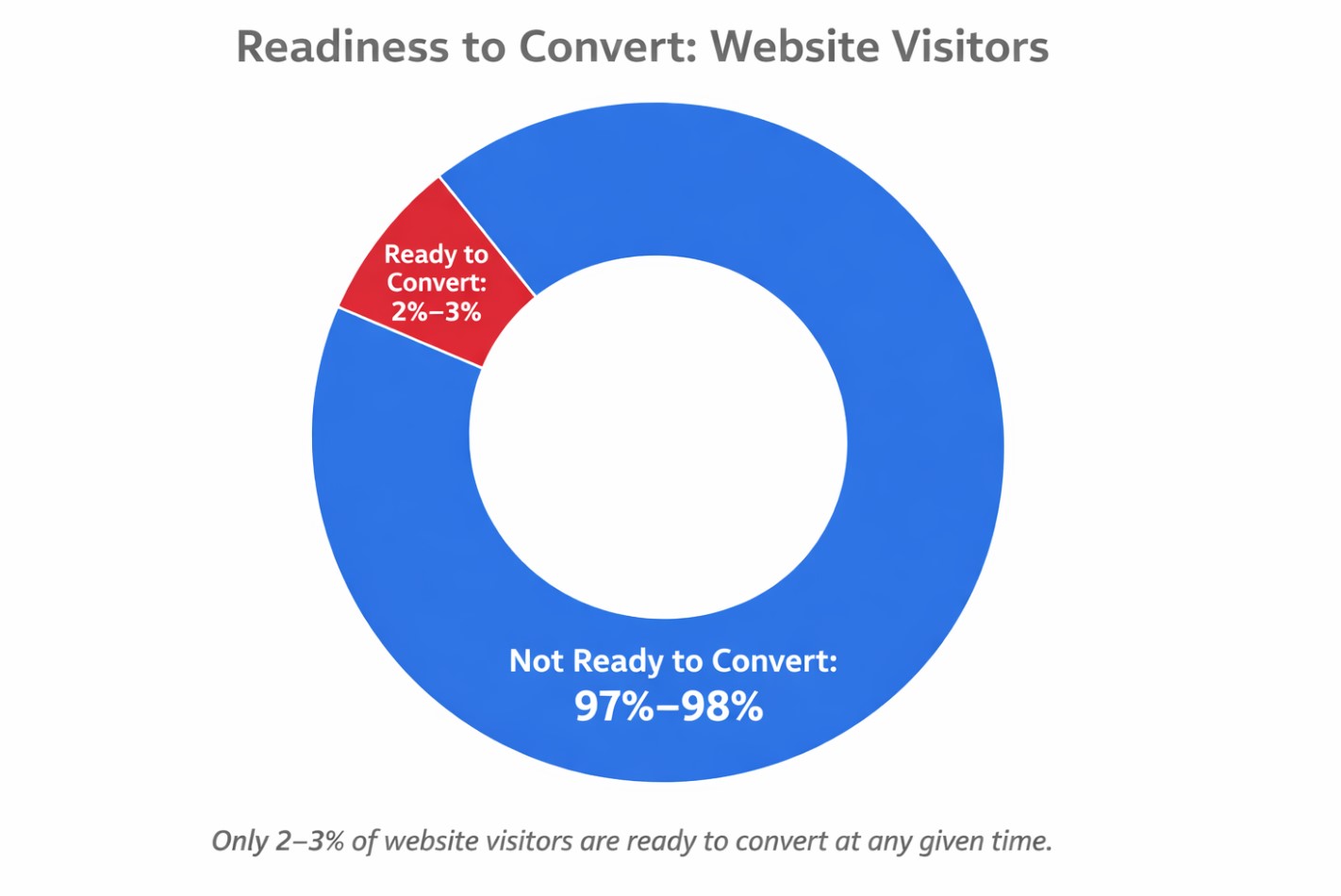
Here's the reality: only around 2–3% of website visitors are ready to convert at any given time, while the rest are just researching or browsing. Social ads mostly reach the 97%.
That's the hidden flaw no one talks about.
Now compare that with Google paid search.
When someone searches "sell my house fast in Dallas" or "best real estate agent in Phoenix," they're not browsing. They're raising their hand. These are buyers and sellers who are ready to act, not "thinking about it someday."
That's why smart agents are quietly shifting budget away from noisy channels and working with a PPC advertising firm that understands intent-based campaigns. Google Ads doesn't chase people — it captures demand that already exists.
And the numbers back this up.
Google reports that search ads can drive conversion rates up to 3–5x higher than display or social ads for high-intent services like real estate. That means fewer leads, but far better ones — the kind that actually turn into appointments and commissions.
This is the quiet advantage most agents are missing.
While others fight over attention on social platforms, top performers are using Google paid search to dominate real estate lead generation by showing up at the exact moment buyers and sellers are ready to make a move.
That's the difference between being busy… and being profitable.
Key Takeaways You’ll Get From This Guide
- Why Google paid search delivers higher-intent real estate leads than social ads in 2026
- How US agents use keyword intent to attract buyers and sellers ready to act
- The Google Ads structure that quietly improves real estate lead generation ROI
- Common Google Ads mistakes that waste budget without producing closings
- What successful agents track to turn clicks into real appointments
If you want real estate leads with intent—not tire-kickers—this guide shows how it’s done.
Read this article: : Top 6 AI-Powered Project Management Tools To Use In 2023
Why Real Estate Lead Generation Is Getting Harder in 2026

Why Real Estate Lead Generation Is Getting Harder in 2026
Real estate lead generation isn't harder because buyers disappeared.
It's harder because everyone is chasing the same leads in the same places—and it's driving costs up while results go down.
First, competition in the US market is brutal.
More agents, more teams, more brokerages, all bidding on the same audiences. Whether you're running ads yourself or working with a ppc marketing agency, you're competing not just with local agents, but with national portals, franchises, and venture-backed platforms that can outspend you all day long.
Second, there's real lead fatigue. Facebook ads, listing portals, and "instant buyer leads" have been overused. Consumers see the same ads repeatedly, fill out the same forms, and then ignore follow-ups.
That's why many agents complain they're getting leads—but not conversations. Pay per lead might look reasonable, but the close rate keeps dropping.
Third, costs are rising fast. Across the industry, cost per lead (CPL) continues to increase, while the percentage of leads that actually turn into deals keeps shrinking.
This is especially true when campaigns aren't managed properly by an experienced ppc ad agency or ppc advertising company that understands intent, not just clicks.
Bad targeting and broad audiences burn budget without producing serious buyers or sellers.
Finally, buyer behavior has changed.
People now research longer online, comparing agents, reading reviews, and checking listings across multiple sites. But once they're ready, they move fast. When they do act, they usually turn to search—typing very specific, high-intent queries into Google.
That's why traditional approaches to pay per click marketing are struggling. Ads that interrupt people no longer work as well. Ads that appear exactly when someone is searching for an agent, a home, or a way to sell—those still win.
This is where Google Ads for real estate starts to outperform other channels. Search-based PPC captures demand that already exists, instead of trying to create it.
And in a crowded market, that difference matters more than ever.
In 2026, the agents who adapt aren't the loudest.
They're the ones showing up at the right moment, with the right message, when buyers and sellers are ready to decide.
Related Guides You May Want to Read Next
This guide focuses on using Google paid search to improve real estate lead generation. The articles below explore common industry mistakes, performance measurement, and data-driven decision-making that support smarter marketing strategies.
- 9 Mistakes to Avoid When Joining the Real Estate Industry
- 10 Ways to Measure Real Estate Portal Effectiveness
- How GIS Helps Real Estate Experts Make Smarter Decisions
Each article expands on a key concept mentioned here and helps build a stronger, data-driven real estate marketing foundation.
First Things First: Use Google Search Console to Read Buyer Intent (Not Just Traffic)
Before you spend a dollar on Google paid search, you need to understand how buyers and sellers are already finding you.
That's where Google Search Console (GSC) comes in—and most real estate teams barely use it properly.
Here's the shift that matters: the buying journey now starts on search.
Studies show that roughly 67% of a buyer's journey happens online before they ever speak to a salesperson, and about 95% of buyers prefer to do their own research first. In plain terms, prospects are making up their minds on Google—long before they call an agent or fill out a form.
That means search results pages are doing the pre-qualifying for you.
When someone searches "best real estate agent in Miami" or "how to sell a house fast in Austin," they're not just browsing.
They're comparing options, building shortlists, and forming objections. All of that intent is visible inside Google Search Console.
This is why GSC shouldn't live only with "SEO." It belongs in growth and revenue conversations.
Search-led leads consistently outperform cold outreach.
Industry data shows that search-driven leads convert at around 14–15%, while traditional outbound methods average under 2%. That gap is massive. It tells you one thing: intent beats interruption every time.
Login to you GCS account and start review the data.
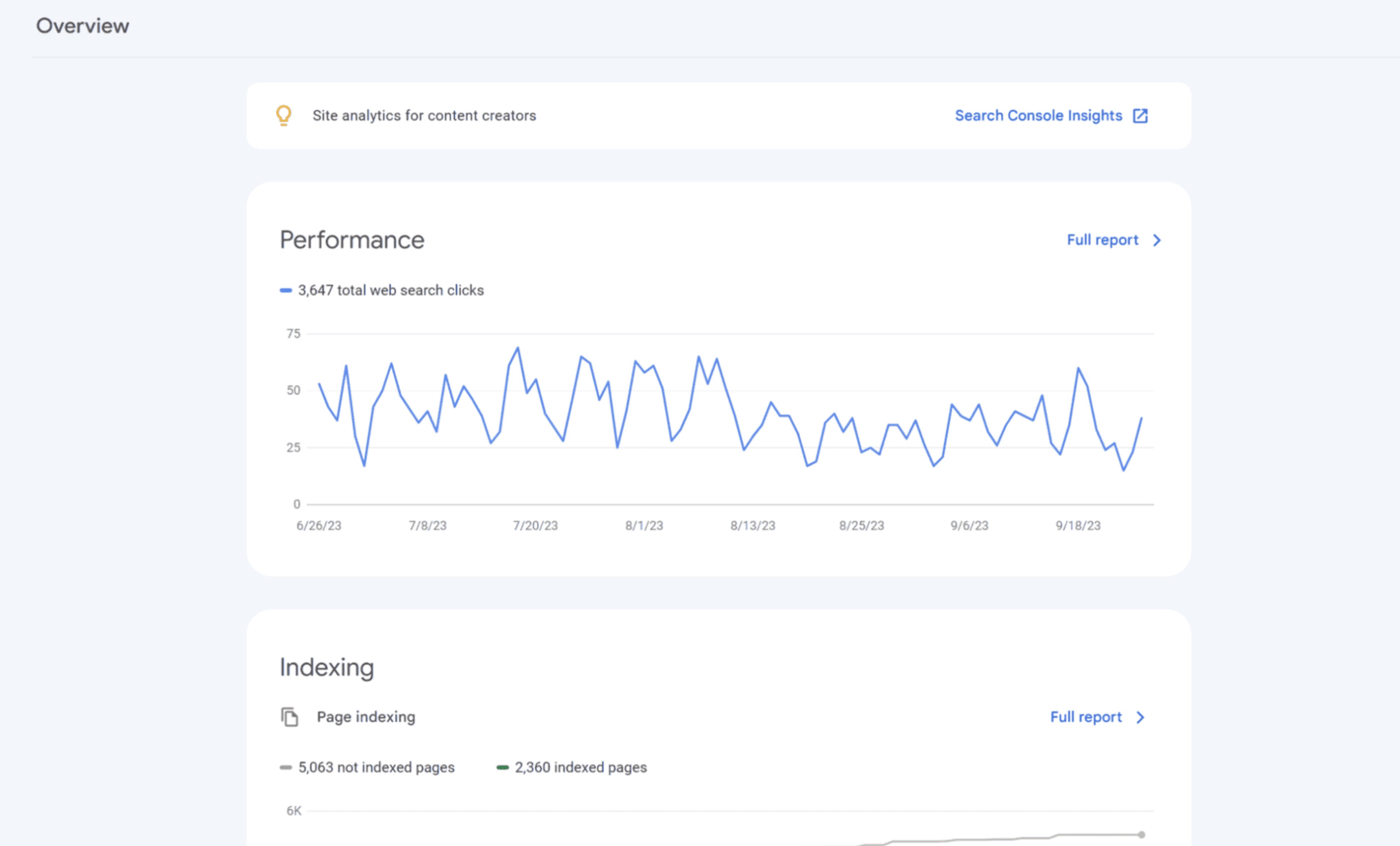
GSC shows you:
- The exact phrases buyers and sellers use
- Which pages attract serious intent vs curiosity
- Where people drop off before converting
- What Google already thinks you're relevant for
And here's where it gets powerful for real estate lead generation.
You can take audience insights from Search Console—queries, locations, devices, and intent patterns—and feed that intelligence directly into Google paid search campaigns.
Instead of guessing keywords, you build ads around what real prospects are already searching for. This is exactly how a smart PPC advertising firm reduces wasted spend and improves lead quality fast.
There's a reason this works. Organic search alone drives over half of all trackable website traffic, and when you combine organic and paid search, that number jumps to around two-thirds of all visits.
In real estate, that means most buyers and sellers will cross your site via search at some point—whether they convert immediately or not.
Ignoring Google Search Console isn't just an SEO mistake.
It's leaving your highest-intent data on the table.
And when your goal is dominating real estate lead generation, that's a mistake your competitors are happy for you to keep making.
The Exact Method: Use Google Search Console Data to Build Google Ads That Convert (Step by Step)
The Exact Method: Use Google Search Console Data to Build Google Ads That Convert (Step by Step)
Step 1: Open Google Search Console and Find "Money Queries"
- Log into Google Search Console
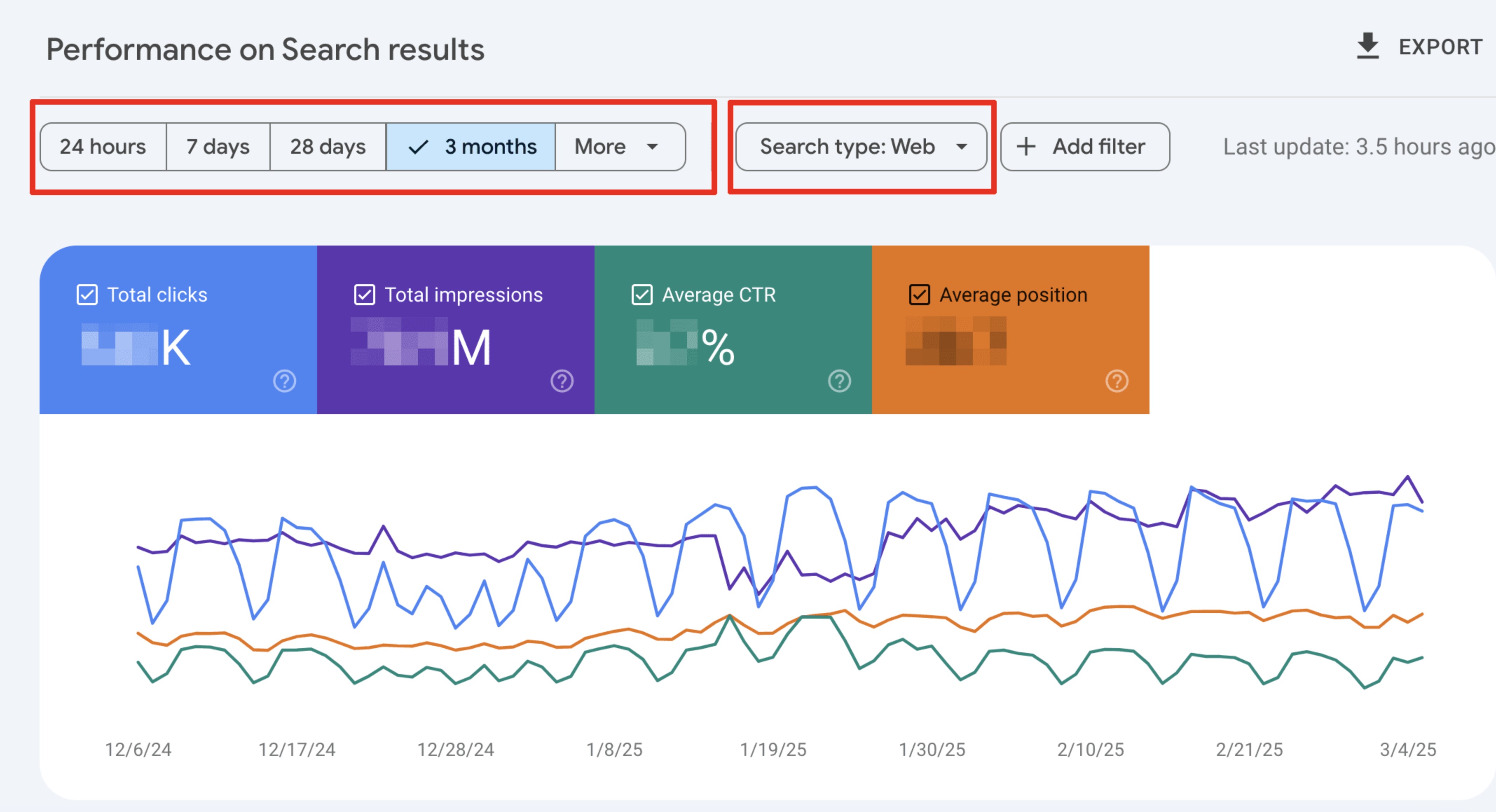
- Go to Performance → Search results
- Set the date range to Last 3 months (or Last 6 months if your traffic is low)
- Turn on these filters:
- Search type: Web
- Country: United States (if you serve US buyers/sellers)
- Scroll down to Queries
Now you're looking at real phrases people typed into Google before clicking your site. This is the raw fuel for pay per click marketing.
What to look for (real estate intent terms):
- Seller intent: "sell my house", "home valuation", "cash offer", "list my home", "realtor to sell"
- Buyer intent: "buy a house", "homes for sale in [city]", "best neighborhoods in [city]"
- Agent intent: "top real estate agent", "realtor near me", "real estate agent in [city]"
Step 2: Filter Queries to Find High-Intent Opportunities
In the Queries table:
- Click + New → Query
- Start filtering by intent words like:
- sell
- valuation
- realtor
- agent
- homes for sale
- buy
- Sort by Clicks and then by Impressions
Your goal: find queries that already get impressions (Google already shows you), but clicks/conversions are weak. That's where Google Ads can "buy back" visibility.
Step 3: Identify the Best Keywords to Turn Into Google Ads
For each good query, check:
- Impressions: proves search demand exists
- Average position: if you're ranking 6–20, paid search can capture leads immediately
- CTR: low CTR often means your listing isn't convincing — ads can fix that
Quick rule:
- High impressions + average position worse than 5 = prime PPC keyword
- High impressions + low CTR = prime PPC keyword (ad copy advantage)
Step 4: Export Your Keyword List (So You Can Build Campaigns Fast)
- In Performance, click Export (top right)
- Choose Google Sheets or CSV
- Keep only columns you need:
- Query
- Clicks
- Impressions
- CTR
- Position
Now you've got a clean "real intent keyword list" that most agents never bother to collect.
Step 5: Group Keywords Into Buyer vs Seller Campaigns (Don't Skip This)
Create two separate lists:
Seller Campaign Keywords
- sell my house in [city]
- home valuation [city]
- realtor to sell my house [city]
- list my home [city]
- how much is my home worth [city]
Buyer Campaign Keywords
- homes for sale [city]
- buy a house in [city]
- best neighborhoods in [city]
- [city] real estate listings
- new construction homes [city]
This separation is the difference between "random leads" and real real estate lead generation that closes.
Step 6: Build Google Ads Campaigns Using Those Exact Keywords
In Google Ads:
- Go to Campaigns → New Campaign
- Choose goal: Leads
- Choose campaign type: Search
- Create two campaigns:
- "Seller Leads – [City/Area]"
- "Buyer Leads – [City/Area]"
- In each campaign, create ad groups based on keyword themes:
- Seller Valuation
- Sell Fast / Cash Offer
- Realtor to Sell
- Homes for Sale
- First-Time Buyer
- New Construction
A ppc advertising company will always structure it like this because it improves relevance, Quality Score, and conversion rate.
Step 7: Use GSC "Pages" Data to Pick the Right Landing Page
Back in Google Search Console:
- Go to Performance → Pages
- Click a page that already gets traffic for your target intent
- Then click Queries (it shows which searches triggered that page)
Match pages to intent:
- Seller intent keywords → Home valuation page or "Sell Your Home" page
- Buyer intent keywords → Homes for sale page or "Buyer Consultation" page
Do not send PPC traffic to your homepage. That's how agents waste money.
Step 8: Add Negative Keywords to Stop Paying for Junk Clicks
In Google Ads, add negative keywords at campaign level to filter low-intent searches.
Common negatives for real estate PPC:
- zillow
- redfin
- realtor.com
- jobs / salary / course / license
- free
- template
- rent / rentals (if you don't do rentals)
This one step alone can save a lot of spend in Google Ads for real estate.
Step 9: Track What Actually Matters (Not Vanity Metrics)
Step 9: Track What Actually Matters (Not Vanity Metrics)
If you only track clicks, you'll think ads work when they don't.
Track:
- Form submissions
- Calls (from ads + landing pages)
- Appointment bookings
- Cost per lead (CPL)
- Lead-to-appointment rate
This is where a good ppc marketing agency separates itself from a "clicks agency."
Step 10: Keep Feeding the System Every Month (Simple Routine)
Once a month:
- In GSC, export the latest queries
- Add new high-intent keywords into Google Ads
- Pause keywords that spend but don't convert
- Update negatives based on actual search terms
This turns PPC into a loop that improves over time instead of a gamble.
The Problem with Most Google Ads Campaigns for Real Estate
Let's be straight — most Google Ads campaigns in real estate don't fail because Google doesn't work.
They fail because they're set up badly and managed worse.
Here's where things usually go wrong.
- Agents bid on the wrong keywords - Many campaigns target broad, high-volume terms like "homes for sale" or "real estate near me." These keywords attract traffic, not intent. You pay for clicks from people who are just browsing listings, checking prices, or killing time — not buyers or sellers ready to take action. Most agents don't realize that fewer clicks with higher intent will always outperform high traffic with low intent.
- Generic ads attract browsers, not movers - A lot of ads sound the same: "Top Agent," "Free Valuation," "Best Deals in Your Area."
These messages don't qualify anyone. They invite curiosity clicks instead of serious prospects. When ads don't speak directly to a buyer or seller's situation, they pull in the wrong audience and inflate your cost per lead. - Poor landing pages kill conversions - Sending paid traffic to a homepage or a cluttered listing page is a fast way to waste money. Pages with multiple calls-to-action, weak trust signals, or slow load times confuse users. Even high-intent traffic will leave if the page doesn't clearly answer one question: "What do I do next?"
- No separation between buyer and seller intent - This is one of the biggest mistakes in real estate PPC. Buyers and sellers search differently, think differently, and convert differently. When both are lumped into one campaign, messaging becomes vague and performance drops. One-size-fits-all ads don't work when intent is specific.
The hard truth is this: Google Ads only amplifies what you give it. If the strategy is weak, the budget just disappears faster.
When Google Ads campaigns are built around intent — the right keywords, clear messaging, and focused landing pages — real estate lead generation becomes predictable.
When they aren't, it feels like Google "doesn't work," even though the real problem is execution.
Why Google Paid Search Wins for Real Estate (When Done Right)
Here's the blunt truth: Google paid search works because it's built on intent, not interruption.
When executed properly through professional pay per click (PPC) management services, it consistently outperforms most other real estate marketing channels.
Let's break down why.
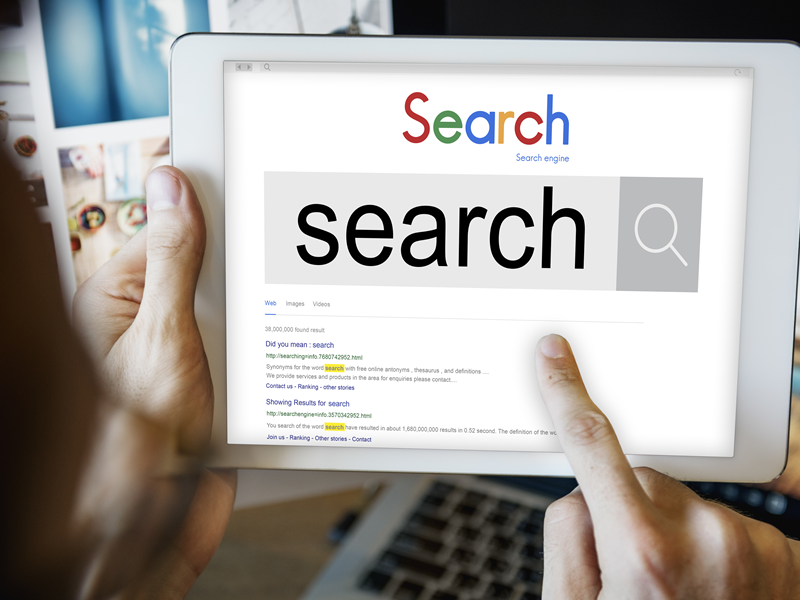
Search = Intent (Not Hope)
Unlike social ads that interrupt people mid-scroll, Google paid search only shows your ads when someone is actively looking.
hese users aren't guessing or dreaming — they're typing things like "sell my house in Phoenix" or "best real estate agent in Dallas."
That's why pay per click PPC marketing attracts prospects who are already motivated, not convinced later.
In real estate, intent beats volume every time.
Buyers and Sellers Self-Identify Through Keywords
One of the biggest advantages of pay per click PPC services is that prospects tell you exactly who they are through their searches.
- Seller keywords include words like sell, value, list, cash offer
- Buyer keywords include homes for sale, buy, new construction, neighborhoods
This makes it easy to separate campaigns, messaging, and landing pages — something most agents don't do.
When campaigns are split by intent, lead quality improves immediately.
You Control Location, Timing, and Budget
With Google paid search, you decide:
- Which cities, ZIP codes, or radiuses see your ads
- When ads run (business hours, evenings, weekends)
- How much you're willing to pay per lead
This level of control is why experienced pay per click PPC management services can scale campaigns without waste.
You're not guessing where leads come from — you're choosing it.
You Catch Prospects at the Decision Moment
This is the real advantage most agents miss.
By the time someone searches on Google, they've often:
- Researched options
- Compared agents
- Read reviews
- Narrowed choices
Your ad shows up at the exact moment they're ready to act.
That's why Google paid search quietly dominates real estate lead generation when handled by a capable pay per click PPC marketing team.
In short, Google Ads doesn't chase attention.
It captures decisions — and that's why it wins.
How US Agents Structure Google Paid Search Campaigns That Convert
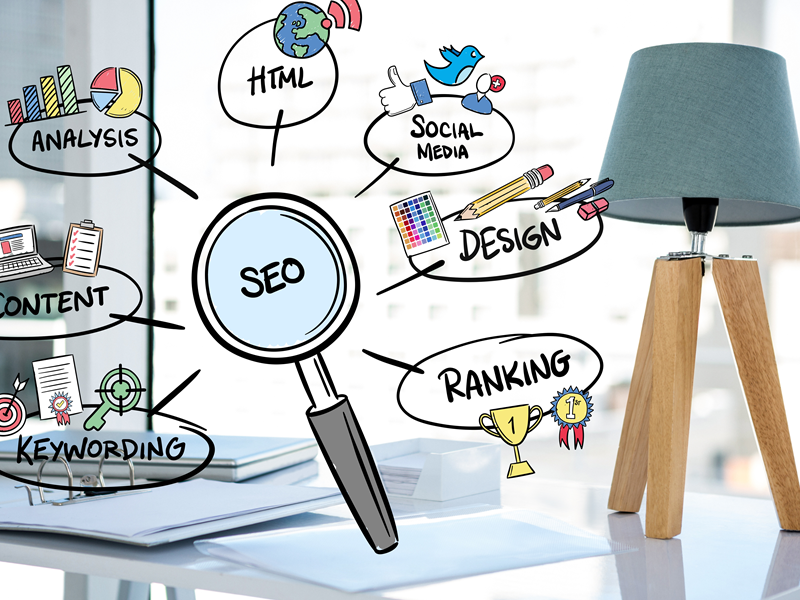
How US Agents Structure Google Paid Search Campaigns That Convert
This is where most agents either get results—or waste money.
The structure of your Google Ads account matters more than your budget.
Top-performing US agents keep it simple, clean, and built around intent.
1. Split campaigns by intent (buyers vs sellers)
Never mix buyers and sellers in the same campaign. They search differently, think differently, and convert for different reasons.
- Buyer campaigns target searches like "homes for sale in Austin" or "buy a house in Tampa."
- Seller campaigns focus on "sell my house fast", "home value in Phoenix", or "list my home."
This separation allows tighter keywords, clearer ads, and landing pages that speak to exactly one goal.
It's one of the biggest reasons real estate lead generation improves with google paid search when done properly.
2. Use local geo-targeting (ZIP codes beat cities)
Broad location targeting wastes spend. High-converting agents narrow their reach.
- Target specific ZIP codes, not entire cities
- Use radius targeting around high-value neighborhoods
- Exclude areas you don't serve or that don't convert
This approach lowers competition, improves relevance, and stretches your budget further—something every ppc advertising company focuses on for local campaigns. To decide which ZIP codes are worth bidding on, a real estate scraper like GoProxies' can pull current listing prices and inventory by area at scale.
3. Use smart bidding—but keep control
Smart bidding works, but only when it's guided.
- Start with Maximize Conversions or Target CPA
- Set clear daily budgets so spend doesn't spiral
- Let campaigns run long enough to collect real data
The goal isn't clicks—it's appointments. A disciplined pay per click marketing setup focuses on lead quality, not volume.
4. Write ads that filter out bad leads
Good ad copy doesn't attract everyone. It attracts the right people.
High-performing ads:
- Call out location clearly ("Serving Dallas Sellers Only")
- Mention qualification points ("Homes $400k+" if relevant)
- Set expectations ("Free Seller Consultation – By Appointment")
This kind of copy reduces junk leads and improves close rates—exactly how experienced ppc marketing agencies protect ROI for US agents.
When campaigns are structured this way, Google Ads stops feeling random.
It becomes a predictable system for real estate lead generation—built on intent, focus, and control.
Read this article: : Top 6 AI-Powered Project Management Tools To Use In 2023
Landing Pages That Turn Clicks into Real Appointments
This is where most Google Ads campaigns quietly fail.
Not because the ads are bad — but because the landing page kills the conversion.
You can run perfect google paid search campaigns, but if the page people land on isn't built for action, you're paying for clicks that go nowhere.
Let's break this down properly.
Why Sending Traffic to Your Homepage Fails
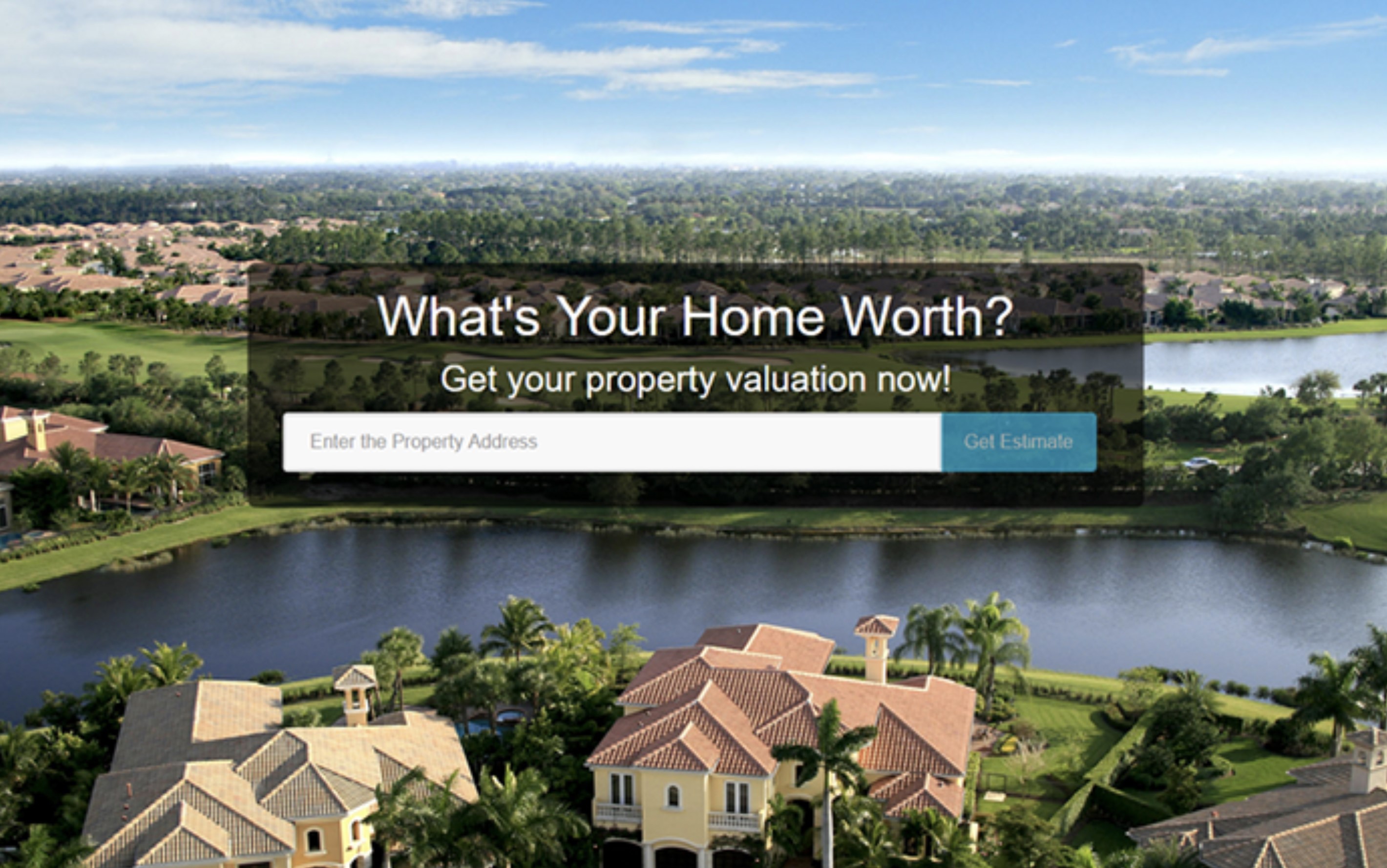
Your homepage is designed for everyone.
Paid traffic needs a page designed for one decision.
When someone clicks a Google ad, they're already mid-journey.
If they land on a homepage with:
- multiple menus
- listings, blogs, testimonials, careers, contact pages
- no clear next step
They hesitate. And hesitation kills conversions.
A focused landing page removes choice and replaces it with clarity.
One Offer. One Action. One Outcome.
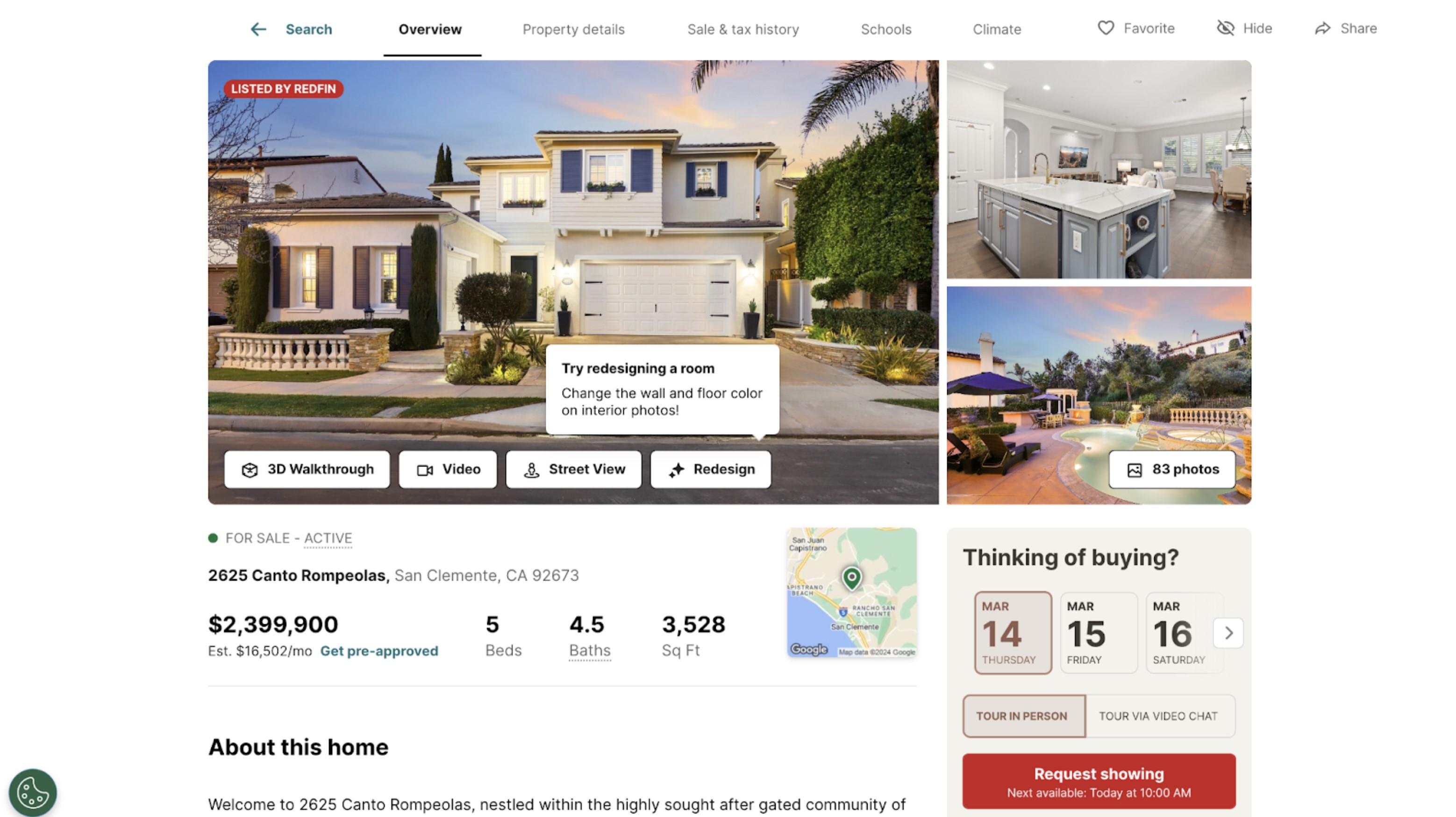
High-converting real estate landing pages do one job only.
Examples that work:
- "Get Your Free Home Value in 60 Seconds"
- "Book a Buyer Consultation Today"
- "Talk to a Local Agent Before You List"
That's it.
No secondary offers. No distractions. No navigation menus.
The page should answer three questions instantly:
- What is this for?
- Who is it for?
- What happens if I act now?
This is exactly how experienced ppc advertising companies design pages that turn paid traffic into booked appointments, not just form fills.
Trust Signals US Buyers & Sellers Expect to See
People clicking ads are cautious.
They're about to give personal details. Trust matters.
Strong real estate landing pages include:
- Agent photo (real, professional, local)
- Google reviews or testimonials
- "Serving [City/State]" clearly stated
- Brokerage logos or certifications
- Clear privacy reassurance ("No spam. No pressure.")
These signals reduce friction and increase conversions fast — especially for seller leads.
Forms vs Calls vs Instant Scheduling (What Actually Converts)
There's no single "best" option — it depends on intent.
Forms
- Best for seller valuations and buyer guides
- Keep them short (name, email, phone max)
- Fewer fields = higher conversion rate
Phone Calls
- Work well for urgent seller searches
- Must be tracked properly (call tracking is critical)
- Only effective if someone actually answers
Instant Scheduling
- High quality, lower volume
- Excellent for serious buyers & sellers
- Filters out time-wasters automatically
Most high-performing pay per click PPC services test all three — then double down on what produces real conversations, not just leads.
Google Ads doesn't fail most agents.
Landing pages do.
If your page isn't built to:
- match the search intent
- remove distractions
- build trust quickly
- and guide one clear action
You're paying for traffic your competitors will gladly close instead.
Fix the landing page, and suddenly real estate lead generation from Google becomes predictable — not frustrating.
Budget, ROI, and What "Good" Performance Actually Looks Like
This is where expectations usually go wrong.
Google Ads doesn't fail because it's expensive — it fails because agents expect instant results, cheap leads, and zero learning time.
That's not how google paid search or pay per click marketing works.
Let's set this straight with real numbers and clear benchmarks for US real estate agents.
Typical Starting Budgets for US Agents
You don't need a massive budget to start, but you do need enough data for Google to learn.
| Agent Type | Monthly Ad Budget | What This Budget Is For |
| Solo agent (local area) | $1,000 – $1,500 | Testing keywords, ads, and landing pages |
| Experienced agent | $2,000 – $3,500 | Consistent buyer or seller lead flow |
| Team / brokerage | $5,000+ | Scaling multiple locations or intents |
Anything under $1,000/month usually doesn't generate enough data to optimize properly.
This is why many ppc advertising companies won't take on campaigns below a certain spend — it's not profitable for either side.
What a Healthy Cost Per Lead (CPL) Looks Like
CPL varies by market, competition, and intent. But there are healthy ranges.
| Lead Type | Typical CPL (US) | Why |
| Buyer leads | $30 – $80 | More competition, broader intent |
| Seller leads | $60 – $150 | Higher intent, higher value |
| Appointment-booked leads | $100 – $250 | Lower volume, very high quality |
Agents who obsess over "cheap leads" usually lose money.
Agents who focus on close rate win.
A $120 seller lead that closes is infinitely better than ten $15 leads that ghost you.
Why Quality Beats Volume Every Time
More leads doesn't mean more deals.
Here's a simple comparison:
| Scenario | Leads | Close Rate | Deals |
| Cheap, low-intent leads | 40 | 1% | 0–1 |
| High-intent search leads | 10 | 8–12% | 1 |
This is why pay per click PPC services outperform social ads when done right.
Search leads arrive with intent. They already want something — you're just meeting them at the right moment.
How Long Before Results Stabilize (Be Patient Here)
Google Ads is not instant magic. It's a learning system.
| Timeframe | What's Happening |
| First 2 weeks | Data collection, testing keywords and ads |
| 30 days | Early optimization, removing waste |
| 60 days | CPL stabilizes, intent becomes clearer |
| 90 days | Reliable performance and predictable leads |
Agents who pause campaigns after two weeks usually fail.
Campaigns managed by a serious ppc marketing agency are optimized over time — not judged overnight.
Good Google Ads performance looks like this:
- Fewer leads
- Higher intent
- Better conversations
- More closed deals
If your real estate lead generation strategy focuses on ROI instead of vanity metrics, Google paid search becomes one of the most predictable growth channels available in 2026.
The agents who win aren't chasing cheap clicks.
They're investing in intent — and letting results compound.
Real Estate Lead Generation Mistakes to Avoid with Google Paid Search
Google paid search can be a money printer for real estate lead generation — or a quiet budget killer. The difference usually comes down to a few avoidable mistakes.
Most agents don't fail because Google Ads doesn't work. They fail because they repeat the same errors everyone else makes.
Here's what to avoid.
Competing with Zillow Head-On
Trying to outbid Zillow, Realtor.com, or Redfin on broad keywords is a losing game.
These platforms:
- Have massive budgets
- Can afford lower ROI per lead
- Don't need every lead to convert
If you're a local agent, you shouldn't be chasing them on generic terms like "homes for sale".
You'll pay more and get less. Smart real estate lead generation focuses on local, intent-driven searches where national portals are weaker.
Using Broad Match Without Controls
Broad match keywords without guardrails are one of the fastest ways to burn cash.
Yes, broad match can find new opportunities — but only when paired with:
- Strong negative keyword lists
- Clear campaign intent (buyer vs seller)
- Ongoing search term reviews
Uncontrolled broad match shows your ads for irrelevant searches, research queries, and comparison traffic that never converts. This mistake is common when campaigns aren't managed properly, even by some inexperienced PPC vendors.
Ignoring Negative Keywords
Negative keywords are not optional — they are essential.
Without them, your ads will show for searches like:
- "real estate license"
- "realtor salary"
- "zillow homes"
- "rentals" (if you don't do rentals)
Every irrelevant click inflates costs and lowers performance. High-performing Google paid search campaigns aggressively block junk traffic so only serious buyers and sellers get through.
This is one of the first things a competent PPC specialist fixes.
Stopping Campaigns Too Early
This is the most expensive mistake of all.
Google Ads needs time to:
- Learn which searches convert
- Optimize bidding
- Improve Quality Scores
Shutting down campaigns after one or two weeks guarantees failure.
Most campaigns don't stabilize until 30–60 days, and real improvements happen closer to 90 days.
Agents who quit early never see results — but they still pay the learning cost.
Google paid search isn't instant gratification. It's a system.
Avoid these mistakes and real estate lead generation becomes predictable, measurable, and scalable. Repeat them, and it will feel like Google Ads "doesn't work" — even though the problem was execution all along.
Real Estate Lead Generation Mistakes to Avoid with Google Paid Search
Most failures with Google paid search don't come from the platform itself.
They come from a handful of repeated mistakes that quietly drain budget and kill real estate lead generation before it ever has a chance to work. Understanding these issues early can save months of frustration and thousands in wasted ad spend.
One of the biggest errors is trying to compete with Zillow and national portals head-on. Large platforms can afford to pay more per click and accept lower ROI because of their scale.
Local agents cannot. When you chase broad keywords like "homes for sale," you end up paying premium prices for low-intent traffic.
The smarter approach is to focus on local, intent-driven searches where buyers and sellers are actively looking for an agent, not a marketplace.
- Competing on broad, national keywords
- Ignoring local and intent-based terms
Another common mistake is using broad match keywords without proper controls. Broad match can be useful, but only when it's managed carefully.
Without guardrails, Google will show your ads for unrelated searches that look similar on the surface but have zero chance of converting.
This leads to inflated costs and poor lead quality, making it feel like Google Ads doesn't work when the real issue is setup.
- Broad match used without structure
- No intent separation between buyers and sellers
Many campaigns also fail because agents ignore negative keywords. This is one of the simplest fixes, yet it's often overlooked. Without negatives, your ads show up for searches related to jobs, licensing, salaries, rentals, or research-only queries.
Every one of those clicks costs money and delivers nothing in return.
- No blocking of low-intent searches
- Paying for clicks that will never convert
Finally, a lot of agents stop campaigns too early. Google paid search needs time to learn which searches convert and which don't. Pulling the plug after one or two weeks guarantees failure.
Most campaigns only start stabilising after 30 days, with meaningful optimisation happening closer to 60–90 days.
- Expecting instant results
- Shutting campaigns down before optimisation kicks in
Avoid these mistakes and Google paid search becomes a reliable system for real estate lead generation. Repeat them, and even the best strategy will look broken.
Who This Strategy Works Best For (And Who It Doesn't)
This strategy works best for serious real estate agents, brokers, and small teams who treat lead generation like a system, not a lottery.
If you're focused on building predictable deal flow, tracking results, and improving performance over time, Google paid search fits naturally into how you already think about your business.
These are professionals who understand that fewer, higher-intent leads are more valuable than a long list of names that never answer the phone.
It is especially effective for agents and teams who are willing to commit to a clear niche or location.
Google paid search rewards focus. Agents who know exactly which cities, ZIP codes, price ranges, or types of clients they want tend to see better lead quality and stronger conversion rates.
When you pair that focus with consistent follow-up and a solid sales process, the results compound quickly.
On the other hand, this strategy does not work well for agents chasing the cheapest possible leads. If the goal is volume at any cost, Google paid search will feel expensive and frustrating.
Search traffic is intent-driven, which means you pay more per click, but you also get prospects who are closer to making a decision. Agents who aren't prepared to handle serious conversations often struggle with this.
Commitment matters more than budget here.
A smaller, steady spend managed properly will outperform a larger budget that's turned on and off or constantly reset.
Agents who give campaigns time to learn, optimise, and improve are the ones who win.
Those looking for instant results without patience or follow-through usually quit just before the system starts working.
Final Takeaway — Why This Works Quietly While Others Struggle
Most real estate agents are still chasing noise.
They pour money into channels that generate attention but very little intent, then wonder why lead quality keeps dropping.
More clicks, more impressions, more "leads" — yet fewer real conversations and even fewer closed deals. Activity looks high, but results stay flat.
Google paid search works differently because it rewards precision.
Instead of interrupting people, it meets buyers and sellers at the exact moment they're searching for answers, agents, or next steps. When campaigns are built around intent, location, and clear offers, the platform stops feeling unpredictable and starts behaving like a system.
Right now, this approach is still underused in real estate.
Many agents either avoid Google Ads entirely or run poorly structured campaigns that confirm their belief that "it doesn't work." That gap is the opportunity. But it won't stay open forever. As more agents figure this out, competition will increase and the advantage will shrink.
In 2026, the winners won't be the loudest or the busiest.
They'll be the ones who moved early, focused on intent instead of noise, and built a predictable engine for real estate lead generation while others were still guessing.
Frequently Asked Questions (FAQ)
What does a PPC ad agency actually do for real estate businesses?
A PPC ad agency manages the full lifecycle of paid search campaigns, from keyword research and ad creation to landing page alignment and ongoing optimisation.
In real estate, a good ppc advertising company focuses on intent-driven searches, not just traffic, so ads attract buyers and sellers who are ready to act.
This includes managing Google Ads and, where relevant, Bing pay per click advertising to capture additional high-intent demand.
Is there a difference between a PPC marketing agency and a PPC advertising firm?
Functionally, there's very little difference.
A ppc marketing agency, ppc advertising firm, or ppc ad company all provide pay per click services.
What matters is not the label, but whether the agency understands your market, your audience, and how to turn pay per click marketing into qualified leads instead of wasted clicks.
How does pay per click marketing help with real estate lead generation?
Pay per click marketing works because it targets intent.
Instead of showing ads to people who may or may not care, ppc digital marketing places ads in front of users actively searching for agents, homes, or ways to sell.
This makes ppc pay per click services especially effective for real estate, where timing and intent matter more than volume.
What are PPC ad management services and why do they matter?
PPC ad management services cover ongoing campaign work such as bid adjustments, keyword refinement, negative keyword management, and performance tracking.
Without proper ppc ad campaign management, campaigns often overspend on low-quality searches.
Management is what turns PPC from a gamble into a predictable system.
Should real estate agents use Bing pay per click ads as well as Google Ads?
Yes, in many US markets Bing pay per click is overlooked but effective.
Bing users often skew slightly older and more affluent, which can be ideal for certain buyer and seller segments.
Running Bing pay per click ads alongside Google Ads can lower competition and reduce cost per lead, especially when handled by an experienced bing ppc services provider.
How much do PPC advertising services usually cost?
Costs vary based on market competition, ad spend, and service level.
Most ppc advertising services charge a monthly management fee on top of ad spend.
For real estate, pay per click PPC management services are typically priced to ensure enough budget remains for meaningful data and optimisation, rather than running underfunded campaigns that never stabilise.
What's the difference between PPC ads services and full PPC advertising management services?
Basic ppc ads services may only cover ad setup and light monitoring.
Full ppc advertising management services include strategy, keyword research, landing page guidance, conversion tracking, reporting, and continuous optimisation.
For competitive industries like real estate, full management usually delivers far better ROI.
How do I choose the right marketing agency PPC partner?
Look for a marketing agency PPC partner that understands your industry, explains results clearly, and focuses on conversions—not vanity metrics.
A strong ppc advertising agency will talk about lead quality, cost per appointment, and close rates, not just clicks and impressions. Transparency and experience matter more than flashy promises.
Are pay per click PPC services suitable for small real estate teams?
Yes, as long as expectations are realistic.
Pay per click PPC services work well for small teams when campaigns are tightly focused on location and intent.
A smaller, consistent budget managed properly often outperforms larger budgets that are poorly structured or constantly reset.
How long does PPC advertising management take to show results?
Most ppc advertising management services need 30–60 days to collect data and optimise effectively. Early clicks don't tell the full story.
The real gains usually come after campaigns have time to learn which searches produce real conversations and closed deals.
Most Popular Posts

Effective communication among team members is vital for the productivity and success of any organization. Surprisingly, 60% of companies lack a long-term internal communication strategy, which p...


Businesses thrive on communication for efficiency, productivity and accomplishment. When the right information is passed from the right designation in the organization, it promotes positivity an...

Categories
Blog
(3210)
Business Management
(395)
Employee Engagement
(235)
Digital Transformation
(218)
Growth
(150)
Intranets
(142)
Internal communications
(107)
Remote Work
(68)
Sales
(53)
Collaboration
(53)
Customer Experience
(33)
Culture
(30)
Knowledge Management
(29)
Project management
(29)
Leadership
(20)
Comparisons
(9)
News
(1)

Related Posts

What happens when a buyer asks Google for the best employee communication platform—and discovers competing brands before reaching your website? Choosing the best link building services can help a digital workplace business strengthen its broade...

Could gaps in digital accessibility be stopping your employees from completing the training they need to do their jobs? Imagine a new starter opening a mandatory course, only to discover they can't follow the audio, navigate the quiz with a keyboard ...

The Amazon advertising agency landscape has changed dramatically over the past two years. With the introduction of AI-powered shopping experiences, Amazon Rufus, advanced attribution reporting, Sponsored Brands Video, and Amazon DSP enhancement...

Why do your remote staff still struggle to work together when they have the apps, laptops and access they need? Often, the problem is the small gaps between people and information. Someone can't open the latest document. An approval gets buried...

An AI coworker could help solve a problem most businesses know well: too much knowledge work and too little time. Employees spend their day searching for information, preparing updates and answering the same questions. Having a system tha...


Jill Romford
I am a digital nomad, lover of exploring new places and making friends.
I love to travel and I love the internet. I take pictures of my travels and share them on the internet using Instagram.
Traveler, entrepreneur, and community builder. I share my insights on digital marketing and social media while inspiring you to live your fullest life.
Ready to learn more? 👍
One platform to optimize, manage and track all of your teams. Your new digital workplace is a click away. 🚀
Free for 14 days, no credit card required.