
Insight Blog
Agility’s perspectives on transforming the employee's experience throughout remote transformation using connected enterprise tools.
18 minutes reading time
(3597 words)
5 Smart Ways Technology Can Improve Your Delivery and Takeout Business in 2026

5 Smart Ways Technology Can Improve Your Delivery and Takeout Business in 2026
Discover 5 smart ways technology can improve your delivery and takeout business, from faster communication and mobile workforce management to workflow automation and better customer service.
5 Smart Ways Technology Can Improve Your Delivery and Takeout Business in 2026

Running a restaurant today is completely different from how it was even five years ago.
Delivery apps, rising customer expectations, labor shortages, and faster service demands have completely changed how food businesses operate.
That's exactly why more companies are investing in delivery and takeout business technology to stay competitive and keep operations running smoothly.
Customers now expect real-time updates, accurate delivery times, mobile ordering, and fast service every single time. If communication breaks down between kitchen staff, drivers, and managers, things can quickly become chaotic.
In fact, the global restaurant management software market was valued at nearly $5.8 billion in 2024 and is projected to grow rapidly as restaurants continue adopting digital tools and SaaS platforms to improve efficiency.
$5.8B
restaurant software market
The global restaurant management software market was valued at nearly $5.8 billion in 2024 as restaurants rapidly adopted SaaS platforms, cloud based POS systems, AI tools, and digital restaurant technology solutions to improve operational efficiency.
Source: Grand View Research
A huge shift happening right now is the move toward cloud based pos systems and connected SaaS tools.
According to industry reports, over 52% of corporate restaurants have already moved to cloud-based POS platforms because they help centralize orders, payments, inventory, delivery coordination, and reporting into one system.
The challenge is that many restaurants still rely on disconnected apps, spreadsheets, WhatsApp groups, paper schedules, and manual coordination.
That creates delays, missed updates, frustrated employees, and poor customer experiences — especially during busy delivery periods.
This is where modern restaurant technology solutions really start making a difference.
From employee communication platforms and workflow automation to mobile workforce management and digital SOP access, SaaS technology is helping restaurants simplify operations while improving customer satisfaction at the same time.
Even major brands like McDonald's, Chipotle, and Starbucks are heavily investing in AI, automation, and connected restaurant software to improve operational efficiency and reduce stress on frontline teams.
The good news is you no longer need enterprise-level budgets to modernize your restaurant operations.
Today, affordable SaaS platforms make it much easier for delivery and takeout businesses to improve communication, automate repetitive tasks, and scale operations without adding unnecessary complexity.
Key Takeaways
- Modern delivery and takeout businesses are investing heavily in SaaS platforms, cloud based POS systems, and restaurant technology solutions to improve operational efficiency.
- Poor communication between kitchen staff, delivery drivers, and managers often leads to delayed orders, operational confusion, and negative customer experiences.
- AI and automation are helping restaurants streamline onboarding, scheduling, compliance tasks, delivery coordination, and customer support operations.
- Modern intranet and employee communication platforms help frontline restaurant teams stay connected in real time across multiple locations.
- Restaurants using centralized SaaS tools can improve team coordination, reduce operational stress, and create better customer experiences as delivery demand grows.
The Biggest Challenges Restaurants Are Facing in 2026
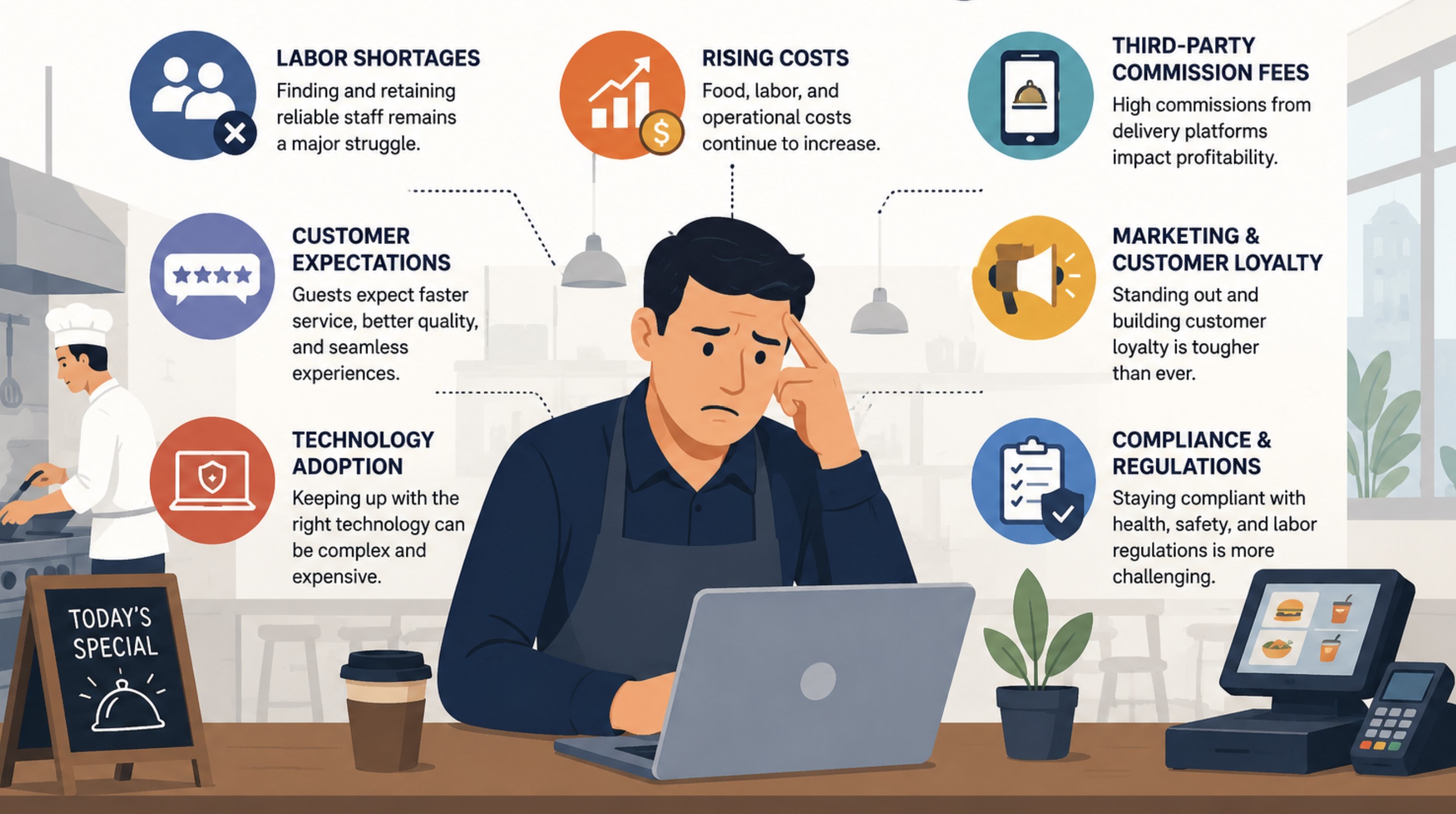
So if your running a restaurant business in 2026 then honestly it might feel more like managing a fast-moving tech business than just serving food.
Between delivery apps, online orders, staffing shortages, rising costs, and customer expectations, restaurant owners are under constant pressure to keep everything running smoothly.
One of the biggest problems restaurants face today is operational complexity.
Many businesses are juggling multiple disconnected systems for orders, payments, staff communication, scheduling, inventory, and delivery tracking. When those systems don't work together properly, mistakes happen fast — delayed orders, poor communication, frustrated staff, and unhappy customers.
Labor shortages are still a huge issue too.
According to the National Restaurant Association, restaurants continue struggling to recruit and retain workers while also dealing with higher wage expectations and burnout across frontline teams.
That creates even more pressure on managers to improve workflows and simplify day-to-day operations.
The Biggest Challenges Restaurants Are Facing in 2026
Another growing challenge is customer expectations.
People now expect real-time delivery tracking, instant updates, fast response times, mobile ordering, and consistent experiences whether they order in-store, online, or through delivery apps. If a restaurant falls behind on speed or communication, customers can quickly switch to competitors.
This is why many businesses are upgrading their restaurant pos system, and investing in connected SaaS platforms that centralize operations.
Modern POS systems no longer just process payments — they now help restaurants manage online orders, delivery workflows, inventory, analytics, staff coordination, and customer data from one place.
Cybersecurity and data management are becoming bigger concerns as well. Restaurants are collecting more customer information through loyalty apps, online ordering systems, and payment platforms, making secure cloud-based software more important than ever.
On top of all that, many restaurant teams still rely on outdated communication methods like paper schedules, group chats, spreadsheets, or disconnected apps.
That slows teams down and creates confusion during busy periods.
The restaurants growing fastest right now are usually the ones embracing SaaS technology, automation, mobile workforce tools, and smarter communication systems to simplify operations and improve customer experience at the same time.
Smart Ways Technology Helps Delivery and Takeout Businesses Grow Faster
#1. Use Employee Communication Platforms to Keep Teams Connected
One of the biggest problems in delivery and takeout businesses is poor communication.
It sounds simple, but when kitchen staff, drivers, shift managers, and customer service teams are all using different apps or relying on paper notes and WhatsApp messages, things can quickly fall apart during busy hours.
A missed update about a delayed driver, a shift change nobody saw, or a customer complaint that doesn't reach the right person can easily create operational chaos.
In the restaurant industry, even small communication delays can directly impact customer experience, delivery times, and online reviews.
This is exactly why more restaurants are investing in centralized SaaS communication platforms instead of relying on disconnected tools.
Modern employee communication platforms allow restaurant teams to:
- Send real-time announcements to all staff
- Create department or location-based chats
- Share shift updates instantly
- Notify delivery drivers about urgent changes
- Access SOPs and operational updates from mobile devices
- Reduce confusion across multiple restaurant locations
For example, imagine a fast-growing takeout restaurant with three locations handling hundreds of delivery orders every evening. Before using a centralized communication platform, managers were relying on text messages, spreadsheets, and phone calls to coordinate drivers and kitchen staff.
During peak hours, orders were often delayed because drivers missed updates or staff weren't informed about inventory shortages quickly enough.
Managers could instantly notify drivers about delivery route changes, kitchen staff received real-time operational updates, and onboarding materials became accessible directly from employees' phones.
The impact was noticeable almost immediately:
- Faster internal communication
- Fewer missed delivery updates
- Reduced order delays
- Better coordination between locations
- Faster onboarding for new staff
- Improved employee accountability
This becomes even more important as restaurants scale. Once businesses operate across multiple locations or delivery zones, communication can no longer rely on manual processes.
SaaS communication tools help restaurants create a more connected workforce while reducing operational stress on managers and frontline teams.
#2. Cloud-Based Document Management Simplifies Training and SOP Access
One thing many restaurant owners underestimate is how much time gets wasted searching for information.
In busy delivery and takeout environments, staff often need quick access to food safety procedures, delivery instructions, opening checklists, or customer handling policies. If that information is stored in paper binders, old emails, or scattered across multiple apps, it creates confusion fast.
This becomes an even bigger problem when restaurants have multiple locations or high employee turnover. New staff constantly need training, drivers need updated procedures, and managers need everyone following the same standards consistently.
That's why many businesses are moving toward cloud-based SaaS document management systems.
Instead of relying on outdated paper manuals or disconnected folders, restaurant teams can access everything from one centralized platform using their phone, tablet, or desktop.
Modern platforms allow restaurants to store and organize:
- Food safety procedures
- Delivery driver policies
- Opening and closing checklists
- Employee handbooks
- Compliance documents
- Training videos
- Operational SOPs
For example, imagine a restaurant chain onboarding 15 new delivery drivers during a busy holiday period.
Previously, managers had to manually print training documents, explain procedures individually, and answer the same questions repeatedly. Important updates were often missed, and staff followed inconsistent processes across locations.
New employees could access training videos directly from their mobile devices before starting shifts, while managers could instantly update policies across every location.
The impact was significant:
- Faster employee onboarding
- Reduced training time
- More consistent food safety compliance
- Fewer operational mistakes
- Easier document access for frontline staff
- Less dependency on managers for routine questions
This is one reason cloud-based restaurant technology solutions are becoming essential in 2026. Restaurants simply operate too fast today to rely on outdated manual systems. Centralized document management helps teams stay aligned while making daily operations far easier to manage.
#3. Workflow Automation Helps Restaurants Save Time and Reduce Operational Stress
One of the biggest hidden problems in restaurants is how much time managers spend handling repetitive admin tasks every single day.
Things like approving leave requests, onboarding new staff, updating schedules, chasing compliance forms, and manually sending operational updates can quickly eat into valuable time.
When restaurants are already dealing with staffing shortages and busy delivery periods, these manual processes create unnecessary pressure on managers and frontline teams.
That's why more businesses are turning to SaaS workflow automation tools to simplify operations and reduce repetitive work.
Modern restaurant technology solutions can automate many everyday tasks, including:
- Employee onboarding workflows
- Shift approval requests
- Compliance acknowledgements
- Training reminders
- Internal announcements
- Task assignments
- Incident reporting
- Staff document collection
Instead of relying on endless emails, paperwork, spreadsheets, or phone calls, automation helps restaurants create standardized processes that run much more efficiently.
For example, imagine a growing takeout business hiring seasonal workers during major holiday periods.
Previously, managers had to manually send onboarding documents, collect signed policies, schedule training, and remind employees about missing forms. This often caused delays, missing paperwork, and inconsistent onboarding experiences between locations.
The impact was immediate:
- Faster onboarding completion
- Reduced paperwork and admin time
- Fewer compliance issues
- Better employee accountability
- Less stress on restaurant managers
- More consistent processes across locations
Automation also helps restaurants react faster during busy operational periods. Instead of managers manually chasing updates or approvals, workflows can trigger automatic notifications and reminders in real time.
In 2026, restaurants that still rely heavily on manual operations often struggle to scale efficiently.
Workflow automation allows businesses to save time, improve organization, and keep delivery and takeout operations running more smoothly without increasing management overhead.
#4. Real-Time Technology Improves Customer Experience
Customers expect fast delivery, accurate updates, and quick responses when ordering food online. If orders are delayed or communication is poor, restaurants can quickly lose repeat business.
Modern restaurant technology solutions help businesses track orders, improve delivery coordination, and respond to issues faster. Many restaurants now use SaaS platforms to centralize customer updates, delivery tracking, and internal communication.
For example, a busy takeout restaurant was struggling with late deliveries and negative reviews because drivers and kitchen staff were not receiving updates quickly enough.
After implementing a connected communication platform like AgilityPortal alongside their cloud based POS system, managers could instantly notify teams about delays, stock issues, and urgent customer requests.
The result:
- Faster response times
- Fewer delivery mistakes
- Better customer satisfaction
- Improved online reviews
In 2026, restaurants that provide better communication usually deliver a better customer experience overall.
5. Data and Analytics Help Restaurants Make Smarter Decisions
Many restaurants still make operational decisions based on guesswork instead of real data.
That becomes risky when delivery demand, staffing costs, and customer expectations change constantly.
Modern SaaS platforms and restaurant technology solutions provide real-time analytics that help businesses track:
- Delivery performance
- Peak ordering times
- Staff productivity
- Customer trends
- Operational bottlenecks
For example, a restaurant noticed delivery times were increasing every Friday evening.
Using analytics from their restaurant POS system and communication tools, managers discovered driver shortages during peak hours were causing delays. After adjusting staff schedules and improving team coordination, delivery times improved significantly.
The impact included:
- Faster deliveries
- Better staff planning
- Improved operational efficiency
- Higher customer retention
Data-driven restaurants are often able to scale faster because they can identify problems early and improve operations before customer experience suffers.
Why Modern Delivery and Takeout Businesses Are Moving Toward SaaS Platforms
Why Modern Delivery and Takeout Businesses Are Moving Toward SaaS Platforms
Restaurants are becoming far more technology-driven than ever before.
In 2026, many delivery and takeout businesses are moving away from disconnected apps and outdated systems in favor of centralized SaaS platforms that simplify operations, improve communication, and support faster growth.
One of the biggest reasons behind this shift is the rise of AI and automation.
Restaurants are now using AI-powered tools to predict peak ordering times, automate shift scheduling, improve inventory tracking, and even assist with customer support. Automation is also helping businesses reduce repetitive admin tasks like onboarding new employees, assigning tasks, managing compliance documents, and sending operational updates automatically.
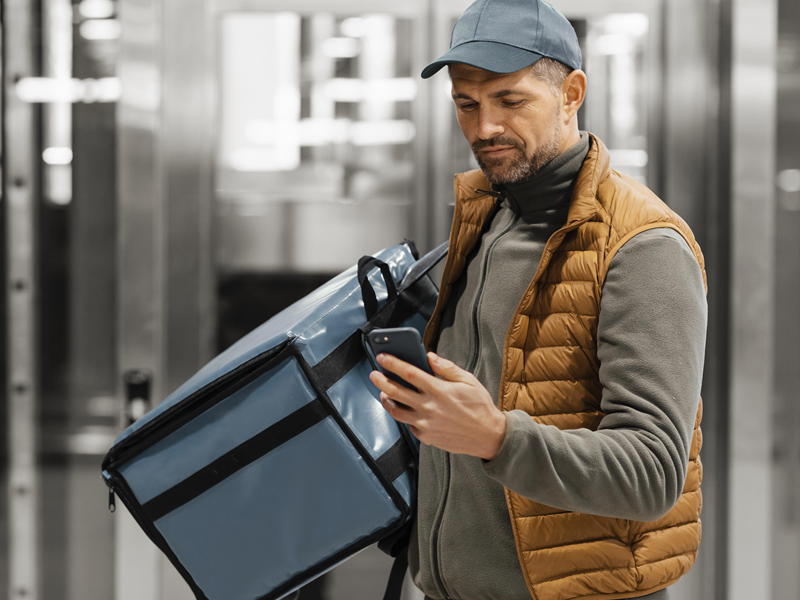
At the same time, communication between frontline workers has become one of the biggest operational challenges for growing restaurants. Delivery drivers, kitchen staff, managers, and customer support teams are constantly moving, and when communication breaks down, it often leads to delayed orders, frustrated employees, and poor customer experiences.
For example, a restaurant franchise operating across several locations struggled with inconsistent communication between kitchen teams and delivery drivers. Important operational updates were often missed because staff relied on separate apps and manual communication methods.
After implementing a centralized SaaS intranet platform, the business was able to automate staff notifications, centralize onboarding, and improve communication across all locations.
The result was faster coordination between teams, fewer operational mistakes, improved delivery efficiency, and better employee engagement overall.
As delivery operations continue growing, SaaS platforms powered by AI, automation, and intranet communication tools are becoming essential for restaurants that want to scale efficiently while keeping frontline teams connected and organized.
Keep Your Restaurant, Delivery Drivers, and Frontline Teams Connected in One Place
Keep Your Restaurant, Delivery Drivers, and Frontline Teams Connected in One Place
Running a modern delivery or takeout business requires fast communication, organized workflows, and real-time coordination between kitchen staff, drivers, managers, and support teams.
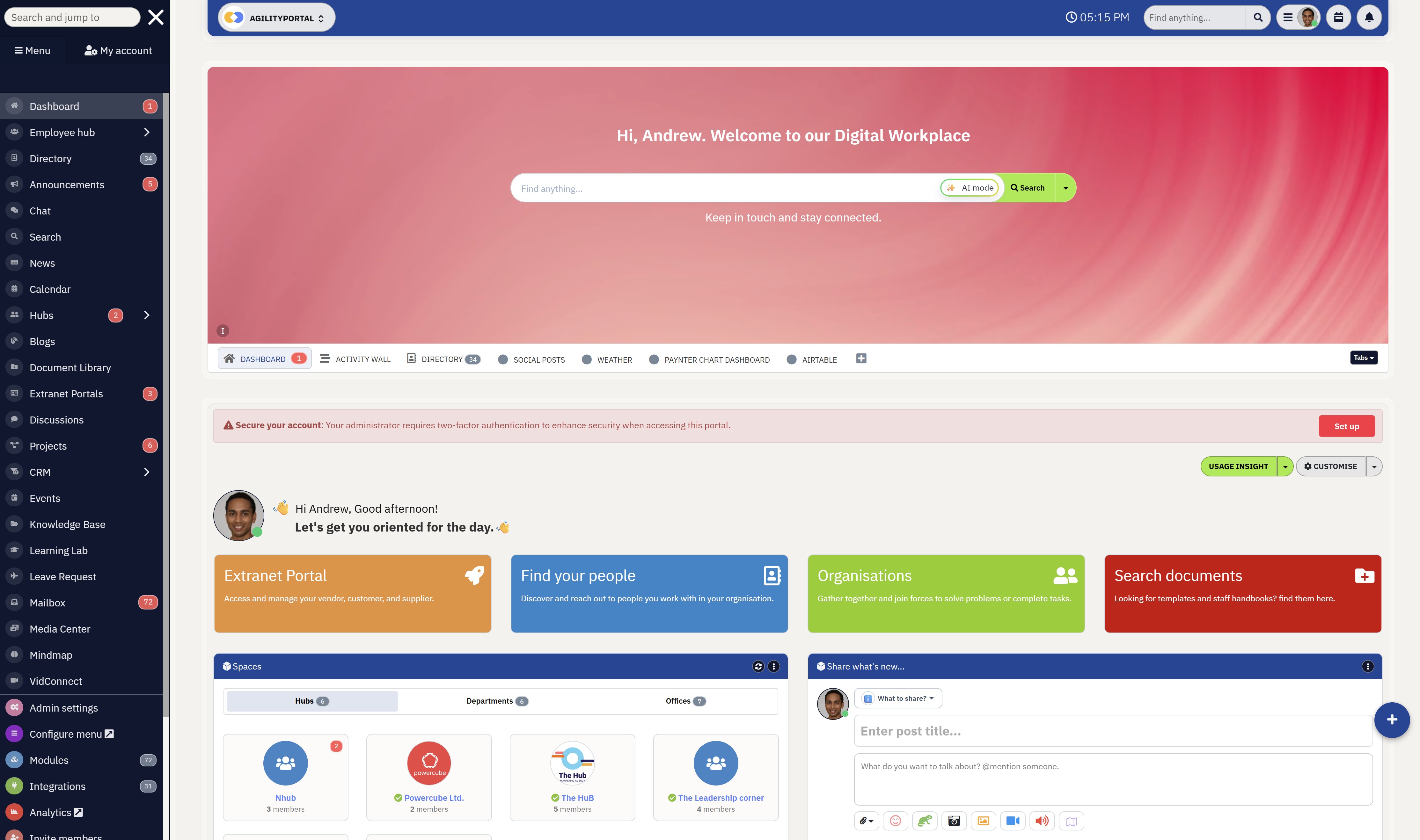
AgilityPortal's App helps restaurants centralize communication, automate operational tasks, manage onboarding, and keep frontline workers connected from anywhere using one secure SaaS platform.
Whether you operate a single restaurant or multiple franchise locations, AgilityPortal helps reduce communication gaps, improve team coordination, and simplify daily operations across your workforce.
With features like:
- Mobile workforce communication
- Real-time announcements and alerts
- Employee onboarding workflows
- Cloud-based document management
- Team collaboration tools
- Multi-location communication
- Workflow automation
AgilityPortal gives delivery and takeout businesses a smarter way to manage frontline teams while improving operational efficiency.
You can also explore a free demo to see how the platform supports modern restaurant operations:
Final Thoughts
The restaurant industry is moving faster than ever, and delivery and takeout businesses can no longer rely on outdated systems or disconnected tools if they want to stay competitive.
Customers now expect speed, convenience, accurate delivery updates, and consistent service every time they place an order.
That's why more businesses are investing in SaaS technology, AI-powered automation, cloud based POS systems, and modern restaurant technology solutions to simplify operations and improve communication across teams.
From automating repetitive tasks to improving delivery coordination and employee onboarding, technology is helping restaurants operate more efficiently while reducing operational stress.
Just as importantly, modern intranet platforms are helping frontline workers stay connected in real time.
Kitchen staff, delivery drivers, managers, and support teams all need instant access to updates, training materials, and operational information to keep service running smoothly during busy periods.
As delivery demand continues growing in 2026, the restaurants adopting smarter SaaS solutions today will likely be the ones best positioned to scale faster, improve customer experience, and stay ahead of the competition.
AI Summary
- Modern delivery and takeout businesses are increasingly adopting SaaS platforms, cloud based POS systems, and restaurant technology solutions to improve efficiency and streamline operations.
- Restaurants often struggle with disconnected communication, delayed delivery coordination, manual workflows, and rising customer expectations in fast-moving delivery environments.
- AI and automation are helping restaurants simplify scheduling, onboarding, inventory tracking, operational updates, and customer support processes.
- Frontline restaurant workers need real-time access to announcements, training materials, SOPs, and operational updates to reduce communication gaps during busy service periods.
- Modern intranet and employee communication platforms help delivery drivers, kitchen staff, managers, and support teams stay connected across multiple locations.
- Businesses using centralized SaaS communication and workflow tools can reduce operational stress, improve delivery coordination, and create better customer experiences.
- Platforms like AgilityPortal help restaurants centralize communication, automate workflows, manage onboarding, and improve frontline workforce collaboration in one connected digital workplace.
Most Popular Posts

Effective communication among team members is vital for the productivity and success of any organization. Surprisingly, 60% of companies lack a long-term internal communication strategy, which p...


Businesses thrive on communication for efficiency, productivity and accomplishment. When the right information is passed from the right designation in the organization, it promotes positivity an...
Categories
Blog
(2950)
Business Management
(368)
Employee Engagement
(222)
Digital Transformation
(190)
Growth
(142)
Intranets
(134)
Remote Work
(63)
Sales
(53)
Collaboration
(47)
Customer Experience
(30)
Culture
(29)
Knowledge Management
(28)
Project management
(28)
Leadership
(20)
Comparisons
(9)
News
(1)

Related Posts

Running a restaurant today is completely different from how it was even five years ago. Delivery apps, rising customer expectations, labor shortages, and faster service demands have completely changed how food businesses operate. That's e...

Why do trusted employees sometimes commit fraud inside organizations? It's a difficult question most business owners, HR leaders, and finance teams never expect to deal with until something goes wrong. The reality is that workplace fraud is far more ...
![Best Free LMS Platforms for Employee Training + Online Learning in 2026 [Expert Picks]](http://agilityportal.io/images/easyblog_articles/1756/b2ap3_thumbnail_Best-Free-LMS-Platforms-for-Employee-Training--Online-Learning-in-2026-.jpg "Best Free LMS Platforms for Employee Training + Online Learning in 2026 [Expert Picks]")
Employee training has changed a lot over the last few years. More businesses are now managing remote teams, hybrid workers, and distributed employees across different locations, which means traditional classroom training simply doesn't work the...

Most people don't realize it, but businesses use some form of a Schedule of Reinforcements every single day — whether it's employee bonuses, praise from a manager, sales commissions, promotions, or even simple recognition during team meetings. ...

AI-assisted software development is rapidly changing how modern businesses build software, and it's happening much faster than many companies expected. From AI coding tools that generate code suggestions in seconds to intelligent testing automation a...


Jill Romford
I am a digital nomad, lover of exploring new places and making friends.
I love to travel and I love the internet. I take pictures of my travels and share them on the internet using Instagram.
Traveler, entrepreneur, and community builder. I share my insights on digital marketing and social media while inspiring you to live your fullest life.
Ready to learn more? 👍
One platform to optimize, manage and track all of your teams. Your new digital workplace is a click away. 🚀
Free for 14 days, no credit card required.