Insight Blog
Agility’s perspectives on transforming the employee's experience throughout remote transformation using connected enterprise tools.
28 minutes reading time
(5617 words)
How Deep Tech Companies Can Overcome Recruitment Challenges + Solutions for 2026

How Deep Tech Companies Can Overcome Recruitment Challenges + Solutions in 2026
Discover how deep tech companies can overcome recruitment challenges in 2026. Learn proven strategies for attracting, hiring, and retaining specialized technical talent in competitive markets.
How Deep Tech Companies Can Overcome Recruitment Challenges + Solutions in 2026

Recruitment challenges remain one of the biggest obstacles to growth for deep tech companies in 2026.
As demand for AI engineers, data scientists, robotics specialists, semiconductor experts, and biotech researchers continues to rise, organizations are finding it increasingly difficult to secure the specialized talent they need.
In fact, according to the World Economic Forum, 44% of workers' core skills are expected to change by 2027, highlighting the growing pressure on employers to find and develop highly skilled professionals.
44%
of core skills
According to the World Economic Forum, 44% of workers' core skills are expected to change by 2027, creating significant pressure on employers to recruit, upskill, and retain highly skilled talent.
Source: World Economic Forum – Future of Jobs Report
For many deep tech companies, competing with larger enterprises for niche talent has made deep tech recruitment more complex than ever.
As a result, many organizations are turning to a deep tech recruitment agency to help identify, attract, and hire qualified candidates faster.
In this article, we'll examine the biggest recruitment challenges facing deep tech companies, explore why these hiring difficulties are becoming more severe, and share practical strategies to improve deep tech recruitment, attract top talent, and boost long-term employee retention.
Key Takeaways
- Recruitment challenges remain one of the biggest growth barriers for deep tech companies, particularly in sectors such as AI, robotics, biotechnology, quantum computing, and advanced engineering.
- Global shortages of STEM professionals, increasing competition from large technology firms, and rising salary expectations make it difficult for organizations to secure specialized technical talent.
- Successful deep tech recruitment strategies combine employer branding, employee referrals, skills-based hiring, university partnerships, and global talent acquisition to build sustainable hiring pipelines.
- AI-powered recruitment tools, employee engagement platforms, and knowledge management systems can help companies reduce time-to-hire, improve candidate quality, and strengthen employee retention.
- Deep tech companies that treat recruitment as a long-term business strategy rather than a reactive process are better positioned to attract, hire, and retain top talent in competitive markets.
What Are Deep Tech Companies?
Deep tech companies are businesses built around significant scientific discoveries, advanced engineering, or breakthrough technologies that solve complex real-world problems.
Unlike traditional technology startups that often focus on software applications, digital platforms, or consumer services, deep tech firms rely on years of research, specialized knowledge, and technical innovation to bring their products to market.
These organizations typically operate in highly specialized fields where success depends on scientific expertise and continuous innovation.
Common examples include:
- Artificial Intelligence (AI)
- Robotics
- Quantum Computing
- Biotechnology
- Clean Energy
- Advanced Manufacturing
- Semiconductor Technology
- Aerospace and Defense
What sets deep tech companies apart is the complexity of their work.
Developing a new AI model, designing advanced robotics systems, or creating breakthrough medical technologies often requires multidisciplinary teams with highly specialized skills.
As a result, hiring the right people becomes a critical business priority.

What Are Deep Tech Companies
Why Talent Is Critical to Deep Tech Success
Talent is the foundation of every successful deep tech company.
Unlike many businesses where processes can be standardized and scaled quickly, deep tech innovation depends heavily on the expertise of engineers, scientists, researchers, and technical specialists.
A single highly skilled employee can contribute directly to product breakthroughs, research advancements, or technological innovations that give a company a competitive advantage. Conversely, hiring the wrong candidate can have significant consequences.
Small hiring mistakes may delay product development, increase research costs, slow innovation cycles, or create setbacks that take months to correct.
Because deep tech organizations often work on cutting-edge technologies, finding and retaining qualified professionals is essential for maintaining momentum and achieving long-term growth.
This is why recruitment challenges remain one of the most pressing concerns for deep tech leaders in 2026 and beyond.
The 4 Reasons Why Recruitment Challenges Are Growing for Deep Tech Companies

The 4 Reasons Why Recruitment Challenges Are Growing for Deep Tech Companies
The recruitment challenges facing deep tech companies have intensified significantly in recent years.
Organizations working in artificial intelligence (AI), robotics, quantum computing, biotechnology, semiconductor engineering, and advanced manufacturing are competing for a limited pool of highly specialized professionals.
As innovation accelerates, the gap between talent demand and talent availability continues to widen, making deep tech recruitment one of the most pressing business concerns in 2026.
According to ManpowerGroup's Global Talent Shortage Survey, 75% of employers worldwide report difficulty finding qualified talent, making it increasingly challenging for deep tech companies to recruit professionals with specialized technical skills.At the same time, LinkedIn's Global Talent Trends research shows that technology and engineering roles remain among the hardest positions to fill globally.
75%
of employers
According to ManpowerGroup's Global Talent Shortage Survey, 75% of employers worldwide report difficulty finding qualified talent, making it increasingly challenging for deep tech companies to recruit professionals with specialized technical skills.
Source: ManpowerGroup Global Talent Shortage Survey
1. Global Shortage of Specialized Talent
Global Shortage of Specialized Talent
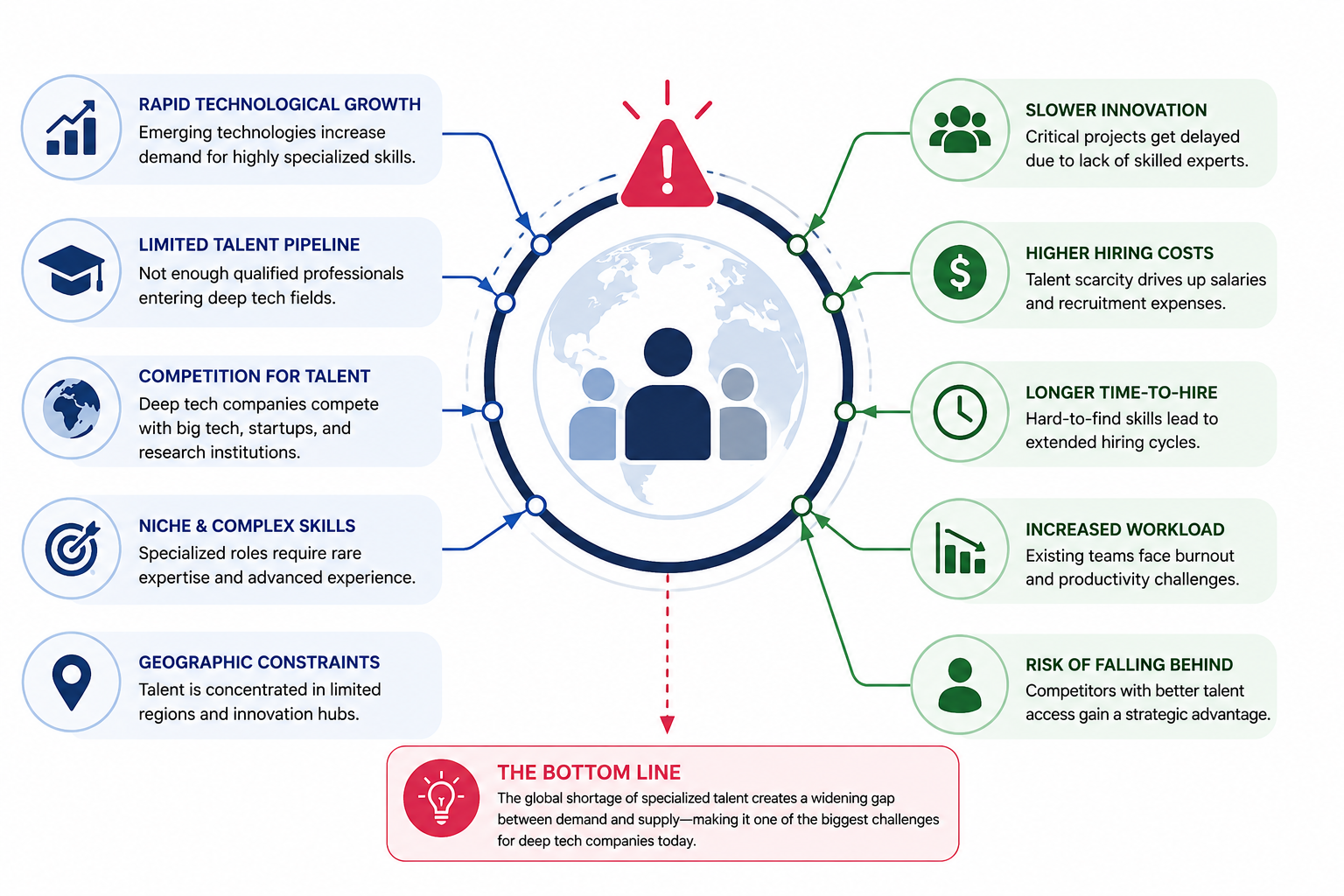
One of the biggest recruitment challenges for deep tech companies is the ongoing shortage of specialized STEM talent.
Roles requiring expertise in machine learning, AI development, robotics engineering, cybersecurity, semiconductor design, and biotechnology often remain vacant for months due to a lack of qualified candidates.
Recent workforce studies highlight the scale of the problem:
- More than 75% of employers globally report difficulty finding skilled talent, according to ManpowerGroup's Talent Shortage Survey.
- Demand for AI and machine learning specialists has grown by more than 70% over the past few years across major global markets.
- Engineering and technology positions consistently rank among the hardest roles to fill worldwide.
💡 Industry Insight
“Deep tech companies that expand their hiring strategies beyond traditional geographic boundaries are often better positioned to secure specialized talent before competitors do.”
As explained by James Reed, Chairman of Reed Recruitment.
Key factors contributing to the talent shortage include:
- Limited supply of qualified STEM graduates
- Rapid technological advancements creating new skill requirements
- Increased demand from multiple industries simultaneously
- Growing need for specialized certifications and technical expertise
2. Competition from Large Enterprises
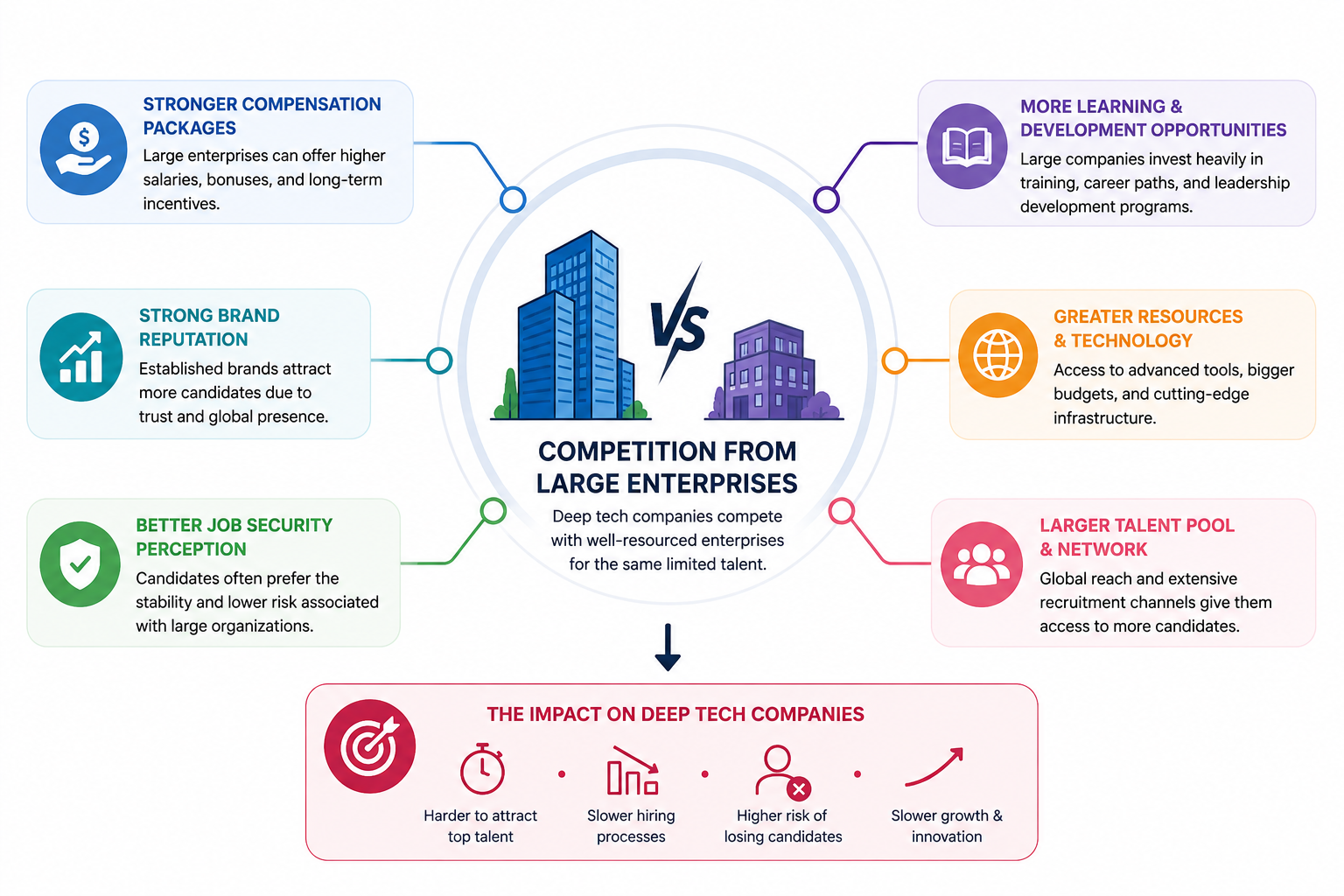
Deep tech startups and scale-ups often struggle to compete against established technology giants and multinational corporations.
Large enterprises typically have greater financial resources, stronger employer brands, and more comprehensive benefits packages.
According to LinkedIn Talent Solutions, compensation remains one of the top factors influencing candidate decisions, particularly for highly specialized technical roles.
Competition from Large Enterprises
Large organizations often attract candidates through:
- Higher salaries and signing bonuses
- Comprehensive healthcare and retirement benefits
- Strong employer brand recognition
- Greater job security
- Larger learning and development budgets
🚀 Talent Acquisition Insight
“Today's top technical talent has more choices than ever before. Organizations must differentiate themselves through purpose, culture, growth opportunities, and employee experience—not just compensation.”
For deep tech companies, this means employer branding and employee engagement have become critical components of successful talent acquisition strategies.
3. Longer Hiring Cycles
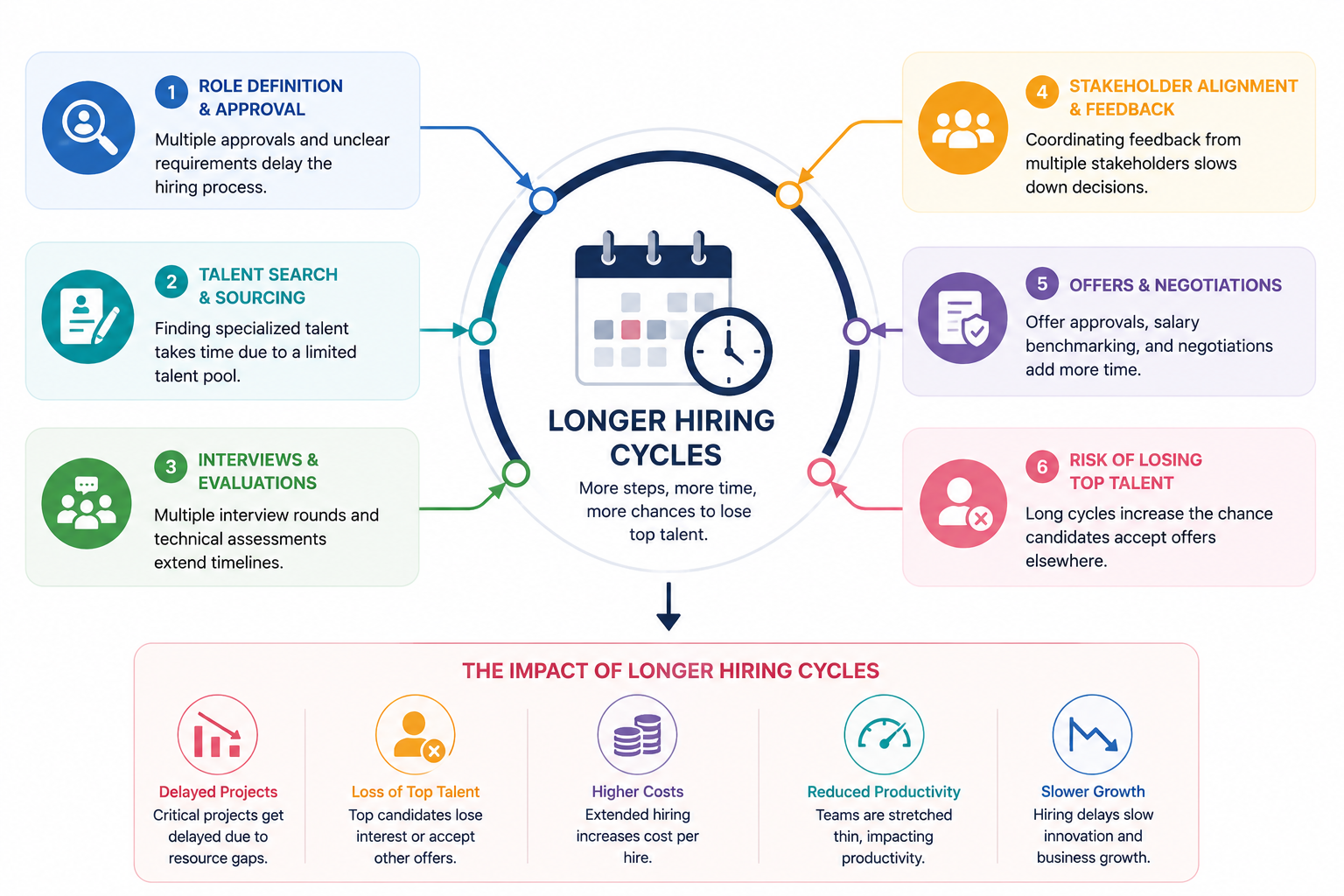
Technical hiring processes are becoming increasingly complex, leading to longer recruitment timelines and higher candidate drop-off rates.
Research from Gartner indicates that the average hiring process for highly specialized technical positions can take significantly longer than standard business roles due to extensive evaluation requirements.
Longer Hiring Cycles
Common causes of extended hiring cycles include:
- Multiple technical assessments
- Coding challenges and practical evaluations
- Several interview rounds with stakeholders
- Security clearance requirements
- Regulatory and compliance checks
- Executive-level approval processes
Long hiring timelines create additional recruitment challenges because top candidates often receive multiple offers simultaneously.
To remain competitive, many deep tech companies are streamlining interview processes and leveraging AI recruitment tools to reduce time-to-hire.
4. Rapid Industry Growth
The rapid expansion of emerging technologies is creating unprecedented demand for specialized talent. Industries such as artificial intelligence, clean energy, biotechnology, quantum computing, and advanced robotics continue to attract significant investment, fueling aggressive hiring efforts.
CB Insights and McKinsey research show that investment in deep tech sectors has increased substantially over the past decade, resulting in heightened competition for engineering talent and technical specialists.
Several trends are driving this growth:
- Expansion of AI and machine learning applications
- Increased investment in automation and robotics
- Growth in semiconductor manufacturing
- Rising demand for cybersecurity expertise
- Accelerated innovation in biotechnology and healthcare technology
As demand continues to outpace supply, workforce planning has become a strategic priority for deep tech companies seeking sustainable growth.
Key recruitment challenges linked to industry growth include:
- Increased competition for niche expertise
- Rising salary expectations
- Higher employee turnover due to talent poaching
- Greater reliance on global and remote recruitment
- Increased pressure on employee retention strategies
Organizations that proactively invest in talent acquisition, workforce planning, employee engagement, and skills-based hiring will be better positioned to overcome these recruitment challenges and secure the specialized talent needed for long-term success.
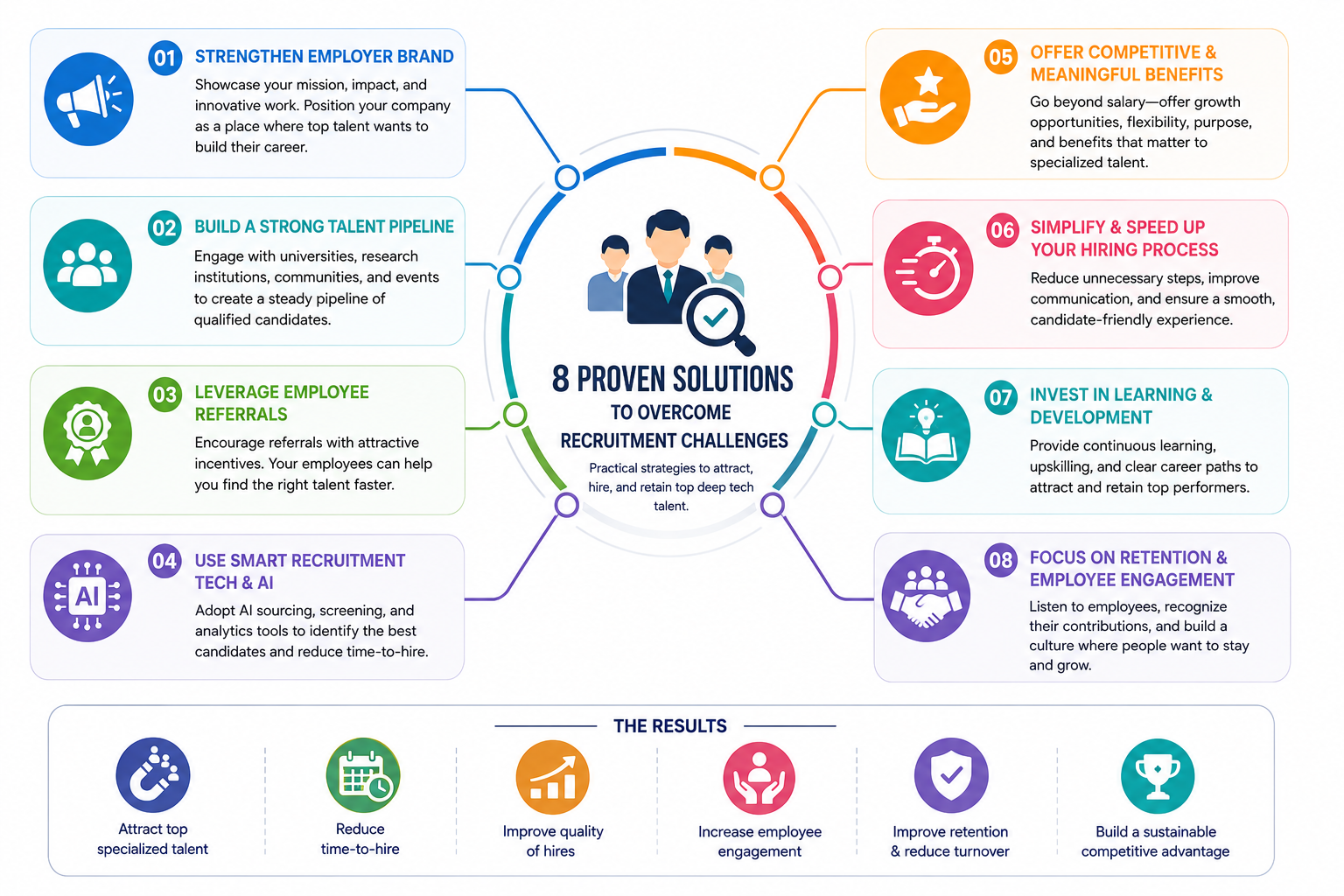
8 Proven Solutions to Overcome Recruitment Challenges
Deep tech companies must adopt modern recruitment strategies to compete for highly skilled professionals in today's competitive hiring market.
From strengthening employer branding to improving employee retention, these proven solutions can help organizations attract and retain top technical talent.
8 Proven Solutions to Overcome Recruitment Challenges
1. Try to Build a Strong Employer Brand
A strong employer brand helps deep tech companies stand out from larger competitors.
Candidates are increasingly looking for organizations with a clear mission, innovative projects, and a positive workplace culture.
Key strategies include:
- Showcase your company's vision, innovation, and impact.
- Share employee success stories and career growth journeys.
- Highlight company culture across social media and career pages.
- Promote workplace flexibility and employee wellbeing initiatives.
2. Focus on Expanding Beyond Traditional Talent Pools
Limiting recruitment efforts to traditional job boards can reduce access to qualified candidates.
Deep tech organizations should explore alternative talent sources to find specialized professionals.
Consider recruiting through:
- Universities and STEM programs.
- Research institutions and laboratories.
- Industry associations and technology communities.
- Open-source developer networks.
- Professional networking platforms.
3. Create Employee Referral Programs
Employee referrals remain one of the most effective hiring channels. Existing employees often have connections with qualified professionals who may be a strong fit for the organization.
Benefits of referral programs include:
- Faster hiring processes.
- Lower recruitment costs.
- Higher-quality candidates.
- Improved employee retention rates.
4. Use Skills-Based Hiring
Many deep tech companies are shifting toward skills-based hiring rather than focusing solely on degrees or certifications. This approach helps identify candidates with practical expertise and problem-solving abilities.
Best practices include:
- Assess technical competencies through real-world projects.
- Evaluate transferable skills and adaptability.
- Use structured assessments and coding challenges.
- Focus on demonstrated experience and achievements.
5. Improve Candidate Experience
A poor candidate experience can cause top talent to accept offers elsewhere. Creating a smooth and transparent hiring process improves both recruitment outcomes and employer reputation.
Ways to improve candidate experience:
- Provide timely communication throughout the hiring process.
- Simplify interview stages where possible.
- Offer clear expectations and feedback.
- Reduce unnecessary delays in decision-making.
6. Offer Career Growth Opportunities
Top professionals are more likely to join and stay with organizations that invest in their development. Career advancement opportunities can be a major differentiator in competitive talent markets.
Effective initiatives include:
- Professional development programs.
- Technical certifications and training.
- Mentorship and coaching opportunities.
- Internal mobility and leadership pathways.
7. Embrace Global Talent Recruitment
Remote work has expanded access to talent worldwide. Deep tech companies can overcome local talent shortages by adopting global recruitment strategies.
Successful approaches include:
- Building remote-first hiring processes.
- Recruiting across international markets.
- Leveraging distributed teams.
- Supporting cross-cultural collaboration.
8. Invest in Employee Engagement and Retention
Recruitment success doesn't end after hiring. Retaining skilled employees is equally important, especially in industries facing ongoing talent shortages.
Organizations can improve retention by:
- Implementing employee recognition programs.
- Encouraging transparent communication.
- Providing modern collaboration tools.
- Supporting work-life balance and wellbeing.
- Gathering regular employee feedback.
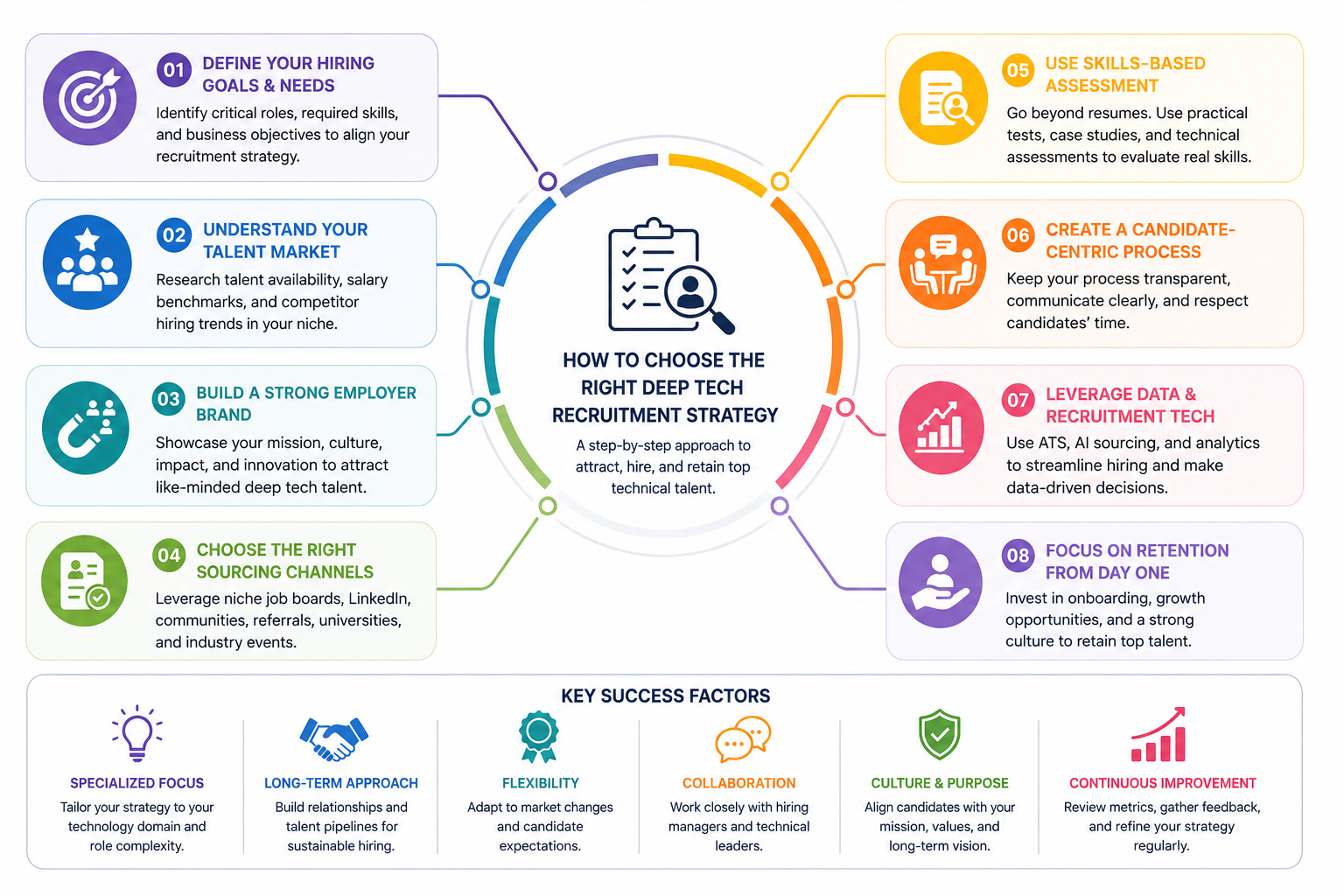
How to Choose the Right Deep Tech Recruitment Strategy
How to Choose the Right Deep Tech Recruitment Strategy
Not every recruitment strategy will work for every deep tech company.
The best approach depends on factors such as your growth stage, hiring urgency, budget, available internal resources, and the type of technical talent you're trying to attract.
For example, a startup hiring its first AI engineer will face very different recruitment challenges than an established robotics company looking to hire 50 engineers across multiple countries.
This is why it's important to align your recruitment strategy with your business goals rather than adopting a one-size-fits-all approach.
Before choosing a recruitment strategy, ask yourself the following questions:
- How difficult is the role to fill?
- Is the position business-critical?
- Do we need talent immediately or can we build a pipeline?
- Do we have an internal recruitment team?
- Are we hiring locally or globally?
- What is our recruitment budget?
The answers will help determine which recruitment approach is likely to deliver the best results.
Choosing the Right Recruitment Strategy for Your Situation
| Recruitment Scenario | Recommended Strategy | Why It Works |
| Hiring your first technical specialist | Specialist recruitment agency + founder-led networking | Provides access to niche talent and industry contacts quickly |
| Building a small engineering team (1-10 hires) | Employee referrals + employer branding | Cost-effective and attracts candidates aligned with company culture |
| Rapid growth or scale-up phase | Global recruitment + recruitment partners | Expands the talent pool and accelerates hiring |
| Highly specialized roles (AI, Robotics, Quantum Computing) | Deep tech recruitment agency + industry networking | Accesses passive candidates with rare skills |
| Limited recruitment budget | University partnerships + referral programs | Lower cost while creating long-term talent pipelines |
| Remote-first company | International talent acquisition strategy | Removes geographic hiring limitations |
| Long-term workforce planning | Talent communities + employer branding | Creates a sustainable future hiring pipeline |
| High employee turnover | Employee engagement and retention initiatives | Reduces hiring pressure by improving retention |
Match Your Strategy to Your Hiring Maturity
Many deep tech companies make the mistake of focusing only on sourcing candidates. However, recruitment success often depends on company maturity.
Early-stage startups should focus on:
- Founder networking
- Referrals
- Specialist recruiters
- Building credibility within technical communities
Growth-stage companies should focus on:
- Employer branding
- Recruitment process optimization
- Global talent acquisition
- Candidate experience improvements
Established deep tech companies should focus on:
- Workforce planning
- Talent pipeline development
- Internal mobility programs
- Employee retention strategies
The most successful deep tech companies rarely rely on a single hiring channel. Instead, they combine multiple approaches to reduce risk and create a consistent flow of qualified candidates.
A typical high-performing recruitment strategy might include:
- 40% employee referrals
- 25% employer branding initiatives
- 20% specialist recruitment agencies
- 10% university and research partnerships
- 5% direct sourcing and networking
This balanced approach helps organizations overcome recruitment challenges while reducing dependence on any single source of talent.
When choosing a deep tech recruitment strategy, focus on the type of talent you need, the urgency of hiring, and your long-term growth plans.
The companies that achieve the best hiring outcomes are those that build multiple talent pipelines, invest in employer branding, and treat recruitment as a strategic business function rather than simply filling vacancies.
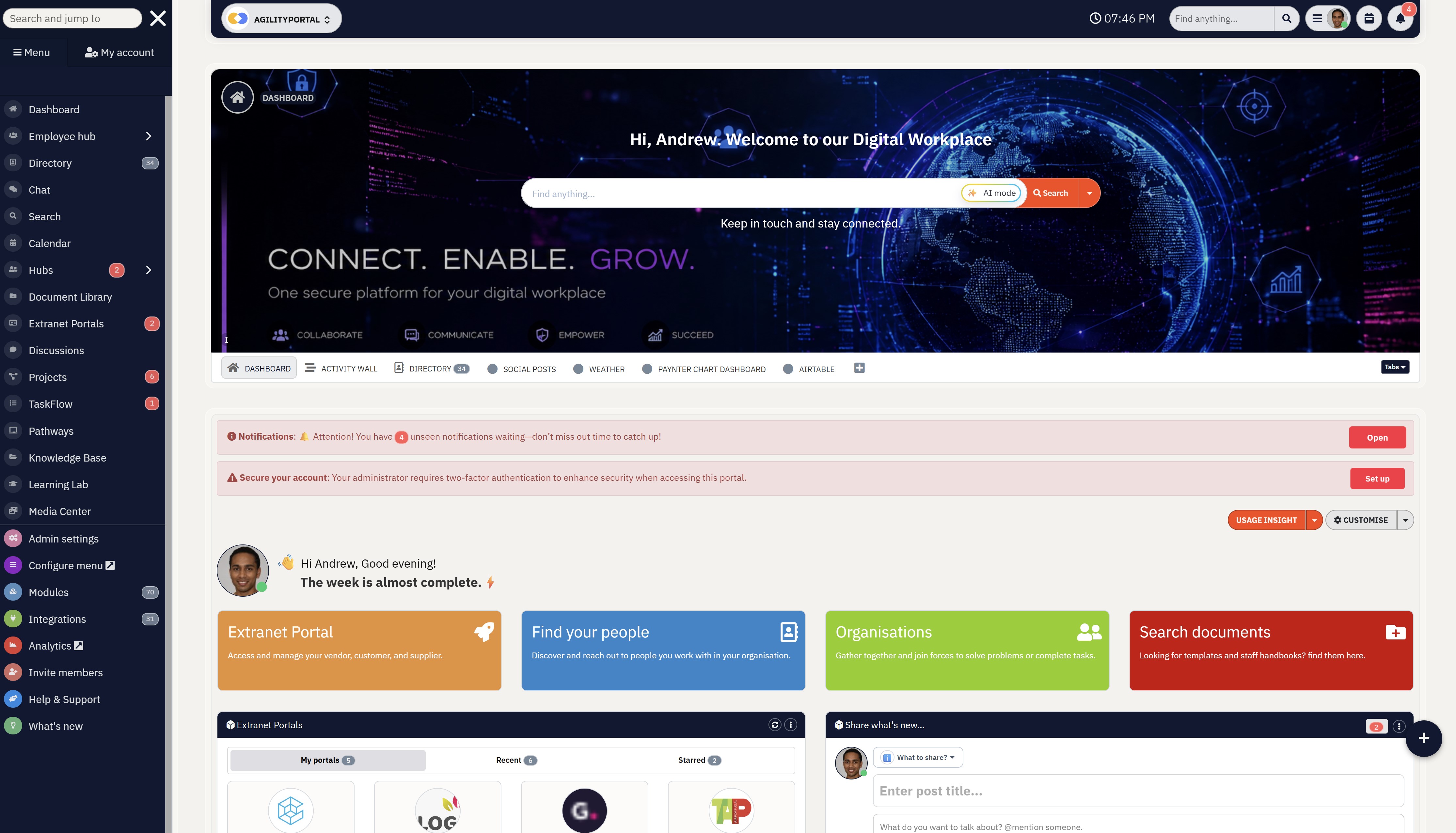
How Recruitment Technology Helps Deep Tech Companies Overcome Hiring Challenges
How Recruitment Technology Helps Deep Tech Companies Overcome Hiring Challenges
Recruitment technology has become a critical tool for deep tech companies facing ongoing talent acquisition challenges.
With increasing competition for AI engineers, software developers, data scientists, and other specialized professionals, organizations need smarter ways to identify, hire, and retain top talent.
Modern hiring solutions not only streamline recruitment processes but also improve candidate quality, reduce hiring costs, and strengthen employee retention.
AI-Powered Recruitment Tools
AI-Powered Recruitment Tools
Artificial intelligence is transforming how companies approach technical hiring. AI-driven recruitment platforms can analyze large candidate pools, identify qualified applicants, and automate repetitive hiring tasks.
How AI recruitment tools help:
- Match candidates based on skills, experience, and job requirements
- Automate resume screening and shortlisting
- Reduce unconscious bias during candidate evaluation
- Improve hiring speed and efficiency
Deep tech organizations often receive hundreds of applications for highly specialized roles. AI-powered hiring software helps recruiters focus on the most qualified candidates while reducing manual workload.
Impact on recruitment:
- Faster time-to-hire
- Improved candidate matching accuracy
- Lower recruitment costs
- Better hiring decisions
A robotics startup using AI recruitment software can quickly identify engineers with machine learning and automation expertise, reducing weeks of manual screening.
Employee Engagement Platforms
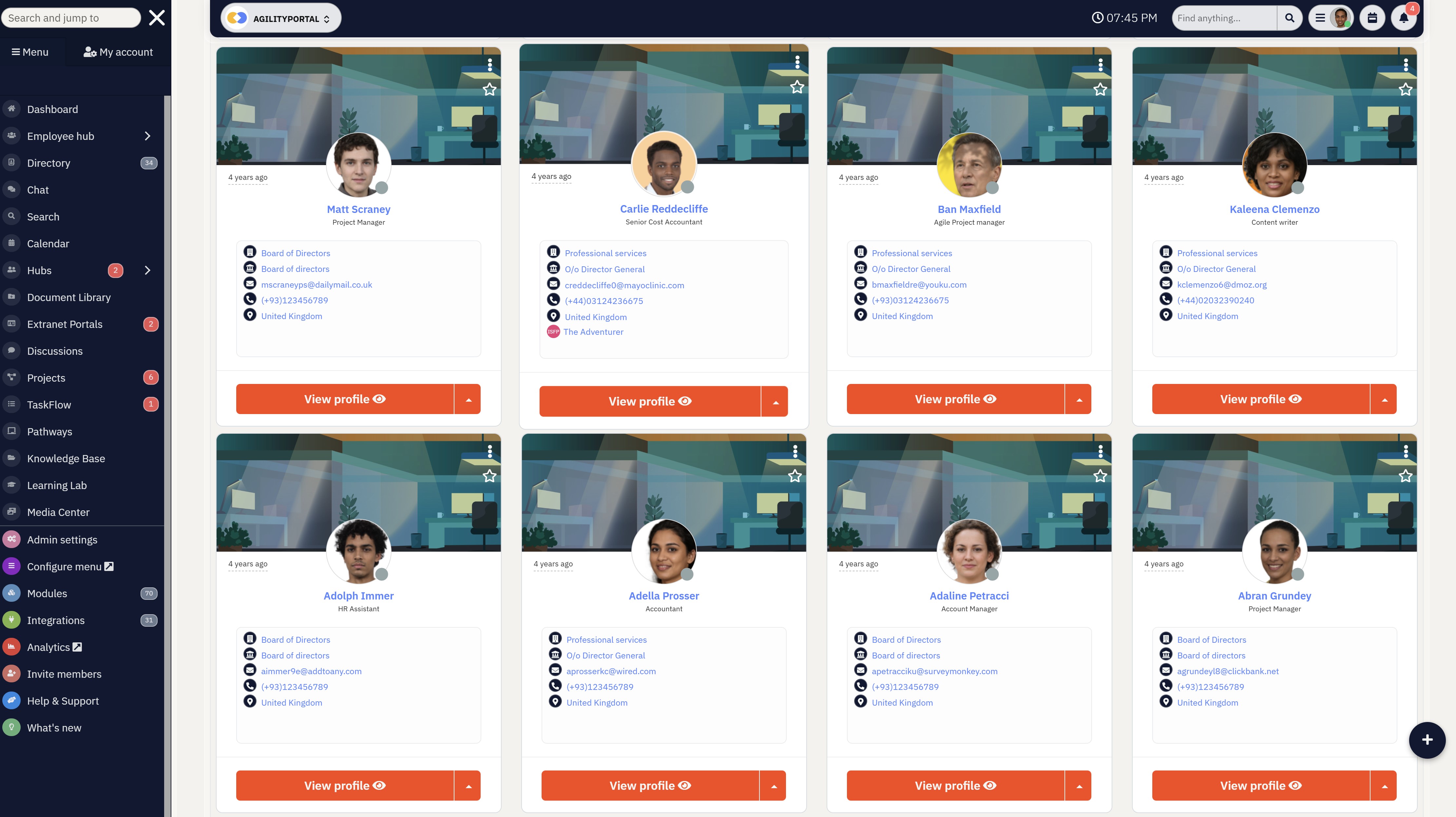
Employee Engagement Platforms
Hiring great talent is only part of the challenge. Retaining skilled employees is equally important, especially in competitive industries where talent poaching is common. Employee engagement platforms help organizations create a positive workplace experience that encourages long-term commitment.
How employee engagement platforms help:
- Facilitate communication across teams
- Support employee recognition programs
- Gather real-time employee feedback
- Improve collaboration for remote and hybrid teams
Employees who feel connected, valued, and informed are more likely to remain with the organization and contribute to innovation.
Impact on retention:
- Reduced employee turnover
- Higher job satisfaction
- Improved productivity
- Stronger workplace culture
A growing AI company can use an employee engagement platform to recognize achievements, conduct pulse surveys, and maintain team alignment across multiple locations.
Knowledge Management and Digital Onboarding Systems
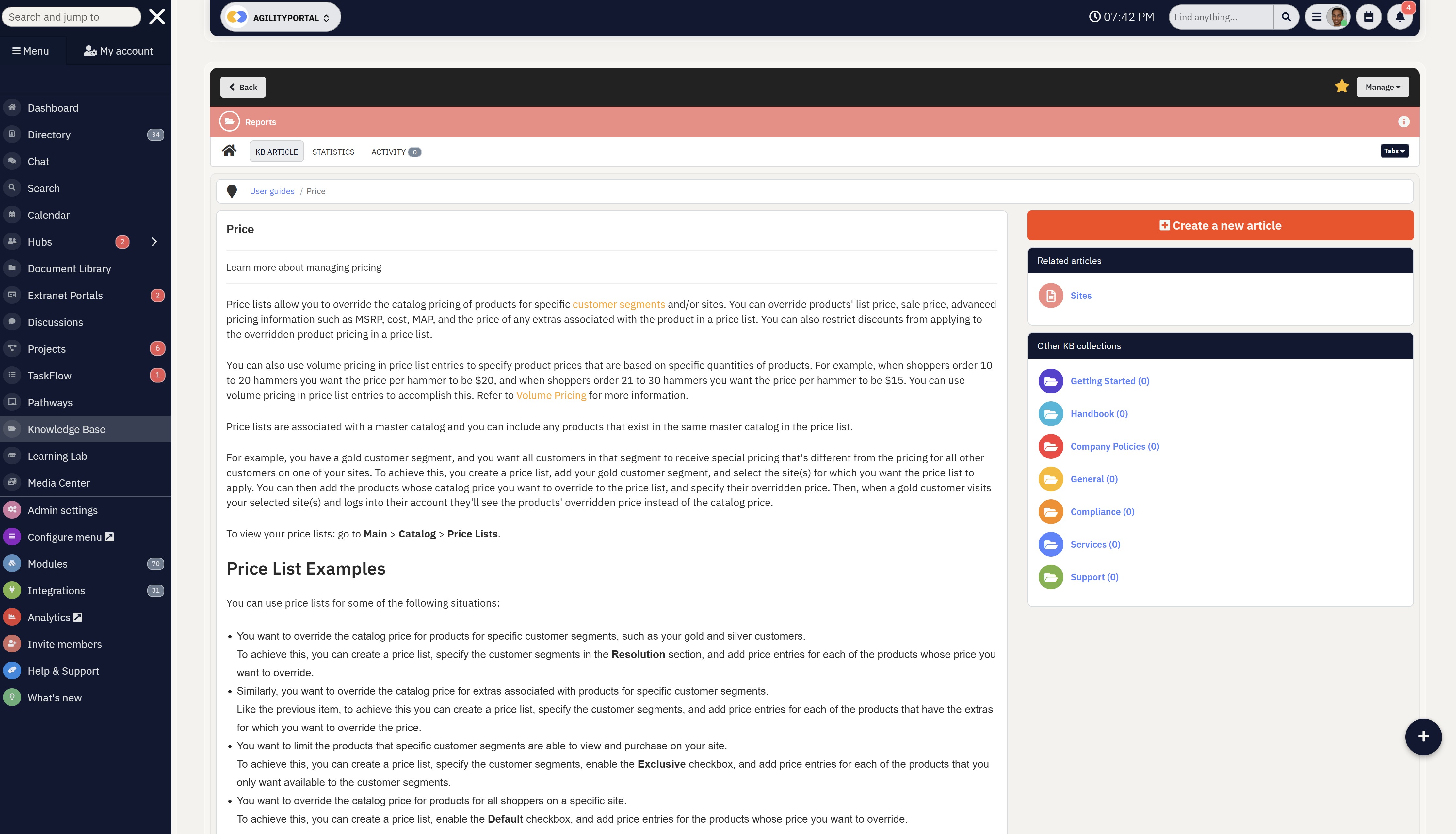
Knowledge Management and Digital Onboarding Systems
Knowledge management systems play a vital role in helping new hires become productive faster.
These platforms centralize company information, training materials, technical documentation, and best practices in one accessible location.
How knowledge management systems help:
- Simplify employee onboarding
- Provide instant access to critical information
- Support continuous learning and development
- Preserve organizational knowledge
Deep tech companies often work with complex technologies that require extensive training. Easy access to knowledge resources helps employees learn faster and perform more effectively.
Impact on workforce productivity:
- Faster onboarding processes
- Reduced time-to-productivity
- Improved employee confidence
- Better collaboration across departments
A semiconductor company can use a digital knowledge base to help new engineers quickly understand technical processes, compliance requirements, and project workflows without relying solely on senior team members.
Deep Tech Recruitment & Employee Engagement Platform
Built to Help Deep Tech Companies Attract, Onboard & Retain Specialized Talent
AgilityPortal helps deep tech companies improve employee communication, onboarding, knowledge sharing, employee engagement, document management, and collaboration in one secure digital workplace platform.
A modern employee engagement and digital workplace platform for companies that need to onboard technical talent faster, keep teams aligned, and improve retention in competitive hiring markets.
Real-World Example: How a Deep Tech Company Improved Hiring Outcomes

How a Deep Tech Company Improved Hiring Outcomes
The Challenge
A fast-growing deep tech company specializing in artificial intelligence and advanced robotics faced significant recruitment challenges when trying to scale its engineering team.
The organization struggled to attract highly skilled AI engineers, machine learning specialists, and software developers in an increasingly competitive talent market.
Despite offering innovative projects and career growth opportunities, the company found itself competing against larger technology firms with stronger employer brands and higher compensation packages.
The shortage of STEM talent and the growing demand for technical hiring expertise made it difficult to fill critical positions.
As a result, product development timelines slowed, and workforce planning became a major concern for leadership.
The solution
To overcome these deep tech recruitment challenges, the company implemented a multi-layered talent acquisition strategy.
First, it invested heavily in employer branding by showcasing its mission, innovation culture, and employee success stories across social media, industry events, and recruitment campaigns.
The organization also launched an employee referral program that encouraged existing team members to recommend qualified candidates from their professional networks.
This approach helped improve candidate quality while reducing recruitment costs.
Additionally, the company expanded its global recruiting efforts by embracing remote hiring and sourcing engineering talent from international markets.
By adopting skills-based hiring practices and leveraging AI recruitment tools, the hiring team was able to identify qualified candidates more efficiently and streamline the technical hiring process.
The Results
Within twelve months, the company achieved measurable improvements across its recruitment and retention efforts.
Time-to-hire decreased significantly as recruitment processes became more efficient and candidate pipelines strengthened.
Employee retention rates improved due to better onboarding experiences, stronger employee engagement initiatives, and clearer career development pathways.
The organization also saw a noticeable increase in candidate quality, with more applicants possessing the specialized technical skills required for deep tech innovation.
By combining employer branding, workforce planning, global talent acquisition, and employee retention strategies, the company successfully overcame many of its recruitment challenges and positioned itself for sustainable growth in the competitive deep tech industry
What is the Future of Recruitment for Deep Tech Companies
As competition for highly specialized talent continues to intensify, deep tech companies are adopting new recruitment strategies that improve hiring outcomes, reduce costs, and expand access to skilled candidates.
The following trends are shaping the future of deep tech recruitment and offer significant benefits for employers.
Skills-Based Hiring Will Become Standard
any leading technology companies are shifting away from degree-focused hiring and placing greater emphasis on demonstrated skills, project experience, certifications, and technical assessments.
This approach allows employers to identify capable candidates who may not follow traditional career paths.
Benefits include:
- Access to a larger and more diverse talent pool
- Reduced hiring bias
- Better alignment between candidate capabilities and job requirements
- Faster identification of job-ready talent
For deep tech organizations facing talent shortages, skills-based hiring can significantly improve recruitment success rates.
AI-Assisted Recruitment Will Expand
Artificial intelligence is increasingly being used to automate candidate sourcing, resume screening, interview scheduling, and talent matching.
Recent advances in generative AI and recruitment technology are helping hiring teams process applications more efficiently while improving candidate engagement.
Benefits include:
- Faster time-to-hire
- Reduced administrative workload
- Improved candidate matching
- More efficient recruitment processes
- Better use of recruiter time for relationship-building and strategic hiring
Companies that successfully integrate AI into their recruitment workflows can gain a competitive advantage in attracting scarce technical talent.
Global Remote Teams Will Increase
Remote and distributed work models continue to expand, allowing deep tech companies to recruit talent from anywhere in the world rather than limiting searches to local markets.
This trend is particularly valuable for organizations hiring specialists in fields such as artificial intelligence, robotics, quantum computing, and advanced engineering.
Benefits include:
- Access to global talent pools
- Reduced recruitment bottlenecks
- Greater workforce flexibility
- Improved business resilience
- Increased diversity of skills and perspectives
Organizations that embrace international hiring can often fill difficult roles more quickly and cost-effectively.
Employee Experience Will Become a Competitive Advantage
Today's technical professionals increasingly evaluate employers based on workplace culture, career development opportunities, flexibility, wellbeing initiatives, and overall employee experience.
As a result, companies are investing more heavily in creating environments where employees can thrive and grow.
Benefits include:
- Higher employee retention
- Stronger employer branding
- Increased employee engagement
- More successful referral programs
- Lower long-term recruitment costs
Deep tech companies that prioritize employee experience are often better positioned to attract and retain top talent in highly competitive markets.
Wrapping up
Deep tech companies face unique recruitment challenges due to talent shortages, intense competition, and rapidly evolving skill requirements.
Organizations that invest in employer branding, employee engagement, skills-based hiring, and modern recruitment technologies will be better positioned to attract and retain the specialized talent needed to innovate and grow in 2026 and beyond.
FAQ
Why do deep tech companies struggle with recruitment?
Deep tech companies operate in highly specialized sectors such as artificial intelligence, robotics, biotechnology, quantum computing, semiconductor engineering, and advanced manufacturing.
Because these industries require niche expertise, there is often a limited talent pool available.
This creates significant recruitment challenges and solutions become critical for organizations competing for the same candidates.
Many of the biggest deep tech companies, top deep tech companies, and fast-growing deep tech startups Europe are all seeking similar technical professionals, increasing competition across the market.
What are the biggest recruitment challenges in deep tech?
Some of the biggest challenges in recruitment include talent shortages, lengthy hiring processes, skills gaps, high salary expectations, and employee retention.
These recruitment challenges unique to today's organizations are expected to continue as recruitment challenges 2025 evolve alongside technological innovation.
Deep tech industries also face difficulties assessing highly specialized candidates and attracting professionals away from established employers.
Organizations should identify common recruitment challenges and develop potential solutions such as skills-based hiring, workforce planning, and strategic talent pipelines.
How can deep tech companies attract top talent?
Deep tech companies can attract top talent by building a strong employer brand, offering competitive compensation, investing in employee development, and creating flexible work environments. Partnering with universities, participating in industry events, and leveraging AI-powered recruitment tools can also improve hiring outcomes.
Many deeptech organizations and deep tech AI businesses use global recruitment strategies to access wider talent pools.
Support from a deep tech fund can further help startups compete with larger employers by investing in recruitment and retention initiatives.
What are the key recruitment challenges in HRM for deep tech organizations?
Recruitment challenges in HRM often include sourcing qualified candidates, reducing time-to-hire, improving candidate experience, and retaining specialized employees.
Organizations must also address recruitment challenges 2024 and prepare for future workforce demands. Many HR leaders seek resources such as challenges of recruitment and selection PDF guides to better understand hiring trends and best practices.
Effective solutions include recruitment automation, talent analytics, employee referral programs, and continuous workforce planning.
What role does employee engagement play in retention?
Employee engagement is essential for retaining highly skilled professionals in deep tech industries.
Engaged employees are more likely to remain with the organization, contribute innovative ideas, and support long-term business growth.
Strong onboarding programs, career progression opportunities, mentorship, and recognition initiatives can significantly improve retention rates and help deep tech companies maintain a competitive advantage.
AI Summary
- Deep tech companies face unique recruitment challenges due to talent shortages in fields such as artificial intelligence, robotics, biotechnology, semiconductor engineering, and quantum computing.
- The growing demand for specialized technical professionals is increasing competition among employers, making it harder to attract and retain highly skilled candidates.
- Common deep tech recruitment challenges include finding niche expertise, competing with larger employers, managing long hiring cycles, and reducing employee turnover.
- Successful hiring strategies include employer branding, employee referral programs, skills-based hiring, university partnerships, global recruitment, and workforce planning.
- AI-powered recruitment tools, talent analytics, and recruitment automation platforms can help organizations improve candidate sourcing, reduce time-to-hire, and increase hiring efficiency.
- Companies that invest in employee engagement, career development, onboarding, and retention initiatives are more likely to build sustainable talent pipelines and maintain a competitive advantage.
Most Popular Posts

Effective communication among team members is vital for the productivity and success of any organization. Surprisingly, 60% of companies lack a long-term internal communication strategy, which p...


Businesses thrive on communication for efficiency, productivity and accomplishment. When the right information is passed from the right designation in the organization, it promotes positivity an...
Categories
Blog
(2986)
Business Management
(376)
Employee Engagement
(223)
Digital Transformation
(192)
Growth
(143)
Intranets
(137)
Remote Work
(63)
Sales
(53)
Collaboration
(48)
Customer Experience
(30)
Culture
(29)
Knowledge Management
(28)
Project management
(28)
Leadership
(20)
Comparisons
(9)
News
(1)

Related Posts

Recruitment challenges remain one of the biggest obstacles to growth for deep tech companies in 2026. As demand for AI engineers, data scientists, robotics specialists, semiconductor experts, and biotech researchers continues to rise, organizat...

The rise of artificial intelligence is transforming the way SEO professionals research keywords, analyze competitors, monitor rankings, and optimize content. According to a 2024 HubSpot survey, more than 64% of marketers already use AI tools in...

The DEI maturity model represents a structured approach to assessing and enhancing diversity, equity, and inclusion within corporate environments. This model serves as a crucial framework for organizations aiming to not only diversify their wor...

If you've ever managed relationships with partners, distributors, resellers, suppliers, or clients, you've probably experienced the frustration of searching through endless email threads, outdated spreadsheets, and scattered documents just to find a ...

We all know that Fund management plays a critical role in the success of any partner program. Whether you're managing marketing development funds (MDF), co-marketing budgets, partner incentives, rebates, training initiatives, or broader partner ...


Jill Romford
I am a digital nomad, lover of exploring new places and making friends.
I love to travel and I love the internet. I take pictures of my travels and share them on the internet using Instagram.
Traveler, entrepreneur, and community builder. I share my insights on digital marketing and social media while inspiring you to live your fullest life.
Ready to learn more? 👍
One platform to optimize, manage and track all of your teams. Your new digital workplace is a click away. 🚀
Free for 14 days, no credit card required.