
Insight Blog
Agility’s perspectives on transforming the employee's experience throughout remote transformation using connected enterprise tools.
12 minutes reading time
(2497 words)
Why Customer Relationship Management Is the Backbone of High-Performing Remote Financial Advisory Teams

Why Customer Relationship Management Is the Backbone of High-Performing Remote Financial Advisory Teams
Discover why modern customer relationship management is critical for remote financial advisory teams to build trust, streamline workflows, and deliver consistent client experiences at scale.
Why Customer Relationship Management Is the Backbone of High-Performing Remote Financial Advisory Teams

Remote financial advisory work isn't a trend anymore — it's the default.
Clients expect fast responses, consistent advice, and a personal touch, even when their advisor is miles away.
The problem?
Trust, follow-ups, and visibility are harder to maintain when teams are distributed and conversations are scattered across emails, calls, and notes.
That's where CRM for financial advisors quietly becomes the system holding everything together.
In fact, industry data shows that high-performing remote financial advisory teams are up to 30% more productive when client interactions, tasks, and data are managed in a single CRM system, compared to teams relying on disconnected tools.
It's not about working harder — it's about removing friction.
In this article, we'll break down why customer relationship management has become the backbone of modern financial advisory teams, how the right CRM approach supports trust and consistency in remote setups, and what advisors should look for when building a system that scales without losing the human touch.
For advisory practices of different sizes, having the right systems in place also helps individual professionals maintain a consistent client experience as they grow. A financial consultant in Long Beach, for example, may rely on structured processes and organised client management tools to keep communication clear, records accessible, and follow-ups consistent. The specific tools may vary between practices, but the underlying goal remains the same: creating a reliable experience where clients feel informed and supported.
Strong systems allow advisors to preserve trust while managing the increasing complexity that comes with long-term client relationships.
● Key Takeaways: CRM for Remote Financial Advisory Teams
- Remote financial advisory teams rely on structure and visibility to maintain trust and consistency.
- A central CRM system reduces missed follow-ups, fragmented data, and compliance risk.
- Collaboration inside a CRM is essential for scaling without losing the personal client experience.
- Clear communication history and audit trails protect both advisors and clients.
- High-performing teams use CRM to reduce admin work and focus on higher-value advisory conversations.
- Choosing the right CRM approach supports long-term growth without operational chaos.
Read this article: : Top 6 AI-Powered Project Management Tools To Use In 2023
Here is Why Remote Advisory Teams Struggle Without Structure
On paper, remote advisory work sounds efficient.
Fewer meetings, flexible schedules, and access to talent anywhere. In reality, a lot of teams feel constant friction — and see it usually comes down to lack of structure, not lack of effort.
Client information ends up scattered everywhere. One detail lives in an email thread, another in a spreadsheet, and the latest conversation is buried in someone's call notes.
When advisors have to mentally stitch together a client's history every time they log in, mistakes become more likely and response times slow down.
Follow-ups are another weak spot. Without a clear system, it's easy for review meetings, document requests, or check-ins to slip through the cracks. That leads to inconsistent advice delivery, which quietly erodes client confidence — especially when clients expect precision and reliability.
Compliance adds another layer of pressure.
Remote teams still need clean documentation, clear audit trails, and proof of client communications. When records are spread across tools and personal inboxes, risk increases, and preparing for audits becomes stressful instead of routine.
Finally, managers and partners lose visibility. It's harder to see which clients are being actively managed, where bottlenecks exist, or who might need support.
That lack of insight doesn't just hurt performance — it creates burnout, because problems are only spotted after something goes wrong.
Common struggles remote advisory teams face without structure include:
- Client data spread across emails, notes, and disconnected tools
- Missed follow-ups and delayed responses
- Inconsistent client experiences between advisors
- Higher compliance and audit risk
- Limited visibility into workloads and client health
- Increased advisor stress and preventable burnout
Without structure, remote advisory teams don't fail loudly. They leak time, trust, and confidence slowly — and that's the most dangerous kind of inefficiency.
How CRM Tools Enable Consistency Across Remote Teams
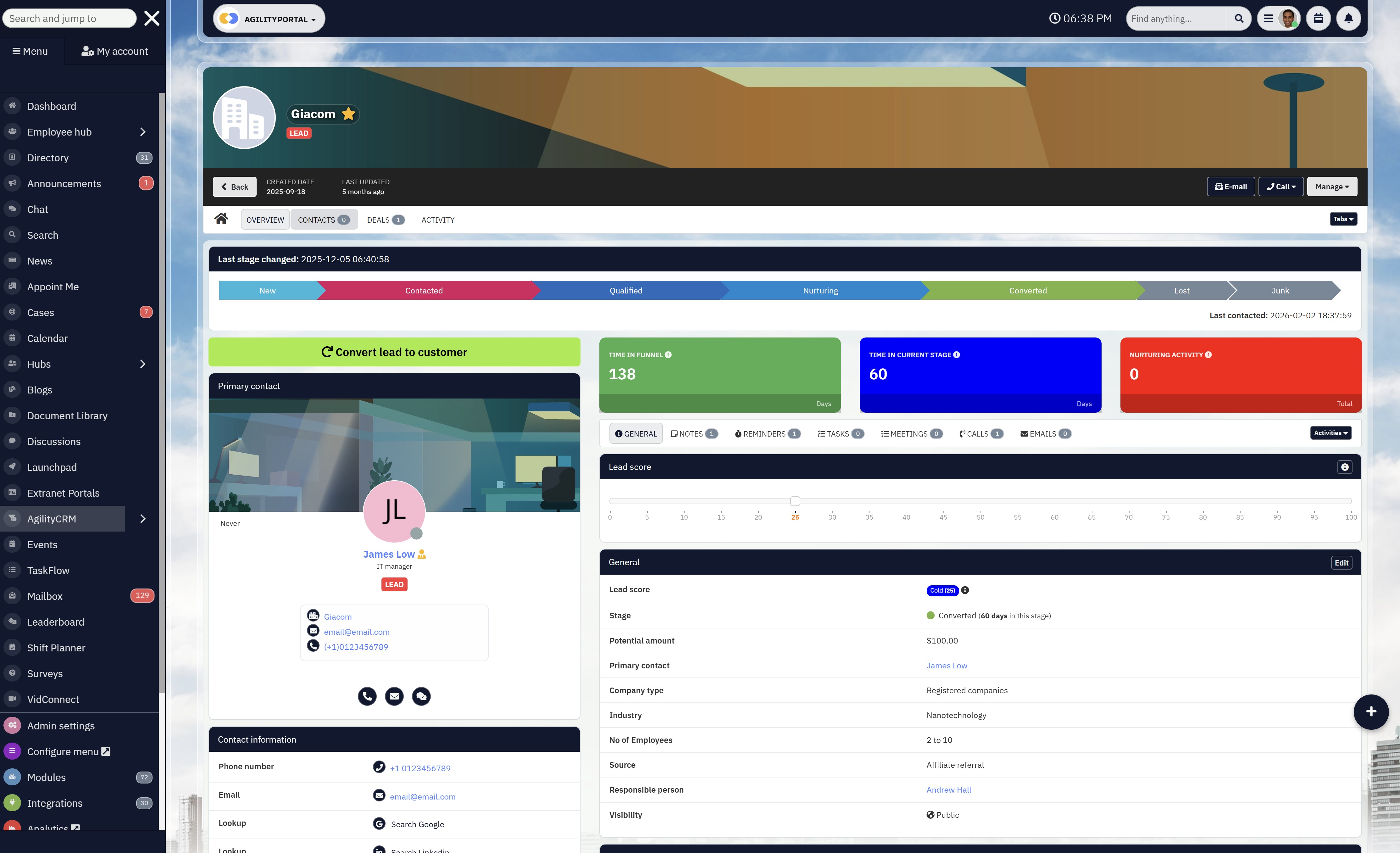
How CRM Tools Enable Consistency Across Remote Teams
Consistency is the hardest thing to maintain when advisory teams go remote.
Different advisors have different habits, different follow-up styles, and different ways of tracking client information. Without a shared system, clients start noticing the gaps — even if the advice itself is solid.
This is where crm tools make a real difference. Instead of relying on individual memory or personal workflows, teams can standardise how clients are onboarded, reviewed, and supported, no matter where advisors are working from.
A well-structured setup helps remote teams:
- Follow the same onboarding steps for every new client, ensuring nothing gets missed
- Schedule and track regular reviews, renewals, and check-ins automatically
- Share visibility between advisors, assistants, and compliance teams without endless emails
The best CRM software doesn't just store contact details — it creates a shared rhythm for the entire team.
Everyone knows where a client is in their journey, what's been discussed, and what needs to happen next.
That clarity reduces errors, speeds up response times, and makes collaboration feel effortless instead of forced.
When consistency is built into the system, remote advisory teams stop operating like disconnected individuals and start working like a coordinated unit — which clients immediately feel.
Supporting Independent and Personal Advisors at Scale — Why CRM Collaboration Matters

Supporting Independent and Personal Advisors at Scale — Why CRM Collaboration Matters
For a solo or boutique practice, growth sounds great until it starts creating pressure.
More clients usually means more admin, more follow-ups to remember, and more moving parts to manage — especially in a remote setup. This is where collaboration inside a CRM stops being a "nice to have" and becomes critical.
For an independent financial advisor, CRM collaboration helps keep everything organised without piling on admin work.
Client notes, task updates, and communication history live in one shared place, making it easy to bring in a support assistant, compliance reviewer, or partner when needed — without losing control or clarity.
The same applies to a personal financial advisor trying to maintain a high-touch experience remotely.
Clients don't care how many systems you use behind the scenes — they care that conversations feel informed, personal, and continuous. Collaborative CRM workflows ensure that no matter who touches the account, the context is always there and the experience stays consistent.
As workloads increase, collaboration becomes the safety net that protects client relationships.
Shared visibility means:
- No duplicated work
- No missed handovers
- No awkward "let me check and get back to you" moments
This is why CRM collaboration is essential for remote financial advisory teams. It allows small practices to scale without becoming chaotic, and it ensures that growth never comes at the expense of trust, responsiveness, or professionalism.
Trust, Compliance, and Client Confidence
Trust is the currency of financial advisory.
When teams go remote, maintaining that trust depends less on good intentions and more on having systems that remove risk, inconsistency, and guesswork.
Secure Record-Keeping and Audit Trails
Remote teams can't rely on "who remembers what." Every interaction, document, and decision needs to be recorded and traceable.
A structured system ensures client records are stored securely, changes are logged, and audit trails are always available.
This doesn't just support compliance — it removes anxiety when regulators, partners, or clients ask questions later.
- Every client action should be traceable
- Audit readiness should be automatic, not a scramble
- Secure records reduce both risk and stress
Clear Communication History
Nothing damages confidence faster than repeating conversations or contradicting past advice.
When communication history is easy to access, advisors always know what's been discussed, promised, or agreed.
That continuity makes interactions feel intentional and professional, even when multiple people are involved behind the scenes.
- Clients expect advisors to remember context
- Shared communication history prevents mixed messages
- Consistency signals professionalism
Reduced Dependence on Memory and Manual Notes
Human memory is unreliable, especially when managing dozens or hundreds of client relationships remotely.
Centralised records reduce reliance on personal notes, inbox searches, or "I'll remember later."
Advisors spend less mental energy tracking details and more time focusing on meaningful client conversations.
- Memory is not a system
- Manual tracking doesn't scale
- Less admin load means better client focus
Consistency Builds Client Confidence
Clients may not see your systems, but they feel the results.
Consistent follow-ups, informed responses, and smooth handovers signal professionalism and reliability.
Over time, that consistency becomes trust — and trust turns into long-term relationships rather than one-off engagements.
- Consistency matters more than speed
- Reliable processes build confidence quietly
- Clients notice patterns, not promises
Reputation and Referrals Follow Naturally
When trust and compliance are handled quietly and consistently, advisors earn something more valuable than efficiency: reputation.
Confident clients are more likely to stay longer, recommend your services, and defend your credibility when it matters most.
- Strong systems protect your reputation
- Happy clients become advocates
- Referrals are a byproduct of trust, not marketing
In remote financial advisory teams, trust isn't built face-to-face — it's built in the background through clarity, consistency, and control.
Read this article: : Top 6 AI-Powered Project Management Tools To Use In 2023
What High-Performing Advisory Teams Do Differently
High-performing remote advisory teams don't rely on hustle or heroics.
They win because their systems do the heavy lifting in the background.
They Systemise Relationships — Not Just Data
Top teams don't treat clients like entries in a database. They build systems that capture context, history, and intent, so every interaction feels informed and personal.
What this looks like in practice:
- Full visibility into past conversations and decisions
- Clear ownership of next steps
- Smooth handovers without losing context
They Reduce Friction for Advisors and Clients
Every extra step slows things down. High-performing teams remove unnecessary friction so advisors can focus on conversations, not admin.
What this looks like in practice:
- Fewer tools to jump between
- Less manual tracking and follow-ups
- Faster responses without rushing
They Design for Remote Reality — Not Office Nostalgia
These teams accept that remote work isn't a temporary phase. They design workflows that assume people won't be in the same room — ever.
What this looks like in practice:
- Asynchronous collaboration built into daily work
- Clear visibility without constant meetings
- Processes that work regardless of time zone
High-performing advisory teams don't feel busy — they feel in control. That difference is intentional, designed, and repeatable.
Choosing the Right CRM Approach for Your Advisory Practice
Not all CRM systems are built for financial advisory teams — and choosing the wrong one usually creates more friction than it removes.
The goal isn't to add another tool; it's to put a structure in place that supports how your team actually works, especially in a remote environment.
Fit for Remote Collaboration
Your CRM should make collaboration feel natural, not forced. Advisors, assistants, and compliance teams need shared visibility without endless back-and-forth.
- Shared client records with real-time updates
- Clear task ownership and handovers
- Visibility across the entire client lifecycle
If collaboration only works when everyone is "online at the same time," it's not built for remote advisory work.
Ease of Adoption
The most powerful system in the world is useless if your team avoids it. Adoption matters more than feature depth.
- Simple, intuitive interface
- Minimal training required to get started
- Fits naturally into daily workflows
This is especially important for smaller practices — a crm for small business should reduce complexity, not introduce it.
Compliance and Data Governance
Financial advisory teams operate under strict regulatory expectations. Your CRM should support compliance quietly in the background, not turn it into a manual chore.
- Secure data storage and access controls
- Clear audit trails and activity logs
- Consistent record-keeping across the team
If compliance feels stressful, the system isn't doing its job.
Ability to Grow with the Firm
What works today should still work when your client base doubles or your team expands.
- Scales without breaking existing workflows
- Supports additional users and roles
- Adapts as services, regulations, and client expectations evolve
Growth shouldn't force a system rebuild every few years.
Final CRM Checklist for Financial Advisory Teams
Before committing to any CRM approach, finance teams should be able to tick most of these boxes:
- ☐ Supports seamless remote collaboration
- ☐ Easy for advisors to adopt and use daily
- ☐ Centralises all client communication and history
- ☐ Provides clear audit trails and compliance support
- ☐ Reduces manual follow-ups and admin work
- ☐ Scales as the firm grows
- ☐ Improves consistency without killing the personal touch
If a CRM helps your team feel more in control, more compliant, and less reactive, you're on the right track. If it adds friction, confusion, or resistance — keep looking.
The right CRM approach doesn't just organise data. It protects trust, supports growth, and gives advisory teams confidence in how they operate every day.
CRM Is No Longer Optional for Remote Advisory Teams
Remote financial advisory isn't a temporary shift — it's how the industry now operates. Teams are distributed, clients expect faster responses, and the margin for error is smaller than ever.
Trying to manage all of that without a solid system in place isn't just inefficient, it's risky.
Trust and consistency have become real competitive advantages. Clients stay with advisors who feel organised, responsive, and informed — not because of flashy tools, but because every interaction feels intentional and reliable. That level of consistency doesn't happen by accident; it's built into how teams work day to day.
The right customer relationship management approach is what turns chaos into clarity. It replaces guesswork with visibility, memory with structure, and reactive work with confidence. Advisors spend less time chasing details and more time doing what actually matters: advising clients well.
In the long run, sustainability isn't about working harder or adding more people. It's about building systems that support growth without burning teams out or weakening client trust.
For remote advisory teams that want to scale responsibly and stay competitive, CRM isn't a "nice to have" anymore — it's the foundation.
Most Popular Posts

Effective communication among team members is vital for the productivity and success of any organization. Surprisingly, 60% of companies lack a long-term internal communication strategy, which p...


Businesses thrive on communication for efficiency, productivity and accomplishment. When the right information is passed from the right designation in the organization, it promotes positivity an...

Categories
Blog
(3182)
Business Management
(393)
Employee Engagement
(235)
Digital Transformation
(215)
Growth
(150)
Intranets
(141)
Internal communications
(106)
Remote Work
(68)
Sales
(53)
Collaboration
(52)
Customer Experience
(32)
Culture
(30)
Knowledge Management
(29)
Project management
(29)
Leadership
(20)
Comparisons
(9)
News
(1)

Related Posts

Looking for a New Job Remotely can feel like a simple next step: update your CV, turn on job alerts and start applying. In reality, the strongest remote job searches start much earlier. You need to be clear about the work you want, the kind of ...

Hiring globally is easier than employing globally Have you found the right person for a role, only to realise they live in a country where your business has no legal entity? That's where EOR international hiring can be useful. An Employer of Re...

Sales operations and planning are essential to harmonizing sales objectives with operational capabilities, ensuring seamless coordination between departments like sales, marketing, production, and finance. This alignment enables businesses to forecas...

How can a business collect the public web data it genuinely needs without creating avoidable security, privacy or supplier-risk problems? That's the question more teams are now facing. From competitor price monitoring and SEO research to brand protec...

The sales interview is a crucial part of the job search process, as it provides an opportunity for the candidate to showcase their skills, experience, and personality to the hiring manager. In this interview, the candidate is evaluated on their...


Jill Romford
I am a digital nomad, lover of exploring new places and making friends.
I love to travel and I love the internet. I take pictures of my travels and share them on the internet using Instagram.
Traveler, entrepreneur, and community builder. I share my insights on digital marketing and social media while inspiring you to live your fullest life.
Ready to learn more? 👍
One platform to optimize, manage and track all of your teams. Your new digital workplace is a click away. 🚀
Free for 14 days, no credit card required.