Insight Blog
Agility’s perspectives on transforming the employee's experience throughout remote transformation using connected enterprise tools.
28 minutes reading time
(5504 words)
The Real Importance of Backlinks and How SEO Pros Choose the Best Link Building Services

The Real Importance of Backlinks and How SEO Pros Choose the Best Link Building Services
Backlinks still drive rankings. Learn why they matter, how to avoid bad links, and how to choose the best link building services for safe, long-term SEO growth.
The Real Importance of Backlinks and How SEO Pros Choose the Best Link Building Services

Here's the uncomfortable truth most people don't like hearing: great content on its own rarely ranks.
You can publish the best guide in your industry, perfectly written, beautifully designed, fully optimized… and still sit on page two or three forever. Why? Because without backlinks, Google has no real reason to trust you.
Backlinks are still one of Google's strongest ranking signals.
In fact, multiple large-scale SEO studies consistently show that pages ranking on page one have significantly more referring domains than those below them.
One widely cited industry analysis found that the #1 result in Google has over 3× more backlinks than results in positions 2–10. That gap hasn't closed. If anything, it's widened in competitive niches.
Think of backlinks like recommendations. Google doesn't just look at what you say, it looks at who vouches for you.
If no credible sites are linking to your content, Google assumes you're either new, unproven, or not authoritative enough yet. That's why businesses that rely only on content often stall, even after months of publishing.
Now, a quick warning — because this is where people get burned.
Bad link building is worse than no link building at all. Spammy guest posts, cheap bulk links, or shady networks can trigger ranking drops, manual actions, or long-term trust issues that are hard to undo.
Recovery can take months, sometimes years. This is exactly why choosing the Best link building services matters so much. Done right, backlinks accelerate growth. Done wrong, they quietly wreck your site.
That's why some businesses opt for a broader, more strategic approach from the start. Fully managed SEO services don't just focus on backlinks. They integrate technical SEO, on-page improvements, and content strategy to ensure every aspect of your site supports long-term growth. With the right partner, your link building becomes part of a stronger, more resilient SEO foundation.
So if you're serious about ranking, my advice is simple: don't ignore backlinks, and don't rush them either.
Understand how they work, why quality matters, and how to choose help that won't put your site at risk. That's what the rest of this guide is here to help you do — safely, realistically, and without wasting your budget.
Read this article: : Top 6 AI-Powered Project Management Tools To Use In 2023
What Are Backlinks? Why Are Backlinks Important?
What Are Backlinks? Why Are Backlinks Important?
Let's keep this simple.
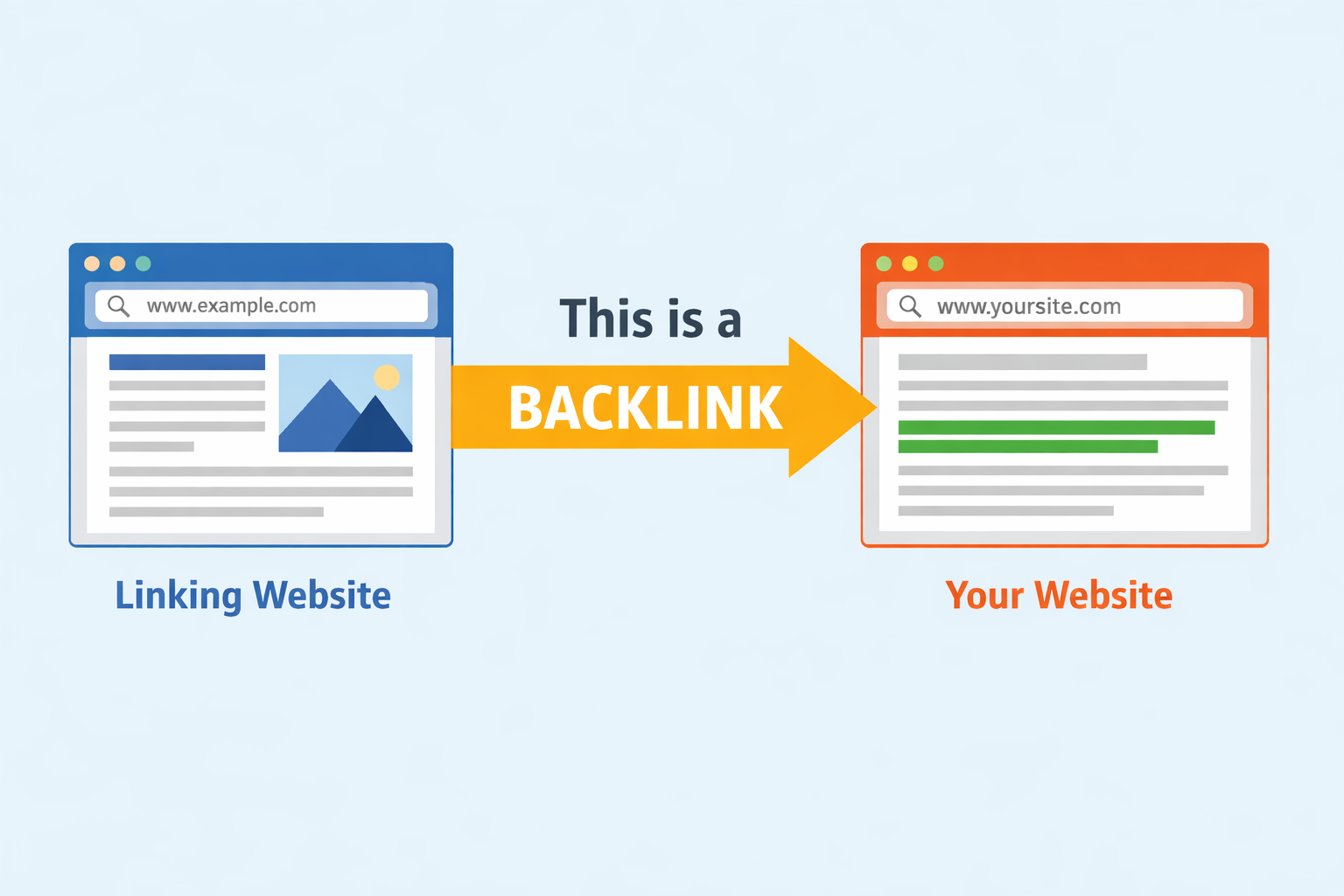
A backlink is just a link from one website to another.
If another website links to your website, that link is a backlink.
Think of it like this:
If someone talks about your business and tells others to check you out, that's a good sign.
Backlinks work the same way online. They are other websites saying, "This page is worth looking at."
Why Do Backlinks Matter So Much?
Google uses backlinks as a trust signal.
When reputable websites link to your page, Google takes that as a sign your content is genuine and useful.
The more credible those links are, the more confident Google becomes in showing your page higher in search results.
Backlinks matter because they help your pages rank better on Google, send real visitors from other websites, and build authority that grows stronger over time.
This is exactly why many teams turn to managed link building partners like dofollow.com instead of guessing their way through outreach.
Multiple SEO studies consistently show the same pattern: pages that rank on the first page of Google almost always have more quality backlinks than pages further down.
That's not luck. It's how Google decides which sites deserve trust and visibility.
How Google Sees Backlinks
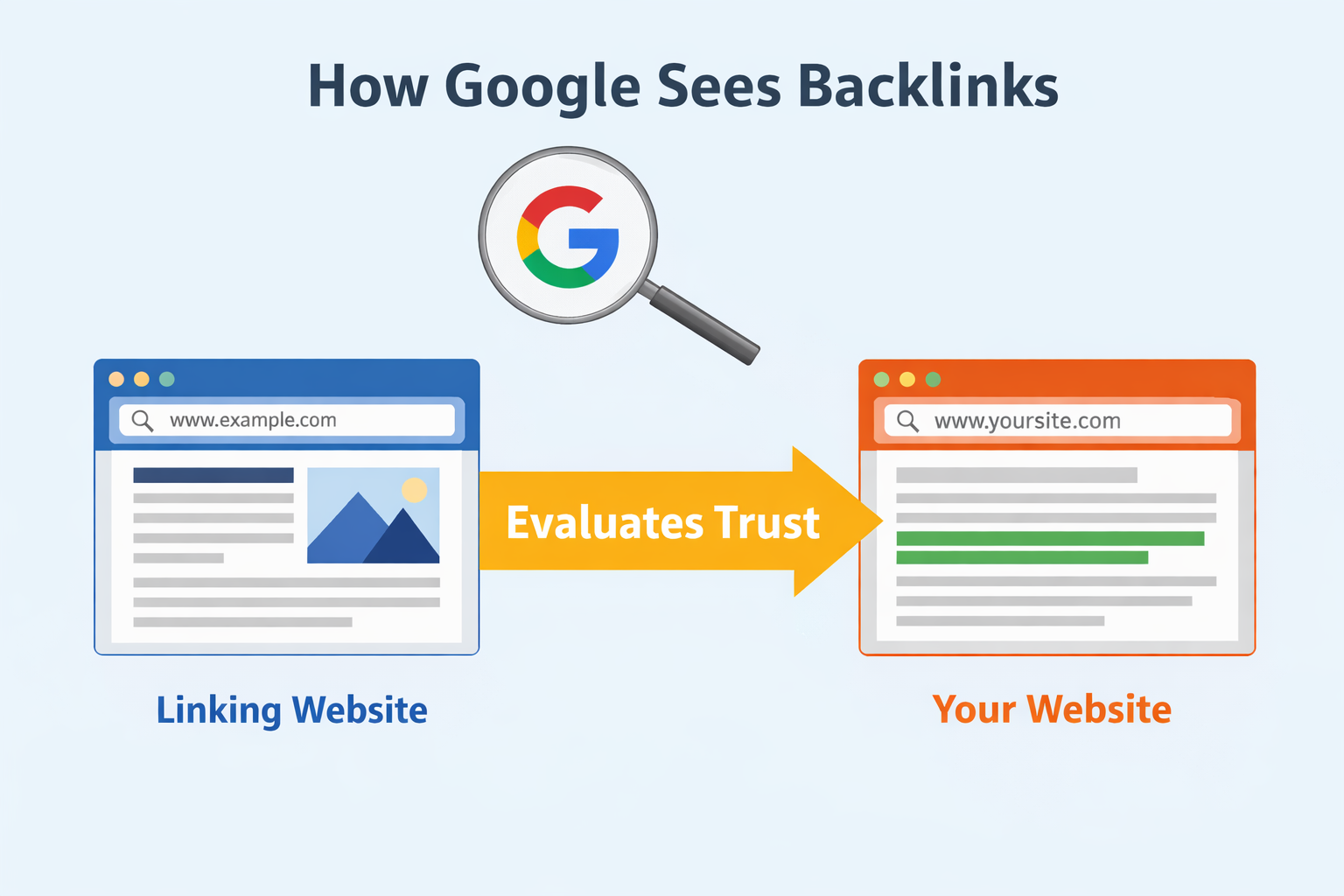
Google treats backlinks like votes.
But not all votes count the same.
A link from a strong, trusted website counts much more than a link from a random or spammy site. One good backlink can be more powerful than dozens of bad ones.
That's why smart SEO focuses on quality, not volume.
The Main Types of Backlinks You Should Know
You don't need SEO jargon, but you do need to know the difference between good and bad links.
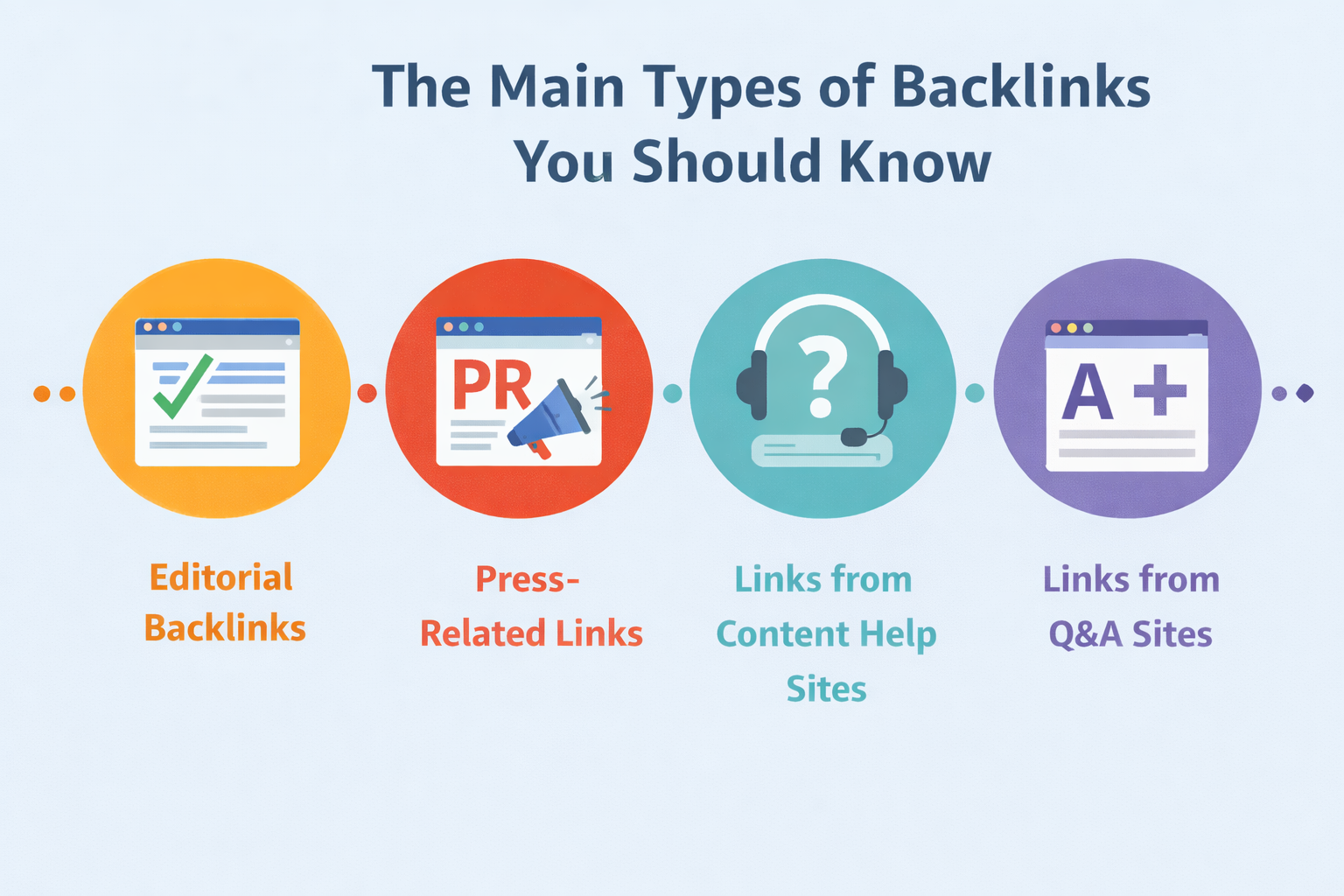
- Editorial links - These are the best kind. They happen when a website links to you naturally because your content is useful. These links are safe, trusted, and very powerful.
- Earned links - These come from outreach or partnerships. For example, you share a helpful article with a blogger, and they decide to link to it. When done properly, these are also safe and effective.
- Manipulated links - These are the risky ones. They include spammy guest posts, paid link schemes, and private blog networks. Google is very good at spotting these, and they often lead to ranking drops or penalties.
The Main Types of Backlinks You Should Know
A Quick Word of Advice
If you remember one thing, remember this:
Backlinks help your site grow, but bad backlinks can hurt it badly.
That's why many businesses turn to the Best link building services instead of guessing. The right help builds trust slowly and safely. The wrong help can undo months of work.
Take your time. Learn what good links look like. And never chase shortcuts — they almost always backfire.
The Real Importance of Backlinks for Long-Term SEO Growth
Let's be honest for a second. If you're putting time and money into SEO, you don't want slow results.
You want to see movement. You want rankings to go up. And you want traffic that actually turns into leads or sales.
This is where backlinks really earn their keep.
Backlinks vs Content: What Moves the Needle Faster?
Content is important. You need it. There's no debate there. But content on its own is slow.
You can publish ten great articles and still see nothing happen if no one is linking to them.
Backlinks, on the other hand, act like a shortcut to trust. When Google sees other websites pointing to your page, it pays attention much faster.
Here's the simple way to think about it:
- Content tells Google what your page is about
- Backlinks tell Google whether your page deserves to rank
If you already have decent content, backlinks usually move the needle faster than publishing more blog posts.
You might want to read this next:
12 Mistakes to Avoid When Implementing a Winning Content Marketing Strategy
12 Mistakes to Avoid When Implementing a Winning Content Marketing Strategy
How Backlinks Help Your Rankings
Backlinks directly help your pages show up higher in search results. Google uses them as a ranking signal because they are hard to fake at scale.
When trusted websites link to you, Google assumes your page is useful.
As a result, your page is more likely to climb from page two to page one. And that jump matters, because most clicks happen on the first page.
If rankings are your goal, backlinks are not optional.
How Backlinks Build Authority Over Time
Authority is not something you can switch on overnight. It builds slowly.
Every good backlink adds a bit more trust to your site.
Over time, this makes it easier for all your pages to rank, not just one article.
That's why older sites with strong link profiles often outrank newer sites, even when the content is similar.
This is also why using the Best link building services can make sense. Done right, they help you build authority steadily instead of taking risky shortcuts.
How Backlinks Improve Crawl Speed
This part is often overlooked.
Search engines find new pages by following links. When other websites link to your content, Google discovers and crawls your pages faster. That means:
- New content gets indexed quicker
- Updates are noticed sooner
- Ranking changes happen faster
If your site has very few backlinks, Google visits it less often. That alone can slow down growth.
Why Quality Always Beats Quantity
This is the most important advice in this section.
One strong backlink from a real, relevant website can be more powerful than dozens of weak links from low-quality sites. One strong backlink from a real, relevant website can be more powerful than dozens of weak links from low-quality sites.
"The same logic now applies to AI search visibility. ChatGPT and Perplexity cite sources by trust, not volume, so a single editorial placement on a site the models already pull from outperforms a hundred low-tier links," says Austin Heaton, SEO and GEO expert.
Chasing big numbers usually leads to spam, and spam leads to trouble.
Bad links don't just fail to help. They can hold your site back or even cause ranking drops.
So if you're investing in backlinks, focus on quality every time. Be patient. Think long-term. And avoid anything that sounds too cheap or too easy. In SEO, shortcuts almost always cost more in the end.
Read this article: : Top 6 AI-Powered Project Management Tools To Use In 2023
Choose Among The 11 Best Link Building Services For 2026.
#1. Dofollow - Top Pick For Managed Editorial Outreach
#1. Dofollow - Top Pick For Managed Editorial Outreach
Teams looking for affordable link building services that are safe and scalable, not risky or spammy.
This works well if you want real editorial links placed inside quality content, with clear rules that follow Google's guidelines.
It's especially useful when you want experts to handle the hard outreach work, so your internal team can focus on content, SEO strategy, and growth.
What's involved in this service:
This type of link building is fully managed from start to finish.
The provider researches relevant websites in your niche, checks traffic and quality, and only targets sites that make sense for your business.
They handle all outreach manually, write or place links naturally inside articles, and follow strict anchor text rules to avoid penalties.
You also get regular reports showing where links are placed, what pages they point to, and how they meet quality standards.
What to check before you commit:
Always ask to see real examples of in-content editorial links on pages with at least 1,000 monthly organic visits.
Make sure they use brand and mixed anchors instead of risky exact-match keywords.
Confirm how often reports are shared, whether link attributes are clearly listed, how quickly they can scale output if needed, and how easy it is to pause or exit the service.
Who this is really for:
If you're an SEO, content, or demand-generation lead who wants a specialist partner to own prospecting, outreach, and quality control, this works like an extension of your team.
It's ideal if you want a done-for-you program that earns policy-compliant editorial links at scale, without guesswork.
This is the type of approach often recommended in serious link building Reddit discussions, where people care more about long-term rankings than quick wins.
The biggest benefit is the focus on relevance, traffic quality, and Google-safe practices.
That lowers the risk of links being ignored or devalued and helps your rankings stay stable through future Google updates, instead of dropping overnight.
#2. Digital PR For Newsworthy Assets
#2. Digital PR For Newsworthy Assets
Brands that have real expertise to share and stories worth talking about.
This works well if you have subject-matter experts, original data, or strong insights that journalists actually care about.
Digital PR is ideal when your goal is to earn some of what are the best backlinks available — real links from trusted news and industry publications, not filler blogs.
What's involved in this service:
This approach focuses on creating newsworthy content first.
The team helps shape stories, reports, or expert insights, then pitches them to journalists and publishers.
They handle media outreach, follow-ups, and placement, while making sure links are added naturally inside editorial coverage.
This is very different from mass outreach or guest posting. It's about link and build at the brand level, using authority and credibility to earn links.
What to check before you commit:
Ask how journalist pitches are written and who they're sent to. You should understand where the data comes from, how it's collected, and how it supports the story.
Make sure links are earned editorially and not treated as ads or sponsored placements.
It's also smart to align these PR assets with your commercial pages, so link equity flows through your site using internal links.
Finally, ask for recent coverage examples in publications your leadership team already knows — this makes buy-in much easier.
Who this is really for:
If you want links that move rankings and build brand trust, this is a strong option. It's often mentioned positively in a links that rank review because the links come from authoritative sites Google already trusts.
While results can take longer, the payoff is long-lasting.
These links are hard to replace, hard to copy, and far less likely to lose value after Google updates.
The big advantage here is durability. When links come from real journalism and real stories, they don't just rank pages — they strengthen your brand in a way shortcuts never can.
#3. Outreach-Led Links With Tight Topical Fit
Outreach-Led Links With Tight Topical Fit
B2B and SaaS companies that need links placed inside real industry content, not random blogs.
This works especially well for niche SaaS, cybersecurity, and marketing brands where it matters that similar companies and experts are backing you up.
The goal here is trust — getting links from sites your audience already respects.
What's involved in this service:
The team looks for industry websites that match your niche and audience.
They check traffic quality, topic fit, and credibility before reaching out. Outreach is done one site at a time, with messages written to fit each publication.
Links are placed naturally inside articles where they make sense, not hidden in author bios or profiles.
Everything is built to feel real and relevant.
What to check before you commit:
Ask how they qualify websites.
You want to see proof of organic traffic and clear audience overlap. Check how often links appear inside the main content versus weak author bio links.
Review their anchor text rules to make sure they avoid risky keyword stuffing.
Also ask about outreach quality — how personalized the emails are and how follow-ups are handled. Response rates are low in this type of work, so process quality really matters.
A quick piece of advice:
If you're in B2B or SaaS, relevance beats scale every time.
A few strong links from the right industry sites can do more for trust and rankings than dozens of generic placements.
Take your time, review examples carefully, and make sure the service understands your space before you move forward.
#4. Data Journalism And PR Coverage
Large or enterprise brands that want national or regional visibility using data-led stories.
This approach works best when you can plan ahead and collaborate closely, because data-driven journalism takes time.
From the first idea to a live story, it can take weeks, not days, so this suits teams that think long term.
What's involved in this service:
The process usually starts with research planning.
The team helps decide what data to collect, how to analyze it, and what story the data can tell.
They then create reports, studies, or insights that journalists can reference. Outreach is focused on high-authority publications, and links are earned naturally as part of editorial coverage.
This isn't about volume. It's about credibility and reach.
What to check before you commit:
Ask how they handle research quality, fact-checking, and corrections if something needs updating.
You should also understand what kind of coverage mix to expect, such as national, regional, or industry-specific outlets.
Just as important, ask how link value is passed to your site. Strong internal linking is needed so those PR links support your most important pages.
A practical note:
PR-driven links work best when they support, not replace, steady outreach.
Think of them as high-impact boosts that sit alongside ongoing link building, helping you maintain a natural and consistent growth pace instead of sharp spikes.
#5. Product-Led And SaaS Outreach
Product-led and SaaS companies that already have a solid product and a strong content library.
This approach works best when your product genuinely solves problems and your blog, guides, or resources are worth referencing.
If you're looking for steady, natural editorial links rather than short bursts, this is a good fit.
What's involved in this service:
The focus is on promoting your existing content and product pages to relevant websites.
The team researches sites in your space, checks traffic and topic fit, and then reaches out with personalized emails that explain why your content is useful to their readers.
Links are placed naturally inside articles as references, not forced mentions.
Over time, this builds trust and a consistent flow of links.
What to check before you commit:
Ask how they control link speed so growth looks natural, and how they keep anchor text varied.
Review real examples of outreach emails and follow-up sequences.
You should also understand how prospects are chosen, especially how they check traffic and relevance.
Finally, confirm how money pages are handled. Brand and partial anchors should be used more often than exact matches to keep things safe.
Friendly advice:
This approach rewards patience.
When your product and content are genuinely helpful, links come more easily and hold their value longer.
Make sure the service respects that balance instead of pushing too hard, too fast.
#6. Custom Outreach Campaigns
#6. Custom Outreach Campaigns
Websites with more complex setups that don't fit a one-size-fits-all approach.
This works well if your site has legacy content, multiple subfolders, or subdomains that confuse simpler link vendors.
It's especially useful when technical structure matters just as much as outreach.
What's involved in this service:
The provider builds a custom plan around how your site is actually structured.
That means mapping which pages should receive links, understanding how link equity flows through your subdomains or folders, and prospecting sites that match each section of your site.
Outreach is tailored for each target, and placements are chosen carefully to support the right pages, not just any page.
What to check before you commit:
Make sure you clearly understand what the monthly retainer covers and how many links you can realistically expect.
Ask about their acceptance rules and the minimum traffic required for each placement.
It's also important to be aware of pricing and commitment.
These campaigns typically start around $3,700 per month and often require a six-month contract, so you want clarity before signing.
Practical advice:
Custom outreach makes sense when your site structure is complex and mistakes are costly.
It's not the cheapest option, but when done right, it prevents wasted links and helps your SEO grow in a cleaner, more controlled way.
#7. Content-Led Link Earning
Brands that are ready to invest in content and treat link building as a long-term program.
This works best if you can fund both high-quality content and ongoing outreach. It's not just about buying links.
It's about earning them consistently through assets people actually want to reference.
What's involved in this service:
The process starts with planning. An editorial calendar is created around content assets like guides, studies, tools, or original insights.
These assets are then promoted through targeted outreach to publishers and websites that would genuinely benefit from linking to them.
Links are earned because the content adds value, not because it's forced into place.
What to check before you commit:
Ask to see the editorial plan and the types of assets they intend to produce.
You should also understand how many links each asset is expected to earn and over what time frame.
Most importantly, check how link quality is measured.
Traffic and relevance matter more than raw domain scores. Also make sure outreach is part of the plan. Relying only on passive link earning is risky.
Helpful advice:
Content-led link earning is powerful, but it rewards patience and consistency.
When content and outreach work together, links come more naturally and last longer.
Make sure the service balances both, so you're not waiting months with nothing to show for the investment.
#8. SaaS Growth Programs With Link Acquisition
SaaS teams that want link building tied directly to growth, not just rankings.
This is a strong fit if you care about pipeline, sign-ups, and revenue, and you want links to support those goals.
It works best when link building is closely aligned with demand generation and product marketing, not run as a separate SEO task.
What's involved in this service:
Link acquisition is planned alongside your content roadmap.
Pages are chosen based on your ideal customer profile and the topics that move buyers through the funnel.
Outreach focuses on sites your target audience already reads, so links support awareness, trust, and conversions.
Teams work closely together to make sure links point to pages that matter for growth, not vanity content.
What to check before you commit:
Make sure the service can clearly show how link building connects to your content plan and ICP.
Ask how topics are mapped to funnel stages and how links are tracked against pipeline metrics.
You should also confirm there are clear policy rules around link quality and acceptance, and that these standards are written into the contract, not just promised verbally.
Straight advice:
If links don't support revenue, they're a distraction.
SaaS growth programs work best when link building is treated as a growth lever, not a numbers game.
Choose a partner that understands that difference and can prove it.
#9. Technical SEO Meets Targeted Outreach
Complex websites where technical SEO and link building have to work together, not in isolation.
This is especially important for marketplaces, multi-language sites, and large blogs with thousands of URLs.
On sites like these, a good link placed on the wrong page can easily lose its impact.
What's involved in this service:
The team looks at both your site structure and your link strategy at the same time.
They help decide which pages should receive links, how those pages connect internally, and how link equity should flow across languages, categories, or sections.
Outreach is planned with technical rules in mind, so links don't end up pointing to pages that can't pass value properly.
What to check before you commit:
Ask how they choose prospect sites and what quality rules they follow. You should also understand the technical guardrails they use to avoid orphaned pages or dead-end links.
Make sure they have systems in place to verify rel attributes so links are labeled correctly.
Finally, ask for case studies that clearly show how combining technical SEO and outreach improved results.
Helpful advice:
For complex sites, link building without technical oversight is risky.
The safest approach is when technical SEO and outreach teams work as one, so every link strengthens your site instead of getting lost.
#10. Authority Placements At Scale
Mid-market to enterprise brands that already get some organic coverage and want more of it, at a higher level.
This works well if you're aiming for strong editorial mentions on trusted, well-known publications and you want to increase volume without dropping quality.
What's involved in this service:
The focus is on securing placements on high-authority sites that Google already trusts.
The team targets established publications, pitches relevant stories or angles, and works within editorial standards to earn mentions and links. This isn't about small blogs or quick wins.
It's about consistent visibility in places that matter to your market and your leadership team.
What to check before you commit:
Ask about the minimum traffic required for each placement and the authority range you should expect.
You should also be very clear on how links are labeled.
There must be clear rules around sponsored versus true editorial links, and an acceptance policy that protects your site. Pricing is typically premium.
For example, providers like uSERP offer tiered monthly programs ranging from around $10,000 to $25,000 or more, with clearly defined editorial quality levels.
Straight advice:
Authority placements at scale only make sense if your foundation is solid.
If your site and messaging are already strong, this approach can amplify trust fast. If not, it can be expensive noise.
Make sure the quality bar and rules are clear before you invest.
#11. Creative Campaigns For Global Press
Brands that want big, creative PR campaigns with global reach.
This works best when you can tell a strong story that connects back to your product or your category, not just chase attention for its own sake. If your goal is international visibility and brand authority, this approach fits.
What's involved in this service:
The process usually starts with creative ideas that can travel across regions and media outlets.
The team develops a campaign concept, shapes the story, and pitches it to global press.
Coverage often includes a mix of mentions and links, earned through editorial interest rather than payment. Planning is key, because these campaigns involve more moving parts and longer timelines than standard outreach.
What to check before you commit:
Ask how ideas move from concept to real coverage and how risks are managed, especially around site reputation abuse.
You should understand what ratio of links versus mentions to expect, since not every press hit will include a link. It's also important to have internal linking plans ready, so any earned authority flows to the pages that matter most.
Practical advice:
Global creative campaigns can build serious authority, but they're not quick wins.
Make sure the story supports your product and that your site is ready to benefit from the attention.
When planned well, the impact goes far beyond a single spike in coverage.
What SEO Pros Actually Look for in the Best Link Building Services
If you want links that help your site grow and don't come back to hurt you later, you need to know what really matters.
SEO pros don't chase shiny numbers or cheap deals. They look for a few clear signals that separate safe services from risky ones.
Here's what they pay attention to.
Relevance Over DR Chasing
A high domain rating looks nice on a report, but it's not the goal.
What matters more is relevance.
A link from a site that talks about the same topics as you is far more valuable than a random high-DR site that has nothing to do with your business.
Google understands context very well now. Links only help when they make sense.
SEO pros always ask: Does this link belong here?
If the answer is no, they skip it.
Real Traffic, Not Fake Metrics
Good links come from sites that real people actually visit.
Some sites have decent-looking metrics but zero real traffic.
Others inflate numbers or exist only to sell links. Those links don't move rankings and can even be ignored by Google.
Pros look for proof of organic traffic, not just scores in a tool. If a service can't show that, it's a red flag.
Editorial Context, Not Link Inserts
Where the link sits on the page matters.
Links placed naturally inside the main content of an article are much stronger than links dropped into sidebars, footers, or random link lists.
Link inserts into old posts can work sometimes, but only when done carefully and with context.
SEO pros prefer editorial links because they look natural and last longer.
Manual Outreach Only
Good links come from real conversations.
That means researching sites, writing custom emails, and following up properly.
It takes time, but it works. Automated outreach might be faster, but it creates patterns Google doesn't like and publishers often ignore.
The best link building services do this by hand, even if it limits volume.
Transparent Reporting and Real Samples
There should be no guessing.
You should always be able to see:
- The exact page where the link lives
- The site's traffic level
- The anchor text used
- Whether the link is follow or nofollow
SEO pros also expect to see real examples before committing. If a service won't show past placements, that's a warning sign.
If a link building service focuses on relevance, real traffic, editorial placement, manual outreach, and clear reporting, you're on the right track. If it focuses on speed, volume, or vague promises, walk away.
In link building, slow and careful almost always beats fast and cheap.
Red Flags That Instantly Disqualify a Link Building Agency
This part is important. If you spot even one of these signs, stop the conversation.
These red flags usually mean wasted money at best and damaged rankings at worst.
A good link building agency will be careful, honest, and realistic. A bad one will overpromise and avoid details.
Here's what to watch out for.
- "Guaranteed rankings" - No one can guarantee rankings. Google decides that, not agencies. Anyone making promises like "top 3 in 30 days" is either lying or planning to use risky tactics. Serious SEO professionals never talk this way.
- No niche or industry discussion - If they don't ask what industry you're in, that's a problem. Relevance matters. A service that treats a SaaS company the same as a local plumber is not building links properly. Good agencies want to understand your audience before they build anything.
- No live link examples - You should always be able to see real links they've placed. Not screenshots. Not blurred URLs. Actual live pages. If they dodge this request or give excuses, assume they're hiding something.
- Networks they "own" - When an agency says they own their websites, be careful. This often means private blog networks or link farms. Google is very good at detecting these patterns. Links from these networks might work briefly, then quietly stop helping or even hurt your site.
- Same package for every client - SEO is not one-size-fits-all. Your site, goals, and competition are different from everyone else's. If the agency sells identical packages to every client, they're focused on volume, not results.
Good link building takes time and effort. It involves research, outreach, and patience. Bad agencies sell speed and certainty because that's easier to market.
If you're serious about long-term SEO, these red flags help you filter out the wrong partners fast and protect your site before any damage is done.
Which Type of Business Needs Professional Link Building the Most
SaaS companies and startups are usually the first to feel the pressure.
They operate in crowded search results where everyone is publishing content and targeting the same keywords.
Even strong content struggles to rank without backlinks, especially against older competitors with established authority. Professional link building helps SaaS teams earn trust faster, shorten the time it takes to see movement, and compete without waiting years for authority to build naturally.
Agencies also benefit heavily from professional link building, especially when they manage SEO for multiple clients.
Scaling links safely across different industries is hard to do in-house without dedicated systems and relationships.
Outsourcing link building allows agencies to deliver consistent results, control quality, and focus their internal teams on strategy, reporting, and client growth instead of manual outreach.
E-commerce brands face a different challenge.
They are often competing against massive retailers with huge budgets and strong backlink profiles.
Product pages rarely attract links on their own, so professional link building helps support category pages, buying guides, and commercial content that drives revenue. Without links, even well-optimized stores struggle to move past page two.
DIY link building can make sense in some cases, especially for small sites, early-stage projects, or founders who have time to learn and experiment. But it becomes difficult to sustain once growth matters.
Outreach takes time, rejection rates are high, and mistakes are easy to make. When rankings, traffic, and revenue are on the line, professional link building is usually the safer and more scalable option.
Final Verdict: Backlinks Aren't Optional — Bad Ones Are Dangerous
Backlinks are not a nice-to-have anymore. If you want to rank, compete, and stay visible, you need them.
Google still uses backlinks as a core trust signal, and sites without them almost always hit a ceiling.
You can publish more content, tweak pages, and optimize endlessly, but without links, growth is slow and often stalls completely.
That said, bad backlinks are worse than no backlinks at all.
Cheap links, rushed campaigns, and low-quality placements don't just fail to help. They can quietly hold your site back or trigger drops that are hard to explain and even harder to fix.
This is why choosing the Best link building services matters. It's not about getting links fast or cheap. It's about getting the right links, in the right places, at a pace Google is comfortable with.
The smartest approach is to think long term. Good link building compounds.
It builds trust month after month and makes everything else you do in SEO work better.
If a service focuses on relevance, real traffic, editorial placement, and clear rules, you're investing in survival, not shortcuts. In SEO, the goal isn't quick wins. It's staying visible when updates roll out and competitors fall away.
Most Popular Posts

Effective communication among team members is vital for the productivity and success of any organization. Surprisingly, 60% of companies lack a long-term internal communication strategy, which p...


Businesses thrive on communication for efficiency, productivity and accomplishment. When the right information is passed from the right designation in the organization, it promotes positivity an...

Categories
Blog
(3182)
Business Management
(393)
Employee Engagement
(235)
Digital Transformation
(215)
Growth
(150)
Intranets
(141)
Internal communications
(106)
Remote Work
(68)
Sales
(53)
Collaboration
(52)
Customer Experience
(32)
Culture
(30)
Knowledge Management
(29)
Project management
(29)
Leadership
(20)
Comparisons
(9)
News
(1)

Related Posts

Looking for a New Job Remotely can feel like a simple next step: update your CV, turn on job alerts and start applying. In reality, the strongest remote job searches start much earlier. You need to be clear about the work you want, the kind of ...

Hiring globally is easier than employing globally Have you found the right person for a role, only to realise they live in a country where your business has no legal entity? That's where EOR international hiring can be useful. An Employer of Re...

Sales operations and planning are essential to harmonizing sales objectives with operational capabilities, ensuring seamless coordination between departments like sales, marketing, production, and finance. This alignment enables businesses to forecas...

How can a business collect the public web data it genuinely needs without creating avoidable security, privacy or supplier-risk problems? That's the question more teams are now facing. From competitor price monitoring and SEO research to brand protec...

The sales interview is a crucial part of the job search process, as it provides an opportunity for the candidate to showcase their skills, experience, and personality to the hiring manager. In this interview, the candidate is evaluated on their...


Jill Romford
I am a digital nomad, lover of exploring new places and making friends.
I love to travel and I love the internet. I take pictures of my travels and share them on the internet using Instagram.
Traveler, entrepreneur, and community builder. I share my insights on digital marketing and social media while inspiring you to live your fullest life.
Ready to learn more? 👍
One platform to optimize, manage and track all of your teams. Your new digital workplace is a click away. 🚀
Free for 14 days, no credit card required.