Insight Blog
Agility’s perspectives on transforming the employee's experience throughout remote transformation using connected enterprise tools.
31 minutes reading time
(6238 words)
Most Businesses Ignore This: How Geo SEO, Geo Targeting, and Native Content Turn Local Clicks into Buyers

Most Businesses Ignore This: How Geo SEO, Geo Targeting, and Native Content Turn Local Clicks into Buyers
Most businesses overlook geo seo, geo targeting, and native content. Learn how combining all three turns local clicks into high-intent buyers and drives measurable growth.
Most Businesses Ignore This: How Geo SEO, Geo Targeting, and Native Content Turn Local Clicks into Buyers

Most businesses chase traffic and wonder why it doesn't convert. Rankings go up. Clicks increase. Revenue barely moves.
Here's the truth: traffic without intent is just noise.
The companies actually winning locally are combining geo seo, geo targeting, and native content to attract buyers — not browsers.
And the data proves it:
- 46% of all Google searches have local intent
- Location-based landing pages can convert 2–3x higher
- 80% of consumers are more likely to buy from brands delivering localized experiences
That's not a small improvement. That's the gap between visibility and revenue.
If you want local clicks that turn into real buyers, this is where it starts. Ignore it, and you'll keep paying for traffic that was never going to convert in the first place.
80%
more likely to buy
80% of consumers are more likely to purchase from brands delivering localized, personalized experiences, reinforcing the impact of geo targeting strategies.
Source: Personalization & Consumer Experience Research
The Hidden Challenges of Geo SEO and Geo Targeting
On paper, geo seo, geo targeting, and native content sound straightforward.
In reality, execution gets complicated fast.
One of the biggest challenges businesses face is simple:
You can't easily see what your visitors see in each location.
Search results differ by city.
Ads display differently by region.
Local competitors shift depending on geography.
Even map pack rankings change based on physical proximity.
If you're sitting in London, you're not seeing what someone in Manchester sees. And if you're running international campaigns, you definitely aren't seeing what someone in Dublin, New York, or Berlin sees.
That blind spot creates risk.
You might believe your geo seo pages are ranking well — but only in your own city.
You might assume your geo targeting ads look correct — but messaging could be misaligned in other regions. You could even be missing local competitors entirely because Google personalizes results by location.
That's a serious strategic weakness.
Search engines and ad platforms use:
- IP-based location detection
- GPS signals (on mobile)
- Regional language settings
- Historical behavior
- Proximity signals for map rankings
This means two people searching the exact same keyword in different cities can see completely different results.
So if you can't simulate being in those regions, you're optimizing in the dark.

The Hidden Challenges of Geo SEO and Geo Targeting
How to Overcome It
This is where technical tools make a real difference.
Using location-based testing tools and proxies allows you to see search results and ads exactly as users in different regions see them.
For example:
- Chrome developer tools allow basic location simulation.
- VPN services let you test broader country-level visibility.
- Dedicated proxy solutions provide more accurate geo-specific testing.
A more precise method is using a Country proxy Chrome at MarsProxies, which allows you to simulate browsing from specific countries directly within Chrome.
This means you can:
- Verify local SERP rankings
- Check map pack positioning
- Validate geo targeting ad visibility
- Test localized landing page behavior
- Review competitor positioning in that region
Instead of guessing whether your geo seo strategy is working in another country, you can see it.
Instead of assuming your geo targeting campaign displays correctly, you can confirm it.
Key Takeaways
- Nearly half of all Google searches have local intent, making geo seo essential for attracting high-intent regional buyers instead of broad, low-converting traffic.
- Geo targeting reduces wasted ad spend by delivering location-specific messaging to defined regions, improving relevance and lowering cost per acquisition.
- Location-based landing pages consistently convert higher because they align offers, proof, and messaging with geographic context.
- Native content builds trust within regional markets by blending into trusted platforms and reinforcing authority before the sales conversation begins.
- Businesses that align geo seo, geo targeting, and native content create a unified buyer journey — turning local visibility into measurable revenue growth.
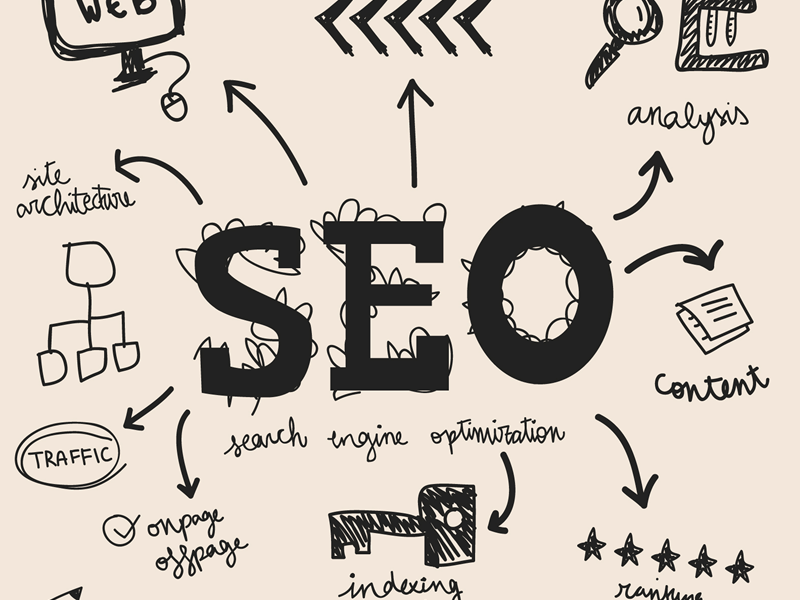
What Is Geo SEO (And Why Basic SEO Isn't Enough Anymore)
What Is Geo SEO (And Why Basic SEO Isn't Enough Anymore)
Geo SEO is the practice of optimizing your content for specific geographic locations so you attract buyers in defined cities, regions, or service areas — not just random traffic from anywhere.
Instead of ranking for broad, competitive terms, geo seo focuses on:
- Location-specific landing pages (city, region, country)
- Local keywords embedded naturally in content
- Structured data and local schema markup
- Google Business Profile optimization
- Local backlinks and citations
- Region-specific case studies and testimonials
It's not about stuffing city names into pages. It's about aligning your content with how people actually search when they're ready to buy.
Because when someone searches with location intent, they're usually much closer to making a decision.
Why Generic SEO Fails at Conversion
Generic SEO often creates visibility — but not velocity.
You rank.
You get impressions.
You even get clicks.
But conversion rates stay low.
Why?
Because broad keywords bring broad audiences.
And broad audiences include:
- Researchers
- Students
- Competitors
- People outside your service area
- Low-intent browsers
High impressions with low intent don't generate revenue. They generate vanity metrics.
When you don't layer geo seo into your strategy, you're essentially competing globally when you only need to win locally.
That's inefficient.
How Location Data Gets Used
This is where most businesses underestimate the power of location.
Location data fuels both geo seo and geo targetting (geo targeting), and it works in multiple layers:
- Search Intent Signals - Search engines use IP address, device GPS, and search history to understand where a user is located. This influences what results appear first.
- Local Pack & Map Rankings - Google prioritizes businesses closest to the searcher when local intent is detected.
- Personalized Content Delivery - With geo targetting, websites and ads can dynamically adjust headlines, offers, and CTAs based on user location.
- Ad Spend Optimization - Paid campaigns can focus on high-performing regions and eliminate wasted spend in low-converting areas.
- Behavioral Data Layering - Location data combined with industry targeting allows businesses to refine messaging by region and sector at the same time.
When used correctly, location data increases relevance — and relevance increases trust.
And trust increases conversions.
Compare these two searches:
The first is broad and exploratory.
The second is specific and transactional.
The person searching the second query has already narrowed their options geographically and by industry. That's high-intent traffic.
Geo seo ensures you rank for that second search.
Geo targetting ensures your messaging feels tailored once they land.
And when both align, you're no longer hoping traffic converts — you're engineering it to.
Related SEO, AI Search & Digital Marketing Guides You Should Explore Next
If you're building a stronger geo SEO strategy, improving visibility in AI-driven search, or refining your digital marketing execution, these in-depth guides will help you strengthen rankings, increase authority, and convert more qualified traffic.
- How to Use Agile Project Management for SEO & Digital Marketing
- Maximizing YouTube as a Powerful SEO Tool
- SEO Tips for the Holidays: How to Optimize Your Store
- Building and Managing a High-Performance SEO Team
- SEO and Multilingual Content Marketing Guide
- The Vital Role of SEO in Startup Growth
- Selecting the Perfect SEO Service for Maximum Visibility
- How to Use AI for SEO: Enhance Rankings Strategically
- How Google Really Feels About Generative AI and SEO
- The Rise of AI Search Engines
- Law Firm SEO Strategies
- 10 SaaS SEO Strategies for Sustainable Growth
2–3x
higher conversions
Location-based landing pages can convert 2 to 3 times higher than generic pages because messaging aligns directly with user location and intent.
Source: CRO & Local SEO Industry Reports
What Is Geo Targeting (And Why It Changes the Game)
If geo SEO helps you rank locally, geo targeting ensures the right people actually see the right message once they're in-market.
Most businesses still market like it's 2012 — one message, one campaign, one generic landing page. But buyers don't behave generically anymore. They search locally, compare locally, and trust locally.
Geo targeting adapts your visibility based on where someone is physically located. That's where precision starts replacing guesswork.
Geo targeting is the practice of delivering ads, offers, or content to users based on their geographic location.
This can include:
- IP address targeting
- GPS-based mobile targeting
- City-level segmentation
- Region or country-based filtering
- Postal code targeting
- Industry + location audience layering
Unlike traditional digital marketing, which casts a wide net, geo targeting narrows exposure to users in defined service areas or high-performing regions.
It's a core part of location-based marketing and regional advertising strategies.
Relevance drives action.
When someone in Birmingham sees a headline that says:
"Trusted Software for Birmingham Manufacturing Firms"
Their brain processes it differently than:
"Trusted Software for Businesses."
That specificity activates psychological alignment — it feels tailored.
Here's what happens when you use geo targeting correctly:
- Lower wasted ad spend by excluding non-service areas
- Higher click-through rates (CTR) from localized messaging
- Better cost per acquisition (CPA) by focusing on high-converting regions
- Stronger engagement through location relevance
Studies show that localized campaigns often outperform broad campaigns in both engagement and conversion metrics. Why? Because contextual relevance increases perceived trust.
And trust reduces hesitation.
Paid + Organic Geo Targeting Strategy
The real advantage comes from combining paid and organic efforts instead of treating them separately.
A smart strategy includes:
- PPC Location Campaigns - Run city-specific Google Ads or social campaigns targeting defined regions. Use geo-fenced ads where applicable.
- Localized Landing Pages - Send traffic to pages optimized with geo SEO, including city keywords, regional testimonials, and local schema markup.
- Dynamic Content Personalization - Use dynamic landing page elements that adjust headlines, CTAs, or case studies based on the visitor's region.
- Retargeting by Region - Segment remarketing audiences based on geographic performance and adjust messaging accordingly.
- Hyperlocal Content Marketing - Publish region-specific blog posts, industry insights, and case studies to build local authority.
When geo targeting aligns with geo SEO and location-specific content, you're no longer relying on traffic volume.
You're building a regional growth engine.
And most businesses still haven't figured that out.
Native Content: The Missing Conversion Layer
You can have strong local rankings.
You can run precise location-based campaigns.
But if your messaging still feels like an ad, people hesitate.
That hesitation is expensive.
This is where native content becomes the conversion accelerator most businesses overlook.
What Native Content Actually Means
Native content is promotional material designed to match the look, tone, and format of the platform where it appears.
Instead of interrupting the experience, it integrates into it.
This can include:
- Sponsored editorial articles
- Branded storytelling in industry publications
- Platform-aligned thought leadership pieces
- In-feed advertorials
- Contextual content partnerships
Unlike banner ads or aggressive pop-ups, native advertising works because it doesn't scream "buy now."
It educates first. It builds authority. It earns attention.
When combined with local search optimization and regional marketing strategies, native content becomes even more powerful.
Why It Converts Faster Than Traditional Ads
Consumers have developed banner blindness. They scroll past obvious promotions automatically.
But when content mirrors the platform's tone and structure, it lowers psychological resistance.
Research consistently shows that sponsored editorial content generates significantly higher engagement compared to standard display advertising.
Why?
Because:
- It feels informative instead of intrusive
- It aligns with user intent
- It provides value before asking for action
When someone reads a well-written article about "growth challenges for fintech startups in Manchester" on a respected business publication, they don't feel targeted — they feel understood.
That distinction matters.
Native content activates two powerful cognitive triggers:
- Familiarity Bias - People trust what feels familiar. When messaging reflects their region, industry, or local business environment, resistance drops.
- Authority Signaling - Appearing within trusted media platforms transfers credibility. It positions your brand as established and legitimate.
Add regional personalization — layered with geo seo and geo targeting — and the message feels intentional rather than accidental.
Instead of thinking,
"This is an ad,"
Your audience thinks,
"This company understands my market."
And when that shift happens, conversion friction decreases dramatically.
Where Most Brands Misstep
Even established global companies invest heavily in sponsored content campaigns but forget localization.
You'll often see multinational SaaS firms publish identical sponsored articles across multiple regional outlets without adapting messaging for each market. Same copy. Same examples. Same tone.
That weakens impact.
Because effective native content isn't just platform-specific.
It's audience-specific.
Region-aware.
Context-driven.
And when it supports your geo seo structure and aligns with your geo targeting campaigns, it doesn't just generate traffic.
It builds conviction.
And conviction is what turns attention into buyers.
Why Most Businesses Get This Wrong
On paper, it looks like they're doing everything right.
They invest in geo targeting ads.
They publish blog posts for SEO.
They experiment with native content placements.
But conversions don't move.
Why?
Because they treat geo seo, geo targeting, and native content as separate tactics instead of a unified strategy.
1. They Run Geo Targeting Without Strong Geo SEO
This is one of the most common mistakes.
A company launches location-based ad campaigns targeting Manchester, London, or Birmingham — but sends all that traffic to a generic homepage.
No localized landing page.
No city-specific case studies.
No regional proof points.
You see this even with major brands.
Large national retailers often run paid ads for "same-day delivery in London" but route users to a standard UK homepage with no localized messaging.
The targeting is precise. The landing experience is not.
That disconnect kills momentum.
If you're using geo targeting without supporting geo seo infrastructure, you're paying to create friction.
2. They Create Native Content Without Location Relevance
Big brands frequently publish sponsored articles or editorial-style features (native content) in regional publications — but the content reads like a national press release.
It mentions nothing about the local audience.
No regional challenges.
No local statistics.
No community alignment.
For example, multinational tech companies often run native placements in city-focused business journals, yet the content could apply anywhere in the world.
There's no localization layer.
That defeats the purpose.
Native content works because it blends into its environment. If it doesn't reflect the local context, it loses credibility instantly.
And credibility is what converts.
3. They Optimize for Traffic, Not Buyers
Some of the biggest e-commerce and SaaS brands rank for high-volume, generic keywords.
They dominate search results globally — but still struggle with localized conversion rates.
Why?
Because ranking for "software platform" isn't the same as ranking for "software platform for logistics companies in Leeds."
Broad visibility inflates analytics dashboards.
Localized visibility increases revenue.
There's a difference.
4. No Message–Market–Location Alignment
This is the real issue.
When geo seo attracts a local audience, geo targeting delivers the right message, and native content builds contextual trust — everything aligns.
But when those three aren't connected:
- Ads feel disconnected from landing pages
- Content feels generic
- Messaging lacks regional credibility
- Visitors hesitate
Even major global brands get this wrong because they scale nationally and forget local nuance.
And that's the opportunity.
Because when smaller, smarter businesses align geo seo, geo targeting, and native content correctly, they can outperform brands with 10x the budget — simply by being more relevant.
Local traffic doesn't convert because it isn't treated like local traffic.
Fix that, and everything changes.
Here is the 3-Step Framework to Turn Local Clicks into Buyers
Step 1: Build High-Intent Geo SEO Pages (Today)
Yes effective local SEO isn't guesswork — industry experts show that location-based pages drive better relevance and conversions because they match the real searches people make.
Actions to do today:
- Create individual location pages with real local signals
- Build a unique page for each city, region, or service area you serve.
- Include local contact details, hours, service area map, and specific offers.
- Include local content like neighbourhood names, region-specific problems, or community references — not just the city name dropped in once.
- Use geo-specific keywords
- Use keyword tools (Ahrefs, Semrush, Ubersuggest) to find location + service phrases with high intent (e.g., "IT solutions in Leeds").
- Add these into headings, meta tags, and body content as natural context.
- Add structured local data
- Put NAP (Name, Address, Phone) in schema markup so Google understands exactly where and how you serve each location.
- Tools like Google's Structured Data Helper make this easy.
- Optimize for Google Business Profile everywhere
- Claim and complete a listing for each location — including photos and reviews — so you show up in local packs and maps for geo-targeted searches.
Make sure your landing pages match the exact where someone is searching from give search engines and users stronger signals that your business is relevant locally — leading to higher visibility and better conversions.
Step 2: Layer Smart Geo Targeting Campaigns (Now)
Now on the geo targeting sides of things, it isn't just a PPC setting — it's about delivering the right message to the right place so your campaign spend becomes profit-centered instead of wasteful.
Actions to do today:
- Set location filters in ads
- In Google Ads or Meta Ads, exclude areas that don't convert.
- Target by city, postal code, or specific radius around your locations.
- Match landing page to ad location
- Make sure your ads with city references (e.g., "Birmingham Demo Now Available") point to the geo-specific landing page you created. If the mapping doesn't match, conversions plummet.
- Segment audiences by region
- Create audience lists by geography and tailor your ad creative with location specifics.
- Even split test messaging for different regions to see which resonates — e.g., "London Consulting Expertise" vs "Manchester Manufacturing Solutions."
- Use IP-based content personalisation
- Implement simple scripts that change headlines, CTAs, or hero messaging based on visitor location.
- This aligns the user experience with their local intent before they even scroll.
Delivering every click through a geo-aligned experience increases relevance and reduces wasted spend — something national campaigns routinely miss.
Step 3: Deploy Native Content for Authority (Action Today)
Native content doesn't feel like an ad — and that's precisely why it engages better and builds trust. It's what savvy brands are using to seed authority in local markets.
Actions to do today:
- Publish local case studies or customer stories
- Write short stories (2–3 paragraphs) about how you helped a customer in that specific region solve a real problem.
- Feature these on your geo SEO pages and also pitch them out as native content to local industry media.
- Pitch local publications
- Target city-specific business journals, community blogs, or niche industry newsletters with a brief editorial idea — not a press release.
- Focus on something newsworthy about your work in that region.
- Create in-feed content aligned with location
- On social platforms and native ad networks (Outbrain, Taboola), push articles that speak to local challenges and solutions before any hard sell.
- Example: "How South West Businesses Solve Remote Collaboration Challenges in 2026" — tailored content drives engagement much higher than generic promotions.
Native content blends with trusted environments, turning passive visitors into qualified prospects — especially when geo-relevant.
Here Is an Important Quick Daily Checklist to Apply Now
Build or update one local landing page today
- Add geo-specific keywords in titles + headings
- Activate location filters in your next ad campaign
- Match ad traffic to the right landing page
- Write and publish one native content piece with a local angle
- Pitch at least one relevant regional publication with a topical idea
These actions aren't theory — they reflect current best practices marketers are using in 2026 to turn location intent into revenue, not just clicks or rankings.
Want me to turn these into a step-by-step SOP with templates you can copy and paste?
Case Study Scenario: How a UK Healthcare SaaS Increased Conversions with Geo SEO, Geo Targeting, and Native Content
Let's break this down with a realistic example.
A mid-sized SaaS company selling compliance and collaboration software to UK healthcare providers was generating:
- 5,000 monthly visitors
- 0.4% conversion rate
- Around 20 demo requests per month
On paper, traffic looked healthy. But most of it was broad and unfocused — coming from generic keywords like "healthcare management software" and "team collaboration tools."
Plenty of visitors. Very few buyers.
Instead of chasing more traffic, they focused on precision.
They implemented three aligned strategies:
- Geo SEO
- Geo targeting
- Native content
Here's what that actually looked like.
Step 1: Geo SEO Implementation
They created region-specific landing pages targeting:
- "Healthcare compliance software London"
- "NHS digital collaboration tools Manchester"
- "Healthcare communication platform Birmingham"
Each page included:
- Local healthcare regulations references
- Region-specific case examples
- Localized testimonials
- Structured local schema markup
Healthcare procurement teams often search with geographic intent — especially when compliance regulations differ by trust or region.
By aligning their geo seo strategy with real search behavior, they reduced competition and increased buyer intent.
ChallengeThe biggest issue?
Avoiding duplicate content.
They couldn't just swap city names. Each page required meaningful regional customization, which took time and research.
Early ResultOrganic traffic dropped from 5,000 to 3,800 monthly visitors.
But this time, it was targeted.
Step 2: Geo Targeting Campaigns
They restructured paid ads using geo targeting:
- Targeted NHS-heavy regions
- Excluded areas outside service capacity
- Matched ads to region-specific landing pages
Example:
Ad Headline:
"Secure Healthcare Communication Platform for London NHS Trusts"
Landing Page:
London-specific compliance references + case study.
Previously, ads sent users to a generic homepage.
Now, the message matched the location intent immediately. This reduced friction and improved trust.
Some regions had lower search volume, making performance data slower to accumulate.
They had to commit to testing long enough to see meaningful patterns.
Early Result
- 28% reduction in cost per acquisition
- 41% increase in click-through rate in targeted regions
Step 3: Native Content for Authority
They published native content in regional healthcare publications and NHS-focused newsletters.
Instead of promoting features, they wrote about:
- "Digital Communication Gaps in Greater Manchester Healthcare Trusts"
- "Improving Internal Compliance Processes Across London Hospitals"
The content was educational, not promotional.
Native content built credibility before the sales pitch.
Healthcare decision-makers are risk-averse. Seeing thought leadership in trusted regional publications increased perceived authority.
Measuring ROI wasn't immediate.
Native content influenced assisted conversions, not just direct clicks.
They had to monitor multi-touch attribution instead of last-click metrics.
The Results After 6 Months
| Metric | Before | After |
| Monthly Visitors | 5,000 | 3,800 |
| Conversion Rate | 0.4% | 1.9% |
| Monthly Demo Requests | 20 | 72 |
| Cost Per Acquisition | Baseline | ↓ 28% |
| Regional Close Rate | 11% | 24% |
Traffic decreased.
Revenue increased.
That's the difference between visibility and precision.
Why This Worked
The success wasn't from one tactic.
It was alignment.
- Geo SEO captured high-intent regional searches.
- Geo targeting ensured the right users saw relevant messaging.
- Native content built trust within the healthcare community.
Together, they triggered:
- Relevance ("This is for our trust.")
- Authority ("They understand UK healthcare compliance.")
- Confidence ("Others in our region use this.")
The Biggest Lesson
Most SaaS companies chase more traffic.
This company chased better traffic.
And that's why demo requests increased by over 250% — without increasing total visitor volume.
Lower traffic.
Higher intent.
More buyers.
That's what happens when geo seo, geo targeting, and native content work together instead of in isolation.
Metrics That Actually Matter (And the Tools to Track Them)
If you're investing in geo seo, geo targeting, and native content, you need to measure the right things.
Not impressions.
Not vanity traffic.
Not "overall growth."
You need location-based performance data.
Here's what actually matters — and which tools you can use today to track it.
1. Local Organic Ranking Improvements
If geo SEO is working, you should see ranking improvements for location-specific keywords, not just broad terms.
You want to track:
- "Service + City" keyword positions
- Local pack visibility
- Regional search impressions
- Click-through rates by location
Tools to use:
- Google Search Console – Filter performance by query and page to monitor location-based keyword impressions and clicks.
- Ahrefs – Track city-specific keyword rankings and SERP changes.
- SEMrush Position Tracking – Set up campaigns by postcode or city to monitor local ranking shifts.
- BrightLocal – Specifically designed for local SEO tracking and map pack monitoring.
If your geo SEO strategy is working, you'll see upward movement in city-based queries — even if national rankings stay flat.
That's a good sign.
2. Cost Per Acquisition (CPA) by Region
Geo targeting should lower wasted spend.
Instead of one blended CPA across the country, you should track acquisition cost per city or region.
You want to know:
- Which regions convert cheaper?
- Which locations waste budget?
- Where should you scale?
Tools to use:
- Google Ads Location Reports – View performance segmented by region, city, or postcode.
- Meta Ads Manager – Break down campaigns by geographic segment.
- HubSpot or Salesforce – Attribute revenue to region-based campaigns.
- Google Analytics 4 (GA4) – Compare acquisition costs against conversion events by geography.
If one region produces conversions at 40% lower CPA, scale there first.
Precision beats expansion.
3. Demo Bookings Per City
If you're B2B or SaaS, this is critical.
You need to track demo requests, consultations, or sales calls by region.
Not total demos.
Demos per location.
This tells you whether your geo SEO and geo targeting alignment is producing high-intent leads.
Tools to use:
- GA4 Conversion Events – Segment form submissions by geographic data.
- HubSpot CRM – Tag leads by location and track pipeline performance.
- Salesforce Reports – Create regional dashboards for demo-to-close ratios.
- Calendly Analytics – If using booking tools, review booking origin by region.
If Manchester produces 18 demos per month and London produces 5 — despite higher traffic — that's insight.
That tells you where messaging resonates.
4. Conversion Rate Per Geo Segment
Overall conversion rate is misleading.
Instead, track:
- Conversion rate by city
- Conversion rate by region
- Conversion rate by traffic source + location
This reveals where your local messaging is strongest.
Tools to use:
- Google Analytics 4 (Explore Reports) – Create custom reports comparing conversion events by geographic region.
- Hotjar – Analyse on-page behaviour differences by region.
- Microsoft Clarity – See how users in different locations interact with localized landing pages.
If your Birmingham page converts at 2.1% and your London page converts at 0.8%, the issue isn't traffic — it's messaging or market fit.
That's actionable.
5. Bounce Rate on Localized Pages
Localized landing pages should reduce bounce rate because they feel more relevant.
If bounce rate is high, something is misaligned:
- Ad copy doesn't match landing page
- Location mention feels forced
- Content lacks regional proof
- Page loads slowly
Tools to use:
- Google Analytics 4 – Monitor engagement rate (modern bounce metric).
- PageSpeed Insights – Ensure fast performance in target regions.
- Hotjar or Clarity – Watch session recordings to see friction points.
If bounce rate drops after implementing geo-specific messaging, you know relevance improved.
And relevance drives conversions.
When combining geo seo, geo targeting, and native content, your metrics shift from volume to precision.
You stop asking:
"How much traffic did we get?"
And start asking:
"Where did buyers come from — and why?"
That shift in measurement is what separates growing companies from stagnant ones.
Because when you track location-level performance properly, scaling becomes data-driven — not hopeful.
Common Mistakes to Avoid
If you're implementing geo seo, geo targeting, and native content, you can absolutely increase conversions.
But get it wrong, and you'll waste budget, dilute authority, and confuse both search engines and buyers.
Here are the mistakes that quietly kill performance — and how to avoid them.
1. Duplicate City Pages
This is the fastest way to sabotage your geo SEO strategy.
Many businesses create 20 "location pages" by copying the same content and swapping the city name.
Example:
- "IT Services London"
- "IT Services Manchester"
- "IT Services Birmingham"
Same content. Different header.
Search engines see this as low-value duplication. Users see it as lazy. Neither converts well.
Why it fails:
- Weak local signals
- Risk of keyword cannibalisation
- Reduced trust
What to do instead:
- Add region-specific case studies
- Reference local regulations or industry nuances
- Include testimonials from that city
- Mention local partnerships or client examples
If it reads like it could apply anywhere, it won't rank or convert locally.
2. Thin Location Content
Another common issue is creating short, surface-level pages just to "have something there."
A 300-word page with a city name dropped five times isn't geo seo.
It's filler.
Thin pages don't answer local buyer questions:
- What challenges are specific to this region?
- Are there regulatory differences?
- Are there local competitors?
- What proof exists nearby?
What works better:
- 800–1,200 words of genuinely localized insight
- Data relevant to that region
- Location-based FAQs
- Clear calls to action tailored to that market
Depth builds authority. Authority builds conversions.
3. Ignoring Cultural Tone
Geo targeting isn't just about location — it's about context.
A message that works in London may not resonate in Glasgow. A direct sales-heavy tone might work in the US but feel aggressive in parts of Europe.
Big brands often make this mistake. They run identical regional campaigns with no cultural adaptation.
That creates disconnect.
Why this matters:
- Language nuances differ
- Industry maturity varies by region
- Buyer risk tolerance changes culturally
If your native content and localized messaging don't reflect regional tone, it feels automated — not aligned.
And automated doesn't convert well.
4. Not Tracking Region-Specific Performance
Many businesses launch geo targeting campaigns but still evaluate results at a national level.
That hides insight.
You might have:
- 3% conversion rate in one city
- 0.6% in another
But if you only track blended performance, you miss the opportunity to double down where it works.
Avoid this by:
- Tracking conversions by city
- Monitoring CPA per region
- Measuring demo-to-close ratio by geography
- Comparing engagement metrics on localized pages
If you're not tracking by region, you're flying blind.
5. Over-Targeting Too Early
Precision is powerful — but only when data supports it.
Some businesses go too granular too fast:
- Hyperlocal campaigns with no search volume
- Micro-segmented ads without statistical significance
- Dozens of city pages before validating demand
That spreads budget too thin.
Better approach:
- Start with top-performing regions
- Validate conversion data
- Scale into adjacent cities
- Expand based on performance, not assumption
Geo seo and geo targeting are growth levers — but only when built on real demand signals.
Most failures in geo seo, geo targeting, and native content don't happen because the strategy is flawed.
They happen because execution is rushed.
When location strategy is shallow, duplicated, or poorly measured, it underperforms.
But when it's deliberate, data-driven, and properly localized, it creates something most competitors don't have:
Regional authority.
And regional authority converts.
Who Should Be Using This Strategy?
This approach isn't just for local plumbers or small retail shops.
The combination of geo seo, geo targeting, and native content is especially powerful for businesses where location influences trust, compliance, or buying decisions.
- SaaS companies benefit massively from this strategy. Most SaaS brands chase global traffic, but buyers often search with regional intent — especially in industries like healthcare, finance, education, or government. A SaaS platform targeting "compliance software UK" or "HR platform for London charities" will attract far more qualified leads than one ranking broadly for "HR software." Geo seo reduces competition, geo targeting improves paid efficiency, and native content builds authority in specific markets.
- Multi-location service businesses should be using this immediately. Whether it's legal firms, IT providers, recruitment agencies, or facilities management companies, each location has different competitors, customer expectations, and search demand. Localised landing pages combined with region-specific advertising campaigns dramatically increase relevance — and relevance drives conversions. A single generic homepage simply cannot serve five cities effectively.
- Regulated industries arguably gain the biggest advantage. Healthcare, finance, insurance, and legal sectors operate under regional regulations and compliance frameworks. Buyers in these industries need reassurance that a provider understands their specific jurisdiction. Geo seo allows you to rank for regulation-specific queries. Geo targeting ensures the right message reaches the right region. Native content published in trusted industry outlets reinforces credibility in markets where trust is everything.
- B2B companies targeting specific regions also see strong returns from this strategy. Enterprise buyers rarely make decisions based on broad awareness. They look for vendors who understand their local market, supply chain, or regional economic conditions. A B2B company that aligns its messaging with regional industry clusters — for example, fintech in London or manufacturing in the Midlands — instantly appears more specialised and more credible.
Finally, companies expanding into new countries or territories should treat this strategy as mandatory.
Entering a new market without geo-focused visibility is like opening a physical office without putting up signage.
Geo seo establishes discoverability. Geo targeting tests demand and messaging fit. Native content accelerates trust in markets where your brand is not yet recognised. Without these layers, expansion becomes slower and far more expensive.
In short, if location influences how your customers search, evaluate, or trust providers, then this strategy isn't optional — it's essential.
Final Thoughts – Traffic Is Easy. Buyers Aren't.
Getting traffic today isn't hard.
You can run ads, publish content, boost posts, and watch your analytics climb. But traffic alone doesn't build revenue. Buyers do.
And buyers don't respond to generic messaging.
If you're not combining geo seo, geo targeting, and native content, you're not running a strategy — you're running disconnected tactics.
You might rank. You might get clicks. But without location precision and contextual trust, those clicks rarely turn into action.
Geo seo ensures you appear when high-intent local searches happen. Geo targeting ensures your message matches where the user actually is.
Native content builds authority in the environments your audience already trusts. When those three align, the experience feels intentional — not accidental.
That's the difference.
Local authority isn't built by chance. It's engineered through relevance, consistency, and data.
And the businesses that understand that aren't just attracting traffic — they're capturing buyers while competitors are still chasing impressions.
AI Summary
- Geo SEO focuses on optimizing content for specific cities, regions, and markets so businesses attract high-intent local traffic instead of broad, low-converting visitors.
- Geo targeting improves advertising performance by delivering location-specific messaging and campaigns to defined regions, reducing wasted spend and lowering cost per acquisition.
- Location-based landing pages consistently outperform generic pages because they align messaging, proof, and offers with the visitor’s geographic context.
- Native content builds authority and trust by blending into trusted industry platforms, reinforcing credibility before prospects enter the sales conversation.
- Businesses that align geo SEO, geo targeting, and native content create a seamless buyer journey that increases relevance, strengthens trust, and improves conversion rates.
- Tracking regional performance metrics such as conversion rate by city, CPA by region, and localized engagement ensures location strategy becomes data-driven rather than assumption-based.
Most Popular Posts

Effective communication among team members is vital for the productivity and success of any organization. Surprisingly, 60% of companies lack a long-term internal communication strategy, which p...


Businesses thrive on communication for efficiency, productivity and accomplishment. When the right information is passed from the right designation in the organization, it promotes positivity an...
Categories
Blog
(2966)
Business Management
(372)
Employee Engagement
(223)
Digital Transformation
(191)
Growth
(142)
Intranets
(135)
Remote Work
(63)
Sales
(53)
Collaboration
(47)
Customer Experience
(30)
Culture
(29)
Knowledge Management
(28)
Project management
(28)
Leadership
(20)
Comparisons
(9)
News
(1)

Related Posts

Most businesses invest heavily in marketing, advertising, social media, and SEO to attract new customers, but many overlook one of their most valuable marketing assets: their employees. That's where employee engagement comes in. Employee engage...

Partner enablement software has become essential for businesses that rely on distributors, resellers, affiliates, consultants, suppliers, and channel partners to generate revenue. As partner networks grow, many organizations struggle with inconsisten...

Partner enablement is becoming a critical growth strategy for businesses that rely on distributors, resellers, suppliers, franchisees, or strategic partners. As partner networks expand, organizations need a better way to share information, deli...

If your business relies on resellers, distributors, affiliates, consultants, or channel partners, one small communication breakdown can quickly turn into missed revenue, frustrated partners, and lost opportunities. That's exactly why more companies a...

As businesses continue evolving through digital transformation, hybrid work, and AI-powered collaboration, the need for a modern knowledge management framework has become more important than ever. According to IDC, employees spend nearly 30% of...


Jill Romford
I am a digital nomad, lover of exploring new places and making friends.
I love to travel and I love the internet. I take pictures of my travels and share them on the internet using Instagram.
Traveler, entrepreneur, and community builder. I share my insights on digital marketing and social media while inspiring you to live your fullest life.
Ready to learn more? 👍
One platform to optimize, manage and track all of your teams. Your new digital workplace is a click away. 🚀
Free for 14 days, no credit card required.