
Insight Blog
Agility’s perspectives on transforming the employee's experience throughout remote transformation using connected enterprise tools.
21 minutes reading time
(4219 words)
Why Growing Companies Need Reliable Business IT Services to Manage Downtime

Why Growing Companies Need Reliable Business IT Services to Manage Downtime
Downtime costs growing businesses time, money, and customer trust. Learn how reliable business IT services reduce outages, improve security, and keep teams productive.
Why Growing Companies Need Reliable Business IT Services to Manage Downtime

What happens when your systems suddenly stop working in the middle of a busy workday?
For growing businesses, downtime is no longer just a technical problem — it is a direct threat to productivity, customer trust, revenue, and daily operations.
Even a short outage can leave employees unable to access files, interrupt customer service, delay projects, and expose businesses to serious security risks.
That is why more organisations are investing in reliable business IT services to keep systems running smoothly and prevent costly disruptions before they happen.
£1000s
lost per hour
According to Gartner, IT downtime can cost businesses thousands of pounds per hour, with operational disruption, lost productivity, and customer impact increasing significantly as companies scale.
Source: Gartner IT Infrastructure Research
According to research from Gartner, the average cost of IT downtime can range from thousands to hundreds of thousands of pounds per hour depending on the size of the organisation and the severity of the outage.
As businesses scale, their technology environments become more complex, making proactive IT support more important than ever.
In this article, we will explore how companies reduce downtime, improve cybersecurity, support remote teams, strengthen business continuity, and create a more reliable technology foundation for long-term growth.
Key Takeaways
- Reliable business IT services help growing companies reduce downtime, improve cybersecurity, and maintain operational continuity.
- Even short periods of downtime can lead to lost productivity, revenue disruption, customer dissatisfaction, and reputational damage.
- Proactive IT monitoring, managed support, and disaster recovery solutions help businesses prevent technical issues before they affect operations.
- Growing businesses often struggle with outdated infrastructure, remote work complexity, and increasing cybersecurity threats without scalable IT support.
- Modern digital workplace platforms and managed IT services work together to improve collaboration, communication, and business resilience.
What Are Business IT Services?
Business IT services are professional technology solutions designed to help companies manage, maintain, secure, and optimise their entire IT environment.
As organisations grow, managing servers, cloud platforms, employee devices, cybersecurity, software updates, and business systems internally becomes far more difficult and time-consuming.
This is where reliable IT services become essential.
Modern businesses now depend heavily on digital systems to support communication, operations, customer service, remote work, and collaboration. Even a small technical issue can quickly affect productivity across multiple departments.
Professional IT support services help businesses reduce downtime, improve system performance, strengthen security, and ensure employees can work efficiently without constant technical disruptions.
Most managed IT service providers offer a combination of proactive and reactive support, including:
- Managed IT support and remote monitoring
- Network infrastructure management
- Cloud computing and cloud migration services
- Cybersecurity services and threat protection
- Data backup and disaster recovery solutions
- Helpdesk and technical support
- Software and hardware maintenance
- Business continuity planning
- IT consulting and infrastructure optimisation
Many growing companies are now outsourcing IT management because internal teams often struggle to keep up with increasing technology demands, cybersecurity threats, hybrid work environments, and expanding cloud infrastructure.
Instead of waiting for systems to fail, businesses are shifting toward proactive IT monitoring and managed technology services that identify and resolve issues before they cause serious downtime.
Reliable IT support is no longer just an operational advantage — it has become a critical part of maintaining productivity, protecting customer data, and supporting long-term business growth.
The Real Cost of Business Downtime

The Real Cost of Business Downtime
For many growing organisations, downtime is often viewed as a temporary technical issue.
In reality, even a short outage can create serious operational, financial, and reputational damage across the entire business.
As companies become more dependent on cloud systems, remote work infrastructure, digital communication tools, and online services, the impact of IT downtime becomes far more expensive.
According to Gartner, the average cost of IT downtime can reach thousands of pounds per minute depending on the size of the organisation, industry, and severity of the disruption.
For businesses relying heavily on digital operations, the long-term damage can extend far beyond immediate revenue loss.
Lost Employee Productivity
When systems go offline, employees are often unable to perform their daily tasks effectively.
Teams may lose access to communication platforms, customer records, shared files, project management systems, or cloud applications.
This can result in:
- Delayed internal communication
- Reduced employee efficiency
- Missed project milestones
- Increased frustration across teams
- Manual workarounds that slow operations further
For hybrid and remote teams, downtime can become even more disruptive because employees rely entirely on stable digital infrastructure to collaborate and access business systems.
Revenue Loss During Outages
One of the biggest risks of downtime is direct financial loss. If customers cannot access services, place orders, contact support, or complete transactions, businesses can lose significant revenue within minutes.
Common financial impacts include:
- Interrupted online sales
- Delayed customer transactions
- Cancelled client orders
- Lost billable hours
- Reduced operational output
For ecommerce businesses, SaaS providers, and service-based companies, system reliability directly affects profitability and customer retention.
Damage to Customer Trust
Customers expect businesses to provide reliable and uninterrupted services.
Frequent outages or slow systems can quickly damage a company's reputation and reduce customer confidence.
When downtime becomes common, businesses may experience:
- Negative customer reviews
- Reduced client satisfaction
- Higher customer churn
- Lower trust in digital services
- Brand reputation damage
In competitive industries, customers often move quickly to alternative providers if they experience repeated disruptions.
Missed Deadlines and Operational Delays
Downtime does not only affect IT teams — it impacts the entire organisation.
Projects can stall, approvals may be delayed, and critical workflows can suddenly stop without warning.
Operational delays often include:
- Missed project delivery dates
- Delayed reporting and approvals
- Interrupted communication between departments
- Supply chain disruptions
- Reduced team collaboration
Growing companies operating across multiple departments and locations are especially vulnerable when business systems are not properly managed.
Increased Cybersecurity Risks
Poorly managed systems and unexpected outages can also expose businesses to serious cybersecurity threats.
Many downtime incidents are now linked directly to cyberattacks, ransomware, or outdated infrastructure vulnerabilities.
Without reliable business IT services, companies may struggle with:
- Weak cybersecurity protection
- Delayed security patching
- Increased ransomware exposure
- Data loss and recovery failures
- Compliance and regulatory risks
As cyber threats continue to increase globally, proactive IT monitoring and managed cybersecurity services are becoming essential for protecting business continuity.
Why Businesses Can No Longer Ignore Downtime
Modern businesses rely heavily on connected systems, cloud platforms, collaboration software, and remote access tools.
Even minor IT disruptions can create ripple effects across operations, customer service, and employee productivity.
This is why many organisations are now investing in proactive business IT services, managed IT support, cloud monitoring, and disaster recovery solutions to reduce downtime before it impacts the business.
Why Growing Companies Experience More IT Problems
As businesses grow, their technology environments become far more complex. What may have worked for a small team of 10 or 20 employees often becomes unreliable once the organisation begins scaling operations, hiring more staff, adopting cloud platforms, and supporting remote or hybrid work environments.
Without proper IT infrastructure management, many companies quickly experience performance issues, security gaps, and increasing downtime.
One of the biggest challenges growing businesses face is the rapid increase in connected users, devices, and applications. Employees now rely on multiple cloud systems, communication tools, file-sharing platforms, and business applications every day.
As more systems become interconnected, even a small technical issue can create disruptions across multiple departments. This places significant pressure on internal IT teams that may already be stretched thin.
Remote and hybrid work have also introduced new technology challenges for modern businesses. Employees need secure access to business systems from different locations, devices, and networks.
Without reliable business IT services, companies often struggle with slow VPN connections, inconsistent collaboration tools, poor system performance, and cybersecurity vulnerabilities caused by unsecured remote access.
At the same time, cybersecurity risks continue to grow as businesses expand their digital infrastructure. More devices, cloud applications, and employee accounts create additional entry points for cybercriminals. Many growing organisations fail to update their systems regularly or implement proactive security monitoring, increasing the risk of ransomware attacks, phishing attempts, and data breaches.
Another major issue is outdated or legacy infrastructure.
Many companies continue relying on old servers, unsupported software, or fragmented systems that were never designed to support long-term growth. As workloads increase, these systems often become unstable, slower, and more difficult to maintain. Eventually, businesses reach a point where reactive fixes are no longer enough to keep operations running efficiently.
The reality is that many growing companies still rely on reactive IT support instead of proactive IT management. Problems are only addressed after systems fail, employees complain, or downtime begins affecting operations.
This reactive approach often leads to higher long-term costs, reduced productivity, and recurring technical disruptions that could have been prevented through proper monitoring, maintenance, and infrastructure planning.
Reliable business IT services help organisations stay ahead of these challenges by providing proactive monitoring, cloud management, cybersecurity protection, and scalable IT support designed to grow alongside the business.
How Reliable Business IT Services Reduce Downtime
Reliable business IT services play a critical role in helping companies prevent costly outages, improve operational stability, and keep employees productive.
Instead of waiting for systems to fail, modern managed IT providers focus on proactive support, infrastructure monitoring, cybersecurity, and business continuity planning to reduce downtime before it impacts operations.
As growing businesses become more dependent on cloud platforms, remote collaboration tools, and digital workflows, having reliable IT support is no longer optional — it has become essential for maintaining daily operations and protecting long-term business growth.

How Reliable Business IT Services Reduce Downtime
Proactive Monitoring and Issue Prevention
One of the biggest advantages of managed business IT services is proactive monitoring. Rather than reacting to problems after systems crash, IT support teams continuously monitor servers, networks, cloud systems, and business applications to detect issues early.
This allows businesses to identify performance bottlenecks, hardware failures, unusual network activity, or security vulnerabilities before they become major outages.
Proactive IT monitoring significantly reduces unplanned downtime while improving overall system reliability and employee productivity.
Many businesses only realise how important monitoring is after a major outage disrupts operations for several hours or even days.
Faster Issue Resolution and Technical Support
When downtime occurs, response time becomes critical.
Reliable IT support services provide businesses with faster troubleshooting, technical expertise, and dedicated helpdesk support that reduces recovery times.
Instead of employees waiting hours for internal teams to diagnose problems, managed IT providers often use remote support tools and automated diagnostics to resolve issues quickly.
This helps minimise operational disruption and ensures employees can return to work faster.
For growing businesses with limited internal IT resources, having access to experienced technical support teams can dramatically reduce the impact of system failures, software issues, and connectivity problems.
Better Cybersecurity Protection
Cybersecurity threats are now one of the leading causes of business downtime worldwide.
Ransomware attacks, phishing campaigns, malware infections, and data breaches can completely shut down operations if systems are not properly protected.
Reliable business IT services help organisations strengthen cybersecurity by implementing proactive threat monitoring, firewall management, endpoint protection, multi-factor authentication, and regular security updates.
Many managed IT providers also conduct vulnerability assessments and employee security training to reduce human error risks.
As businesses expand their digital infrastructure and remote work environments, cybersecurity protection becomes increasingly important for maintaining operational continuity and protecting sensitive company data.
Backup and Disaster Recovery Solutions
Data loss can have devastating consequences for growing businesses. Hardware failures, accidental deletions, cyberattacks, or natural disasters can quickly disrupt operations if businesses do not have reliable backup systems in place.
Professional IT service providers help companies implement automated backups and disaster recovery solutions that ensure critical business data can be restored quickly during emergencies.
This reduces recovery times and helps businesses resume operations with minimal disruption.
Modern cloud backup and disaster recovery strategies also improve business continuity by protecting files, applications, customer records, and operational systems across multiple locations.
Infrastructure Optimisation and System Stability
As businesses grow, outdated infrastructure often struggles to support increasing workloads, users, and cloud applications.
Poorly maintained systems can lead to slow performance, frequent outages, and ongoing technical problems that affect productivity across the organisation.
Reliable business IT services help optimise infrastructure by performing regular maintenance, software updates, server management, and network optimisation.
These improvements help businesses maintain stable systems, improve application performance, and reduce the likelihood of unexpected failures.
Infrastructure optimisation also allows businesses to scale more efficiently without constantly dealing with performance bottlenecks or operational disruptions caused by aging technology.
Signs Your Business Needs Better IT Support
Many growing companies do not realise they have serious IT infrastructure problems until downtime begins affecting employees, customers, and daily operations.
In many cases, businesses continue relying on outdated systems, reactive technical support, or overstretched internal teams that can no longer keep up with growing technology demands.
If your organisation is experiencing recurring technical issues, slow systems, or increasing cybersecurity concerns, it may be a clear sign that your current business IT services are no longer supporting the needs of the business effectively.

Signs Your Business Needs Better IT Support
Frequent Outages and Slow Systems
One of the most obvious signs of poor IT infrastructure is regular downtime or slow system performance. Employees may struggle with freezing applications, delayed file access, unstable internet connections, or systems crashing during important tasks.
Over time, these small disruptions create major productivity losses across the organisation.
As businesses grow, outdated servers, poor network management, and overloaded systems often become more unstable and difficult to maintain without proactive IT support.
Employees Constantly Complaining About Technology Issues
When employees repeatedly raise concerns about unreliable systems, login problems, poor communication tools, or slow applications, it usually indicates deeper infrastructure or support issues.
Technology problems can quickly frustrate teams and reduce efficiency, especially for hybrid and remote employees who rely heavily on cloud platforms and collaboration software to perform their daily work.
If employees are spending more time troubleshooting than working, your business likely needs stronger managed IT support services.
Increasing Cybersecurity Concerns
Cybersecurity threats continue to rise as businesses adopt more cloud systems, connected devices, and remote work environments. If your organisation lacks proper cybersecurity monitoring, security patching, employee security training, or backup systems, your business could be exposed to serious risks.
Signs of weak cybersecurity infrastructure may include suspicious login attempts, phishing incidents, outdated software, or increasing concerns around data protection and compliance.
Reliable business IT services help businesses strengthen cybersecurity while reducing the risk of ransomware attacks, malware infections, and costly data breaches.
Downtime Is Starting To Impact Customers
When IT problems begin affecting customer experience, the issue becomes far more serious.
Customers expect fast, reliable, and uninterrupted service, whether they are accessing your website, contacting support teams, or using your services online.
Frequent outages, delayed response times, or system failures can quickly damage customer trust and lead to lost revenue. In competitive industries, customers rarely tolerate repeated disruptions for long before moving to alternative providers.
Lack of Internal IT Expertise
Many growing businesses eventually reach a point where internal IT teams can no longer manage increasing infrastructure complexity alone.
Supporting cloud systems, cybersecurity, remote employees, software integrations, backups, and network performance requires specialised expertise that smaller teams often struggle to provide consistently.
Without experienced IT professionals managing systems proactively, businesses often become reactive, fixing problems only after they disrupt operations. Outsourced business IT services give organisations access to experienced specialists without the cost of building a large in-house IT department.
Remote Teams Struggling With Connectivity and Collaboration
Hybrid and remote work environments have introduced entirely new IT challenges for businesses.
Employees now depend heavily on cloud collaboration tools, VPN access, secure file sharing, and reliable communication platforms to stay productive from different locations.
If remote employees regularly experience connectivity problems, slow system access, communication delays, or security restrictions preventing efficient work, it may indicate weaknesses in your IT infrastructure.
Reliable managed IT services help businesses optimise remote work systems while improving connectivity, security, and collaboration across distributed teams.
What To Look For in a Business IT Services Provider
Choosing the right provider can have a major impact on your company's productivity, security, and long-term growth.
While many providers offer similar services on the surface, the quality of support, response times, technical expertise, and scalability can vary significantly. Growing businesses need an IT partner that not only resolves issues quickly but also helps prevent downtime before it affects operations.
One of the most important factors to consider is 24/7 IT support availability. Technical problems and cybersecurity incidents do not always happen during business hours, and even a short outage outside normal working times can disrupt operations, customer service, and employee productivity.
Reliable managed IT providers offer around-the-clock monitoring and support to ensure issues are identified and resolved as quickly as possible.
Cybersecurity expertise has also become essential when selecting an IT support provider. Modern businesses face increasing risks from ransomware attacks, phishing attempts, malware infections, and cloud security vulnerabilities.
A reliable IT partner should offer proactive cybersecurity services such as endpoint protection, firewall management, threat monitoring, employee security training, and regular software patching to help protect business systems and sensitive data.
As more businesses move toward cloud infrastructure and hybrid work environments, cloud support experience is equally important. Your IT provider should understand cloud computing platforms, remote collaboration tools, cloud migration strategies, and secure remote access solutions. Businesses relying on Microsoft 365, Google Workspace, cloud storage, or SaaS applications need IT teams that can manage and optimise these environments effectively.
Fast response times are another critical consideration. When systems fail or employees cannot access important tools, delays in technical support can quickly become expensive.
Businesses should look for providers that offer clear service-level agreements (SLAs), guaranteed response times, and proactive communication during outages or support incidents.
Transparent pricing is also important when evaluating managed IT services. Many businesses become frustrated with hidden fees, unclear contracts, or support limitations that only appear after signing agreements. A trustworthy provider should clearly explain what is included in their IT support plans, how pricing scales, and what additional costs may apply as the business grows.
Scalability is another major factor for growing companies.
Technology needs change rapidly as organisations expand, hire more employees, open new locations, or adopt new software platforms. Reliable business IT services should be flexible enough to support future growth without requiring businesses to completely rebuild their infrastructure later.
Finally, businesses should always review the provider's reputation, certifications, case studies, and customer reviews before making a decision. Experienced IT providers often demonstrate their expertise through industry certifications, proven client success stories, and measurable results related to uptime, cybersecurity improvements, and operational efficiency.
These trust signals help businesses choose a provider with real experience supporting companies in similar industries and growth stages.
How Modern Digital Workplace Platforms Help Reduce Downtime
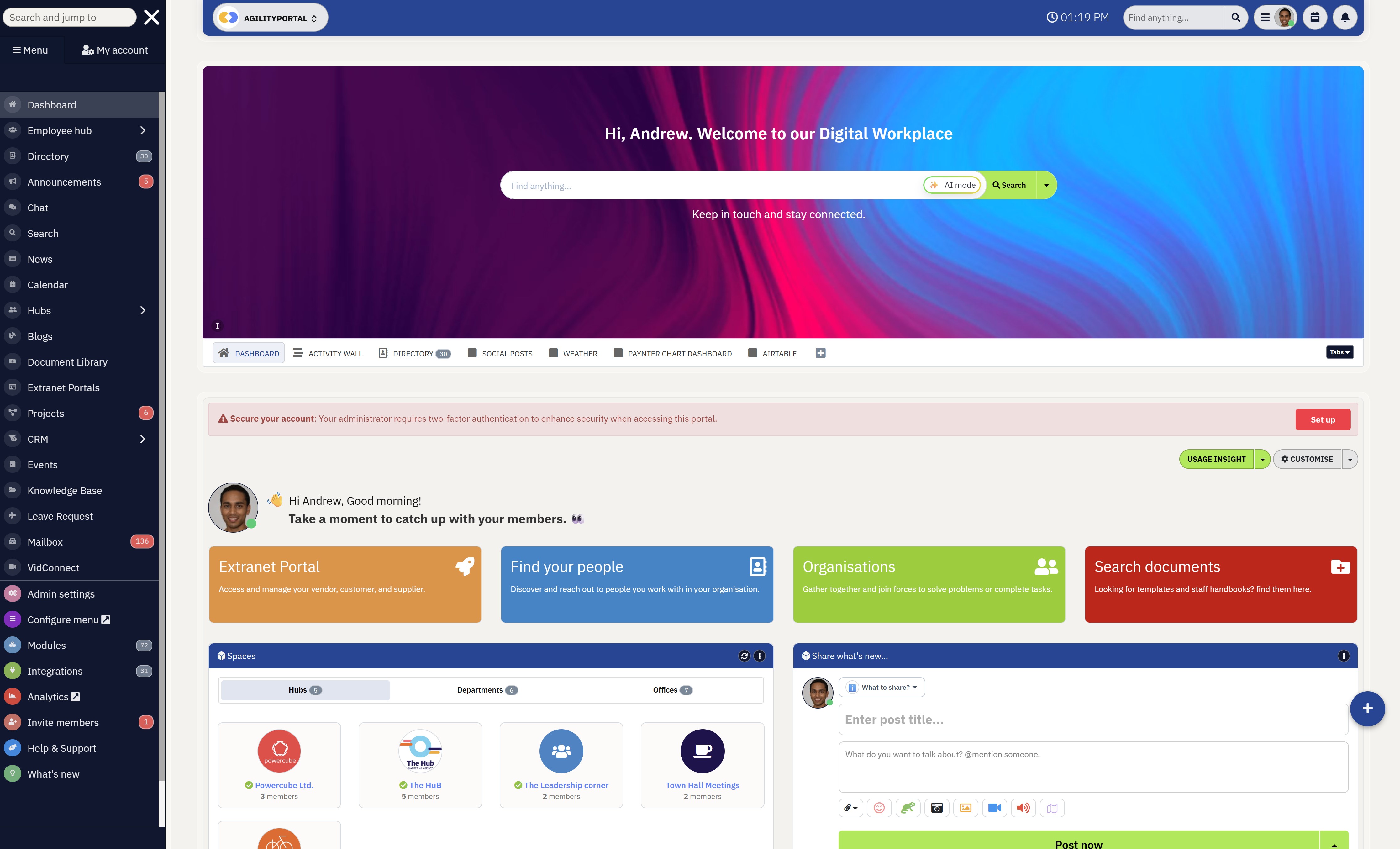
How Modern Digital Workplace Platforms Help Reduce Downtime
Modern businesses rely heavily on communication, collaboration, and fast access to information.
When employees cannot find files, access systems, or communicate quickly during outages, productivity drops almost immediately. This is why many growing companies are now investing in digital workplace platforms alongside reliable business IT services.
According to McKinsey, employees can spend up to 28% of their workweek searching for information across disconnected systems and communication tools. During downtime, this problem becomes even worse.
Modern digital workplace platforms help reduce operational disruption by centralising communication, documents, tasks, and knowledge into one connected workspace.
Key Benefits of Digital Workplace Platforms
- Centralised employee communication
- Cloud-based file access
- Faster information sharing
- Remote and hybrid work support
- Real-time employee alerts and announcements
- Knowledge management and searchable resources
- Reduced dependency on disconnected apps
AgilityPortal
A Smarter Digital Workplace Platform for Businesses Managing Downtime
AgilityPortal helps growing businesses centralise employee communication, collaboration, company knowledge, and operational updates into one connected digital workplace platform.
While reliable business IT services reduce downtime and improve infrastructure stability, AgilityPortal helps employees stay connected, informed, and productive during operational disruptions, remote work challenges, and communication breakdowns.
Start your 14-day free trial — no credit card required.Final Thoughts
Downtime is no longer just an IT issue — it directly affects productivity, customer experience, revenue, and business growth.
As companies scale, managing technology infrastructure becomes far more complex, especially with remote work, cloud systems, and rising cybersecurity threats.
Reliable business IT services help organisations stay operational by reducing outages, improving security, and supporting business continuity before problems become critical.
Instead of constantly reacting to technical failures, growing businesses should focus on proactive IT support, infrastructure monitoring, and scalable technology solutions that keep employees connected, systems stable, and operations running efficiently in an increasingly digital workplace.
AI Summary
- Reliable business IT services help growing companies reduce downtime, improve cybersecurity, and maintain stable day-to-day operations as technology environments become more complex.
- Many organisations struggle with recurring outages, slow systems, cloud management issues, and increasing cybersecurity risks caused by outdated infrastructure and reactive IT support.
- Managed IT services provide proactive monitoring, technical support, disaster recovery, cloud management, and infrastructure optimisation to prevent operational disruption before it impacts the business.
- Businesses relying on hybrid work, cloud collaboration tools, and distributed teams require scalable IT support solutions that improve connectivity, security, and employee productivity.
- Downtime can lead to lost revenue, reduced employee efficiency, customer dissatisfaction, and reputational damage, making proactive IT management essential for business continuity.
- Modern digital workplace platforms and business IT services work together to centralise communication, knowledge sharing, and collaboration while reducing operational bottlenecks.
Most Popular Posts

Effective communication among team members is vital for the productivity and success of any organization. Surprisingly, 60% of companies lack a long-term internal communication strategy, which p...


Businesses thrive on communication for efficiency, productivity and accomplishment. When the right information is passed from the right designation in the organization, it promotes positivity an...
Categories
Blog
(2918)
Business Management
(363)
Employee Engagement
(221)
Digital Transformation
(189)
Growth
(139)
Intranets
(133)
Remote Work
(63)
Sales
(52)
Collaboration
(46)
Customer Experience
(29)
Culture
(29)
Knowledge Management
(28)
Project management
(28)
Leadership
(20)
Comparisons
(9)
News
(1)

Related Posts

What Is Portal Software? Have you ever wondered why so many businesses struggle with disconnected systems, scattered documents, outdated intranets, and poor communication between teams? Most organisations today rely on dozens of different tools...

What happens when your systems suddenly stop working in the middle of a busy workday? For growing businesses, downtime is no longer just a technical problem — it is a direct threat to productivity, customer trust, revenue, and daily operations. ...

Despite organisations investing heavily in collaboration platforms, employee apps, and hybrid work technology, many businesses still struggle with disconnected communication, low employee engagement, and poor workforce visibility. According to ...

The communication champion role is a valuable addition to any business. In a large organization, communication champions should be numerous, forming a communication network. They keep track of information and assist others in better collaborating, wo...

Featured
In today's fast-paced hybrid work environment, staying connected isn't just nice—it's necessary. With more than 80% of employees now working remotely at least part of the time, the demand for intuitive, powerful collaboration tools has never be...


Jill Romford
I am a digital nomad, lover of exploring new places and making friends.
I love to travel and I love the internet. I take pictures of my travels and share them on the internet using Instagram.
Traveler, entrepreneur, and community builder. I share my insights on digital marketing and social media while inspiring you to live your fullest life.
Ready to learn more? 👍
One platform to optimize, manage and track all of your teams. Your new digital workplace is a click away. 🚀
Free for 14 days, no credit card required.