
Insight Blog
Agility’s perspectives on transforming the employee's experience throughout remote transformation using connected enterprise tools.
14 minutes reading time
(2841 words)
HR File Management Best Practices: Complete Guide on HR Document Management Best Practices

HR File Management Best Practices: Complete Guide on HR Document Management Best Practices
A practical guide to HR Document Management Best Practices, including HR document templates, folder structures, and compliance tips.
HR File Management Best Practices: Complete Guide on HR Document Management Best Practices

What would happen if an auditor, regulator, or lawyer asked for an employee file today—could you produce it instantly?
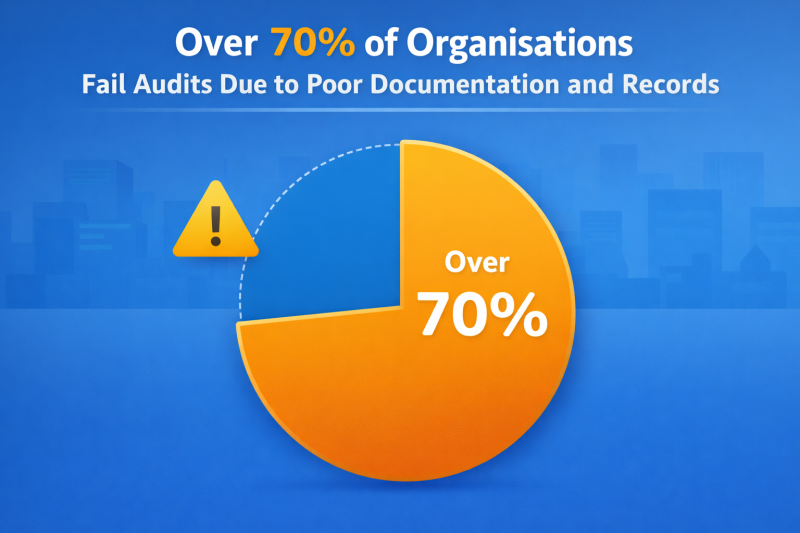
If the answer is no, you're already at risk. Studies show that over 70% of organisations fail audits due to poor documentation and record-keeping, not policy gaps.
Even worse, employment tribunals and workplace disputes are far more likely to go against employers who cannot produce clear, dated HR records.
According to compliance research, weak documentation can increase legal costs by up to 40% per case.
That's why HR file management best practices and HR document management best practices are not admin tasks—they're safeguards.
When HR files are organised, complete, and accessible, organisations reduce legal exposure, improve trust, and stay in control when scrutiny hits.
Key Takeaways You’ll Get From This Guide
- Why poor HR file management is one of the biggest hidden compliance risks for organisations
- What HR file management best practices look like in real-world HR teams today
- Essential HR documentation examples every company should maintain
- How to structure HR folders and filing systems for speed, security, and audits
- A practical HR documentation checklist to avoid gaps and legal exposure
- How to correctly document employee issues without increasing risk
If your HR records feel scattered, outdated, or risky, this guide will help you regain control fast.
What Does Documentation Mean in HR and Employee Relations?
In HR and employee relations, documentation is the formal record of employment-related actions, decisions, and events.
This includes core records such as employee history, attendance logs, incident reports, and performance reviews.
Together, these documents tell the full story of an employee's time with the organisation—capturing achievements like promotions and salary increases, alongside corrective actions when issues arise.
Proper HR documentation creates clarity and consistency.
It helps ensure decisions are fair, defensible, and based on facts, while protecting both the organisation and the employee through transparent, well-maintained records.
Why Workplace Documentation Matters
Workplace documentation removes guesswork.
It creates a single, reliable source of truth for decisions, actions, and outcomes.
When records are clear and consistent, organisations operate with greater accountability, apply policies fairly, and stay compliant with internal rules and legal requirements.
Strong documentation also reduces time wasted trying to reconstruct past events or track down missing information.
More importantly, documentation becomes critical when problems arise.
In employee disputes, audits, or legal claims, written records provide factual evidence—not opinions or memory.
This is especially true during workplace investigations, where accurate documentation shows what happened, when it happened, and how decisions were made.
Done properly, it strengthens the integrity of the investigation and protects the organisation from unnecessary legal and reputational risk.
Read this article: : Top 6 AI-Powered Project Management Tools To Use In 2023
What HR File Management Really Means Today (2026+)
If your HR process still looks like it did in 2020, it's already outdated.
Back then, hr file management best practices 2020 were mostly about digitising paper files and storing them in shared drives. That's no longer enough. Today, that approach creates risk, confusion, and compliance gaps.
Modern hr document management best practices are built around structured, secure digital systems—not messy folders, email attachments, or disconnected tools.
HR files now need clear ownership, controlled access, and automatic version tracking.
Why? Because one overwritten document, one unauthorised edit, or one missing record can derail an audit or a legal case.
In 2025, proper HR file management means role-based access, full audit trails, and version history you can trust.
It's about knowing who accessed what, when, and why—without scrambling. Anything less isn't "good enough" anymore.
Essential HR Documentation You Must Maintain

Essential HR Documentation You Must Maintain
Strong HR file management starts with knowing exactly which documents must be recorded, stored, and protected.
These records aren't optional—they form the backbone of fair decision-making, compliance, and legal defence.
Below are the most critical HR documentation examples and workplace documentation examples every organisation should maintain.
Employee contracts and offer letters establish the legal employment relationship.
They define roles, pay, benefits, notice periods, and agreed terms. Without these documents properly stored and versioned, disputes become harder to defend.
Performance reviews and goal-setting records show how employees are managed and developed over time.
They provide evidence of feedback, progression, or performance concerns and are essential during promotions, terminations, or disputes.
Disciplinary records and incident reports document workplace issues, investigations, warnings, and outcomes. These records must be factual, dated, and consistent to demonstrate fairness and due process.
Training and compliance documents prove that employees have completed required training, certifications, and policy acknowledgements—often critical during audits or regulatory checks.
Medical documentation requires special handling. This includes sick notes, occupational health reports, disability accommodations, and return-to-work assessments. These records must be kept separate, securely stored, and access-restricted to meet data protection and privacy laws.
Together, these documents create a complete, defensible employee record—and when managed properly, they protect both the organisation and its people.
Key HR Documentation Types
- Employment Documents – Contracts, offer letters, job descriptions, and amendments that define the legal employment relationship.
- Performance Records – Reviews, appraisals, goals, and feedback that track employee progress and expectations.
- Attendance & Leave Records – Timesheets, absence logs, holiday requests, and approvals.
- Disciplinary & Incident Records – Warnings, investigation notes, complaints, and outcome decisions, all fact-based and dated.
- Training & Compliance Documents – Policy acknowledgements, certifications, and mandatory training completion records.
- Medical Documentation – Sick notes, occupational health reports, reasonable adjustments, and return-to-work forms, stored separately with restricted access.
These document types together form a complete, compliant employee record that supports fair decisions, audits, and legal protection.
Smart HR Folder Structure & Filing System Ideas
A strong HR filing system is simple, predictable, and built for real-world use—not theory.
The goal is speed, security, and consistency. If managers and HR teams can't instantly find the right file, the structure is broken.
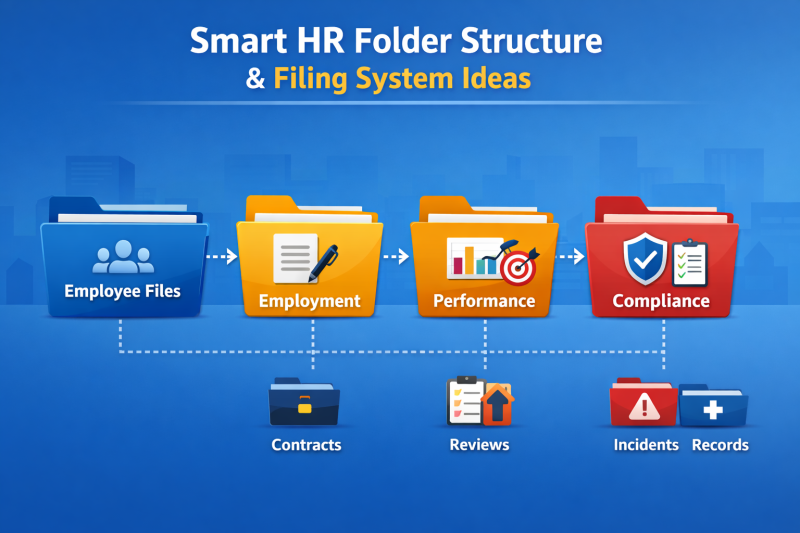
A practical HR folder structure template usually starts at the employee level, then flows logically:
Employee → Employment → Performance → Compliance.
This mirrors how HR actually works and makes audits far less painful.
Clear naming conventions matter more than people think. Use consistent formats like LastName_FirstName_DocumentType_Date.
This avoids duplicates, outdated versions, and "final_v3_FINAL" chaos. Everyone should follow the same rules—no exceptions.
Sensitive files must never live alongside general HR documents. Medical records, disciplinary actions, and legal correspondence should be stored in separate, access-restricted folders to meet privacy and data protection requirements.
Mixing these files is a compliance risk.
Good HR filing system ideas reduce errors, save time, and protect the organisation when scrutiny hits.
If your structure relies on memory or "just knowing where things are," it's already a liability.
HR Documentation Checklist (What Most Teams Miss)
Most HR issues don't start with bad intent—they start with missing, inconsistent, or poorly handled documentation.
Teams often assume they're covered because policies exist, but when records are incomplete or scattered, those policies won't protect anyone. A strong HR documentation checklist ensures every employment decision is traceable, fair, and defensible.
First, be clear on what must always be documented.
Any action that affects an employee—good or bad—should leave a paper trail. This includes employment contracts, role changes, performance reviews, disciplinary actions, incident reports, grievances, training records, and policy acknowledgements. If it isn't written down, it may as well not exist.
Next, control who can access which records. HR files are not "one-size-fits-all."
Sensitive documents such as disciplinary records, grievances, and medical documentation must be access-restricted. Uncontrolled access isn't just sloppy—it's a data protection and trust issue.
Retention is another area teams overlook. Different HR records have legal retention periods, and keeping documents too long can be just as risky as deleting them too early. Retention rules must be clear, enforced, and documented.
Finally, standardisation matters.
Templates for investigations, warnings, and employee issue records should be centrally stored and consistently used. This prevents bias, gaps, and defensibility problems later.
Quick HR Documentation Checklist- Document all employment decisions and changes
- Keep performance, disciplinary, and incident records factual and dated
- Restrict access to sensitive and medical documentation
- Follow defined legal retention periods
- Store and use standard HR templates consistently
- Ensure records are easy to retrieve for audits or disputes
When documentation is done right, HR stays in control—even when pressure hits.
How to Document Employee Issues Correctly
Employee issues are where HR documentation is most likely to be challenged, so this is not an area for shortcuts.
Weak, emotional, or inconsistent records can turn a manageable issue into a legal problem.
Proper documentation protects the organisation, the manager, and the employee by showing that concerns were handled fairly, consistently, and based on facts—not opinions.
Start by documenting what happened, not how you felt about it.
HR records should describe observable behaviour, direct quotes, or reported facts.
Avoid judgmental language or assumptions about intent. Words like "attitude problem" or "lazy" are subjective and easy to dispute. Instead, record specific actions, missed deadlines, policy breaches, or statements made.
Context is just as important as content. Every record should include clear dates, times, locations, and people involved.
If there were witnesses, list them. If a manager took action, document exactly what was said or done. This creates a timeline that stands up during audits, grievances, or legal reviews.
Consistency matters.
Using a standard how to document employee issues template ensures all managers record issues in the same way. This reduces bias, closes gaps, and strengthens credibility if patterns of behaviour need to be demonstrated later.
Finally, store these records securely and restrict access. Issue documentation is sensitive and should only be available to authorised HR and leadership roles.
What to Think About When it Comes to Document Employee Issues
- Record facts and observable behaviour only
- Avoid opinions, labels, or emotional language
- Include dates, times, locations, and witnesses
- Document actions taken and employee responses
- Use a standard documentation template
- Keep records secure and access-restricted
Done properly, documentation doesn't create conflict—it prevents it.
Read this article: : Top 6 AI-Powered Project Management Tools To Use In 2023
Downloadable Resources & Templates
Reading about HR file management best practices is useful—but having ready-made tools you can actually use is what makes the difference.
Below are practical, plug-and-play resources designed to help HR teams implement hr document management best practices without starting from scratch.
These resources are the same types of documents auditors, legal teams, and HR consultants expect to see in well-run organisations.
Available Downloads- HR File Management Best Practices (PDF) - A clear, printable hr file management best practices pdf that explains what to store, how to store it, and common compliance mistakes to avoid. Ideal for sharing with managers or keeping as a reference during audits.
- HR Documentation Checklist - A step-by-step checklist covering contracts, performance records, disciplinary files, training logs, and medical documentation—so nothing critical is missed.
- HR Folder Structure Template - A ready-to-use folder hierarchy showing exactly how to organise employee records, sensitive files, and compliance documents for fast access and audit readiness.
- Employee Issue Documentation Template - A structured form showing how to document employee issues factually, consistently, and defensibly—without emotional or risky language.
- Sample Resource Preview (So You Can See What to Expect)
- Example HR folder structure:
/HR
  /Employees
    /LastName_FirstName
      /Employment
      /Performance
      /Disciplinary
      /Training
  /Medical (Restricted Access)
  /Policies
  /Templates
Download the Resources
HR_File_Management_Best_Practices
2 kb
Employee_Issue_Documentation_Template
2 kb
HR_Folder_Structure_Template
2 kb
HR_Documentation_Checklist
2 kb
How AgilityPortal Helps You Improve Workplace Documentation
How AgilityPortal Helps You Improve Workplace Documentation
Workplace documentation is only valuable when it is clear, consistent, and easy to access.
When records are scattered across emails, shared drives, or individual inboxes, misunderstandings grow—and so does legal risk.
Poor or incomplete documentation doesn't just slow HR down; it weakens decision-making and exposes organisations during disputes, audits, or investigations.
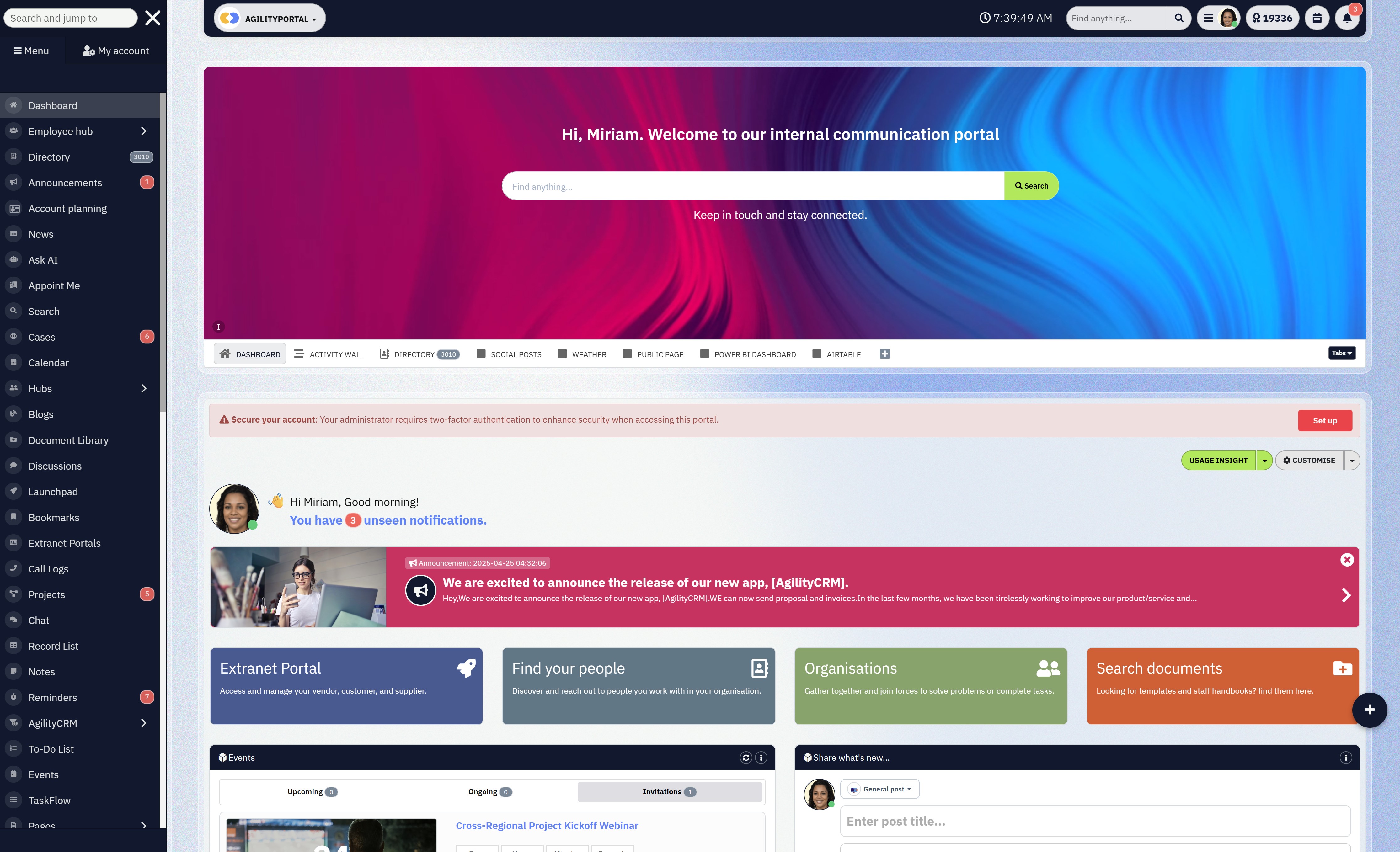
AgilityPortal. brings structure and control to employee relations documentation.
It gives HR teams a single, secure place to record, manage, and track workplace issues from start to finish. Every action, note, document, and decision is captured in context, creating a reliable timeline that stands up to scrutiny.
With AgilityPortal, HR teams can document employee issues consistently using standard templates, apply role-based access to sensitive records, and maintain a full audit trail without manual effort.
Documentation stays available even when managers change roles or leave the business—eliminating knowledge loss and gaps caused by turnover.
Instead of chasing files or relying on memory, AgilityPortal ensures workplace documentation is complete, transparent, and defensible.
The result is faster resolution of issues, fairer outcomes for employees, and stronger protection for the organisation when it matters most.
Conclusion
HR file management is not admin work—it is risk management.
When organisations follow HR file management best practices, they protect themselves from compliance failures, legal disputes, and costly mistakes that usually surface at the worst possible time.
Clear, structured, and consistent HR documentation ensures decisions are fair, defensible, and based on facts rather than memory or opinion. It also protects employees by ensuring transparency, consistency, and proper handling of sensitive information, including medical and disciplinary records.
The reality is simple: if it isn't documented properly, it didn't happen. Missing files, inconsistent records, or poorly written notes weaken trust and expose the business to unnecessary risk.
Strong HR document management best practices remove that uncertainty by creating a single source of truth that HR, leadership, and auditors can rely on.
Digital HR tools now make this easier than ever.
Secure document storage, role-based access, version control, audit trails, and automated retention rules reduce manual effort while improving compliance. Instead of chasing files or fixing gaps after the fact, HR teams can focus on people, not paperwork.
Done right, HR file management doesn't slow organisations down—it gives them confidence, control, and protection when it matters most.
Frequently Asked Questions (FAQs)
What is digital HR document management?
Digital HR document management is the process of storing, organising, securing, and managing HR records electronically instead of using paper files.
It supports compliance, faster access, audit readiness, and reduces the risk of lost or outdated documents.
What is the difference between HR electronic file management and paperless HR files?
HR electronic file management focuses on how HR records are structured, accessed, and secured digitally.
Paperless HR files simply mean eliminating physical documents.
Going paperless without proper structure still creates risk—true digital management requires controls, permissions, and audit trails.
What documents are required for an HRMS?
Common documents required for HRMS include employee contracts, performance reviews, disciplinary records, payroll data, leave records, medical documentation, and policy acknowledgements.
These form the foundation of effective HRMS document management.
What is HR records management software used for?
HR records management software centralises employee files, enforces access controls, tracks changes, and supports retention rules.
It replaces spreadsheets and shared drives with a secure system of record for HR employee file management.
Do I need documentation for a leave management system?
Yes.
Leave management system documentation and an employee leave management system documentation outline leave rules, approval flows, entitlement calculations, and audit logs.
A leave management system template helps standardise this across teams.
What is included in employee management system documentation?
Employee management system documentation covers employee data structures, workflows, permissions, reporting, and integrations.
This also applies to documentation of employee management system implementations and updates.
What is an HR project plan template used for?
An HR project plan template helps HR teams manage system rollouts, policy changes, or compliance initiatives.
For system implementations, teams often use an HRIS project plan template or HRMS project documentation.
How does HR file management support risk management?
Strong documentation supports audits and disputes.
An HR risk management plan example often highlights record accuracy, access control, and retention as key risk areas addressed through proper HR file management solutions.
What documentation is needed for HR system projects?
Large implementations require HR management system project documentation, including requirements, workflows, testing plans, and approvals.
This may include a software requirement specification for human resource management system and human resource management project documentation.
Can HR documentation templates be managed in Excel?
Yes. Many teams start with a human resource management plan template Excel, especially for manpower planning or tracking.
However, as organisations scale, digital systems provide better control than spreadsheets.
Most Popular Posts

Effective communication among team members is vital for the productivity and success of any organization. Surprisingly, 60% of companies lack a long-term internal communication strategy, which p...


Businesses thrive on communication for efficiency, productivity and accomplishment. When the right information is passed from the right designation in the organization, it promotes positivity an...
Categories
Blog
(2928)
Business Management
(363)
Employee Engagement
(221)
Digital Transformation
(190)
Growth
(140)
Intranets
(133)
Remote Work
(63)
Sales
(53)
Collaboration
(47)
Customer Experience
(30)
Culture
(29)
Knowledge Management
(28)
Project management
(28)
Leadership
(20)
Comparisons
(9)
News
(1)

Related Posts

Starting a business in 2026 is both exciting and challenging. The good news? You don't need a huge team or a big budget to make it work. The best tools for startups & small businesses 2026 can help you save time, cut costs, and grow fas...

What's the best small business tool for getting more done without burning out your team or budget? With thousands of options on the market, finding the right solution can feel overwhelming—especially when every tool claims to be "the best." Fro...

It's time to reduce the frequency of your meetings and emails. It's time to simplify communication and enhance work efficiency. Perhaps it's time to consider implementing an intranet. Intranets are powerful tools, yet they often go unnoticed as...

Modern ecommerce is rapidly shifting from static product browsing to immersive digital shopping experiences. As customer expectations continue to evolve, many online retailers are investing in interactive 3D commerce tools to create more engagi...

Most customer feedback tools promise better customer insights, improved customer experience, and smarter business decisions. Companies spend thousands on customer feedback management platforms, surveys, review systems, and feedback forms hoping...


Jill Romford
I am a digital nomad, lover of exploring new places and making friends.
I love to travel and I love the internet. I take pictures of my travels and share them on the internet using Instagram.
Traveler, entrepreneur, and community builder. I share my insights on digital marketing and social media while inspiring you to live your fullest life.
Ready to learn more? 👍
One platform to optimize, manage and track all of your teams. Your new digital workplace is a click away. 🚀
Free for 14 days, no credit card required.